

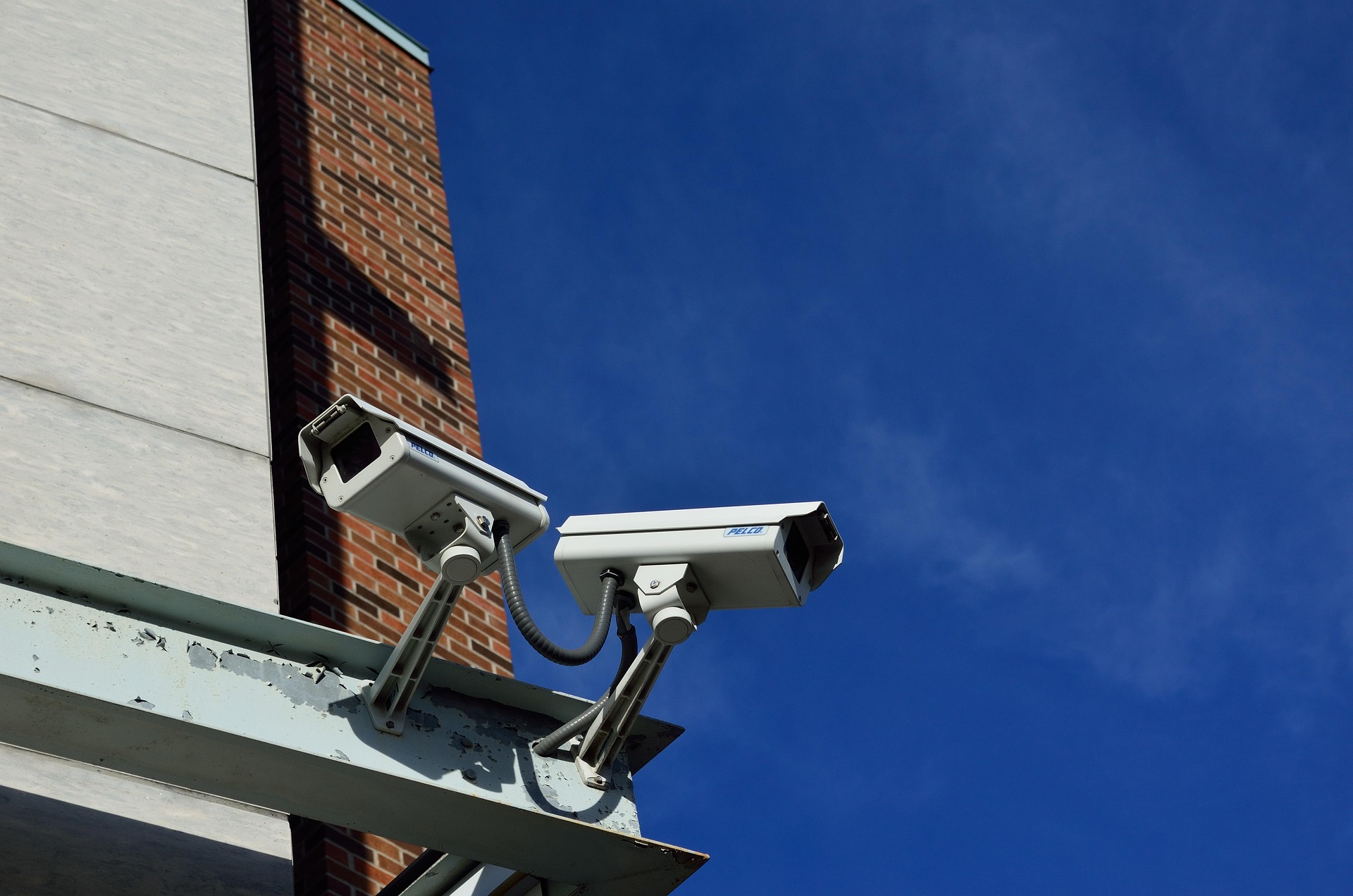
A slip-and-fall can happen in seconds, but proving what happened afterward can be much more complicated. A property owner, manager, employee, or insurance company may question whether a dangerous condition existed, how long it was present, whether anyone knew about it, or whether the injured person was paying attention. In these situations, surveillance camera footage can become some of the most important evidence in a slip-and-fall claim.
Many businesses, apartment complexes, hotels, parking garages, shopping centers, restaurants, grocery stores, office buildings, and other properties use security cameras to monitor entrances, aisles, hallways, parking areas, elevators, stairways, and other locations. If someone falls on the property, cameras may have captured events before, during, and after the accident.
That footage may show the condition that caused the fall, whether employees were nearby, how long a spill or obstruction existed, whether warning signs were present, and what happened immediately afterward. It may also support or contradict statements made by the property owner, employees, witnesses, or the insurance company. Understanding the potential value and limitations of surveillance footage and taking steps to preserve relevant evidence can therefore be critical after a slip-and-fall.
A strong premises liability claim generally requires more than proving that someone fell. The evidence must help establish the dangerous condition, the responsible party’s legal responsibility under applicable law, the connection between the condition and the accident, and the injuries and losses that resulted.
Key Takeaways
- Surveillance footage can provide objective evidence of what happened before, during, and after a slip-and-fall.
- Cameras may capture spills, debris, uneven flooring, obstacles, inadequate lighting, missing warning signs, or other dangerous conditions.
- Depending on the applicable law, footage may help establish whether a property owner or employee knew or reasonably should have known about a hazardous condition.
- Video may show how long a hazard existed, although it does not always establish when the condition first appeared.
- Recordings can capture employees creating, inspecting, cleaning, or failing to address a dangerous condition.
- Surveillance may also help identify witnesses who were present when the accident occurred.
- Many systems automatically overwrite older recordings, making prompt preservation important.
- An injured person should not assume a business will preserve footage simply because an accident occurred.
- A preservation request or other appropriate legal action may help protect relevant evidence, depending on the circumstances and applicable law.
- Surveillance footage is only one part of a case. Photos, incident reports, medical records, witness statements, maintenance records, inspection logs, and other documentation may also be important.
- Video can sometimes contradict an injured person’s account, so the complete recording should be evaluated rather than assuming it will support the claim.
- A consultation with Phoenix Injury Attorneys can help determine whether the available evidence supports a potential premises liability claim and what steps may be appropriate to preserve it.
Why Surveillance Footage Can Be So Important In A Slip-And-Fall Case
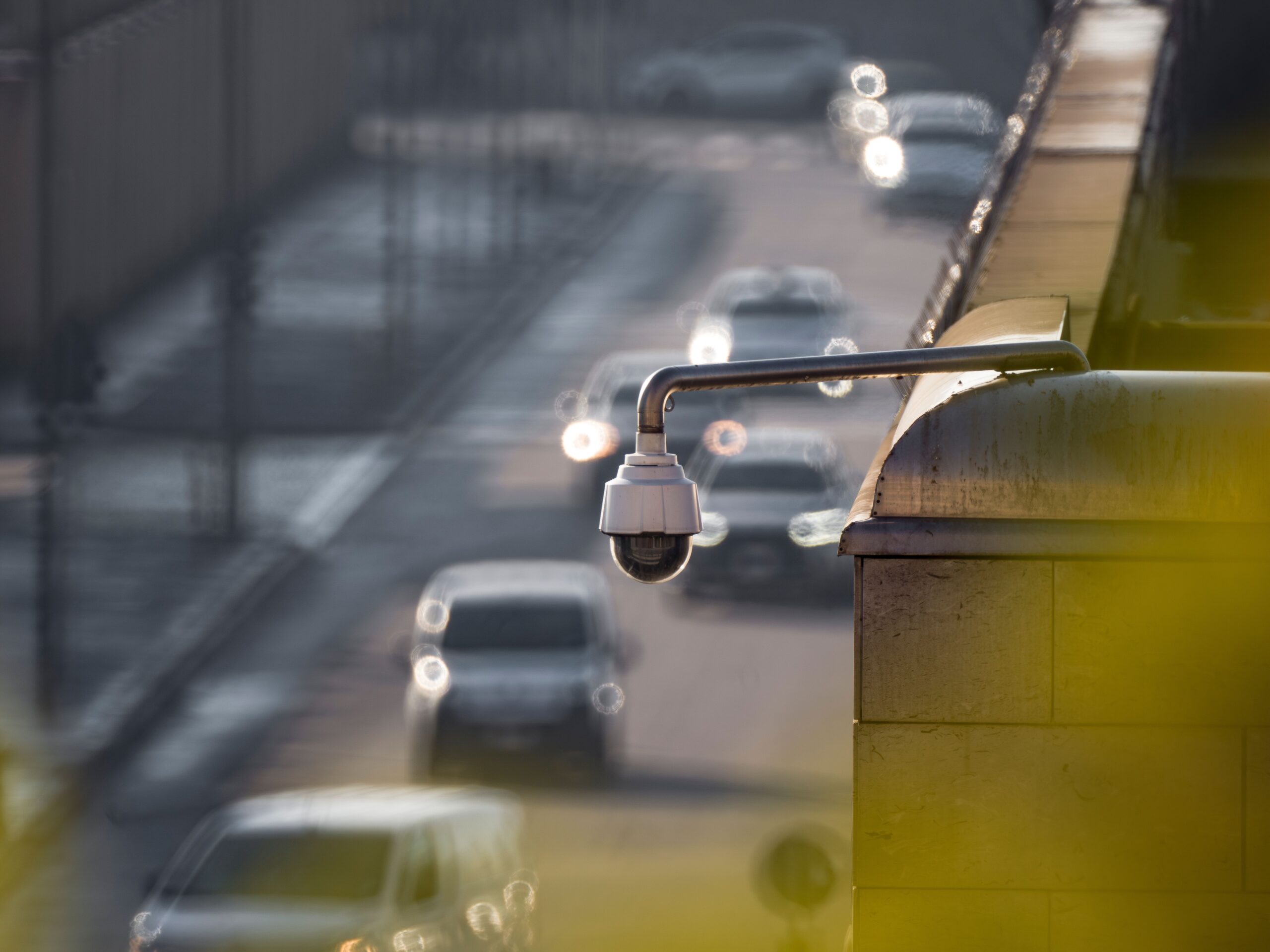
One of the biggest challenges in a slip-and-fall case is establishing what actually happened. A person who falls may remember the incident clearly, but an insurance company or property owner may challenge that account. There may be no eyewitnesses, while the dangerous condition may be cleaned, repaired, moved, or otherwise changed before an investigation occurs.
Surveillance footage can preserve a visual record of circumstances that might otherwise be difficult to reconstruct. Without video, questions may arise about how long the liquid was present, whether an employee noticed it, whether anyone reported the spill, whether the area had been inspected, whether a warning sign was displayed, or whether an employee caused the condition.
A surveillance recording covering the aisle could potentially answer some of those questions. It might show an employee passing the spill several times, another customer pointing it out, or a warning cone already positioned nearby. Each possibility can affect how the claim is evaluated.
What Can Surveillance Cameras Show?
The value of surveillance footage depends on factors such as camera placement, viewing angle, image quality, recording duration, and the circumstances of the accident. Nevertheless, video can potentially document several important aspects of a slip-and-fall claim.
The Hazardous Condition
A camera may capture the condition that allegedly caused the fall. Depending on the circumstances, footage could show liquid, food, merchandise, loose carpeting, broken or uneven flooring, cracked pavement, potholes, obstructed walkways, snow or ice, poorly maintained stairs, damaged handrails, inadequate lighting, or other unsafe conditions.
The Events Leading Up To The Accident
Footage may also show what happened during the minutes or hours before the fall. This can matter because premises liability cases often involve questions about notice, inspection, maintenance, and whether a reasonable response was taken. That sequence can provide important context that a photograph taken after the accident cannot.
What Happened Immediately After the Fall
Video may capture employees approaching the injured person, moving the hazardous condition, placing a warning sign, cleaning the area, speaking with witnesses, or documenting the incident.
Potential Witnesses
Surveillance footage can also help identify people who were nearby when the fall occurred. Someone who witnessed the accident may have information about the hazardous condition, the fall itself, or what employees did afterward.
Can Surveillance Footage Prove The Property Owner Knew About The Hazard?
Potentially, but the answer depends on the facts and the law governing the claim. A central issue in many premises liability cases is whether the responsible party had actual or constructive notice of a dangerous condition or otherwise had a legal duty concerning it. The precise standard varies by jurisdiction and circumstances.
Surveillance footage may help establish actual knowledge. For example, if an employee is shown creating a spill and then looking directly at it, the recording could support an argument that the employee knew the hazard existed. Video can sometimes also support constructive notice by showing that a condition remained in place long enough, under circumstances where reasonable inspection or maintenance may have identified it.
Can Surveillance Footage Show How Long A Hazard Existed?
This is one reason surveillance footage can be particularly valuable. Imagine someone slips on a spilled drink at 3:15 p.m., while a camera shows the spill appearing at 2:40 p.m. and remaining there until the accident. That timeline could be relevant when evaluating whether the responsible party had an opportunity to discover and address the condition.
If recording begins at 3:00 p.m. and the accident occurs at 3:15 p.m., for example, the footage may establish that the hazard existed for at least 15 minutes, but it does not necessarily prove that the hazard was created at 3:00 p.m. Attorneys and investigators therefore need to distinguish between what the recording actually establishes and what someone merely assumes.
What If There Is No Camera Pointed Directly At The Accident?
The absence of a camera directly recording the fall does not necessarily mean there is no useful video evidence. A nearby camera might show an employee carrying a container before a spill occurs, while another camera could show that employee leaving the area. An entrance camera could identify someone who entered shortly before the accident, and a hallway camera might capture someone reporting the hazard.
Large properties often have multiple cameras covering different areas, such as entrances, parking areas, elevators, hallways, checkout areas, individual departments, loading zones, and exterior walkways.
Even when one camera does not capture the fall itself, other recordings may provide pieces of the sequence. For that reason, it can be important to identify the property’s broader surveillance system rather than assuming that one camera angle represents all available footage.
What Happens If A Business Says The Camera Was Not Working?
A property owner may claim that a relevant camera was malfunctioning, recording intermittently, or not covering the accident location. That explanation may be legitimate. Surveillance systems can experience technical failures, camera outages, storage limitations, and other problems.
When the availability of footage is disputed, relevant questions may include whether the camera worked before and after the accident, whether other cameras covered the area, how long recordings are retained, whether the system automatically overwrites footage, who has access to recordings, and whether anyone reviewed the video after the incident.
The specific circumstances matter. Phoenix Injury Attorneys can evaluate whether additional information or legal procedures may be appropriate when there is a dispute about missing or unavailable footage.
How Quickly Can Surveillance Footage Disappear?
Many surveillance systems use rolling storage. Once available storage becomes full, older recordings may automatically be overwritten by newer footage. Retention periods vary depending on the property’s system, storage capacity, business practices, and other factors.
Someone injured in a slip-and-fall should not assume that a business will automatically preserve every recording related to the accident, particularly when the business’s ordinary retention system may eventually overwrite it.
An attorney may send an appropriate evidence-preservation or spoliation-related notice requesting that potentially relevant materials be retained. The legal effect of such a request varies by jurisdiction, and a preservation request does not necessarily guarantee that footage will ultimately be produced.
What Is A Video Preservation Request?

A video preservation request is a communication asking the person or organization possessing potentially relevant evidence to preserve it rather than allowing it to be deleted, overwritten, altered, or destroyed. In a slip-and-fall case, such a request may identify the date, approximate time, location, and circumstances of the accident and request preservation of relevant surveillance recordings.
Depending on the circumstances, it may also address related evidence such as incident reports, inspection records, cleaning logs, maintenance records, employee schedules, communications concerning the accident, photographs, security reports, and other electronically stored information. Because preservation and spoliation standards differ among jurisdictions, these requests should be handled carefully and with consideration of the applicable legal requirements.
Can Surveillance Footage Help If There Were No Eyewitnesses?
A lack of eyewitnesses does not necessarily prevent someone from pursuing a slip-and-fall claim. Surveillance footage can potentially provide independent evidence of the accident and surrounding circumstances. It may show the person walking normally before the accident, the hazard in the person’s path, the actual fall, the immediate reaction, employees responding afterward, and other people nearby.
This can be particularly useful when the injured person’s account is challenged. At the same time, video does not replace other evidence. Medical records, photographs, incident reports, witness statements, and documentation of the dangerous condition may still be important.
Can Surveillance Footage Hurt A Slip-And-Fall Claim?
Surveillance footage is not automatically favorable to the injured person. Because video can provide an objective record, it may reveal facts that support either side. For example, footage could show a clearly visible warning sign, the injured person approaching an obvious hazard from a different direction, the hazard appearing only moments before the accident, a fall occurring somewhere other than the reported location, or circumstances inconsistent with the initial account.
This is why the complete recording should be evaluated rather than relying on a short clip oran assumption about what the video contains. The objective is not simply to obtain video. It is to understand what the evidence actually shows and how it relates to the legal elements of the claim.
What Other Evidence Should Be Collected Alongside Surveillance Video?
A strong slip-and-fall claim often depends on multiple types of evidence.
- Photographs of the Accident Scene: Photographs can document the dangerous condition before it is repaired or cleaned. When possible, they should show both close-up details and the broader environment, including the hazard’s location relative to aisles, entrances, warning signs, shelves, stairs, or other landmarks.
- Medical Records: Medical documentation helps establish the nature and extent of injuries. Relevant records may include emergency treatment, physician evaluations, diagnostic imaging, physical therapy, medication, specialist consultations, surgery, and follow-up care.
- Incident Documentation: A business may prepare an incident report after a fall. It may contain information about the date, time, location, employees involved, reported condition, and immediate response.
- Witness Information: People who saw the accident or observed the dangerous condition may provide valuable information. A witness may have seen a spill before the fall, observed an employee walk past it, or witnessed what happened immediately afterward.
- Inspection and Cleaning Records: Inspection schedules, cleaning logs, and similar records may help establish whether the property had procedures for identifying and correcting hazards and whether those procedures were followed.
- Maintenance Records: When a fall involves a structural condition, such as broken flooring, damaged stairs, defective handrails, or another property defect, maintenance records may provide useful context concerning the condition and efforts to address it.
What If The Business Refuses To Provide The Surveillance Video?
An injured person should not automatically interpret a refusal as proof that the footage is damaging. Privacy concerns, internal policies, legal disputes, or other issues may prevent a business from voluntarily providing surveillance recordings.
Depending on the circumstances and whether litigation has begun, an attorney may use formal procedures such as discovery requests, subpoenas, or other appropriate legal mechanisms to seek relevant evidence.
If a business claims that footage no longer exists, Phoenix Injury Attorneys can also investigate how the surveillance system operates, its retention policy, whether a preservation request was received, and whether other relevant evidence remains available.
What If the Video Was Deleted?
Deleted or overwritten surveillance footage can create significant evidentiary issues. The legal consequences depend heavily on why the footage disappeared, whether there was a duty to preserve it, whether reasonable preservation steps were taken, and the law governing the case.
Automatically overwriting a recording under an ordinary retention policy before anyone knew about an accident may raise different issues from intentionally destroying potentially relevant footage after the responsible party became aware of a claim and had reason to preserve it.
Courts may treat evidence-preservation disputes differently depending on the facts. Phoenix Injury Attorneys can evaluate whether the circumstances raise potential spoliation issues and what remedies, if any, may be available.
How Can an Attorney Help With Surveillance Evidence?
Phoenix Injury Attorneys can assist with more than simply requesting a video. The firm can help identify relevant evidence, determine who may possess it, and take appropriate steps to preserve and obtain it.
An investigation may involve identifying the exact accident location, determining whether surveillance cameras were present, identifying potentially relevant camera angles, establishing the approximate accident time, requesting preservation of recordings, gathering photographs and witness information, reviewing incident reports, examining maintenance and inspection evidence, comparing video with witness statements, evaluating medical documentation and damages, and assessing the applicable premises liability law.
The attorney can then determine whether the circumstances support a settlement demand, litigation, or another appropriate course of action. The earlier relevant evidence is identified, the more opportunities there may be to preserve important information.
What Should You Do Immediately After A Slip And Fall?
If you are physically able to do so, consider taking several practical steps after an accident.
- Report the Accident: Notify the property owner, manager, security personnel, or another appropriate representative, and request documentation of the incident when appropriate.
- Photograph The Condition: Take photographs of the hazard and surrounding area if it is safe to do so. Try to document the condition before someone cleans, repairs, moves, or removes it.
- Identify Potential Cameras: Look for visible surveillance cameras around the accident location. There is generally no need to confront employees or make accusations; simply note where cameras appear to be located and tell your attorney about them.
- Identify Witnesses: If people witnessed the fall or observed the condition, obtain their contact information when possible and appropriate.
- Seek Medical Attention: Obtain appropriate medical evaluation for your injuries. Some injuries may not become fully apparent immediately, and medical records can provide important documentation of the accident’s consequences.
- Keep Relevant Documents: Preserve receipts, medical records, bills, correspondence, photographs, incident documentation, and other materials related to the accident.
- Contact An Attorney Promptly: If the injury is significant, liability is disputed, or you believe surveillance footage may exist, consulting a premises liability attorney early may help protect important evidence and legal rights.
How Surveillance Footage Can Affect Settlement Negotiations

Insurance companies evaluate evidence when determining how they may respond to a claim. Clear surveillance footage can sometimes strengthen a claimant’s position by making disputed facts easier to establish. For example, a recording may show that the dangerous condition clearly existed, an employee had an opportunity to notice it, no warning was provided, the fall occurred where reported, and the claimant’s account is consistent with the recording.
When liability is disputed, objective video evidence may make it more difficult for an opposing party to rely solely on speculation about what happened. Settlement value is not determined by surveillance footage alone. Other factors may include injury severity, medical treatment, lost income, future medical needs, liability arguments, comparative fault rules where applicable, insurance coverage, and the strength of the overall evidence.
How Surveillance Footage Can Affect A Lawsuit
If a claim proceeds to litigation, surveillance footage may become part of the evidentiary record. The parties may dispute whether the video is complete, whether it has been altered, whether its timestamp is accurate, what the recording shows, or what conclusions should be drawn from it.
An attorney may analyze the footage alongside testimony, photographs, records, and other evidence. A complete recording can be particularly important because a short clip may lack context. A few seconds showing someone falling may not reveal what happened during the preceding 30 minutes, while a longer recording might show how a hazard developed and how employees responded.
Common Mistakes To Avoid After A Slip-And-Fall
- Waiting Too Long To Preserve Evidence: Surveillance footage may not be retained indefinitely, so delaying action can reduce the chance that potentially important recordings remain available.
- Assuming Cameras Guarantee A Strong Case: A camera recording is useful only when it provides relevant information. The presence of a camera does not by itself establish liability.
- Relying On A Short Video Clip: A short segment may omit important context. When possible, the surrounding footage may be necessary to understand how the hazard developed and what happened before and after the fall.
- Ignoring Other Evidence: Photographs, witnesses, medical records, inspection records, maintenance documentation, and incident reports may be just as important as surveillance footage.
- Giving Inconsistent Statements: Inaccurate or inconsistent descriptions can create unnecessary disputes. It is generally important to provide truthful information and avoid guessing about details you don’t remember.
- Accepting An Insurance Settlement Too Quickly: An early settlement offer may not account for the full extent of medical treatment, future expenses, lost income, or other legally recoverable damages. Before accepting an offer, it can be useful to understand the potential value and long-term consequences of the claim.
Conclusion
Surveillance cameras can play a major role in slip-and-fall claims because they may provide evidence that is difficult or impossible to recreate after an accident. A recording can potentially show the dangerous condition, events leading up to the fall, employee conduct, warning signs, witnesses, and what happened immediately afterward. But video evidence is not automatically decisive. It must be evaluated alongside photographs, witness statements, incident reports, inspection records, maintenance documentation, medical records, and other evidence. A recording can strengthen a claim, raise additional questions, or reveal facts that complicate the case.
Time can also matter. Surveillance systems may automatically overwrite older footage, meaning evidence available today may not be available later. If you believe a camera captured your accident, identifying the recording and taking appropriate preservation steps as soon as possible may be important. If you were injured after slipping or falling on another person’s property, you don’t have to determine the strength of your claim alone. Phoenix Injury Attorneys can review the circumstances, investigate potentially available evidence, evaluate the property’s responsibilities under applicable law, and explain your options for pursuing compensation.
Frequently Asked Questions
1. Can Surveillance Footage Prove That A Business Was Negligent In A Slip-And-Fall Case?
Surveillance footage can provide evidence relevant to negligence, but it does not automatically prove liability. The recording may show the dangerous condition, how long it existed, employee conduct, warning signs, or other circumstances.
2. How Long Do Businesses Keep Surveillance Footage After A Slip-And-Fall?
There is no universal retention period. Businesses use different surveillance systems and storage policies, and recordings may be automatically overwritten. Because potentially relevant footage can disappear, an injured person should consider taking prompt steps to identify and preserve it.
3. What If The Business Says The Surveillance Video Was Deleted?
The reason the footage disappeared can matter. Automatic overwriting under an ordinary retention policy may raise different issues from intentional destruction of evidence that should have been preserved. An attorney can investigate the circumstances and determine whether evidence-preservation or spoliation issues may exist under applicable law.
4. Can I Request Surveillance Footage After A Slip-And-Fall?
You can ask the property owner or business to preserve and provide potentially relevant footage, but a business may not be legally required to voluntarily provide recordings simply because someone asks.
5. Should I Contact A Slip-And-Fall Attorney If There Is Surveillance Footage?
It may be especially worthwhile to consult an attorney when the injury is serious, liability is disputed, the business denies responsibility, or surveillance footage may be important. An attorney can evaluate the evidence, explain applicable deadlines and legal standards, and determine what steps may be appropriate to preserve and obtain relevant recordings.