

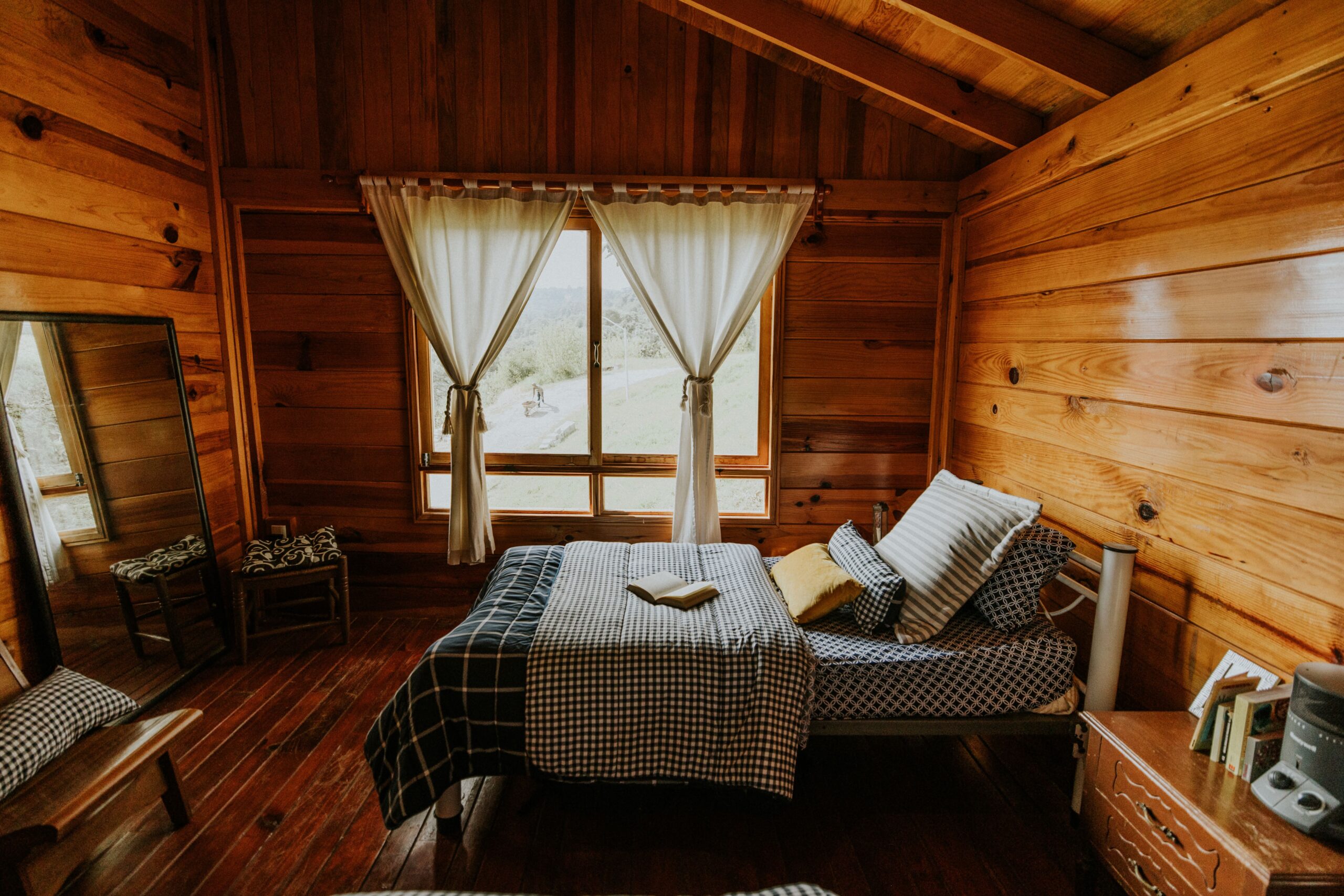
A slip-and-fall at an Airbnb or vacation rental can turn a relaxing trip into a stressful and expensive experience. A loose stair railing, wet floor, uneven walkway, broken step, poor lighting, defective deck, or another dangerous condition can cause serious injuries within seconds. These accidents can also be more complicated than those occurring at traditional hotels or apartment buildings because a vacation rental may involve a private owner, host, property management company, cleaning service, maintenance contractor, and short-term rental platform.
Simply falling on someone else’s property does not automatically establish liability. A premises liability claim generally requires evidence connecting the dangerous condition to another party’s negligence. State laws also differ regarding property owners’ duties, notice requirements, comparative or contributory fault, filing deadlines, and recoverable damages.
Airbnb can add another layer to the claim. Airbnb states that its Host Liability Insurance program may provide up to $1 million in coverage when a host is legally responsible for covered bodily injury to a guest during an Airbnb stay, subject to the applicable policy terms, conditions, eligibility requirements, and exclusions.
Key Takeaways
- You may be able to pursue a slip-and-fall claim when another party’s negligence caused or contributed to your injuries at an Airbnb or vacation rental.
- Potentially responsible parties can include the property owner, host, property manager, maintenance contractor, cleaning company, or another party that controlled or contributed to the hazardous condition.
- Evidence should establish that a dangerous condition existed, the responsible party knew or should have known about it, and failed to reasonably repair, remove, or warn about the hazard.
- Photographs, videos, medical records, witness information, rental records, host communications, inspection documents, and surveillance footage can strengthen a claim.
- Airbnb’s Host Liability Insurance may cover certain guest injury claims when a host is legally responsible, but coverage depends on the policy’s terms and exclusions.
- Host insurance does not automatically establish that Airbnb itself is liable for a guest’s accident.
- Your own conduct may affect compensation under the comparative or contributory fault rules applicable where the accident occurred.
- Statutes of limitations and other deadlines may apply, making prompt investigation important.
- Phoenix Injury Attorneys can help identify responsible parties, investigate the property, review applicable insurance, preserve evidence, and assess potential compensation.
When Can You Sue For A Slip-And-Fall At An Airbnb?
A slip-and-fall at a vacation rental may support a premises liability claim when an unsafe condition caused the accident and the responsible party knew or reasonably should have known about the condition but failed to take appropriate action.
Premises liability rules vary by state, but property owners and others responsible for maintaining a property may generally owe reasonable care to people who are legally permitted to be there. A vacation rental guest typically enters the property with permission through a rental agreement, making the circumstances different from those involving a trespasser.
What Dangerous Conditions Can Cause An Airbnb Slip-And-Fall?
Vacation rentals can contain many of the same hazards found in hotels, apartment buildings, and other properties. Because short-term rentals vary widely in design, maintenance, furnishings, and safety practices, guests may encounter a broad range of potential hazards.
Wet Or Slippery Floors
Freshly mopped floors, leaking appliances, plumbing problems, spills, or water tracked indoors from a pool or outdoor area can create slipping hazards. The circumstances become particularly important when someone responsible for the property knew about the condition and had a reasonable opportunity to correct it or provide an adequate warning.
Defective Or Uneven Stairs
Broken steps, missing or loose handrails, uneven risers, inadequate lighting, and deteriorated stair surfaces can cause a guest to lose balance. Falls on stairs can be particularly serious because they may involve multiple steps and result in fractures, head injuries, spinal injuries, or other significant trauma.
Unsafe Decks, Balconies, And Porches
Decks, balconies, patios, and porches may present hazards when boards deteriorate, surfaces become damaged, railings become defective, or structural problems develop. Evidence that an owner or manager knew about such a condition and failed to address it may be relevant to liability.
Poor Lighting
Insufficient lighting can make hazards difficult to see, particularly on stairs, walkways, entrances, parking areas, and other portions of a rental property. Whether inadequate lighting constitutes negligence depends on the circumstances and applicable law.
Loose Rugs And Floor Coverings
Rugs and mats can become tripping hazards when they lack appropriate backing, curl at the edges, shift easily, or are placed in high-traffic areas.
Broken Or Missing Handrails
Handrails can provide important support on stairs and other elevated areas. A loose, damaged, or missing railing may increase the risk of a serious fall, particularly where guests would reasonably expect one to be available.
Uneven Walkways And Driveways
Cracked pavement, potholes, raised concrete, uneven surfaces, and unexpected elevation changes can cause guests to trip. These hazards may be particularly difficult to see at night or in poorly illuminated areas.
Unsafe Pool Areas
Pools and hot tubs naturally involve water, but an unusually hazardous surface, inadequate safety measures, or failure to comply with applicable requirements may create circumstances relevant to a premises liability claim. The mere presence of water does not automatically establish negligence.
Defective Furniture
A collapsing chair, broken bed frame, or unexpectedly failing piece of furniture can also injure a guest. Determining responsibility may require examining who purchased, installed, inspected, or maintained the item and whether previous complaints or defects existed.
Who Could Be Responsible For An Airbnb Slip-And-Fall?
Identifying who controlled or was responsible for the dangerous condition is one of the most important parts of investigating a vacation rental accident. The property owner may not be the only potentially responsible party.
The Property Owner
Depending on state law and the circumstances, a property owner may have responsibility for unsafe conditions that the owner knew about or reasonably should have known about. Responsibilities can include appropriate maintenance, repairs, inspections, and warnings.
The Airbnb Host
The host may own the property, but not always. Some hosts manage properties for other owners. If the host controlled maintenance, cleaning, inspections, or communications concerning a known hazard, those responsibilities may be relevant when determining liability.
A Property Management Company
Professional property managers may arrange repairs, inspect the premises, respond to complaints, and coordinate maintenance. If a management company was responsible for the condition that caused the fall, it may become a potential defendant or an important source of insurance coverage.
A Cleaning Company
A cleaning contractor may be relevant when a hazardous condition was created during cleaning or should reasonably have been identified during a cleaning visit. Simply having serviced the property does not automatically make a cleaning company liable.
A Maintenance Contractor
A maintenance or construction contractor may potentially bear responsibility when defective repair work, installation, or maintenance creates a dangerous condition. Maintenance records and prior work can help determine whether the contractor contributed to the accident.
The Property Owner’s Insurance Company
An insurance company is not necessarily responsible for causing an accident, but insurance coverage can be essential to recovering compensation. Depending on the circumstances, potentially relevant policies may include host liability coverage, property insurance, commercial policies, or other applicable coverage.
Is Airbnb Responsible For Your Slip-And-Fall?
Airbnb provides a platform through which hosts and guests arrange stays, while ownership, maintenance, management, and control of the property may remain with other parties. Airbnb’s materials describe Host Liability Insurance for certain situations in which a host is legally responsible for a guest’s injury, but that insurance does not by itself establish that Airbnb caused the dangerous condition or is legally responsible for the accident.
An investigation may need to determine who owned and controlled the property, who was responsible for maintenance and inspections, who knew about the hazard, whether complaints were made, who created the condition, what the rental agreement provided, and what insurance policies apply.
Does Airbnb’s $1 Million Host Liability Insurance Cover Slip-And-Fall Injuries?
Airbnb currently describes its Host Liability Insurance as providing up to $1 million for covered bodily injury and property damage claims when a host is legally responsible. The program remains subject to eligibility requirements, policy terms, conditions, limitations, and exclusions. The key distinction is that insurance coverage and legal liability are separate issues.
A claimant generally must first establish a legal basis for holding a responsible party liable. The applicable insurance policy must then provide coverage for the particular circumstances. Airbnb states that claims under its Host Liability Insurance are handled through a third-party insurer according to the applicable policy. The existence of coverage, therefore, does not guarantee that an injured guest will receive compensation.
What Do You Have To Prove In An Airbnb Slip And Fall Case?
Although each state has its own premises liability requirements, evidence is critical to establishing what happened, who was responsible, and how the accident caused your injuries.
Evidence Of The Hazard
Photographs and videos can document the dangerous condition before it is repaired, removed, or altered. Capture the hazard from multiple angles and include enough of the surrounding area to establish its location and context.
Evidence Of Notice
It may be important to show that the responsible party knew or should have known about the hazard. Previous guest complaints, host messages, maintenance requests, work orders, inspection records, cleaning records, management communications, and prior incident reports may help establish notice.
Evidence Of Your Injuries
Medical records can help connect the accident to your injuries and document the extent of your condition. Preserve records relating to examinations, diagnostic imaging, prescriptions, treatment, rehabilitation, medical bills, and physician recommendations.
Evidence Of Financial Losses
An injury can create financial losses beyond immediate medical bills. Depending on the circumstances, documentation may include lost wages, reduced earning capacity, rehabilitation costs, transportation expenses, out-of-pocket medical expenses, and anticipated future treatment.
Witness Information
People who saw the accident or observed the dangerous condition can provide valuable evidence about how visible the hazard was, how long it may have existed, and what happened before or after the fall. Obtain their contact information when possible.
What Should You Do Immediately After An Airbnb Slip And Fall?
The actions you take after an accident can affect both your health and the evidence available for a potential claim.
- Seek Medical Attention: Your health should be the priority. Some injuries may not cause severe symptoms immediately, so medical evaluation can identify problems that require treatment while creating documentation of the connection between the accident and your condition.
- Report the Injury: Notify the host or property manager and provide a factual description of what happened. Avoid speculating about fault or making statements about the cause that you cannot verify.
- Photograph The Scene: If it is safe to do so, photograph the dangerous condition before it is repaired or removed. Include the surrounding flooring, stairs, lighting, signs, railings, walkways, and other features that may help explain the accident.
- Preserve Your Clothing And Shoes: Keep the clothing and footwear involved in the accident rather than immediately discarding them. Depending on the circumstances, these items may become relevant evidence.
- Save Your Airbnb Records: Preserve your booking confirmation, listing screenshots, property description, host messages, check-in and check-out instructions, safety information, house rules, receipts, and other rental documents. Information in the listing may help establish how the property was represented and what features were present.
- Locate Witnesses: Obtain the names and contact information of people who witnessed the accident or observed the condition. Don’t assume someone else will preserve their information for you.
- Avoid Posting About the Accident: Public social media posts, photographs, comments, and messages may later be used to challenge an injury claim. Avoid discussing the accident or your injuries publicly while the claim is being evaluated.
Why Photos and Videos Can Make An Airbnb Slip And Fall Claim Stronger
Vacation rental conditions can change quickly. A wet floor can dry, a damaged step can be repaired, a loose rug can be removed, and a defective railing can be replaced. Once the condition changes, proving what existed when the accident occurred can become much harder.
Photos and videos preserve evidence that might otherwise disappear. A close-up image can document a crack or defect, while a wider photograph can establish its location in relation to stairs, doors, walkways, furniture, or lighting.
Can You Sue If The Airbnb Host Says The Hazard Was Your Fault?
Many states use comparative negligence rules that reduce compensation according to an injured person’s share of responsibility. Other jurisdictions apply modified comparative negligence or contributory negligence rules. The applicable standard depends on the state where the accident occurred.
Relevant questions can include whether the hazard was visible, whether an adequate warning was provided, whether you had a reasonable opportunity to avoid the condition, whether the area was properly illuminated, whether you were engaging in prohibited conduct, and whether the dangerous condition was unexpected or hidden.
What Compensation Can You Recover After An Airbnb Slip And Fall?
If another party is legally responsible for your injuries, you may be able to pursue compensation for economic and non-economic losses.
- Medical Expenses: Depending on applicable law, damages may include emergency care, physician visits, diagnostic testing, surgery, medication, physical therapy, rehabilitation, and other reasonable medical expenses.
- Future Medical Costs: Serious injuries may require ongoing treatment. When future care is reasonably anticipated, those expenses may be considered when evaluating damages.
- Lost Income: If the injury prevents you from working, lost wages may be recoverable when supported by appropriate evidence and permitted under applicable law.
- Reduced Earning Capacity: A serious injury may affect your ability to perform your previous occupation or earn the same income in the future. The impact on future earning capacity may therefore be relevant to a claim.
- Pain and Suffering: Physical pain, discomfort, and limitations resulting from an injury may be compensable in jurisdictions that allow these damages.
- Emotional Distress: A serious accident can cause fear, anxiety, frustration, and other emotional difficulties. Whether these losses are compensable depends on the applicable law and facts.
- Loss of Enjoyment of Life: When injuries prevent someone from participating in activities they previously enjoyed, the resulting loss may be considered where such damages are recognized.
There is no standard value for an Airbnb slip-and-fall claim. Injury severity, treatment, prognosis, financial losses, liability, insurance coverage, comparative fault, and other circumstances can all affect potential compensation.
What If You Were Injured At A Vacation Rental You Booked Through Another Platform?
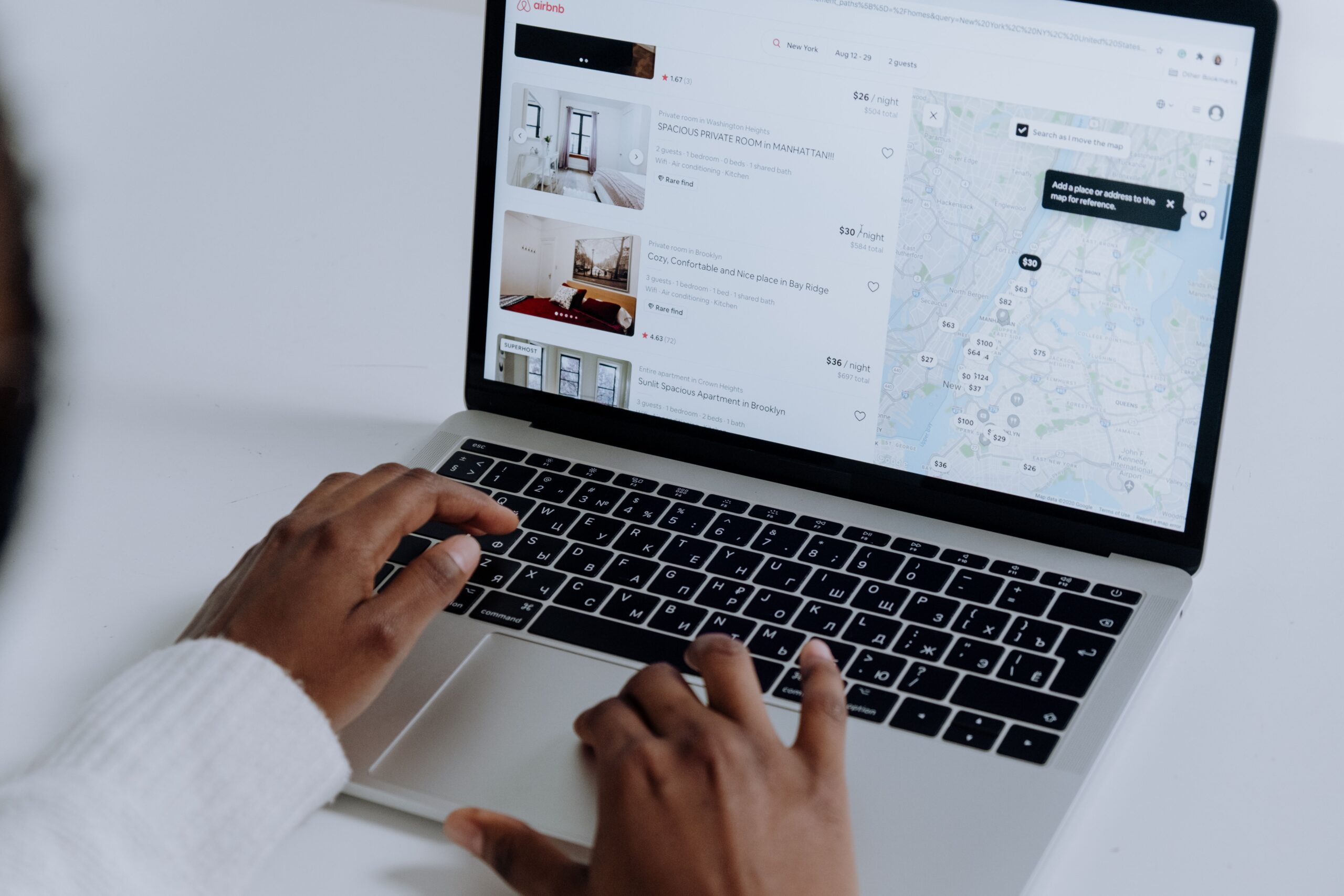
The same general premises liability principles can apply whether you booked a property through Airbnb, Vrbo, another rental platform, a property management website, or directly from the owner. The booking platform is only one part of the investigation. The more important question is who had legal responsibility for the property condition that caused the injury.
A direct rental may make the owner easier to identify, while platform-based reservations can involve additional parties and contractual arrangements. Regardless of how the rental was booked, preserve the rental agreement, listing information, payment records, and communications.
Can You Sue If The Vacation Rental Was In Another State?
Yes, potentially. An accident occurring outside your home state can make a premises liability claim more complicated. The law governing the accident will often depend heavily on where the property and injury were located, and questions may arise regarding where a lawsuit should be filed.
This matters because states have different rules concerning premises liability, comparative negligence, damages, statutes of limitations, evidence, notice requirements, insurance claims, and other issues.
How Long Do You Have To File an Airbnb Slip And Fall Lawsuit?
There is no single nationwide deadline for filing an Airbnb slip-and-fall lawsuit. Each state establishes its own statute of limitations, and additional rules may apply depending on the defendant and circumstances.
Missing an applicable deadline can prevent a lawsuit from proceeding. Waiting can also weaken a claim because surveillance footage may be deleted, witnesses may become difficult to locate, property conditions may change, maintenance records may become harder to obtain, and online listing information may disappear.
What Can Make An Airbnb Slip-and-Fall Case Stronger?
A strong claim is typically supported by several forms of evidence that work together. For example, suppose a guest falls because of a damaged stair railing. Photographs establish the defective condition, while messages show that a previous guest reported the problem. Maintenance records indicate that the property manager received the complaint but did not arrange repairs. Medical records establish that the fall caused a fracture, and employment records demonstrate that the injury prevented the guest from working.
What If A Warning Sign Was Present?
A warning sign does not necessarily eliminate liability. Its effectiveness depends on the circumstances surrounding the hazard. Relevant questions may include whether the warning was visible, accurately described the danger, was positioned where guests could reasonably see it, and provided sufficient notice of the actual risk. The investigation may also consider whether the underlying condition remained unreasonably dangerous despite the warning. A host may argue that the warning was sufficient, while the injured guest may contend that it was inadequate or failed to address the full danger.
Why You Should Be Careful When Speaking With An Insurance Company
An insurance representative may contact you after the accident to gather information or evaluate a potential claim. Although you should always be truthful, avoid guessing about facts you don’t know or making statements that minimize the severity of your injuries.
Some injuries initially appear minor but later require extensive treatment. Statements made early in the process may therefore become relevant when an insurer evaluates your claim.
Before providing a recorded statement or signing a settlement agreement, consider obtaining legal advice if your injuries are serious or liability is disputed. A legally binding settlement may prevent you from seeking additional compensation for the same injuries.
When Should You Talk To A Slip And Fall Attorney?
You may benefit from speaking with a personal injury attorney when you have suffered a serious injury, require surgery or extensive treatment, cannot work, or face a dispute over liability or insurance coverage. Legal guidance may also be particularly useful when multiple parties could be responsible, the property is located in another state, the rental platform is involved, the host blames you, the dangerous condition was repaired after the accident, or you are approaching a filing deadline.
An attorney can investigate the property, identify potentially responsible parties, review insurance coverage, preserve evidence, communicate with insurers, calculate damages, and determine whether negotiation or litigation is appropriate. Not every slip and fall requires a lawsuit. Some claims may be resolved through an insurance settlement, while others may require litigation when liability or damages cannot be resolved through negotiations.
How A Slip And Fall Attorney Can Investigate An Airbnb Accident
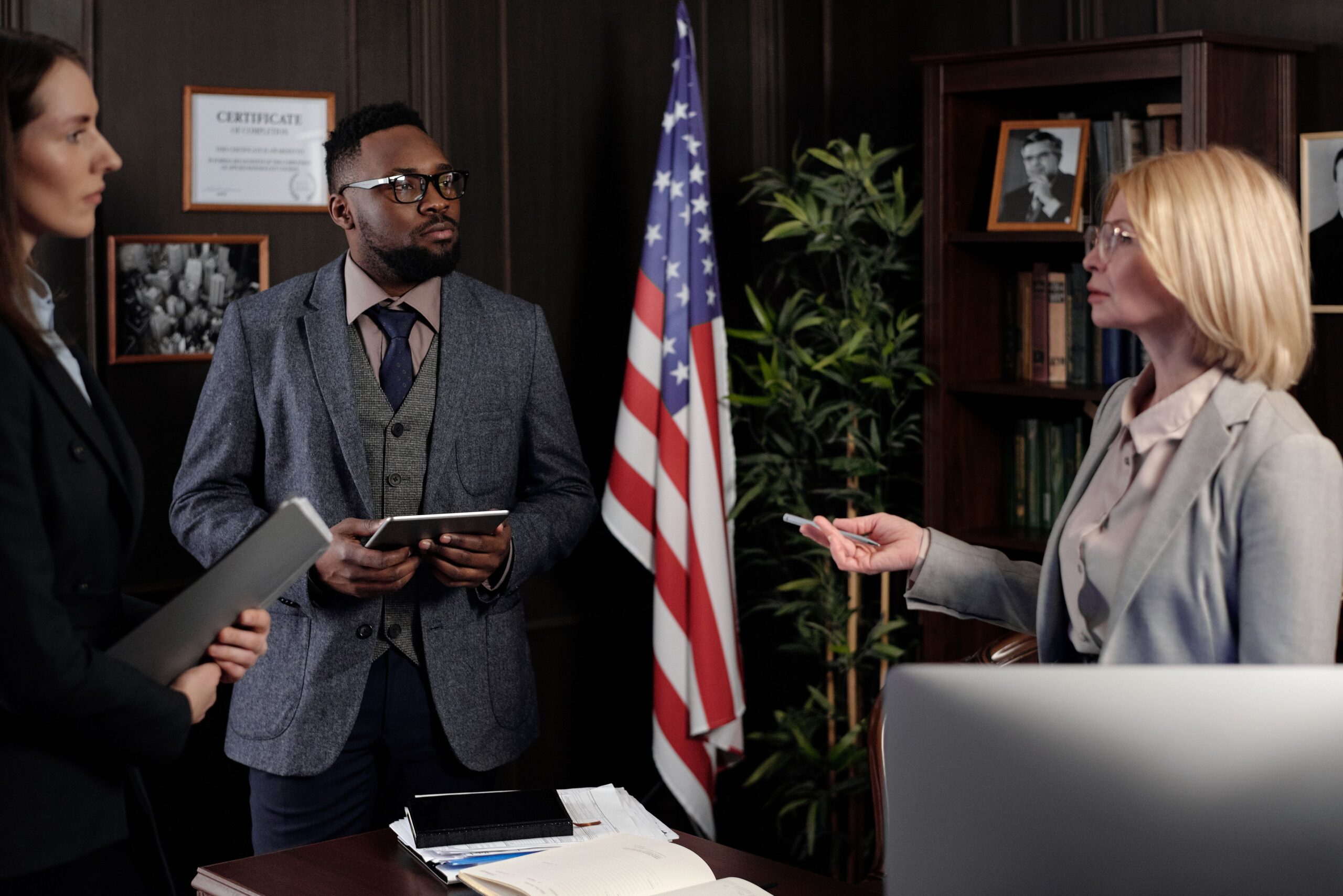
A thorough investigation may extend beyond reviewing your description of the accident. Depending on the circumstances, an attorney may seek property ownership information, management agreements, maintenance and inspection records, cleaning logs, prior complaints, incident reports, photographs, surveillance footage, witness statements, Airbnb communications, rental records, insurance information, building code information, repair records, and contractor information.
The investigation may also determine whether similar hazards were reported previously. Evidence of earlier complaints or maintenance requests can be important when determining whether a property owner, manager, or another responsible party had actual or constructive notice of the condition.
Should You Sue The Airbnb Host Or The Property Owner?
The appropriate defendant depends on who was responsible for the dangerous condition. The host may own the property, manage it for another owner, or have limited responsibilities. A management company may control maintenance, while a contractor may have performed defective work that created the hazard.
Common Mistakes After An Airbnb Slip And Fall
- Assuming the Fall Is Too Minor To Report: Even when pain initially appears manageable, reporting the accident and preserving evidence can become important if symptoms worsen or additional treatment is required.
- Failing to Photograph the Hazard: If the condition is repaired or removed shortly after the accident, photographs may be some of the most important evidence showing what existed when you fell.
- Throwing Away Relevant Items: Shoes, clothing, and other items involved in the accident may have evidentiary value, so they should be preserved when appropriate.
- Waiting Too Long For Medical Care: Prompt medical evaluation can protect your health and create documentation connecting your injuries to the accident.
- Assuming Airbnb Automatically Pays: Airbnb’s Host Liability Insurance applies only to qualifying circumstances in which a host is legally responsible and remains subject to policy terms, conditions, and exclusions.
- Assuming the Host Is Automatically Liable: A fall on rental property does not by itself establish that the host or owner was negligent. The cause of the hazard, notice, control, and applicable legal duties must be evaluated.
- Accepting A Settlement Too Quickly: A settlement may permanently resolve a claim. Before accepting an offer, consider whether you understand the full extent of your injuries, future treatment needs, financial losses, and the terms of the agreement.
Conclusion
A slip and fall at an Airbnb or vacation rental can be more complicated than an accident at a traditional hotel because several parties may be involved in owning, managing, cleaning, maintaining, and insuring the property. Still, an injury at a vacation rental does not mean you have no legal options.
If an unsafe condition caused your accident and another party failed to take reasonable steps to protect guests, you may have grounds for a premises liability claim. Important questions include who controlled the property, who was responsible for the hazard, whether that party knew or should have known about the condition, whether the condition caused your injury, and what losses resulted.
Airbnb’s Host Liability Insurance may provide coverage in qualifying circumstances when a host is legally responsible for a guest’s bodily injury, but coverage remains subject to applicable terms, conditions, eligibility requirements, and exclusions. It also does not automatically establish that Airbnb itself is liable.
If you are injured, preserve photographs, videos, rental records, communications, medical documentation, witness information, and other relevant evidence as soon as possible. Avoid speculating about fault or minimizing your injuries, and be mindful of applicable filing deadlines.
Frequently Asked Questions
1. Can You Sue For A Slip And Fall At An Airbnb?
Yes, potentially. If a dangerous property condition caused your fall and the property owner, host, manager, or another responsible party was negligent, you may have a premises liability claim.
2. Is Airbnb Liable If I Get Injured At A Vacation Rental?
Not automatically. Responsibility may instead belong to the property owner, host, management company, maintenance contractor, or another party. Airbnb’s Host Liability Insurance may cover certain situations where a host is legally responsible, but that coverage does not automatically make Airbnb itself liable.
3. What Evidence Do I Need After An Airbnb Slip And Fall?
Useful evidence includes photographs and videos of the hazard, medical records, medical bills, witness information, rental documents, host communications, listing screenshots, incident reports, maintenance records, and proof of lost income.
4. How Much Is An Airbnb Slip And Fall Claim Worth?
There is no standard settlement amount. Potential compensation depends on factors such as injury severity, medical expenses, future treatment, lost income, pain and suffering, liability, insurance coverage, comparative fault, and other applicable damages.
5. Should I Hire A Lawyer After An Airbnb Slip And Fall?
Consider consulting Phoenix Injury Attorneys when your injuries are significant, liability is disputed, an insurer refuses to pay, multiple parties may be responsible, or the accident occurred in another state.