


Key Takeaways
- Think safety first. Get everyone away from danger and get immediate medical assistance, even for minor injuries.
- Photograph the accident, gather witness information, and organize medical and legal records.
- Speak only to trusted parties such as doctors, insurance companies, and attorneys to safeguard your loved one.
- Supporting a loved one after an accident means being present, listening without judgment, and helping with daily tasks to ease their recovery.
- Stay patient, encourage professional help if needed, offer positive distractions, and check in regularly to show your continued care and support.
- Care for yourself, the caregiver, by establishing boundaries, getting support, and knowing when to seek professional assistance.
How you can help a loved one after an accident. Many of them require assistance with everyday tasks, such as meals, transportation, or managing paperwork. Others need quiet or simply a good listener. Providing explicit details about their care plan or next steps can alleviate anxiety. If they ask, offer to speak with their doctor or assist with follow-ups. Your role may shift as they recover. On some days, your assistance would be practical, and on others, it would require little more than patience and a quiet demeanor. Below are practical steps and guidance to help you support a loved one after an accident, from immediate response to long-term recovery.

Your First Response After the Accident
Accidents are jarring and chaotic. Your decisions in those initial moments establish the recovery trajectory both physically and emotionally. Knowing what to do lets you support your loved one with compassion and calm clarity.
1. Ensure Safety
Move everyone away from traffic or any immediate source of danger to prevent further harm. This is especially important on busy roads or in unfamiliar surroundings. Check each person carefully for visible injuries such as bleeding, swelling, or disorientation. If someone appears seriously injured, avoid moving them unless there is immediate danger, and provide basic first aid only if you are trained to do so.
Accidents can be emotionally overwhelming. Many people experience shock, confusion, or anxiety in the moments and days following a traumatic event. Speak calmly, use simple language, and offer steady reassurance. Your composure can help reduce fear and create a sense of stability during a chaotic situation.
2. Seek Medical Care
Even small injuries can turn chronic. Always seek medical assistance, even with minimal pain. Record every treatment and medical visit. These notes assist with claims and follow-up care. After a while, delayed symptoms such as headaches, pain, or insomnia may emerge, so heed doctors’ orders and treatment. Collect and store bills, prescriptions, and receipts in one place. This easy action is useful when you have to demonstrate expenses to insurance or employers.
3. Document Everything
As soon as things cool down, record the time, date, weather, and the events. Photograph everything: cars, roads, wounds, anything that documents what occurred. Get bystanders’ names and contact info; their testimony might assist down the line. Document all conversations with physicians and law enforcement. Put it all in a folder or digital file.
4. Report the Incident
Call the police and file a report, even on small accidents. This report is your official documentation. Inform your insurance company of the accident, lay out the facts, plain and honest. Don’t speculate or take fault. Request status updates so things don’t fall through the cracks.
5. Limit Communication
Don’t post accident details or photos on social. Speak only to your insurance or lawyer about the incident. Be careful what you say if they question. Be factual, no blame, no stories, no strong emotions. This shields your loved one legally and emotionally.
Handling the Legal and Medical Challenges After an Accident
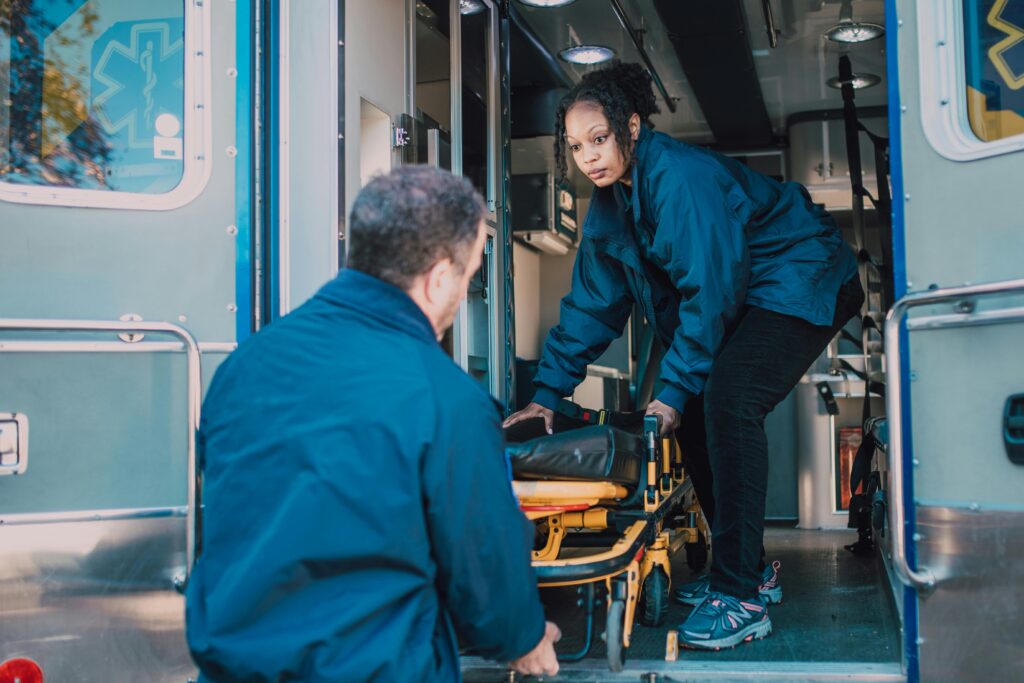
After an accident, you have more than the initial shock and pain to deal with. Now it’s a labyrinth of medical, insurance, and legal processes. They all have their own regulations that you need to navigate through. Understanding the fundamentals of these systems will help you reduce stress and make more informed decisions for your family member. Begin with a timeline of what occurred, from the accident itself to every doctor visit or call. This allows you to identify what requires action, what is absent, and how to situate logically for what’s to come. Work the systems by talking to people who know them, professionals like doctors and lawyers. Maintaining an open line of communication with all parties, including doctors, insurers, and legal counsel, prevents issues from festering.
Medical Coordination
Arrange all doctor’s visits, therapy, and follow-up care. Have your loved one checked even if injuries appear minor, as some pain or symptoms may develop later. Maintain a folder or computer file with all doctors’ notes, reports, and test results. It’s more manageable to stay on top of progress, bills, care plans, and more this way. Inquire at each visit. Update them on new symptoms, mood changes, or sleep issues. PTSD or anxiety can manifest weeks afterward, so inform doctors of new fears or nightmares. If transport is difficult, seek out local health services or community organizations that may assist with rides. Having a regular schedule is reassuring and keeps the healing process progressing.
Insurance Claims
Understand how the claim process operates. Learn what your policy covers and the paperwork you require, such as medical receipts and evidence of lost income.
Organize your papers. Gather all your paperwork in one place. Having these on hand accelerates claims and keeps stress low.
Keep in contact with your insurance adjuster. Effective and frequent communication keeps you out of trouble.
Tracking Your Claim: Following up on your claim’s status regularly. If you don’t receive updates, follow up to ensure progress is being made.
Legal Options
Understanding legal deadlines is critical after an accident. Every state has a statute of limitations that sets a time limit for filing a personal injury claim. Missing this deadline may prevent your loved one from seeking compensation for medical expenses, lost income, and other damages. Consulting with an attorney early can help ensure that all paperwork is filed properly and promptly. If fault is disputed or injuries are serious, legal guidance can provide clarity and protect your loved one’s rights throughout the claims process.
Provide Meaningful Emotional Support
After an accident, your loved one may suffer from physical and emotional pain. Emotional wounds present themselves in various forms, from mood swings to nervousness or silence. What’s helpful one day can feel overwhelming the next, so be attentive to cues that indicate when to provide support and when to give them breathing room. The appropriate emotional support makes your loved one feel visible and secure and makes the path to recovery less isolated.
Active Listening
Give meaningful emotional support. Give them your attention. Put down the devices and look at them. Don’t cut her off or interrupt with counsel. This allows them to express thoughts or anxieties openly, believing you won’t criticize or hurry them. Demonstrate that you’re listening by nodding or echoing back a few key words. For instance, if they say they’re scared to walk outside, answer with, “It feels dangerous, doesn’t it?” This helps reduce their anxiety and engenders confidence.
Listening includes being patient with silence. Sometimes words don’t come out right away. If they need to drop the subject or switch gears, allow them and embrace what they can offer in the moment.
Validate Feelings
Emotions post-trauma can be raw. Assure them that it’s okay to be hurt, to be angry, or to feel adrift. Small comments such as “anyone would” go a long way. This type of wording comforts them that their responses are justified. If it’s appropriate, share an experience of your own when you experienced a setback or felt down to let them know they’re not alone. If you see indications that their feelings are overwhelming, such as not eating or sleeping, softly encourage professional assistance.
Encourage Patience
Recovery doesn’t happen overnight. Tell your loved one that recovery is going to take time, and it’s okay to go slow. Assist with meaningful emotional support and help shatter large goals into smaller tasks. Take a walk and sleep through the night. Celebrate wins, even small ones, to fill their sails! If stumbles occur, be nearby with words that emphasize their determination and fortitude.
Respect Independence
Allow your loved one to decide what they need or when to speak. Offer support thoughtfully and respectfully, and be mindful not to overwhelm them with advice or assumptions. Support with purpose and pull away if they want to give it a shot solo. Recognize and compliment their strengths, such as cooking a meal or phoning a friend. This maintains their identity robustly, even as you care for them.
Managing the Home Environment
Post-accident, your home must work for your loved one’s recuperation and not against it. You want their environment to be secure, peaceful, and fluid to navigate daily, regardless of their physical or cognitive limitations. Small adjustments go a long way in comfort, safety, and peace of mind.
Adapt Living Spaces
Begin by carefully checking each room for potential hazards. Rearrange furniture to create broad, unobstructed pathways for walkers, crutches, or wheelchairs. Get rid of rugs or loose cables that might trip someone. Install grab bars around toilets and showers, and slip-resistant mats in bathtubs. If your sweetheart has trouble reaching, keep everyday objects like water bottles, phones, or books within arm’s reach on tables or shelves.
Consider installing assistive devices. A bidet seat assists with cleaning for those with physical limitations. Hygiene slings used to work well in hospital beds and made cleaning easier. We use adult bed pads that can be washed as often as necessary to help control incontinence. For a relaxing vibe, open up the natural light and stay neat. If your loved one lives with a mental illness, additional focus on gentle lighting and calming design can help alleviate strain.
Assist with Daily Tasks
Cooking, cleaning, and mobility can be just way too much after an injury. Assist with cooking, keep the recipes easy, or bring pre-made meals. Volunteer to grocery shop or pick up medicines. For those who require assistance with bathing, toileting, and dressing, utilize no-rinse soap, a can of shaving cream, or other gentle products to maintain skin hygiene. When your loved one is homebound, a hygiene sling and bed pads make personal care less stressful for both of you.
You can assist by taking care of tasks such as doing the laundry and cleaning up. Promote light activity, such as stretching or brief walks, if their physician approves. This keeps their body and mind engaged without overdoing it.
Organize Information
Maintain a centralized location for medical and legal paperwork. Have a digital folder or binder for bills and insurance papers, medication lists, and doctor notes. Mark upcoming appointments on a shared calendar. Monitor your loved one’s health fluctuations, such as new symptoms or improvement, and communicate updates with relatives or care teams.
Ensure that everyone who assists is aware of where to access this information. Simple steps such as these can prevent minor annoyances from escalating into major headaches and keep you ahead of caregiving chores.
The Hidden Weight and Impact of Being a Caregiver
Post-accident, your caregiver role remains invisible. You become the mediator between your family member and clinicians. You’re the one assisting with day-to-day activities, facilitating emotional healing, and maintaining a protective environment in the home. To be a caregiver is to surrender peace of mind and sleep, and occasionally your schedule. The difference you make is profound. Your support influences your loved one’s recovery and accommodation to new challenges.
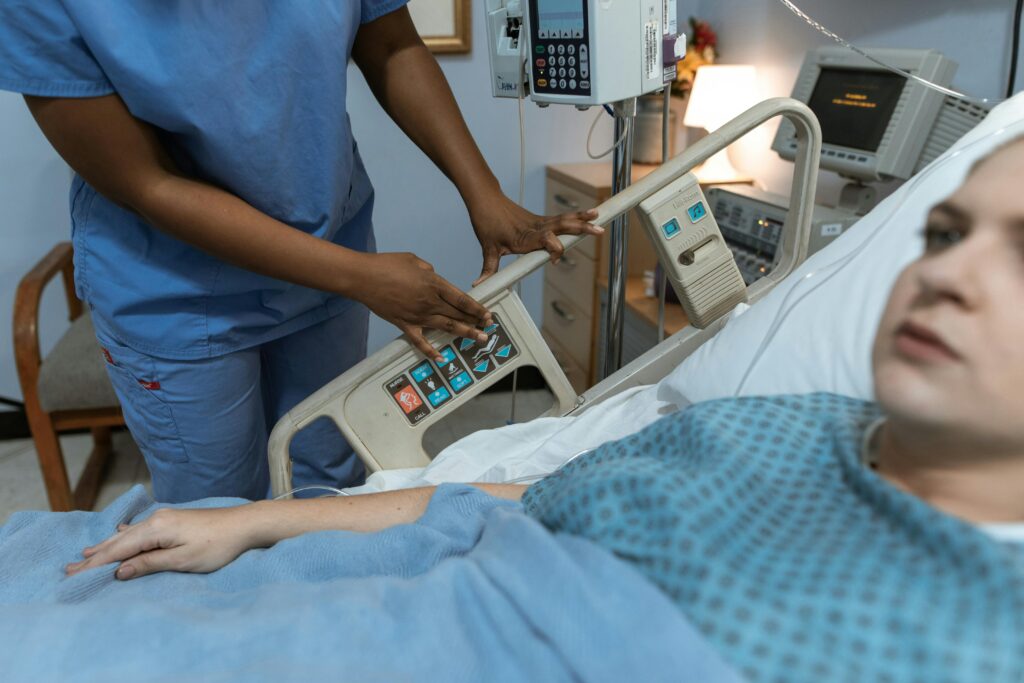
Your Well-being
You’ve got to take care of yourself first. Caregiving is lonely, particularly during hard seasons when you feel isolated from others. Plan week breaks even if it’s just a walk or a cup of tea. These moments ground you and prevent stress from compounding.
Make an effort to maintain your interests, be it reading, light exercise, or a hobby. This can help your mind and body remain resilient. Be on the lookout for caregiver burnout, especially if you start to feel irritable or constantly exhausted. Once you observe these symptoms, contact someone for assistance. Talk to friends, sign up for an online support group, or recruit another family member to step in for a few hours. Making this connection can help remind you that you’re not alone.
Setting Boundaries
Put boundaries on what you can assume. Assist your survivor in comprehending when you’re able to be there and when you require time away. Be truthful but considerate. If you’re requested to do more than you can reasonably handle, it’s fine to say no. That safeguards your own well-being so you can continue to care. Tap others in your circle, such as brothers or sisters or close friends, to assist. Splitting the burden staves off exhaustion and maintains your connection.
Finding Support
Contact local caregiver groups or online communities to bond with those who relate to your experience. Professional counseling can assist you in sifting through feelings of anger, sadness, or worry. Most communities have resources for caregivers, including home care assistance, counseling, or transportation. Continue to discuss with your loved one the necessity of support from both sides. These open conversations can make the path forward easier and less isolated.
Recognizing When Professional Help Is Necessary
Knowing when to involve a pro is crucial when assisting a loved one post-accident. Certain warning signs require immediate attention, and certain issues require professional assistance for optimal outcomes. Many folks attempt to handle things themselves, but some problems are just too difficult or dangerous to handle without external assistance.
If your loved one has intense fear, panic, or worry that refuses to subside, it might be trauma or PTSD. If they have flashbacks, nightmares, or feel scared riding in a car weeks after the accident, a mental health professional can help. They know how to work with victims of traumatic events and offer them outlets to process and recover. Recommending a session with a counselor or therapist is not a defeat. It’s about bringing in the right assistance at the moment to prevent further escalation.
When physical injuries occur, even if they appear minor at first, have a medical check on the day of the accident. Certain injuries manifest themselves later and can deteriorate without appropriate treatment. Doctors can detect underlying issues, manage pain, or send your loved one for additional treatment. If the accident is severe, if police respond, or if there’s property damage above $2,000, they’ll write a report. You’ll often require this report for insurance or court proceedings. It’s savvy to maintain your own notes and photos to support your side if issues arise later.
When to bring in the pros about legal help is crucial if the matter is complicated. If there are tricky laws, insurance rules, or if your loved one feels lost reading insurance letters, a personal injury lawyer can step in. In states such as Arizona, if you miss the deadline to file a claim, you forfeit your right to get paid. A lawyer knows these deadlines and can fight for reasonable compensation. If there’s any question about fault or the injuries are serious, a legal expert keeps it fair and transparent.
Conclusion
To assist your loved one post-accident, simple measures are most effective. Be there, hear them out, and be patient. Assistance with little everyday things, such as meals or rides, can provide tremendous solace. Don’t rush them or push too hard. Every day is different, so check in often. Make it safe and calm at home. If stress or worry feels overwhelming, seek professional assistance. You know your dear one best. Your care grounds them as they recover. If you want more tips or assistance with next steps, contact me. You don’t have to do this by yourself.
Frequently Asked Questions
How should you respond first when a loved one has an accident?
Look for danger and ensure safety. Call 911 if necessary. Be cool, calm, and reassuring. Your immediate, decisive response can save your loved one’s sense of security and mitigate additional damage.
What steps can you take to support your loved one emotionally?
Listen non-judgmentally. Be open to talking. Bring them comfort and patience. How to support a loved one after an accident. Let them know you care and are there for them. There’s nothing more helpful than a steady, supportive presence for them as they recover.
How can you help your loved one navigate the medical and legal systems?
Assist in organizing appointments, papers, and directions. Be inquisitive and jot down notes at meetings. Be their advocate. Your organization and support can ease their stress and confusion.
What are simple ways to make the home safer after an accident?
Eliminate hazards such as loose rugs or clutter. Rearrange furniture for easy navigation. Add lights and safety gear if necessary. Your mindfulness about their surroundings can protect against additional harm.
When should you seek professional help for your loved one?
If your loved one has severe injuries, chronic pain, or psychological issues, reach out to a medical professional. The earlier you can help, the better. Trust your gut and reach out if you are uncertain.
What is the caregiver’s role in the recovery process?
You offer physical assistance, emotional support, and motivation. Being there for and advocating for your loved one helps them heal and adjust to their new situation. Remember, your well-being matters too. Take breaks when you need.
How can you take care of yourself while caring for a loved one?
Establish limits and request assistance when necessary. Take breaks for your well-being. Keep in touch with the outside world. Taking care of yourself enables you to take better care of your loved one.