

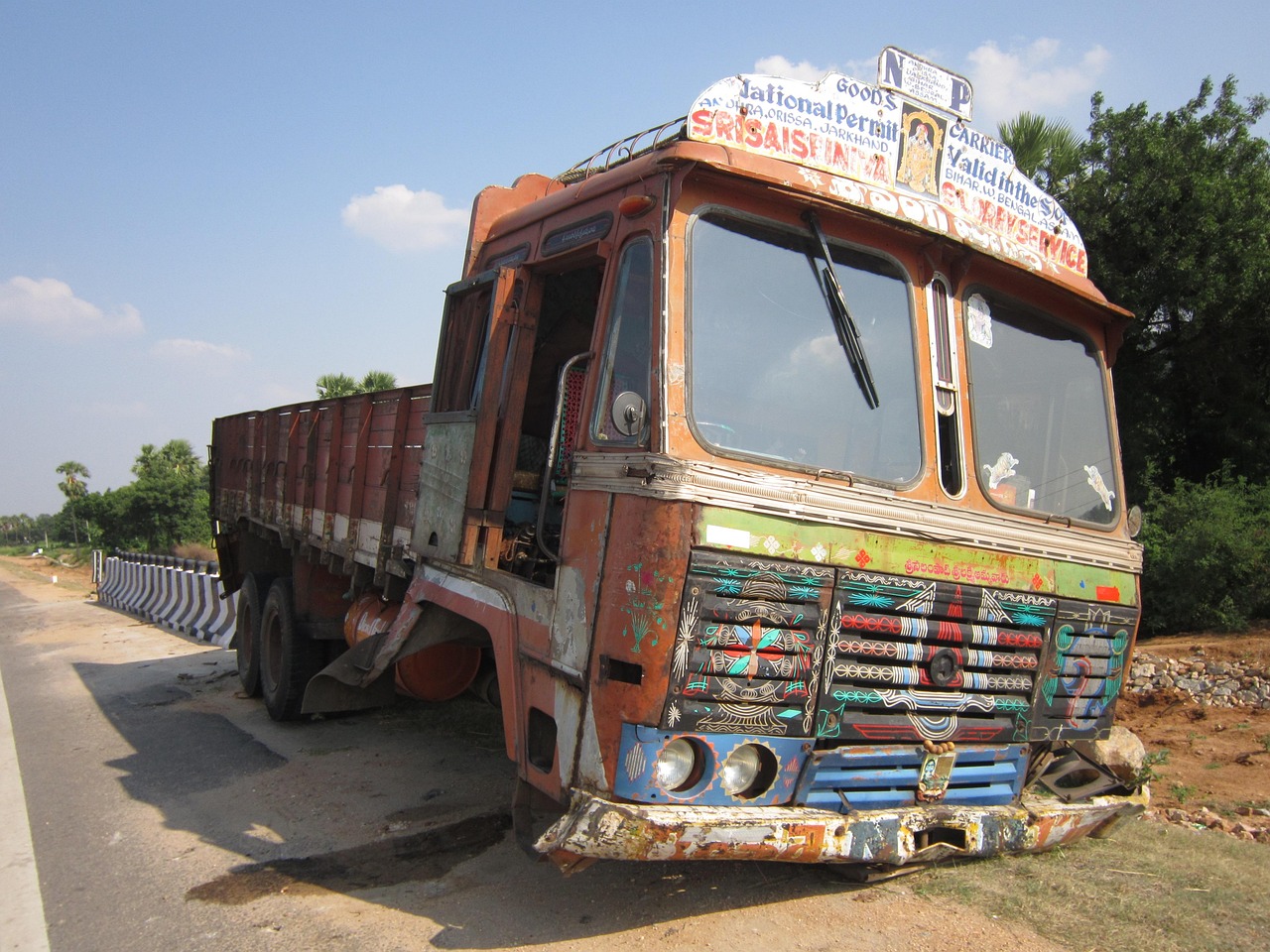
Being hit by an 18-wheeler can be one of the most frightening experiences a person can face on the road. Commercial trucks are far larger and heavier than passenger vehicles, which means a collision can cause severe injuries, extensive vehicle damage, and complicated insurance and liability issues.
In the moments after a crash, you may be injured, disoriented, or unsure about what happened. Even so, the steps you take can affect your safety, your medical recovery, and your ability to pursue compensation later.
Your first priority should always be getting to safety and receiving appropriate medical care. After that, documenting the crash, gathering basic information, preserving evidence, and being cautious when speaking with insurance companies can all be important.
Truck accident cases may involve more than the 18-wheeler driver. Depending on the circumstances, the trucking company, vehicle owner, maintenance provider, cargo company, manufacturer, or another business may share responsibility.
If you or someone you love has been injured in an 18-wheeler accident, understanding what to do next can help protect your rights and prevent avoidable mistakes.
Key Takeaways
After an 18-wheeler crash, seek medical attention and call 911 as soon as possible. If it is safe and you are physically able, photograph the vehicles, roadway, traffic conditions, visible injuries, debris, and other relevant evidence.
Exchange information with the truck driver and identify the trucking company, but avoid admitting fault or guessing about what caused the crash. Keep medical records, bills, photographs, repair estimates, wage documentation, and insurance correspondence.
Be cautious about recorded statements and early settlement offers. Truck accidents can involve several responsible parties and complex evidence, including driver records, maintenance documents, electronic vehicle data, and cargo information.
In Arizona, personal injury claims are generally subject to a two-year statute of limitations under A.R.S. § 12-542, although exceptions and other deadlines can apply.
What Should You Do Immediately After an 18-Wheeler Accident?
The moments after a commercial truck collision can be chaotic. You may not immediately know whether you are seriously injured, whether the vehicles are safe to approach, or what caused the accident.
If possible, focus first on protecting yourself and anyone else who may be in danger.
Move to a Safe Location If Possible
If your vehicle can be moved and doing so is safe, move away from active traffic and turn on your hazard lights.
Do not move yourself unnecessarily if you believe you have suffered a serious injury. Truck collisions can cause head, neck, spinal, and internal injuries that may worsen with movement.
Large crashes may also leave broken glass, metal debris, leaking fluids, damaged cargo, or disabled vehicles in the roadway. Do not place yourself in danger simply to collect evidence.
Call 911
Call 911 as soon as possible.
Emergency responders can provide medical assistance, manage traffic hazards, and document the collision. Law enforcement officers may identify the drivers and vehicles, speak with witnesses, note roadway conditions, and prepare a police report.
The police report can become an important part of a later claim, although it is not necessarily the only evidence used to determine fault.
When speaking with officers, provide accurate information but avoid guessing about details you do not know. If you are unsure what caused the crash, it is better to say so than to speculate.
Seek Medical Attention
Medical care should be a priority after a collision with a large commercial truck.
Some injuries are obvious immediately, while others may take hours or days to become noticeable. Head injuries, soft-tissue injuries, internal injuries, and back or neck problems may not always produce immediate symptoms.
A medical evaluation can help identify injuries and create documentation linking your condition to the accident.
Follow your healthcare provider’s recommendations and keep copies of medical records, bills, prescriptions, diagnostic reports, and treatment instructions. If symptoms develop or worsen, seek additional care.
Should You Take Pictures After an 18-Wheeler Crash?
If you are physically able and the scene is safe, photographs and videos can preserve important evidence.
Truck accident scenes often change quickly. Vehicles may be moved, debris may be cleared, traffic patterns may return to normal, weather conditions may change, and physical evidence can disappear.
Photographs may help document vehicle positions, impact damage, skid marks, debris, traffic lights, signs, lane markings, weather conditions, and visible injuries.
It can also be useful to photograph identifying information on the truck and trailer, including company markings, license plates, vehicle numbers, and other visible information.
Your safety comes first. If the roadway is dangerous or you are seriously injured, allow law enforcement and investigators to handle evidence collection.
What Information Should You Get From the Truck Driver?
If you can safely exchange information, obtain the truck driver’s name, driver’s license information, insurance information, and information identifying the trucking company.
You should also record the truck’s license plate, vehicle number, trailer number, and any company names or logos appearing on the truck.
Commercial trucking operations can involve several different companies. The business operating the tractor may not own the trailer. A separate carrier may employ the driver, while another company may handle maintenance or cargo.
For this reason, the company name printed on the truck may not tell the entire story.
If there are witnesses, ask for their names and contact information as well. Independent witnesses may later provide valuable information about how the collision happened.
Should You Talk to the Trucking Company’s Insurance Company?
An insurance company may contact you shortly after the accident.
You should be careful about making detailed statements before you understand the full circumstances of the crash and the extent of your injuries.
Insurance adjusters may ask how the accident happened, whether you were injured, whether you were wearing a seat belt, how you are feeling, or whether you believe you contributed to the crash.
Answer necessary questions truthfully, but avoid speculation. Statements such as “I feel fine” or “I might have been partly responsible” can later be interpreted in ways you did not intend.
You should also be cautious about recorded statements. Before providing one, consider obtaining legal advice, especially when the collision resulted in serious injuries.
Early settlement offers also deserve careful review. The full impact of an injury may not be known immediately. You may still need surgery, rehabilitation, additional testing, or time away from work.
Once you sign a settlement and release, you may give up the right to seek further compensation for the same claim.
What If You Think the 18-Wheeler Driver Caused the Crash?
The truck driver may potentially be responsible when careless or unsafe driving contributes to a collision.
Common examples can include speeding, following too closely, distracted driving, fatigue, unsafe lane changes, failure to yield, impaired driving, or failing to respond appropriately to traffic and roadway conditions.
However, truck accident liability is often more complicated than simply determining whether the driver made a mistake.
The trucking company may have contributed to the crash through unsafe scheduling, inadequate maintenance, poor supervision, or other practices. A maintenance contractor may have performed defective repairs. A cargo company may have improperly loaded or secured freight.
A thorough investigation is often necessary before determining who should be held responsible.
Could the Trucking Company Be Liable?
Yes, depending on the circumstances.
A trucking company may face liability when its own negligence contributes to an accident. An investigation may examine whether the company properly supervised the driver, maintained the vehicle, followed safety procedures, or responded appropriately to known problems.
The company may also possess important evidence, including driver qualification records, inspection documents, maintenance records, internal communications, dispatch information, and electronic data.
These records can help establish what happened before the crash and whether the company knew about conditions that increased the risk of an accident.
What If Poor Truck Maintenance Caused the Crash?
Not every truck accident results from driver behavior.
Commercial motor carriers generally have responsibilities to systematically inspect, repair, and maintain vehicles under their control.
Brake problems, tire failures, steering defects, damaged suspension components, lighting failures, and other mechanical issues can contribute to serious accidents.
If a mechanical defect played a role, investigators may examine when the problem developed, whether the trucking company knew or should have known about it, whether inspections identified the defect, and whether appropriate repairs were completed.
Maintenance-related claims can involve trucking companies, outside repair facilities, parts manufacturers, or other parties depending on the cause of the failure.
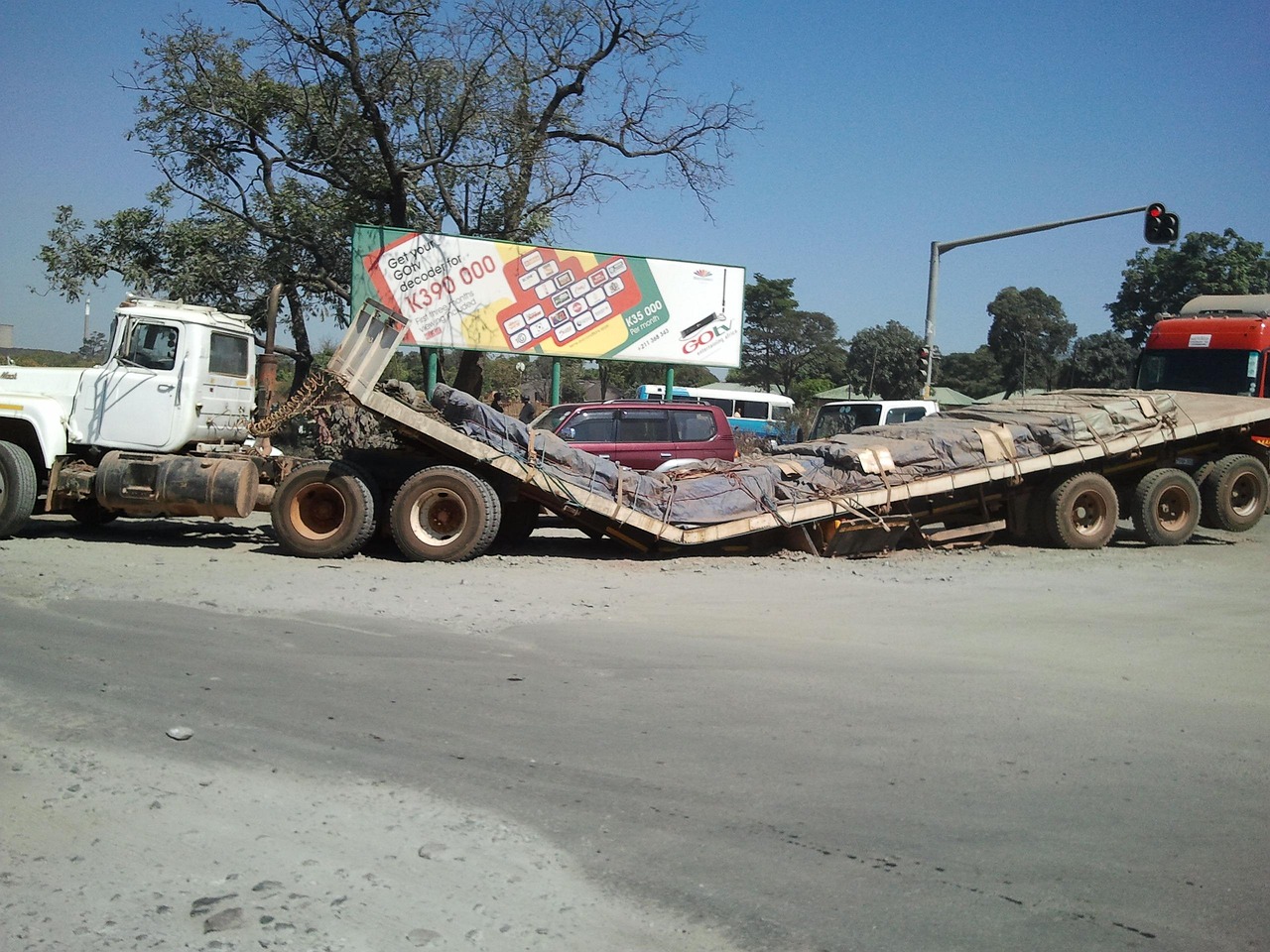
What If the Truck Was Carrying Cargo?
Cargo can also affect the safety of an 18-wheeler.
Improperly loaded or secured freight can shift while the truck is moving, change the vehicle’s balance, increase rollover risk, or fall into the roadway.
A cargo-related investigation may examine how the freight was loaded, whether it was secured correctly, whether the truck was overloaded, and which company was responsible for loading or securing it.
When improper cargo handling contributes to a crash, responsibility may extend beyond the truck driver.
What Evidence Can Help Prove an 18-Wheeler Accident Claim?
Evidence can be especially important in commercial truck cases because some information may be controlled by the trucking company or another business.
The police report can provide basic information about the crash. Photographs and videos may show vehicle damage, roadway conditions, debris, traffic controls, and injuries.
Witness statements can help describe the movements of the vehicles before impact.
Medical records document your injuries, treatment, diagnostic testing, medications, and recovery. Employment and wage records can help establish financial losses when injuries prevent you from working.
Truck-specific evidence may also be important. Depending on the circumstances, this can include maintenance records, inspection reports, driver records, company communications, electronic vehicle data, cargo documentation, and other business records.
The vehicles themselves may also contain important physical evidence.
For serious accidents, preserving the truck before it is repaired, sold, or dismantled can be critical to determining whether mechanical failure or another defect contributed to the crash.
Why Should You Contact a Truck Accident Lawyer Quickly?
Evidence can disappear over time.
Vehicles may be repaired, electronic data may be overwritten, security footage may be deleted, and witnesses may become more difficult to locate.
Trucking companies and their insurers may begin investigating almost immediately after a collision.
Contacting a truck accident lawyer early can give your legal team an opportunity to identify evidence and determine what should be preserved.
That does not necessarily mean a lawsuit must be filed immediately. An attorney can first review the facts, explain available options, and determine whether further investigation is appropriate.
What Compensation May Be Available After an 18-Wheeler Accident?
Compensation depends on the specific facts of the accident, the severity of the injuries, and applicable Arizona law.
Medical expenses are often an important part of a serious truck accident claim. These costs may include emergency treatment, hospitalization, surgery, diagnostic tests, physical therapy, medication, rehabilitation, and other necessary care.
Future medical expenses may also be considered when injuries require ongoing treatment.
If injuries prevent you from working, lost income may be part of the claim. Severe or permanent injuries can also affect your future earning capacity.
A truck accident may also lead to non-economic harm, including physical pain, emotional distress, loss of enjoyment of life, and limitations on everyday activities.
Property damage to your vehicle and other personal belongings may also be included.
There is no universal formula for determining the value of a truck accident claim. The amount depends on the evidence and the individual circumstances.
What Should You Avoid Doing After an 18-Wheeler Accident?
Avoid admitting fault before the crash has been fully investigated. Even if you believe you may have contributed in some way, the evidence may later reveal other causes you were unaware of.
Do not ignore medical symptoms or discontinue treatment without discussing the issue with your healthcare provider.
Preserve photographs, videos, medical records, bills, receipts, repair estimates, insurance documents, and communications related to the accident.
It is also generally wise to be cautious about social media. Posts, photographs, videos, or comments may be reviewed by insurance companies and could potentially be used to challenge your account of your injuries or activities.
Finally, do not sign a settlement release without understanding its consequences. An early offer may not account for future medical treatment, lost earning ability, or the full impact of serious injuries.
How Does a Truck Accident Lawyer Investigate an 18-Wheeler Crash?
A commercial truck accident lawyer may begin by reviewing the police report, photographs, witness accounts, medical documentation, and the basic circumstances of the collision.
The attorney may then identify the truck driver, carrier, vehicle owner, trailer owner, maintenance provider, cargo company, and other potentially relevant parties.
Truck-specific records may be requested and reviewed. These records can include inspection documents, maintenance histories, driver qualification records, electronic data, dispatch information, and company communications.
In a serious crash, accident reconstruction specialists or mechanical experts may also evaluate the vehicles and physical evidence.
The purpose of the investigation is to determine how the accident happened, whether negligence contributed to it, and which parties may have legal responsibility.
When Should You Contact a Truck Accident Attorney?
It may be appropriate to speak with a truck accident attorney soon after a serious collision, especially if you suffered significant injuries or the cause of the crash is disputed.
Legal guidance can be particularly valuable when several companies may be involved, the trucking company denies responsibility, you suspect a mechanical or cargo-related problem, or an insurance company is pressuring you to settle.
You may also want legal help if you cannot work because of your injuries, if your medical treatment is ongoing, or if a loved one was killed in the collision.
Arizona generally provides a two-year limitations period for personal injury claims under A.R.S. § 12-542, although exceptions and different deadlines can apply.
Because important evidence may disappear long before the legal deadline expires, waiting until the end of the limitations period can create unnecessary difficulties.
Conclusion
Being hit by an 18-wheeler can create medical, financial, and legal problems that extend far beyond the initial collision.
The most important steps are to protect your safety, obtain medical care, report the accident, preserve evidence, and avoid making unnecessary statements about fault.
Truck accidents can involve driver negligence, unsafe company practices, poor maintenance, defective equipment, improper cargo loading, or several contributing factors at once.
Because trucking companies and insurers may begin investigating quickly, preserving evidence early can make a significant difference.
If you have suffered serious injuries in an 18-wheeler crash, consulting an experienced truck accident attorney can help you understand what happened, identify potentially responsible parties, and determine what compensation may be available under Arizona law.
Frequently Asked Questions About 18-Wheeler Accidents
1. What should I do first after being hit by an 18-wheeler?
Get to a safe location if possible, call 911, and obtain medical attention. Once your immediate safety has been addressed, preserve information about the crash if you are able to do so safely.
2. Should I call the police after an 18-wheeler accident?
Yes. Law enforcement can help secure the scene, arrange emergency assistance, identify the people and vehicles involved, and create a record of the collision.
3. Do I need a truck accident lawyer if the trucking company admits fault?
It may still be helpful to speak with an attorney, particularly after a serious injury. Admitting responsibility for the crash does not necessarily resolve disagreements about damages, medical expenses, future losses, or insurance coverage.
4. What if I was partly responsible for the accident?
Do not automatically assume that you cannot pursue a claim. The effect of partial responsibility depends on the facts and applicable law. An attorney can review the evidence and explain how comparative fault may affect your case.
5. Can I sue the trucking company instead of the driver?
Potentially. Depending on the circumstances, responsibility may involve the driver, trucking company, vehicle owner, maintenance provider, cargo company, manufacturer, or another party.
6. What if my injuries did not appear immediately?
Some injuries develop symptoms gradually. Seek medical attention when symptoms appear and explain that they began after the accident. Follow your healthcare provider’s recommendations.
7. How long do I have to file a truck accident lawsuit in Arizona?
Arizona generally provides a two-year statute of limitations for actions involving personal injury under A.R.S. § 12-542. However, exceptions and other deadlines can apply, so the specific circumstances should be reviewed carefully.
Injured in a Truck Accident? Get a Lawyer Ready to Fight Back
A collision with a commercial truck can change your life in an instant. Because of their size and weight, semi-trucks, tractor-trailers, delivery trucks, and other commercial vehicles can cause catastrophic injuries, extensive property damage, and overwhelming medical expenses. If someone else’s negligence caused the crash, you may have the right to pursue compensation for what you’ve lost.
At Phoenix Injury Attorneys, we help truck accident victims take on trucking companies, drivers, insurers, and other responsible parties. Led by Khalil Chuck Saigh, our Arizona-based firm investigates the crash, gathers critical evidence, reviews driver and trucking company records, identifies every potentially liable party, and builds a strong claim focused on maximizing your recovery.
Truck accident cases can be far more complicated than ordinary car accident claims. Insurance companies may move quickly to protect themselves, dispute liability, minimize your injuries, or pressure you into accepting less than your case is worth. Phoenix Injury Attorneys are ready to protect your interests from the start.
If you or someone you love was hurt in a commercial truck crash, contact Phoenix Injury Attorneys today for a free and confidential case review. We’ll explain your legal options and fight for compensation for medical bills, lost income, pain and suffering, property damage, and other losses caused by the accident.
Disclaimer:
The information provided in this article is for educational and informational purposes only and is not intended as medical, legal, or professional advice. Always consult a qualified healthcare provider, toxicologist, or legal professional regarding any health concerns, chemical exposures, or potential claims. The author and publisher are not responsible for any actions taken based on the information in this article. Use and handle all household chemicals according to product instructions and safety guidelines.