
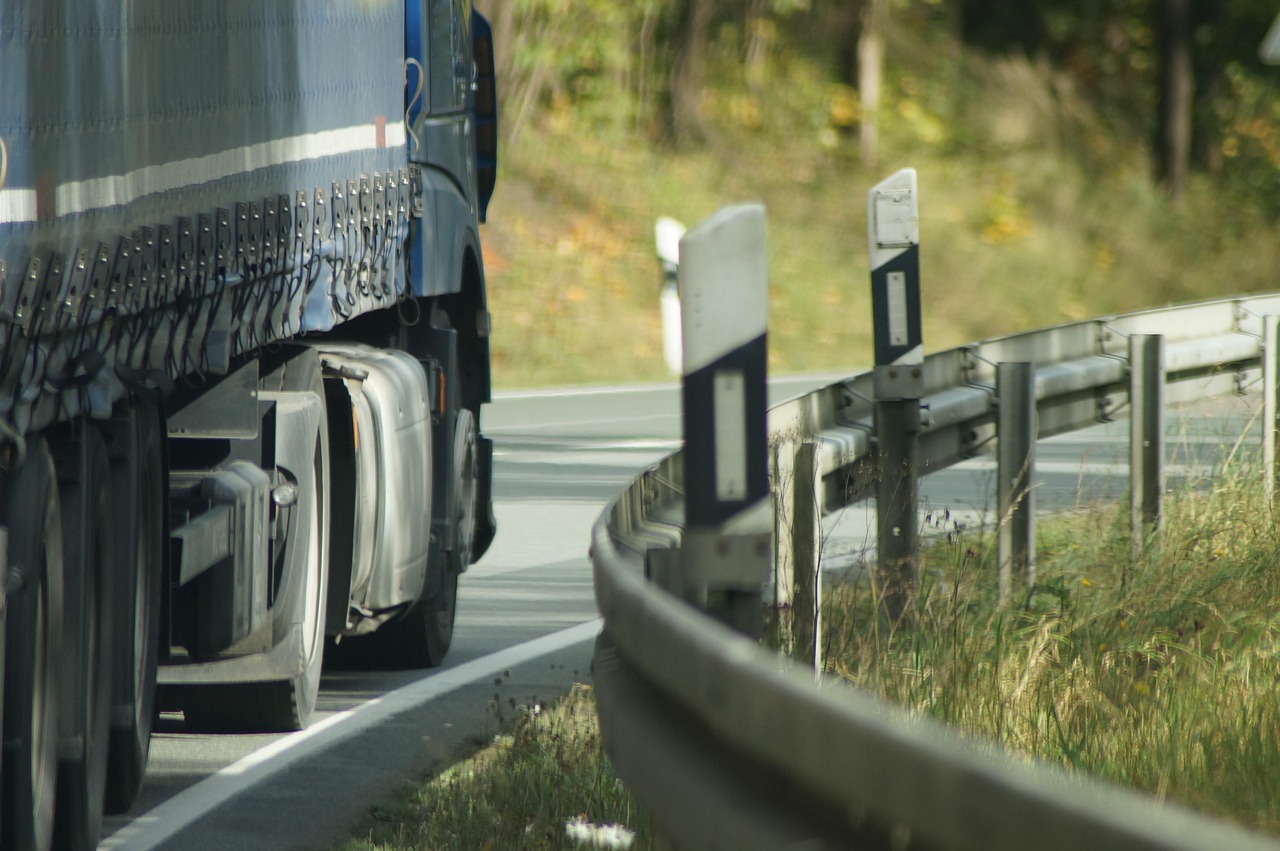
Commercial trucks travel long distances while carrying substantial loads, which places significant stress on their mechanical systems. Tractor-trailers, semi-trucks, delivery vehicles, and other commercial trucks rely on properly functioning brakes, tires, steering systems, suspension components, wheels, lights, and other equipment to operate safely.
When trucking companies or drivers fail to properly inspect, repair, and maintain these vehicles, a mechanical problem can contribute to a serious collision. Worn brakes may increase stopping distance, damaged tires can fail at highway speeds, and steering or suspension problems may cause a driver to lose control.
In some cases, the trucking company may have known about a dangerous condition before an accident but failed to correct it. A driver may also have reported a mechanical problem that was ignored or improperly repaired.
When negligent maintenance causes or contributes to a commercial truck accident, injured people may have grounds to pursue compensation. Determining whether maintenance played a role, however, often requires reviewing inspection reports, repair invoices, maintenance histories, driver reports, company communications, and the physical condition of the truck itself.
Understanding how truck maintenance affects liability can help explain why commercial vehicle accident claims are often more complicated than ordinary car accident cases.
Key Takeaways
- Poor truck maintenance can contribute to crashes involving brake failure, tire blowouts, steering problems, suspension defects, lighting failures, and other mechanical issues. Federal regulations require motor carriers to systematically inspect, repair, and maintain commercial motor vehicles under their control.
- Drivers also have responsibilities for identifying and reporting safety-related defects. If a trucking company allows a dangerous vehicle to remain in service despite knowing about a mechanical problem, that evidence may become important in a personal injury claim.
- Maintenance records, inspection reports, repair invoices, driver communications, and expert evaluations can help determine whether a mechanical defect contributed to a collision.
- Liability may involve the truck driver, trucking company, vehicle owner, maintenance contractor, manufacturer, leasing company, or another party depending on the circumstances.
Why Proper Truck Maintenance Matters
Commercial trucks operate under demanding conditions. Many travel hundreds of miles in a single day, carry heavy cargo, encounter changing weather conditions, and experience continuous wear on critical mechanical components.
Because of these operating demands, regular inspections and maintenance are essential.
Federal motor carrier regulations require carriers to systematically inspect, repair, and maintain commercial motor vehicles under their control. Parts and accessories that affect safe vehicle operation are expected to remain in safe and proper working condition.
Proper maintenance is not simply about preventing breakdowns. It is also an important part of preventing accidents.
A worn brake component, for example, may make it difficult for a fully loaded tractor-trailer to stop before reaching slowed traffic. A damaged tire can suddenly fail and cause the driver to lose control. Steering problems can prevent a truck from staying within its lane, while malfunctioning lights can make a large vehicle difficult to see at night.
Not every mechanical failure is caused by negligent maintenance. Components can sometimes fail unexpectedly even when appropriate maintenance has been performed. The central issue in a truck accident claim is often whether a dangerous condition should have been discovered and corrected before the crash.
Can Poor Truck Maintenance Lead to a Lawsuit?
Yes. Poor truck maintenance may support a lawsuit when negligent inspection, maintenance, or repair contributes to a collision that causes injuries or other losses.
The existence of a mechanical defect alone does not necessarily establish legal responsibility. Investigators generally need to determine what the problem was, when it developed, whether someone knew or should have known about it, and whether the defect contributed to the accident.
Consider a truck with severely worn brakes. If maintenance records show that the trucking company had previously been warned about the condition but delayed repairs, those records could become important evidence if the truck later fails to stop and causes a crash.
Similar questions can arise after tire failures, steering malfunctions, suspension problems, lighting defects, and other equipment failures.
A truck accident attorney may investigate whether the truck was properly inspected, whether defects were reported, whether required repairs were completed, who performed those repairs, and whether the vehicle was placed back into service despite an unresolved safety problem.
The attorney may also determine whether the mechanical defect actually contributed to the collision rather than simply being present on the vehicle.
What Federal Rules Apply to Truck Maintenance?
Federal regulations contain specific requirements addressing commercial vehicle inspection, repair, and maintenance.
Under federal motor carrier rules, carriers must systematically inspect, repair, and maintain vehicles under their control. This generally means a trucking company should have an organized maintenance program rather than waiting until a truck breaks down before addressing safety problems.
Maintenance schedules may vary depending on the type of vehicle, the distance it travels, the conditions in which it operates, and the manufacturer’s recommendations.
For that reason, a truck accident investigation may look beyond whether the vehicle recently visited a repair shop. Investigators may examine the trucking company’s entire maintenance program to determine whether it was reasonably designed and followed.
The condition of safety-related equipment is particularly important. Brakes, steering components, tires, suspension systems, wheels, lights, and other critical components must be maintained so the commercial vehicle can operate safely.
Common Maintenance Problems That Can Cause Truck Accidents
A number of mechanical systems may become relevant after a serious truck crash.
Brake Problems
Brakes are among the most important safety systems on a commercial truck.
Large trucks already require substantially more distance to stop than smaller passenger vehicles. When brake components are worn, damaged, contaminated, improperly adjusted, or inadequately repaired, the truck may require even more stopping distance.
A brake-related investigation may examine service records, brake inspections, replacement schedules, repair invoices, and driver complaints.
Investigators may also inspect individual components to determine whether the failure existed before the collision or resulted from the force of the crash itself.
Tire Failures
Commercial truck tires experience significant stress because of heavy loads, long-distance driving, high speeds, heat, and roadway conditions.
Excessive wear, improper inflation, damaged sidewalls, defective tires, or failure to replace aging tires can increase the risk of a blowout.
A sudden tire failure can cause a truck to swerve, lose stability, strike another vehicle, or leave dangerous debris in the roadway.
Maintenance and inspection records may show whether the trucking company had previously identified tire wear or other warning signs.
Steering and Suspension Problems
Steering components allow the driver to maintain control of a large commercial vehicle. A serious steering defect can make it difficult or impossible to keep the truck within its lane or safely respond to traffic.
Suspension systems are also important because they affect stability, handling, braking performance, and weight distribution.
When a crash involves unexplained swerving, instability, or loss of control, investigators may examine both the steering and suspension systems for evidence of excessive wear, damage, or improper repairs.
Wheels, Rims, and Lighting Equipment
Wheel and rim failures can create serious hazards, particularly when problems affect the tire assembly or vehicle stability.
Lighting equipment also plays an important role in preventing collisions. Headlights, brake lights, turn signals, reflectors, and other visibility equipment help drivers communicate their movements and allow other motorists to see the truck.
If a nighttime crash involves a truck with defective lighting, the maintenance history of those systems may become part of the liability investigation.
What Responsibilities Do Truck Drivers Have?
Truck maintenance is not solely the responsibility of mechanics or a trucking company’s maintenance department.
Drivers also play an important role in identifying unsafe conditions.
Before operating a commercial vehicle, drivers are expected to make sure the truck is safe to operate. Drivers may notice problems such as unusual braking behavior, steering difficulties, warning lights, damaged tires, fluid leaks, unusual vibrations, or unfamiliar sounds.
When a driver reports a safety-related defect, that information can become particularly important after a crash.
For example, suppose a driver repeatedly reports that a truck pulls strongly to one side while braking. If the company continues operating the truck without properly investigating the problem and a collision later occurs, the earlier complaints could help establish that the company had notice of the unsafe condition.
Driver inspection reports and communications with dispatchers, supervisors, or maintenance personnel may therefore become valuable evidence.
What Happens When a Defect Is Reported?
When a significant defect is identified, the trucking company may be required to repair the problem before the vehicle is returned to service.
Whether a particular defect makes the truck unsafe depends on the nature and severity of the problem.
A minor issue may not prevent safe operation, while a serious brake, steering, tire, or suspension defect could make continued operation dangerous.
After an accident, investigators may compare a driver’s defect report with the company’s repair documentation.
If records indicate that a safety problem was reported but there is no evidence that it was properly repaired, that gap may raise important questions about the company’s maintenance practices.
Why Truck Maintenance Records Matter
Maintenance records often provide one of the clearest ways to reconstruct the condition of a commercial vehicle before an accident.
A trucking company may possess service histories, inspection documents, work orders, repair invoices, parts replacement records, annual inspection reports, roadside inspection records, and driver reports.
Company emails, internal messages, and communications with outside repair facilities may also reveal discussions about mechanical problems.
Together, these documents can establish a timeline.
For instance, repeated repairs to the same braking component may suggest an ongoing mechanical issue. A tire inspection conducted shortly before a blowout could show whether excessive wear was documented. A work order may establish whether a repair was recommended but postponed.
A commercial truck accident lawyer may compare these records with physical evidence from the vehicle and information about how the crash occurred.
How Often Must Commercial Trucks Be Inspected?
Commercial motor vehicles are generally subject to periodic inspections under federal requirements, including inspections that are typically required at least once every 12 months.
An annual inspection, however, is not the only maintenance obligation.
A truck can develop a dangerous problem weeks or even days after passing an inspection. Tires can become damaged, brake components can wear, lights can fail, and steering or suspension components can deteriorate.
For that reason, trucking companies are expected to maintain vehicles on an ongoing basis rather than relying solely on an annual inspection.
After a crash, the fact that a truck previously passed an inspection does not automatically establish that it was safe at the time of the collision.
Investigators may still examine what happened between the inspection date and the accident.
Can a Trucking Company Be Liable for Poor Maintenance?
A trucking company may potentially be responsible when its maintenance practices contribute to an accident.
Liability could arise if the company ignored a known defect, delayed an important repair, failed to maintain an adequate inspection program, allowed an unsafe truck to remain in service, or failed to respond appropriately to driver complaints.
The company’s maintenance policies may also be examined.
Written policies are not enough if they are routinely ignored. Investigators may compare the company’s stated maintenance procedures with its actual practices.
For example, a company may claim that trucks undergo frequent brake inspections, but service records could reveal long periods without documented inspections.
Whether such conduct establishes negligence depends on the evidence and the applicable law.

Can a Maintenance Company Be Responsible?
Some motor carriers perform their own repairs, while others hire independent repair facilities or maintenance contractors.
If a third-party maintenance provider performs negligent work and that work contributes to a crash, the repair company may potentially share responsibility.
Examples could include improperly installing a component, failing to identify an obvious safety defect, using an unsuitable replacement part, or incorrectly servicing a braking system.
Determining whether a repair facility contributed to an accident may require examining work orders, invoices, contracts, technician notes, and the damaged vehicle itself.
Could a Defective Truck Part Be the Cause?
Not every mechanical failure results from poor maintenance.
Sometimes a vehicle component is defective because of a manufacturing or design problem.
A tire, brake component, steering part, wheel assembly, or another component could potentially fail even when the trucking company followed an appropriate maintenance schedule.
When that happens, a product liability claim against the manufacturer or another company in the distribution chain may need to be considered.
Mechanical experts can often help distinguish between normal wear, inadequate maintenance, improper repair, accident-related damage, and a defective product.
Evidence Used to Prove Negligent Maintenance
Proving that maintenance contributed to a collision usually requires several different types of evidence.
Maintenance histories and repair invoices can show when the truck was serviced and which components received attention. Inspection reports may reveal defects that existed before the accident.
Driver communications can be especially significant when they demonstrate that the trucking company had prior notice of a problem.
Roadside inspection records may reveal earlier safety violations involving the same truck.
Photographs and videos taken after the accident can also help document the vehicle’s condition. However, photographs alone may not be enough to determine why a component failed.
For that reason, experts may inspect the truck or specific mechanical components to determine whether wear, damage, improper maintenance, or another factor contributed to the crash.
Why Preserving the Truck Can Be Important
The truck itself may be one of the most important pieces of evidence in a maintenance-related accident claim.
Once repairs begin, critical evidence can change or disappear.
Replacing brake components, tires, steering parts, or damaged assemblies can make it more difficult to determine what condition existed before the crash.
The same problem can arise if the truck is sold, dismantled, or destroyed.
For this reason, serious truck accident investigations may include efforts to preserve the vehicle and important components until appropriate inspections can occur.
What If the Truck Recently Passed an Inspection?
A recent inspection does not necessarily eliminate maintenance as a possible cause of a crash.
Mechanical problems can develop after an inspection, and some defects may not have been present or detectable during the earlier examination.
Investigators may therefore consider when the inspection occurred, what parts of the vehicle were examined, whether defects were noted, whether repairs were recommended, and what happened after the inspection.
They may also review whether the driver reported changes in the truck’s performance before the accident.
The goal is to determine the actual condition of the vehicle when the collision occurred rather than relying exclusively on an earlier inspection report.
Injuries Caused by Poorly Maintained Trucks
Mechanical failures involving commercial trucks can result in severe crashes because of the size and weight of these vehicles.
Victims may suffer traumatic brain injuries, spinal injuries, broken bones, internal injuries, severe cuts, burns, crush injuries, neck and back injuries, amputations, or permanent disabilities.
Some commercial truck crashes are fatal.
Serious injuries can also create substantial financial consequences. Victims may require emergency transportation, hospitalization, surgery, rehabilitation, physical therapy, medications, assistive devices, and ongoing medical care.
If an injury prevents someone from working, the crash can also result in lost income or reduced future earning capacity.
What Compensation May Be Available?
Compensation after a truck accident depends on the circumstances of the crash, the nature of the injuries, and applicable Arizona law.
A personal injury claim may seek recovery for medical expenses associated with treatment caused by the accident. Future medical expenses may also become relevant when injuries require ongoing care.
Lost wages may be recoverable when an injured person cannot work during recovery. Severe or permanent injuries may also affect future earning ability.
Claims may additionally address property damage and certain non-economic consequences, such as physical pain, emotional distress, and loss of enjoyment of life.
The value of a claim depends on the specific facts and supporting evidence rather than a predetermined formula.
What Should You Do After a Truck Accident?
After a commercial truck collision, immediate safety and medical care should come first.
Once the situation is stable, documenting the accident can be helpful. Photographs of the vehicles, roadway, debris, skid marks, traffic signs, and visible injuries may provide useful evidence.
The crash should also be reported to the appropriate authorities.
Keep copies of medical records, medical bills, wage information, insurance correspondence, repair estimates, photographs, and other documents connected to the accident.
It is also important not to assume that you already know why the collision happened. A truck accident that initially appears to be caused by driver error may later turn out to involve a brake, tire, steering, or maintenance problem.
Insurance companies may also contact injured parties shortly after a collision. Before agreeing to a settlement or making detailed statements about disputed issues, obtaining legal guidance may be appropriate.
Why Truck Accident Claims Can Be Complicated
Commercial truck accidents can involve significantly more evidence and more potentially responsible parties than ordinary passenger vehicle collisions.
The investigation may involve the truck driver, trucking company, vehicle owner, leasing company, maintenance contractor, cargo company, component manufacturer, or another party.
Federal motor carrier regulations may also apply.
Investigators may need to analyze maintenance histories, driver records, inspection reports, electronic vehicle data, photographs, physical components, company communications, and accident reconstruction evidence.
These overlapping issues are one reason injured people often consult a truck accident lawyer after a serious commercial vehicle collision.
How a Truck Accident Lawyer Investigates Maintenance Problems
A truck accident attorney may begin by determining who owned, operated, maintained, and controlled the commercial vehicle.
The attorney can then seek records concerning the truck’s maintenance history, including inspections, repairs, work orders, driver reports, roadside inspections, and parts replacements.
Those records may be compared with photographs, crash reports, vehicle data, witness statements, and expert evaluations.
Mechanical experts may also inspect the truck to determine whether a component failed and what caused that failure.
The investigation may uncover inconsistencies between company records and physical evidence. For instance, maintenance documents may claim that a problem was repaired even though an inspection after the crash suggests the defect remained.
Identifying those inconsistencies can be important when determining responsibility.
When Should You Contact a Truck Accident Attorney?
Seeking legal guidance may be especially important after a commercial truck accident involving serious injuries or suspected mechanical failure.
Signs that maintenance issues deserve further investigation may include reports of brake failure, tire blowouts, steering problems, unusual truck movements, visible mechanical damage, or statements suggesting that the driver previously complained about the vehicle.
Legal assistance may also be useful when the trucking company disputes responsibility, several companies may share liability, the insurer offers an early settlement, or the victim has significant ongoing medical expenses.
Timing can matter because maintenance records, electronic information, damaged components, and other evidence may become more difficult to locate or preserve as time passes.
Conclusion
Poor truck maintenance can lead to a lawsuit when negligent inspection, repair, or maintenance causes or contributes to a commercial vehicle accident.
Trucking companies have significant responsibilities when it comes to maintaining safe vehicles. Drivers also play an important role by inspecting trucks, reporting defects, and avoiding operation when serious safety problems exist.
After a crash, maintenance records, inspection reports, driver complaints, repair invoices, roadside inspection records, photographs, and expert evaluations may help determine whether a mechanical problem contributed to the collision.
Liability may extend beyond the driver. Depending on the circumstances, a trucking company, vehicle owner, maintenance contractor, manufacturer, or another party may also be involved.
Because these cases often require technical evidence and detailed investigation, speaking with an experienced truck accident attorney can help an injured person understand whether poor maintenance may have contributed to the crash and what legal options may be available.
Frequently Asked Questions
1. Can a trucking company be sued for failing to maintain a truck?
Potentially. If a trucking company’s failure to properly inspect, repair, or maintain a vehicle contributes to an accident and injuries, the company may face liability depending on the facts and applicable law.
2. What truck maintenance problems commonly cause accidents?
Brake defects, worn or damaged tires, steering problems, suspension failures, defective wheels, malfunctioning lights, and other safety-related mechanical problems can potentially contribute to commercial truck crashes.
3. Does a mechanical problem automatically prove negligence?
No. A mechanical defect does not automatically establish liability. Investigators generally need to determine whether the defect existed before the accident, whether someone knew or should have known about it, and whether it caused or contributed to the collision.
4. What records can show that a truck was poorly maintained?
Maintenance histories, inspection reports, repair invoices, work orders, driver inspection reports, roadside inspection records, parts replacement records, and communications about mechanical problems may provide important evidence.
5. Can a repair shop be responsible for a truck accident?
Possibly. If an outside maintenance company performs negligent repairs and those repairs contribute to a collision, the maintenance provider may become part of the liability investigation.
6. Can a truck manufacturer be responsible for mechanical failure?
Yes, in some situations. If a component fails because of a manufacturing or design defect rather than poor maintenance, a product liability claim may need to be considered.
7. Does passing an annual inspection mean the truck was properly maintained?
Not necessarily. Mechanical problems can develop after an inspection, and commercial vehicles require ongoing maintenance. Investigators may need to examine the truck’s condition and service history between the inspection date and the crash.
Injured in a Truck Accident? Get a Lawyer Ready to Fight Back
A collision with a commercial truck can change your life in an instant. Because of their size and weight, semi-trucks, tractor-trailers, delivery trucks, and other commercial vehicles can cause catastrophic injuries, extensive property damage, and overwhelming medical expenses. If someone else’s negligence caused the crash, you may have the right to pursue compensation for what you’ve lost.
At Phoenix Injury Attorneys, we help truck accident victims take on trucking companies, drivers, insurers, and other responsible parties. Led by Khalil Chuck Saigh, our Arizona-based firm investigates the crash, gathers critical evidence, reviews driver and trucking company records, identifies every potentially liable party, and builds a strong claim focused on maximizing your recovery.
Truck accident cases can be far more complicated than ordinary car accident claims. Insurance companies may move quickly to protect themselves, dispute liability, minimize your injuries, or pressure you into accepting less than your case is worth. Phoenix Injury Attorneys are ready to protect your interests from the start.
If you or someone you love was hurt in a commercial truck crash, contact Phoenix Injury Attorneys today for a free and confidential case review. We’ll explain your legal options and fight for compensation for medical bills, lost income, pain and suffering, property damage, and other losses caused by the accident.
Disclaimer:
The information provided in this article is for educational and informational purposes only and is not intended as medical, legal, or professional advice. Always consult a qualified healthcare provider, toxicologist, or legal professional regarding any health concerns, chemical exposures, or potential claims. The author and publisher are not responsible for any actions taken based on the information in this article. Use and handle all household chemicals according to product instructions and safety guidelines.