

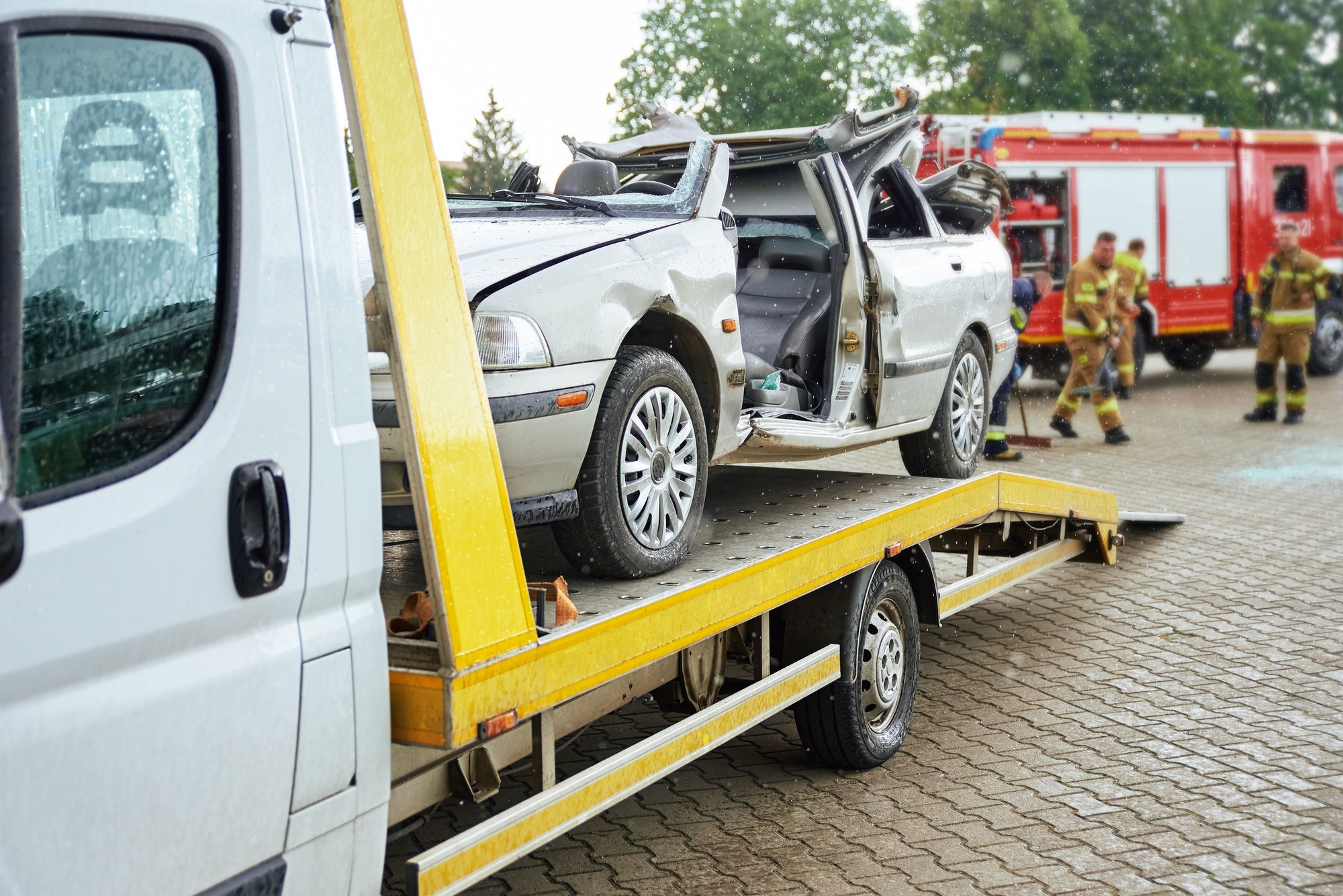
Since commercial trucks weigh many times more than passenger cars, these collisions result in severe internal injuries, lengthy hospital stays, and expensive rehabilitation. Drivers, fleet managers, and manufacturers can all share fault, increasing potential recovery. Regulatory records, logbooks, and maintenance records add another dimension of evidence and legal tactics. Truck insurance policies have higher limits so they can afford to pay more in settlements when liability is evident. For readers who want actionable insight, the heart will break down what key factors drive value, what types of evidence to collect, and how legal and medical documentation shape case outcomes.
Key Takeaways
- Truck accident cases are worth more than most car accident claims because truck crash victims tend to have catastrophic injuries that lead to long-term medical treatment, permanent disability, and loss of earning capacity. They need and deserve higher compensation.
- Commercial trucks have hundreds of times more liability insurance and multiple potentially liable parties, both of which increase the available recovery and give you more places to seek full compensation.
- Corporate negligence and stricter federal trucking regulations offer additional legal theories and documentary evidence that can raise settlement value when carriers, shippers, or manufacturers fall short.
- The physics of large trucks, with their massive weight and momentum, results in far more force on impact than passenger vehicles. This generates more severe injuries, more extensive property damage, and therefore larger claims.
- Event data recorders, electronic logs, and dispatch communications are all key to reconstructing truck crashes and proving liability. Therefore, preserving and collecting electronic evidence right away is crucial.
- Trucking defendants deploy rapid response teams and aggressive defense strategies to minimize exposure, so claimants should move fast to preserve evidence, contact experienced counsel, and seek all possible defendants and damages.
Why Truck Accident Claims Are More Valuable
Truck crashes often lead to catastrophic injuries and complex truck accident litigation, significantly increasing the claim worth compared to ordinary auto accidents. The weight disparity, where a fully loaded commercial truck can weigh 20 to 30 times more than a standard car, alters crash dynamics and injury patterns. Federal rules introduce additional proof and liability that do not apply to typical car accident claims, making promptness and extensive preservation of evidence, such as electronic logs or dashcam footage, crucial in these truck accident cases.
1. Catastrophic Injuries
Truck crashes frequently result in traumatic brain injury, spinal cord injury, and polytrauma, particularly in serious truck accident cases where the weight difference between a large truck and a standard car is significant. An 80,000-pound truck imparts far more force than a 3,500-pound car, leading to catastrophic injuries for victims. Those injured often require long-term or lifetime care, including surgeries, rehabilitation, and ongoing therapy. These are the types of injuries we see in every truck accident settlement, making them among the costliest injuries a person can incur.
2. Higher Insurance
Under federal regulations, commercial trucks must maintain large liability limits, often reaching approximately USD 750,000 combined single limit for many interstate hauls. In contrast, standard car accident claims typically feature much lower minimums. Due to these higher policy caps, insurers can afford larger verdicts or truck accident settlements, enabling injured victims to obtain more adequate compensation for extensive medical bills, lost income, and long-term care needs. This policy gap significantly inflates the recoverable pot in truck accident cases.
3. Corporate Negligence
In truck accident cases, liability often extends beyond just the driver to the trucking company for negligent hiring, training, or maintenance practices. Big trucking companies frequently operate under cost-cutting measures that create systemic dangers. Proven corporate misconduct can significantly increase exposure in truck accident settlements, enhancing the potential for adequate compensation and punitive damages.
4. Stricter Regulations
Federal safety rules, hours-of-service limits, mandatory vehicle inspections, and cargo securement standards provide obvious benchmarks in truck accident law. Violations bolster liability evidence in truck accident settlements and can be dispositive, increasing potential paths for relief for truck accident victims.
5. Multiple Defendants
In truck accident cases, liability can extend to the driver, carrier, shipper, cargo loader, and maintenance provider. This complexity in truck accident law allows for multiple defendants to share responsibility, ultimately increasing the potential for substantial truck accident settlements.
The Physics of Devastation
The gap in mass and momentum between commercial trucks and standard passenger vehicles sets the stage for outcomes largely determined by simple mechanics: mass, velocity, and energy. When a fully loaded semi-truck collides with a car, the truck’s mass and kinematic energy overwhelm it, often resulting in serious injuries and substantial economic loss, especially in truck accident cases.
Force and Impact
A loaded tractor-trailer can weigh as much as 36,300 kg (80,000 pounds), while an average car typically weighs between 1,360–1,814 kg (3,000–4,000 pounds). This 20 times mass difference means that truck accidents can inflict significantly more force, even at similar speeds. Kinetic energy increases with mass and speed squared, making a semi at 65 mph exponentially more devastating than a car at the same speed. The stopping distance further complicates matters; a semi may require 90–107 m (300–350 ft) or more to come to a halt, nearly double that of a standard car, and in some situations, the distance can approach the length of two football fields. Accident reconstruction experts utilize these metrics—mass, velocity, crush depth, and deformation patterns—to calculate impact forces and elucidate the reasons behind serious injuries and fatalities in truck accident cases.
Injury Severity
Truck accident victims often endure catastrophic, life-altering trauma due to the sheer force involved in truck accidents. Common injuries include traumatic brain injuries, spinal cord damage, and severe fractures, which necessitate extensive medical care and rehabilitation. The financial impact of these serious injuries can be overwhelming, as medical expenses, lost wages, and future care accumulate. Consequently, the severity of these injuries significantly influences truck accident settlements, as compensation must reflect long-term care needs, lost income, and the diminished quality of life for the injured victims.
Vehicle Damage
Truck wrecks almost always result in catastrophic vehicle and property damage, particularly in truck accident cases. Passenger cars aren’t designed to withstand collisions with 36,300 kg commercial vehicles. Their frames and cabin spaces implode under large impulse loads, leading to serious injuries for those involved. Damage patterns include extreme intrusion, engine compartment destruction, and total loss of the car. Trailer deformation, cargo loss, and infrastructure damage for trucks are also significant, further complicating truck accident settlements. Physical destruction validates larger awards in lawsuits.
Unraveling Complex Liability
Deciphering intricate liability in commercial vehicle accident cases can often implicate federal trucking regulations, corporate liability, and industry standards. Because crucial evidence such as dashcam footage or volatile ELD segments can be lost or overwritten within days, investigators must quickly pull ELD data, maintenance logs, cargo manifests, driver qualification files, and insurance records. Unlike typical car accident claims, in which one or two drivers are usually at fault, truck accident cases can involve multiple parties and higher stakes due to federal regulations mandating higher minimum insurance coverage, typically around 750,000 to 5,000,000 depending on cargo.
The Driver
Driver qualifications and conduct are focal to fault in truck accident cases. Breaking service-hour limits, making irresponsible maneuvers, or speeding shifts main blame toward the driver and therefore the carrier. Fatigue, distraction, and impairment are common culprits, often appearing in ELD gaps, cell phone forensics, or witness statements. Clues can be found in electronic logs, dashcam and GPS data, and accident reconstruction that charts vehicle paths and forces, which are crucial in complex truck accident litigation.
The Carrier
Trucking companies are liable for negligent hiring, training, or lax supervision, which can have serious implications in truck accident cases. Deprived Hours-of-Service enforcement and safety check skippage contribute to the complex truck accident litigation landscape. Company records—hire files, training logs, maintenance histories, and dispatch instructions—are vital, as they can reveal how carriers may push drivers to be late, creating an incentive to cheat or skip inspections.
The Shipper
Shippers can be held responsible for loading errors or unsecured cargo, which can lead to serious truck accidents. Overloaded or unbalanced cargo often causes rollovers and trailer swing, contributing to complex truck accident litigation. Freight brokers may also be liable for arranging unsafe loads or using noncompliant carriers, impacting truck accident settlements.
The Manufacturer
Defective parts or mechanical failure in large trucks may create product liability claims against manufacturers. Finding a brake, tire, or steering defect can significantly increase truck accident settlements and directs attention to design or production faults. Accident reconstruction experts examine component failure modes, wear patterns, and recall histories, especially in serious truck accident cases involving brake failures or tire tread separations.
Navigating the Regulatory Framework
The federal and state statutes are central to truck accident litigation and explain why truck accident settlements often exceed those of the average car accident. Regulatory schemes include hours of service, vehicle maintenance, cargo securement, and driver qualifications. Violations of these regulations create clear trails for investigation, often accompanied by tangible paper trails that can establish fault, demonstrate carelessness, and enhance damages. Regulators expect carriers to maintain specific documentation, and when this documentation is lacking or contradictory, it serves as compelling proof in a truck accident case.
Service Hours
Hours-of-service regulations restrict driving to 11 hours during a 14-hour workday and mandate 10 hours off-duty (49 CFR Part 395). These thresholds exist because fatigue increases the risk of truck accidents. A driver who exceeds hours is more likely to have lapses in attention that trigger high-severity collisions, impacting truck accident settlements. Electronic logs record duty status and are frequently the initial destination for investigators. ELD data can reveal overtime, short rest, or unexplained gaps, and those logs are discoverable in truck accident litigation claims. Penalties for violations span from fines and out-of-service orders to increased insurer scrutiny, and substantiated HOS violations invariably increase settlement worth as they indicate avoidable risk.
Maintenance Logs
Carriers need to comply with vehicle maintenance regulations in 49 CFR Part 396, which mandate regular inspections, repairs, and recordkeeping. By law, brakes, tires, lights, steering, and suspension must be checked, and for each, there should be inspection reports and repair invoices. Poor maintenance can lead to serious truck accidents, such as brake failure or tire blowouts, and missing or falsified maintenance files can serve as strong evidence of negligence against the trucking company. Investigators gather inspection reports, shop receipts, and parts orders, and the lack or tampering of these documents can significantly bolster a truck accident case, increasing recovery several times over.
Driver Qualifications
Federal law establishes the baseline qualifications for commercial drivers, including a valid commercial driver’s license and current medical certification, crucial for truck accident law. Background checks and verification of training and experience are also essential, as driver qualification files must reflect these standards and are subject to discovery in truck accident litigation. A badly trained or unqualified driver not only raises the crash risk but also increases your liability in truck accident cases. Claims often involve multiple parties—driver, carrier, loader, or manufacturer—making it vital to address coverage gaps that can lead to larger verdicts.
The Digital Evidence Trail
Commercial trucks now leave behind a thick slipstream of digital evidence that drives today’s truck accident litigation. These logs provide unbiased, timestamped data regarding vehicle movement, driver speed, and equipment operation. When saved promptly and examined with engineering sensitivity, they enable researchers to piece together what transpired, demonstrate if a motorist was drowsy or distracted, and connect corporate policies to commercial vehicle accidents.
Black Box Data
Like commercial trucks, most are equipped with event data recorders—black boxes. These devices capture vehicle speed, throttle, braking events, and often steering input just before a collision, which is essential for truck accident law and reconstructing the crash timeline. This raw telemetry stream aids in evaluating rival fault hypotheses. To preserve black box data for a potential truck accident case, document the vehicle’s location and condition, notify the carrier, and file a preservation letter. Act quickly, as onboard recorders can overwrite older data, risking the loss of crucial evidence.
Electronic Logs
Federal regulations mandate that electronic logging devices (ELDs) track driver hours of service and rest breaks, which is crucial in truck accident law. ELDs generate tamper-resistant logs detailing duty status changes and total drive time, helping to support truck accident settlements. Analysts can test driver fatigue or duty cycle claims with ELD data, as typical inconsistencies indicating violations include overlapping duty entries, unaccounted location gaps, inter-device clock drift, and edited duty logs lacking justified notes. Cross-checking ELD timestamps with GPS and fuel receipts can uncover discrepancies.
Dispatch Records
Dispatch logs record operator-to-driver and driver-to-carrier communications prior to a truck accident case. They frequently display shipping deadlines, detours, or text/email urgency that may induce dangerous driving, which can be critical in truck accident litigation. These logs can back up allegations of corporate malfeasance when directives emphasize haste over safety. Dispatch evidence can include emails, SMS, and messaging app logs, recorded calls, GPS fleet-tracking exports, or dispatch management systems entries. Telematics and cell phone data further display location, velocity, and app usage. They can expose calls, texts, or web activity, like video watching or site visits, that potentially suggest distraction. Save these logs immediately before they get deleted or overwritten to support or oppose witness testimony and other physical evidence.

The Aggressive Defense Playbook
Trucking companies and their insurers view significant truck accidents as high-stakes matters, employing coordinated and well-funded defense strategies to minimize truck accident settlements and control the narrative from day one.
Rapid Response Teams
Trucking companies send investigators to crash sites within hours to capture evidence and establish the company’s account as the original record. These teams document the scene with photos, video, and drone footage when available and gather vehicle information and initial statements from the staff on site.
Their rapid response units dispatch with senior, specialized adjusters who focus on commercial claims and routinely bring in top-tier national defense counsel fast. This not only raises the cost of defense early but communicates willingness to take the case to trial if necessary. Early intervention can impede victims from collecting unbiased evidence since perishable evidence, such as cargo shifts, skid marks, and weather traces, gets modified or cleared away.
Actions taken by rapid response teams:
- Interview witnesses and employees on site
- Inspect and tow vehicles under company control
- Download event data recorders (EDRs) and telematics
- Preserve maintenance and driver logs
- Coordinate with law enforcement and third-party experts
Evidence Concealment
Other companies, or bad actors, within them attempt to obfuscate or scrub evidence that would prove culpability. Absent maintenance logs, modified electronic records, or refused black box downloads are some of the telltale red flags and can indicate purposeful spoliation.
When electronic evidence vanishes, rebuilding is a guessing game. There’s even liability in whether spoliation may have occurred and whether courts impose sanctions. Proper preservation means immediate, formal spoliation demands and contemporaneous expert collection of EDRs and fleet telematics to prevent loss.
Red flags for tampering:
- Sudden gaps in maintenance records
- Edited or late-produced electronic logs
- Delays in producing EDR/telematics data
- Unexplained vehicle repairs or part replacement
Shifting Blame
Defense counsel regularly push alternative-cause theories to defuse liability, such as third-party fault or claimant fault. Contributory negligence plays a role in reducing or eliminating payouts based on jurisdictional rules.
To counter these tactics means identifying every potentially liable party, including the carrier, broker, shipper, and maintenance company, and generating technical evidence of regulatory violations under federal motor carrier safety regulations. Strategies to respond:
- Early multi-defendant discovery requests
- Forensic EDR analysis and expert reconstruction
- Obtaining company safety and driver qualification files
- Submitting spoliation motions when needed
Conclusion
Truck wrecks cause more damage, more obvious liability, and more extreme expenses. Injuries linger. Bills, bills, bills. Lost work and long care increase the toll. Crash forces and vehicle size account for a good share of the harm. Carrier rules and driver logs provide a lot of evidence. Telematics, dash cams, and ELD data usually reveal what truly occurred. Blame can be shared by multiple parties. That combination boosts the claim value and the demand for thorough analysis.
Cases move quickly. It’s amazing the difference good evidence and incisive analysis make. Targeted capture by our focused legal team helps us reach fair results. If you want a review or a no-obligation next step, contact us and we can discuss the particulars of your case.
Frequently Asked Questions
1. Why do truck accident cases often result in higher settlements than car accidents?
Truck crashes often lead to more severe injuries and property damage, significantly increasing medical bills and lost wages. This situation drives the truck accident settlements higher, reflecting the complex nature of truck accident litigation.
2. How does vehicle size affect claim value?
More mass and momentum in truck accidents means greater force upon impact, leading to catastrophic injuries and increasing the value of truck accident settlements.
3. Who can be held liable in a truck crash?
In truck accident cases, multiple parties can be liable, including the truck driver, the trucking company, and maintenance firms, increasing the potential for adequate compensation for injured victims.
4. What role do federal regulations play in truck accident claims?
Hours, maintenance, and inspections of commercial vehicles are governed by federal rules with easy-to-prove records and standards, which can significantly impact truck accident settlements.
5. Why is digital evidence important in truck accident cases?
Electronic logging devices, GPS, dash cams, and maintenance records provide objective evidence of speeding, fatigue, or poor maintenance, which often establishes fault in truck accident settlements and inflates case value.
6. How do defense strategies differ in truck cases?
Defendants in truck accident cases often use aggressive tactics, such as blaming other drivers, disputing injuries, or attacking electronic data. Anticipate in-depth investigation and expert legal solutions from a truck accident lawyer.
7. When should I contact a lawyer after a truck crash?
Reach out to a truck accident lawyer as soon as possible, preferably within days. Immediate action saves evidence, including black box data, and increases the likelihood of maximum truck accident settlements.
Injured in a Truck Accident? Get a Lawyer Ready to Fight Back
A collision with a commercial truck can change your life in an instant. Because of their size and weight, semi-trucks, tractor-trailers, delivery trucks, and other commercial vehicles can cause catastrophic injuries, extensive property damage, and overwhelming medical expenses. If someone else’s negligence caused the crash, you may have the right to pursue compensation for what you’ve lost.
At Phoenix Injury Attorneys, we help truck accident victims take on trucking companies, drivers, insurers, and other responsible parties. Led by Khalil Chuck Saigh, our Arizona-based firm investigates the crash, gathers critical evidence, reviews driver and trucking company records, identifies every potentially liable party, and builds a strong claim focused on maximizing your recovery.
Truck accident cases can be far more complicated than ordinary car accident claims. Insurance companies may move quickly to protect themselves, dispute liability, minimize your injuries, or pressure you into accepting less than your case is worth. Phoenix Injury Attorneys are ready to protect your interests from the start.
If you or someone you love was hurt in a commercial truck crash, contact Phoenix Injury Attorneys today for a free and confidential case review. We’ll explain your legal options and fight for compensation for medical bills, lost income, pain and suffering, property damage, and other losses caused by the accident.
Disclaimer:
The information provided in this article is for educational and informational purposes only and is not intended as medical, legal, or professional advice. Always consult a qualified healthcare provider, toxicologist, or legal professional regarding any health concerns, chemical exposures, or potential claims. The author and publisher are not responsible for any actions taken based on the information in this article. Use and handle all household chemicals according to product instructions and safety guidelines.