

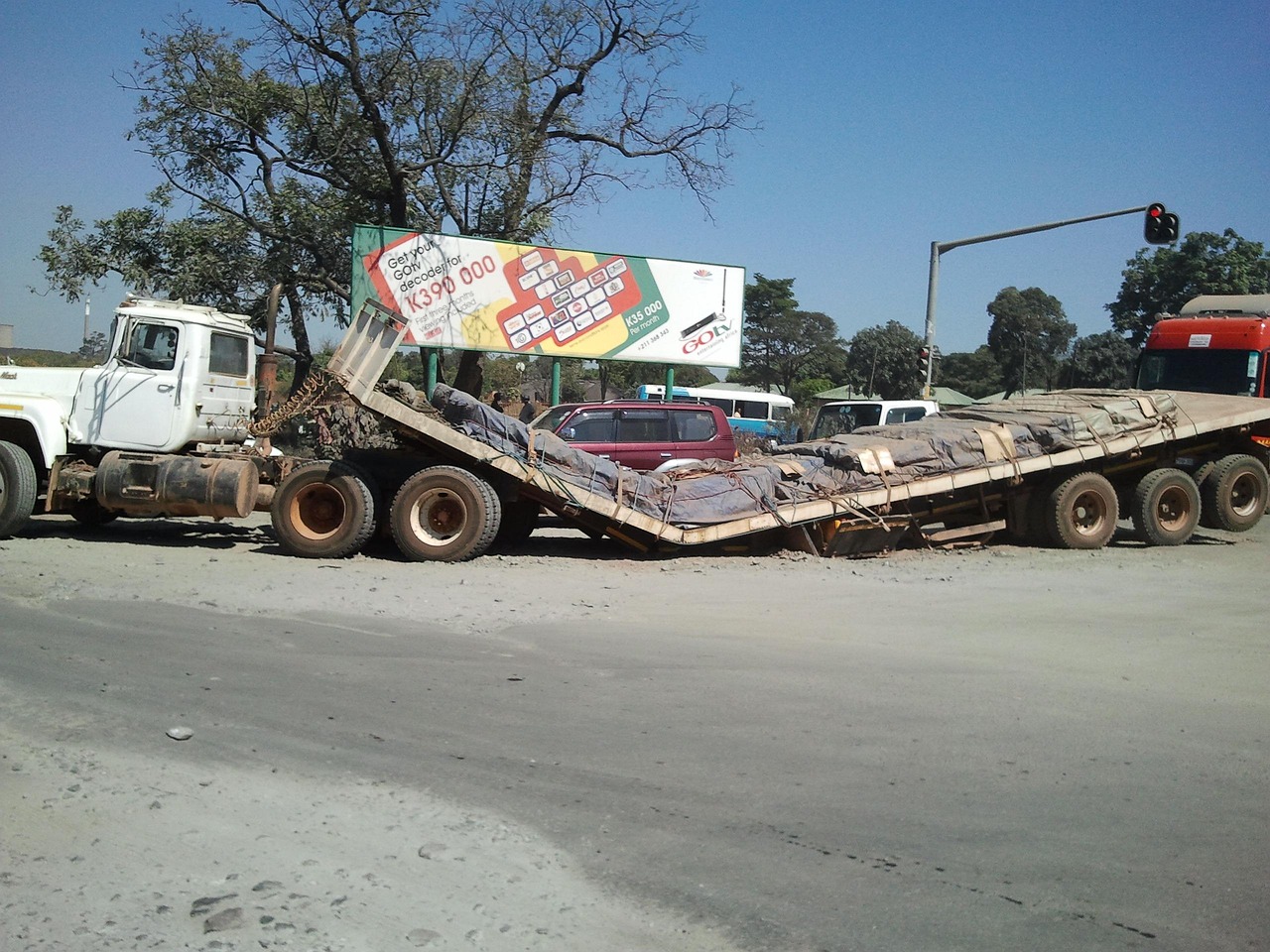
Yes, a truck accident lawyer may be able to get black box data after a crash. The data recorder, called an event data recorder or electronic control module, records speed, braking, throttle, and steering inputs. Preservation letters, subpoenas, and court orders are used by lawyers to secure it from carriers, manufacturers, or maintenance shops. Access depends on ownership, federal and state regulations, and acting quickly before overwriting. For complicated commercial vehicles, forensic download by certified technicians is standard. When secured, black box data can connect driver behavior, vehicle defects, or maintenance omissions to the crash. The main text dives into the legal procedures, technical extraction processes, and realistic timeframes for capturing and leveraging EDR evidence.
Key Takeaways
- Truck black boxes are unbiased digital eyewitnesses that capture factual, time-stamped operational information and frequently establish fault more reliably than human memory.
- Lawyers preserve Event Data Recorder and Engine Control Module records by sending timely preservation letters, then employing subpoenas or court orders and specialized technicians to extract and record data.
- Black box evidence can demonstrate speeding, braking, steering, and regulatory violations. It directly supports fault, damages, and settlement claims.
- Data can disappear through normal overwriting, malicious deletion, company policy, or crash. Quick legal and forensic intervention is critical.
- Typical retrieval challenges involve ownership issues, tampering, hardware malfunctions, and legacy equipment. Successfully addressing these obstacles demands skilled truck accident attorneys and technicians.
- Black box records are strongest when paired with driver logs, maintenance records, company emails, and witness statements to construct a full courtroom-ready case.
The Unbiased Witness Inside the Truck
Truck event data recorders serve as an unbiased witness within the commercial truck, maintaining time-stamped records of drive time before, during, and after truck accidents. These records are crucial for truck accident investigations, providing a consistent, machine-generated timeline that can be cross-referenced with physical evidence, witness statements, and other inputs, aiding accident reconstruction experts in truck accident cases.
What It Is
An EDR or ECM is the standard “black box” in commercial trucks. They are custom computer systems designed to record vehicle conditions and accident details. They are standard on most newer commercial trucks as regulations and fleet practices demand electronic monitoring.
Component / System | What it Monitors |
Engine control module | RPM, torque, throttle position |
Brake system sensors | Brake application, ABS events |
Transmission/ECM | Gear, shift events |
Telematics unit | GPS location, speed over ground |
Seat sensors / airbag modules | Seatbelt status, airbag deployment |
Camera systems (if fitted) | Forward / cab video feed |
Diagnostic interface | Fault codes, mechanical alerts |
They’re small, rugged, and engineered to survive a crash and retain recorded crash data.
What It Records
Black boxes record speed, brake inputs, throttle position, steering angle and occasionally video. They record impact strength, airbag deployment, seatbelt use, engine RPM and gear selection at the moment of impact. Telematics units sometimes have GPS tracks and time stamps. Some fleets log driver hours and service violations. Diagnostic trouble codes and mechanical failure alerts are frequently stored.
Be aware that numerous systems write over old records when the truck is driven again or serviced, so the data can disappear within days. Forensic retrieval needs to be immediate or it will be lost.
Why It Matters
EDR data plays a crucial role in truck accident investigations by helping to reconstruct sequences of events. Exact speed profiles, braking onset, and throttle reductions provide a clear narrative. This impartial record can verify or refute witness accounts and human recollection, often proving dispositive in truck accident cases alleging carelessness or violations of industry standards. Insurers heavily rely on this information during settlement discussions, while courts regard logged, time-stamped records as credible evidence. Comprehensive investigations combine EDR data with CCTV, road scrapings, and garage records to create a complete picture of the accident scene.
How Lawyers Secure Black Box Data
Here’s how experienced truck accident attorneys secure black box data: prompt, coordinated legal and technical steps to preserve volatile electronic evidence from truck accidents and ensure it’s admissible in truck accident cases. The approach mixes emergency preservation requests, legitimate court orders, forensic extraction, detailed review, and rigorous chain of custody tracking.
1. The Preservation Letter
To initiate a thorough truck accident investigation, we issue a preservation or spoliation letter to the trucking company and other relevant third parties, requesting that they preserve the event data recorder (EDR), electronic control module (ECM) files, and electronic logging device (ELD) files. This notice imposes a legal obligation to refrain from any data deletion or repair activities that could compromise critical information. Accident lawyers typically send these letters within days of the crash, as many systems overwrite data in as few as seven to thirty days. If data are lost due to failure to preserve, courts can permit adverse inference instructions against the holder of the evidence.
2. The Legal Order
When a trucking company declines voluntary production, counsel often obtains a subpoena or court order to enforce the delivery of the black box and associated logs. Court orders typically take precedence over corporate policies or ownership claims and can mandate the release of electronic logging device records, GPS data, and maintenance records. Time-sensitive motions and emergency subpoenas provide truck accident investigation experts with critical information before automatic overwrites or post-crash repairs erase files, preserving materials for fault analyses.
3. The Expert Extraction
Specialized forensic technicians or certified extraction providers are essential in truck accident investigations, as they extract raw files via vendor-specific interfaces and write-blocking tools. Proper extraction avoids accidental overwriting and records the precise technique used. Experts utilize custom software to decrypt EDR/ECM images and generate certified copies, including complete command history, which can be crucial for truck accident cases. Lawyers keep these professionals on call to vouch for integrity for admissibility.
4. The Data Analysis
Forensic engineers and reconstructionists convert raw logs into interpretable outputs, such as speed-time plots and pre-crash events, which are crucial in truck accident investigations. This analysis can reveal driver behavior or mechanical failures, providing critical information that attorneys use to strengthen truck accident cases and negotiate with insurance companies.
5. The Chain of Custody
Chain of custody documents detail every transfer from the accident scene to storage, transport, and analysis in truck accident investigations. Each custody link is logged, dated, and signed, ensuring the integrity of evidence, such as black box data, which is crucial in truck accident cases. A single break or undocumented handoff can render this critical information inadmissible, making it essential for accident lawyers to tightly control access.
Why This Evidence Vanishes
Black box information can vanish fast after a truck accident due to technical, procedural, and human causes. This section deconstructs how normal system activity, intentional activity, and corporate policies all open windows in which critical electronic data goes missing. This is particularly important for injury victims and their truck accident attorneys, who need to act quickly to safeguard that data.
Data Overwriting
Most EDRs and ECMs keep rolling buffers that overwrite older entries as new information comes in, which is particularly critical in truck accident investigations. Oftentimes, retention is around seven to 30 days, though some commercial systems will overwrite in as little as 30 days. A fleet vehicle returned to service can spark new driving logs within days, erasing vital truck accident case information. New trips, maintenance cycles, or automated log resets can overwrite the seconds surrounding impact. For investigators, that means timing is critical: if the vehicle is driven, started, or connected to diagnostic equipment, the chance to capture pre-crash throttle, brake, speed, and sensor data shrinks fast. Swift steps to quarantine the vehicle and arrange a download are necessary to capture what’s left.
Intentional Destruction
There’s genuine risk that data related to truck accident investigations will be purposefully deleted or the device interfered with. Drivers, fleet technicians, or company agents could delete logs, do resets, or swap modules to conceal signs of fatigue, tampering, or maintenance failures. Courts can impose sanctions or permit adverse inferences when destructive conduct is established. However, intent and timing are difficult to prove if records are already deleted. Insurers and defendants frequently move within hours to access onboard systems, making it more likely the party potentially at fault views the truck accident case data first. Legal protections, preservation letters, immediate vehicle sequestration, and quick forensic downloads assist in preventing or detecting tampering.
Company Policy
Corporate retention and maintenance policies play a crucial role in determining how long truck accident investigation data continues to exist. Other manufacturers often clear or reset EDRs following service or diagnostic checks, while some maintain only minimal records for performance monitoring. These internal policies can conflict with legal hold duties, and businesses might not report automatic overwrite configurations. Accident lawyers fight such restrictive policies with preservation demands, subpoenas, and emergency motions to compel retention and forensic imaging, ensuring that critical information for truck accident cases remains intact.
Common Obstacles in Data Retrieval
Black box data can make or break a truck crash case. A few obstacles typically stand in the way of getting it quickly. With data that’s quickly lost or even automatically overwritten, sometimes within 30 days, investigators have to be quick. Carriers must keep paper records for six months by law. Electronic EDRs and electronic logs frequently scrub or purge detailed telemetry in days or weeks. Trucking companies and insurers get to data fast, which puts plaintiffs at an evidence of asymmetry unless they jump early.
Ancillary: Typical Challenges in Accessing Black Box Data
- Automatic overwrite and short retention windows
- Custody battles between the driver, carrier, insurer, and repair shop.
- Intentional data destruction or spoliation by interested parties
- Data tampering: altered logs, inconsistent timestamps, missing segments
- Technical failures: corrupted memory, failed modules, damaged connectors
- Older equipment with nonstandard or no EDRs, limited storage
- Insufficient extraction tools or unskilled technicians
- Hidden or proprietary formats that impede decoding
Ownership Disputes
Conflicts over who owns or controls the black box can significantly impede truck accident investigations, as drivers, fleets, insurers, or third-party repair shops all assert claims. Vendors may also restrict access to their proprietary formats. These disputes can delay preservation and extraction efforts, and without a legal hold, automated overwriting of critical data continues. To address these issues, early legal steps such as preservation letters, subpoenas, or emergency motions may be necessary to compel assistance, especially in truck accident cases where timely access to evidence is crucial.
Data Tampering
Tampering risks in truck accident investigations deserve attention. Motivated parties can change or erase logs, introducing holes or unreliable timestamps that break trust in truck accident cases. Indicators include absent time chunks, out of order entries, or metadata mismatches. Digital forensics experts can compare raw flash images, checksum failures, and document changes for court in truck accident lawsuits.
Technical Failures
Hardware faults and corrupted memory can hinder truck accident investigations by preventing data extraction. Crash damage, water intrusion, or burned modules might render electronic logging devices unreadable. Unskilled technicians using the wrong tools can further damage essential files. Recovery often necessitates specialized engineers employing techniques like chip-level readouts to salvage critical information.
Older Equipment
Legacy trucks might not have standardized electronic data recorders (EDRs) or store limited fields. When black box retrieval fails during truck accident investigations, investigators should pivot to alternative sources such as dashcams, telematics, maintenance logs, fuel receipts, and witness data to fill gaps in truck accident cases.

How Data Strengthens Your Claim
Black box data plays a crucial role in truck accident investigations, providing a definitive, time-stamped record of a truck’s activity leading up to a crash. This context redefines the claims process, especially in truck accident cases, as it typically covers speed, braking, throttle position, and cruise control usage. Federal rules standardize what these systems record, ensuring that the evidence is consistent and comparable across cases, which is vital for accident reconstruction experts.
Proving Fault
Black box data plays a crucial role in truck accident investigations, as it can identify speeding, hard braking, sudden steering inputs, and throttle behavior unlike witness statements. These metrics reveal whether the commercial truck broke posted limits, zipped through a construction zone too fast, or used cruise control in traffic or inclement weather. Recorded hours of service and FMCSA-related logs can disclose duty time violations that indicate driver fatigue or systemic company policy failures. In many instances, a second-by-second plot of speed and brake force allows investigators to reconstruct how the truck behaved moments before impact. That reconstruction resolves arguments about who swerved first or if a driver had time to prevent a crash, aiding in truck accident claims.
Defeating Defenses
Defendants will frequently argue that weather, road conditions, or a sudden mechanical failure caused the crash. However, truck accident investigations often reveal that black box records can validate or refute those assertions by providing unbroken engine and brake information right up until the incident. For instance, if speed and brake inputs are consistent until impact, mechanical failure is less likely. If the data demonstrates that you sped through a work zone or had the cruise on during heavy rain, it undermines defenses blaming conditions. Precise logs additionally disprove bogus statements regarding driver maneuvers, such as sudden stops or aggressive turns. Insurance adjusters encounter more difficult denials when time-stamped, standardized evidence rebuts their story.
Maximizing Settlements
Black box proof strengthens settlement values in truck accident cases by eliminating uncertainty and litigation risk. Exact information undergirds economic harm assertions and ties lost income and medical care timing to the truck accident. Robust records tend to result in faster offers, less litigation expense, and increased negotiating leverage against carriers that want to avoid trial risk. Detailed digital logs enable experienced truck accident attorneys to make a sharp, scientific argument that demonstrates both driver conduct and corporate compliance breakdowns, enhancing compensation for victims.
Beyond the Black Box
EDRs, or electronic data recorders, are just one element of the proof puzzle in truck accident investigations. Investigators piece together various digital and physical sources to build a more complete timeline, identify trends, and evaluate conflicting stories. This combination assists experienced truck accident attorneys in constructing more robust liability theories and supporting higher settlement demands, as each file corroborates or undermines assertions from another.
Driver Logs
Driver logs and ELD records, which are critical in truck accident investigations, show HOS, miles, idle time, and rest breaks. ELDs typically plug into the truck engine and log miles driven and engine-on time. This information can be used to determine if a driver violated hours-of-service limits or took mandated breaks. Logs can expose fatigue risk when they highlight long consecutive hours or skipped breaks. When log entries conflict with black box outputs, such as engine activity or recorded speed, those discrepancies can indicate fake logs or careless recordkeeping. Thus, logs play a crucial role in asserting regulatory violations that caused a truck accident case.
Maintenance Records
Maintenance logs and inspection histories are crucial in truck accident investigations, as they record whether the truck was maintained safely. These records can encompass brake service, tire changes, and pre-trip inspections, indicating recent repairs or recurring faults. If maintenance records are incomplete or indicate skipped inspections, this trend can significantly bolster a truck accident case of corporate negligence. Mechanical failure theories often hinge on such dated or absent maintenance items. For instance, a failed brake line with no repair history is probative. Detailed maintenance records assist lawyers in connecting mechanical flaws to accountability, enhancing liability in truck accident claims.
Company Communications
Internal emails, dispatch notes, and shift memos show the operational pressure and policies that can lead to truck accidents. Messages may reveal dispatchers urging drivers to forgo breaks or speed to meet deadlines, which can significantly impact truck accident cases. Company communications can expose systemic issues, such as inadequate training or incentive programs that promote risky behavior. These logs, typically recovered through legal discovery in truck accident investigations, can link a single accident to more widespread company behavior.
Witness Testimony
Eyewitness accounts provide the human color that the data by itself cannot offer, especially in truck accident investigations. Witnesses can verify braking, lane changes, or visibility at given moments, providing context for what the black box records indicate in truck accident cases. Witness statements from other motorists, occupants, or observers can confirm EDR speed or brake tread marks and fill in the blanks when a vehicle records multiple impact events. Collecting and preserving statements early is important because memories are ephemeral and evidence decays.
Conclusion
Black box data can make or break a truck crash case. A lawyer can often get that data quickly through preservation letters, court orders, or agreements with carriers. It records speed, brake, and steering as well as hours of service. These details assist in identifying driver negligence, truck defects, or substandard repairs. Obstacles arise from wiped units, vendor slowdowns, and court battles over ownership. Timely action eliminates those dangers. Choose a lawyer who knows the vendors, speaks the tech, and moves fast. A timely request for data preserves your options and increases settlement value. If you need assistance finding the right pro or want a quick case check, contact us for a free review and next steps.
Frequently Asked Questions
1. Can a truck accident lawyer legally obtain black box data after a crash?
Yes, truck accident attorneys can request critical data through preservation letters, subpoenas, or during discovery, including truck black box data after a truck accident.
2. How quickly must black box data be preserved after an accident?
As quickly as possible, especially in truck accident investigations, most carriers rewrite or wipe critical data within days to weeks. Timely preservation letters or prompt legal motions can preserve that data from being deleted.
3. Who controls access to the truck’s black box data?
Manufacturers, fleet operators, and carriers typically control the physical device and raw downloads related to truck accident investigations. A truck accident attorney can compel disclosure through court orders if voluntary compliance is insufficient.
4. What types of information does the black box record?
This electronic logging device logs speed, braking, throttle position, and other critical information, assisting truck accident investigations in reconstructing vehicle maneuvers leading up to and during a collision.
5. Can black box data be altered or destroyed?
Yes. In truck accident investigations, data may be overwritten, damaged, or intentionally deleted. Preservation steps and forensic extraction help minimize the risk of tampering and maintain evidence integrity.
6. How does black box evidence strengthen a truck crash claim?
It delivers objective, timestamped technical information from electronic logging devices that can verify or contradict claims regarding truck accidents, including velocity, braking, and driver behavior.
7. What if the carrier refuses to hand over black box data?
A truck accident attorney can file motions to compel, spoliation sanctions, or court-ordered preservation, especially when truck accident investigations reveal critical information relevant to litigation.
Injured in a Truck Accident? Get a Lawyer Ready to Fight Back
A collision with a commercial truck can change your life in an instant. Because of their size and weight, semi-trucks, tractor-trailers, delivery trucks, and other commercial vehicles can cause catastrophic injuries, extensive property damage, and overwhelming medical expenses. If someone else’s negligence caused the crash, you may have the right to pursue compensation for what you’ve lost.
At Phoenix Injury Attorneys, we help truck accident victims take on trucking companies, drivers, insurers, and other responsible parties. Led by Khalil Chuck Saigh, our Arizona-based firm investigates the crash, gathers critical evidence, reviews driver and trucking company records, identifies every potentially liable party, and builds a strong claim focused on maximizing your recovery.
Truck accident cases can be far more complicated than ordinary car accident claims. Insurance companies may move quickly to protect themselves, dispute liability, minimize your injuries, or pressure you into accepting less than your case is worth. Phoenix Injury Attorneys are ready to protect your interests from the start.
If you or someone you love was hurt in a commercial truck crash, contact Phoenix Injury Attorneys today for a free and confidential case review. We’ll explain your legal options and fight for compensation for medical bills, lost income, pain and suffering, property damage, and other losses caused by the accident.
Disclaimer:
The information provided in this article is for educational and informational purposes only and is not intended as medical, legal, or professional advice. Always consult a qualified healthcare provider, toxicologist, or legal professional regarding any health concerns, chemical exposures, or potential claims. The author and publisher are not responsible for any actions taken based on the information in this article. Use and handle all household chemicals according to product instructions and safety guidelines.