

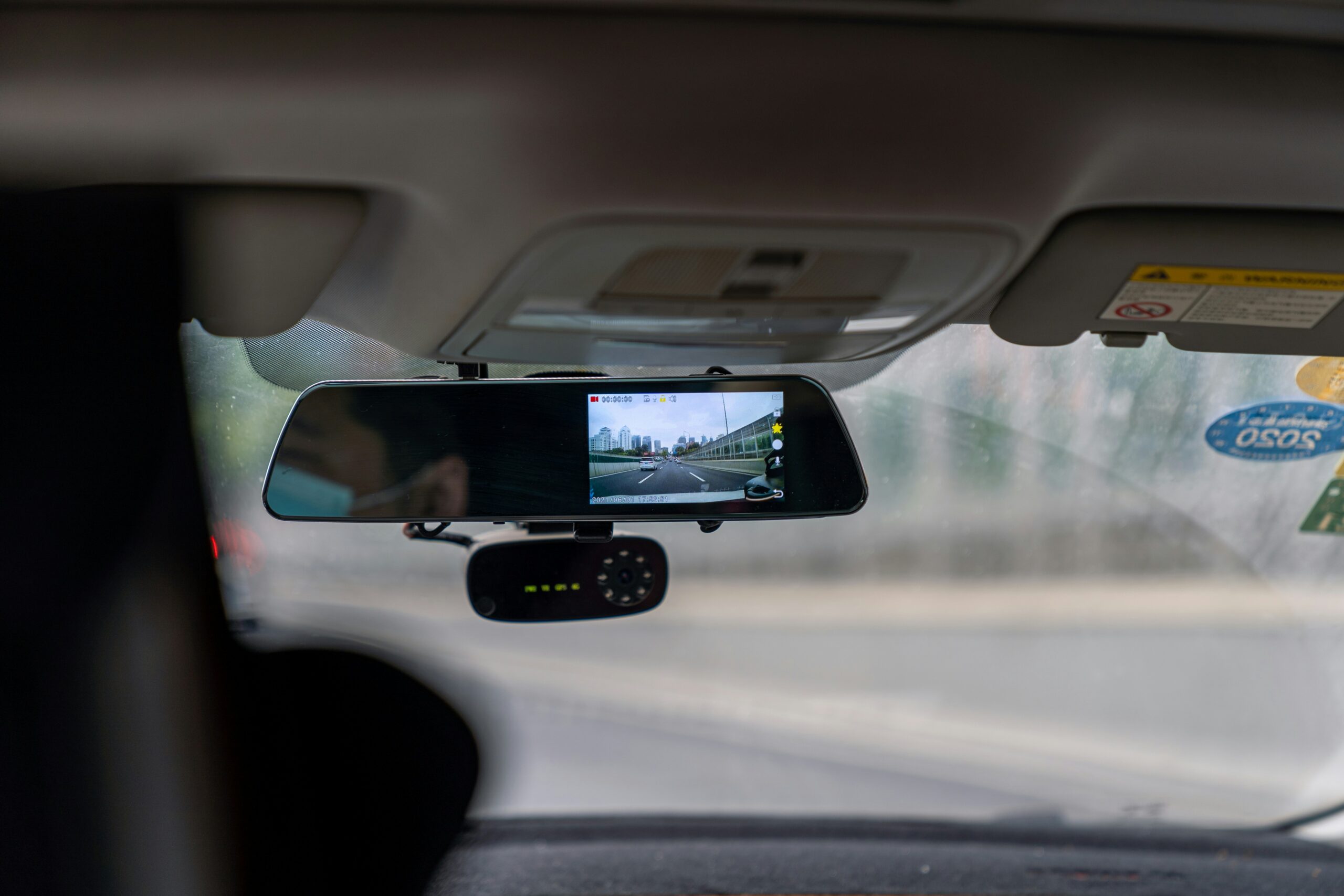
Car accidents often happen in a matter of seconds, yet determining exactly what occurred can become the most contested part of an insurance claim or personal injury lawsuit. Drivers frequently have different versions of events, witnesses may remember details differently, and physical evidence at the scene does not always provide a complete picture. As a result, proving fault can become one of the biggest challenges after a collision.
Fortunately, dashcams have become increasingly common and are providing valuable evidence in many car accident cases. A dashboard camera continuously records the road while a vehicle is in operation, creating an objective record of what happened before, during, and sometimes after a crash. In many situations, this footage helps clarify disputed facts, supports witness testimony, and provides insurance companies or juries with visual evidence that would otherwise be unavailable.
Although dashcam footage can significantly strengthen a claim, it does not automatically guarantee a favorable outcome. Like any other form of evidence, it must be reviewed alongside police reports, medical records, witness statements, photographs, and other documentation. Understanding how dashcam footage is used in insurance claims and lawsuits can help accident victims appreciate its value and recognize why preserving the footage immediately after a collision is so important.
Key Takeaways
- Dashcam footage can provide objective evidence of how a car accident occurred.
- Video recordings may help establish fault during insurance claims and lawsuits.
- Dashcam evidence is often stronger when supported by police reports, witness statements, and medical records.
- Preserving the original footage after an accident is essential.
- An experienced car accident attorney can evaluate dashcam footage and determine how it supports your claim.
What Is Dashcam Footage?
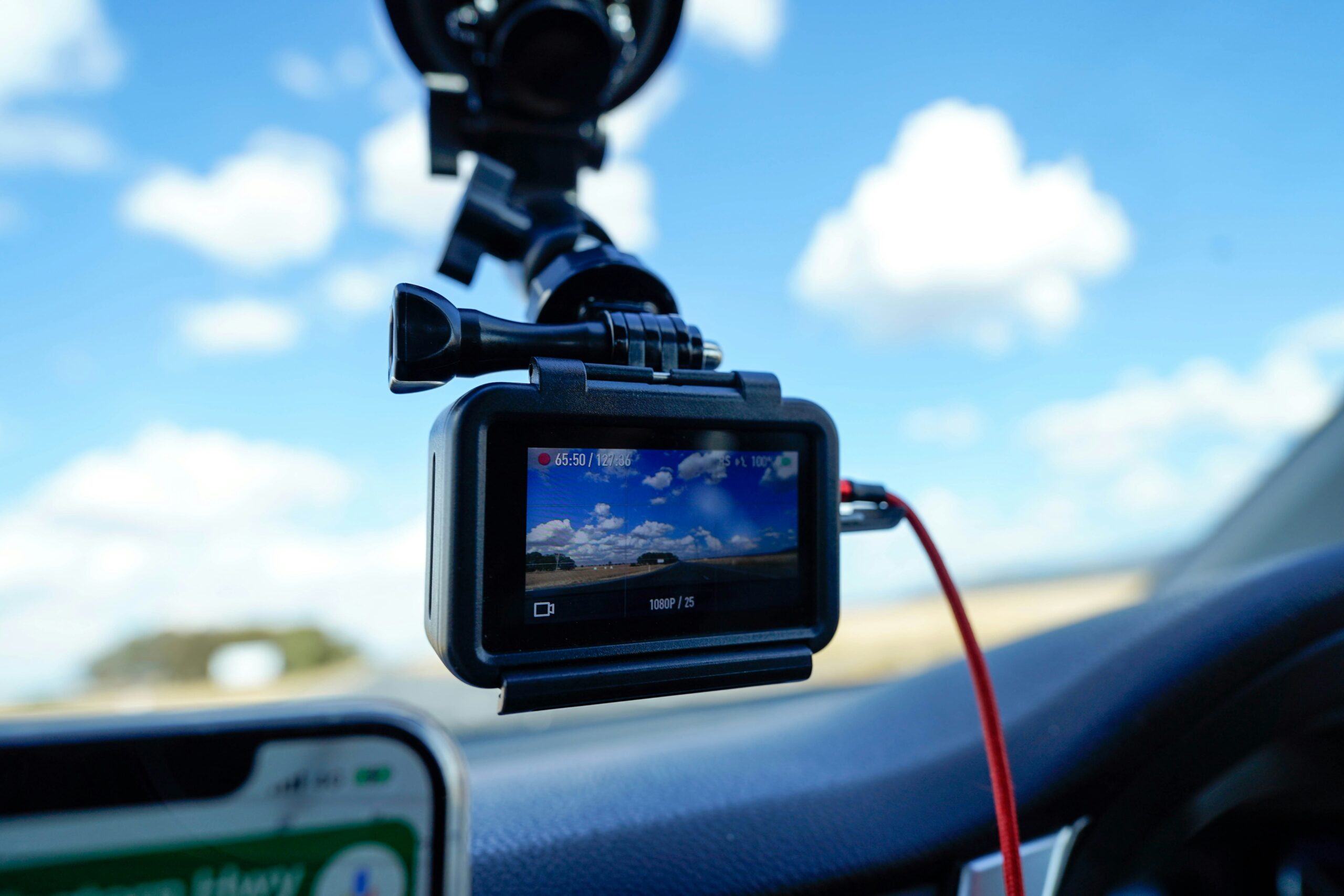
A dashcam, or dashboard camera, is a small video recording device mounted inside a vehicle that continuously records activity on or around the road while the vehicle is being driven. Some dashcams record only the view through the windshield, while others include rear-facing cameras or multiple cameras that capture different angles inside and outside the vehicle.
Modern dashcams often record in high definition and may also capture useful information such as the date, time, speed, location, and vehicle movement through GPS technology. Many systems automatically save footage when they detect a sudden impact, helping preserve evidence immediately before and after a collision.
Because dashcams operate continuously, they frequently capture events leading up to an accident that no witness may have noticed. This can include changing traffic signals, lane changes, sudden braking, speeding, distracted driving, unsafe turns, or other actions that contribute to a collision. Instead of relying solely on conflicting recollections, attorneys and insurance companies can review actual video footage to better understand what occurred.
As dashcam technology has become more affordable and widely available, more drivers are using these devices to protect themselves in the event of an accident. The footage they record often becomes an important piece of evidence when determining liability and evaluating personal injury claims.
Why Dashcam Evidence Is Valuable After a Car Accident
One of the greatest advantages of dashcam footage is that it provides an objective account of the events surrounding a collision. Unlike eyewitness testimony, which can be affected by stress, memory, or limited visibility, a video recording captures events as they unfold in real time.
Insurance companies often investigate claims by reviewing police reports, interviewing drivers, and speaking with witnesses. When these sources provide conflicting information, determining fault can become difficult. Dashcam footage may resolve many of these disputes by showing exactly how the accident occurred, who had the right of way, whether traffic signals were obeyed, or whether one driver was behaving negligently.
Video evidence can also encourage faster claim resolution. When liability is clearly established through dashcam footage, insurance companies may be more willing to negotiate a fair settlement without prolonged disputes. In some cases, compelling video evidence even discourages unnecessary litigation because the facts are more difficult to challenge.
Another important benefit is credibility. When your statements about the accident are supported by video evidence, your claim often becomes more persuasive during settlement negotiations or trial. Rather than relying solely on personal recollections, your attorney can present objective evidence that helps reinforce your version of events.
How Dashcam Footage Can Help Prove Fault
Determining fault is one of the most important aspects of any car accident case. To recover compensation, injured parties generally must demonstrate that another driver’s negligence caused the collision and resulting damages. Dashcam footage can play a valuable role in proving these elements by documenting the circumstances leading up to the crash.
For example, a dashcam may show another driver running a red light, failing to yield at an intersection, making an unsafe lane change, following too closely, or driving aggressively. In rear-end collisions, the footage may reveal whether sudden braking occurred because of hazardous road conditions or because another driver was distracted and failed to stop in time.
Video recordings can also help establish the sequence of events. Instead of relying on conflicting testimony, attorneys can review the footage frame by frame to determine vehicle positions, traffic conditions, weather, road hazards, and driver behavior immediately before impact.
In addition to proving fault, dashcam footage may also disprove false allegations. If another driver incorrectly claims that you caused the accident, a clear recording may demonstrate that you were obeying traffic laws and driving responsibly. This can significantly strengthen your position during insurance negotiations and reduce the likelihood of unfair liability determinations.
What Types of Evidence Can a Dashcam Capture?
Many people assume a dashcam records only the moment of impact, but these devices often capture much more. Depending on the model, a dashcam may record the events leading up to the collision, the crash itself, and what happens immediately afterward. This broader perspective can provide valuable context that helps explain how the accident occurred.
For example, dashcam footage may show the speed and direction of traffic, changing traffic signals, road conditions, weather, lane markings, or the actions of other drivers. The recording may reveal whether a driver failed to stop at a red light, drifted into another lane, made an unsafe turn, or was following too closely before the collision.
Some dashcams also record audio inside the vehicle or include rear-facing cameras that capture traffic behind the car. More advanced systems may incorporate GPS data, speed information, and timestamps that help verify when and where the accident occurred. These additional details can strengthen the overall evidence presented during an insurance claim or lawsuit.
Although dashcam footage is often valuable, it is most effective when considered alongside other evidence gathered after the accident. Police reports, witness statements, photographs, medical records, and expert opinions all contribute to creating a complete understanding of what happened.
Is Dashcam Footage Admissible in Court?
In many car accident lawsuits, dashcam footage may be admitted as evidence if it satisfies the applicable legal requirements. Courts generally consider whether the recording is authentic, relevant to the issues being decided, and obtained lawfully.
Before video evidence is presented, the party offering the footage typically must demonstrate that it accurately depicts the events recorded and has not been altered or edited misleadingly. Attorneys may use witness testimony or technical information about the recording device to establish its authenticity.
The quality of the footage can also influence its usefulness. Clear, high-resolution recordings that accurately capture the collision generally carry greater evidentiary value than blurry or incomplete videos. If important details cannot be seen clearly, the recording may have less impact on the outcome of the case.
It’s important to understand that admissibility rules vary by jurisdiction. An experienced car accident attorney can evaluate whether dashcam footage meets the legal requirements in your case and explain how it may be used during litigation.
Can Dashcam Footage Help With Insurance Claims?
Dashcam footage is often just as valuable during the insurance claims process as it is in court. In fact, many claims are resolved long before a lawsuit is ever filed, making early access to video evidence especially helpful.
Insurance adjusters are responsible for determining how an accident occurred and whether their policyholder is legally responsible for the damages. When drivers provide conflicting accounts of the collision, the adjuster must rely on available evidence to determine liability. Dashcam footage can significantly simplify this process by offering an objective view of the events leading up to the crash.
A clear recording may allow an insurance company to resolve liability more quickly, reducing delays in the claims process. It can also discourage false or exaggerated claims by demonstrating exactly what occurred. In some situations, both insurance companies may review the same footage and reach an agreement without lengthy disputes or litigation.
However, insurance companies do not automatically accept every recording at face value. Adjusters still consider other evidence, including police reports, vehicle damage, witness statements, and applicable traffic laws. Dashcam footage strengthens a claim, but it is usually most persuasive when it supports the other available evidence.
Situations Where Dashcam Footage May Not Be Enough
Although dashcam recordings can be extremely helpful, they are not always enough to prove every aspect of a personal injury claim. Some accidents occur outside the camera’s field of view, while others involve issues that cannot be captured on video.
For example, a dashcam may clearly show how a collision occurred but provide no information about the extent of a person’s injuries. Medical records, physician opinions, diagnostic imaging, and treatment documentation remain essential for proving the physical and financial impact of the accident.
Likewise, a recording may not fully capture factors such as distracted driving inside another vehicle, impairment due to alcohol or drugs, or mechanical failures that contributed to the collision. Additional investigation may be necessary to establish these facts through witness testimony, expert analysis, or other evidence.
Poor weather, nighttime conditions, glare, or camera obstructions may also reduce the quality of the recording. If important details cannot be seen clearly, attorneys often rely more heavily on other forms of evidence to build the case.
For these reasons, dashcam footage should be viewed as one valuable piece of evidence rather than the only evidence supporting a claim.
How to Preserve Dashcam Evidence After an Accident
Preserving dashcam footage immediately after an accident is one of the most important steps you can take if your vehicle is equipped with a recording device. Many dashcams automatically overwrite older recordings after a certain amount of time, meaning critical evidence may be lost if it is not saved promptly.
As soon as it is safe to do so, save the original recording and create a backup copy if possible. Avoid editing, trimming, or altering the video in any way, as modifications may raise questions about its authenticity later. Keeping the original file helps maintain its credibility during the claims process or in court.
You should also inform your attorney that dashcam footage exists. Your legal team can review the recording, determine how it supports your claim, and ensure that it is properly preserved for use during settlement negotiations or litigation.
If another vehicle involved in the accident may also have had a dashcam, your attorney may be able to take appropriate legal steps to request preservation of that evidence before it is deleted.
Other Evidence That Strengthens Your Case
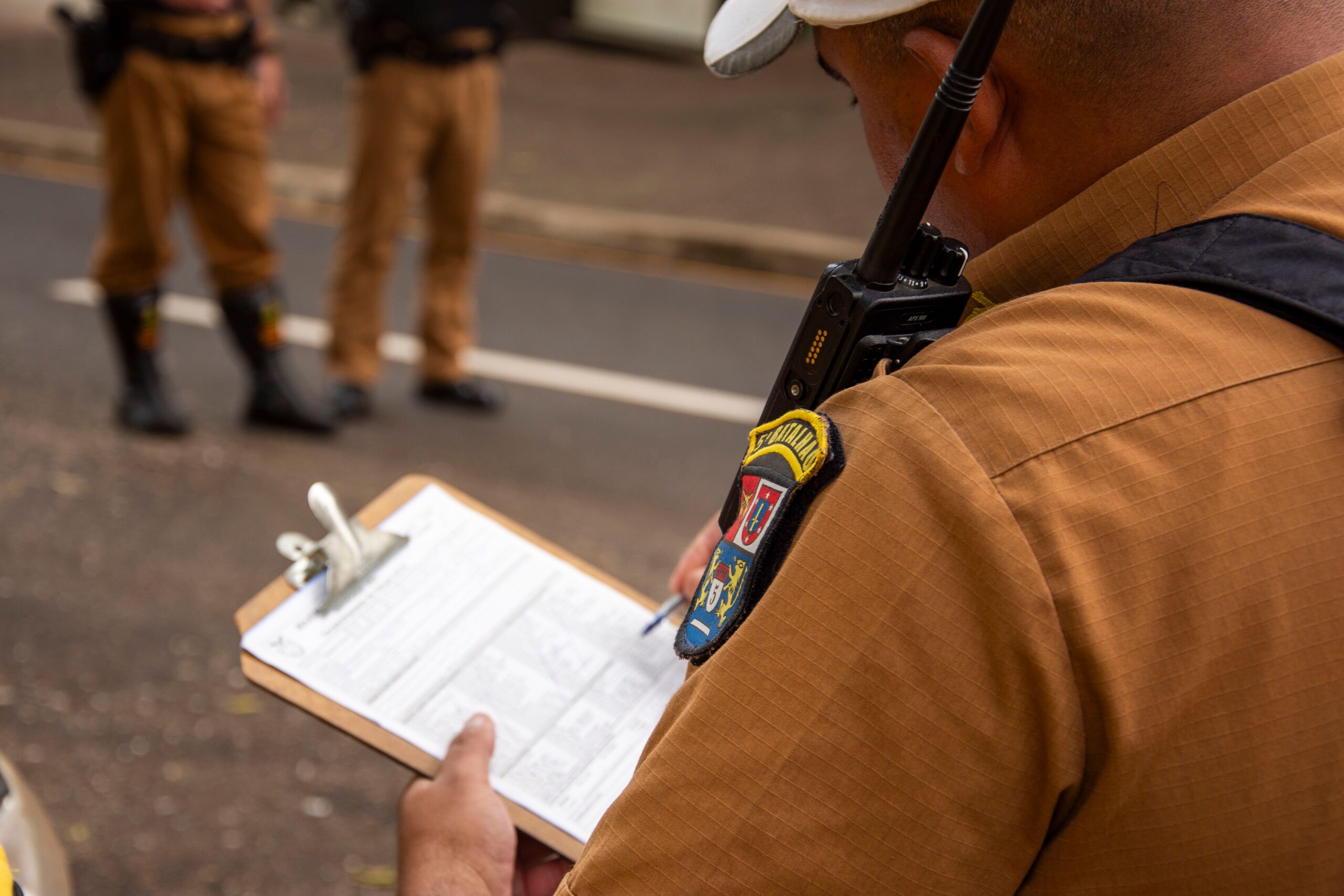
While dashcam footage can be compelling, the strongest car accident claims are built using multiple forms of evidence that support one another. Combining different sources of information often provides a much clearer picture of what happened than relying on a single recording alone.
Police reports frequently contain valuable observations from responding officers, including diagrams of the accident scene, statements from drivers and witnesses, and any traffic citations that were issued. These reports often become an important reference during settlement negotiations.
Medical records are equally important because they document the injuries caused by the collision, the treatment received, and the long-term effects on the injured person’s health. Consistent medical documentation helps connect the accident to the damages being claimed.
Photographs of vehicle damage, skid marks, road conditions, traffic signs, and visible injuries can further support the facts shown in the dashcam recording. Witness statements may also provide independent confirmation of how the collision occurred.
In more complex cases, accident reconstruction experts may analyze the physical evidence, vehicle damage, and video footage to explain the mechanics of the collision. When these forms of evidence work together, they often create a much stronger and more persuasive claim than any single piece of evidence alone.
Final Thoughts
Dashcam footage has become one of the most valuable forms of evidence in modern car accident cases. Unlike witness testimony, which can be affected by stress, memory, or differing perspectives, a dashcam provides a real-time visual record of the events leading up to a collision. When the footage clearly shows how an accident occurred, it can help establish fault, resolve conflicting accounts, and strengthen both insurance claims and personal injury lawsuits.
However, even the clearest video recording is only one piece of the puzzle. A successful car accident claim typically relies on a combination of evidence, including police reports, medical records, witness statements, photographs, expert opinions, and documentation of your financial losses. Together, these materials create a more complete picture of how the accident occurred and the impact it has had on your life.
If you have dashcam footage from your accident, it’s important to preserve the original recording as soon as possible. Avoid editing or altering the file, and notify your attorney so the footage can be reviewed and properly incorporated into your case. Since many dashcams automatically overwrite older recordings, acting quickly can prevent valuable evidence from being permanently lost.
Whether your case is resolved through settlement negotiations or proceeds to trial, having experienced legal representation can make a significant difference. An attorney can evaluate your dashcam footage, gather additional supporting evidence, respond to challenges from the insurance company, and advocate for the full compensation you deserve. By taking the right steps early in the process, you can place yourself in the strongest possible position to protect your rights after a car accident.
Frequently Asked Questions
Can dashcam footage prove who caused a car accident?
In many cases, yes. Dashcam footage can provide valuable visual evidence showing how a collision occurred and may help establish fault. However, it is generally evaluated together with other evidence, such as police reports, witness statements, and applicable traffic laws.
Should I give my dashcam footage to the insurance company?
You should discuss this decision with your attorney before providing any evidence. Depending on the circumstances, your lawyer can advise you on the best way to present the footage while protecting your legal interests.
Can dashcam footage be edited before submitting it?
It is generally best to preserve the original recording without making edits or alterations. An unedited file is less likely to raise questions about authenticity or accuracy during an insurance claim or lawsuit.
What if the other driver has dashcam footage?
If another driver recorded the accident, that footage may also become important evidence. Your attorney may be able to request that the recording be preserved and produced as part of the legal process if it is relevant to your case.
Will dashcam footage guarantee that I win my lawsuit?
No. While dashcam footage can be powerful evidence, it does not automatically determine the outcome of a case. Courts and insurance companies consider all available evidence before making decisions about liability and compensation.