

Many people assume that every car accident has one clear at-fault driver. In reality, collisions are often more complicated. In some cases, both drivers—or even multiple drivers—may have contributed to causing the crash. One driver may have been speeding while another failed to yield the right of way. A distracted driver may have collided with a vehicle that changed lanes without signaling. When more than one person contributes to an accident, determining liability becomes more complex.
Fortunately, being partially responsible for a crash does not automatically prevent you from seeking compensation for your injuries. Many states recognize legal principles that allow accident victims to recover damages even if they share some degree of fault. However, the amount of compensation available may be reduced based on each person’s percentage of responsibility.
Determining how fault is divided requires a careful review of the evidence. Insurance companies, attorneys, accident reconstruction experts, and sometimes juries evaluate the circumstances surrounding the collision to determine how much responsibility each party should bear. Police reports, witness statements, photographs, medical records, vehicle damage, and electronic evidence may all play an important role in this process.
Understanding how shared fault works can help you better navigate the claims process and protect your legal rights. Whether your accident involved two vehicles or a complex multi-car collision, knowing how comparative negligence affects compensation is essential when pursuing a personal injury claim.
Key Takeaways
- More than one driver can be legally responsible for causing a car accident.
- Many states allow injured victims to recover compensation even if they are partially at fault.
- Compensation may be reduced based on the injured person’s percentage of fault.
- Insurance companies evaluate evidence to determine how liability should be divided.
- An experienced car accident attorney can help challenge unfair fault assessments and protect your right to compensation.
Understanding Shared Fault in Car Accident Cases

Shared fault occurs when two or more individuals contribute to causing a motor vehicle collision. Rather than placing all responsibility on one driver, the law may assign each party a percentage of fault based on their actions before and during the accident.
For example, imagine a driver makes an improper left turn across traffic while another driver is traveling significantly above the speed limit. The turning driver may have failed to yield, but the speeding driver may have had less time to react because of excessive speed. Under these circumstances, both drivers may share responsibility for the collision.
Shared fault does not necessarily mean each driver is equally responsible. One person may bear the majority of the blame while another is assigned a smaller percentage. The exact allocation depends on the specific facts of the accident and the evidence available.
Insurance companies frequently investigate these cases carefully because assigning partial fault can reduce the amount they may have to pay. As a result, injured individuals should be prepared for liability disputes and understand that the insurance company’s initial assessment may not always be accurate.
What Is Comparative Negligence?
Comparative negligence is the legal principle used in many states to determine how compensation is awarded when more than one person contributed to an accident. Instead of preventing recovery entirely, comparative negligence generally reduces compensation according to each person’s share of responsibility.
For example, suppose a jury determines that one driver was 80% responsible for a collision while the injured driver was 20% at fault. If the injured person’s total damages equal $100,000, their recovery would generally be reduced by 20%, resulting in compensation of $80,000.
Some states follow pure comparative negligence, which allows injured individuals to recover compensation even if they are primarily responsible for the accident, although their damages are reduced according to their percentage of fault.
Other states use modified comparative negligence, which limits recovery if a person’s fault reaches a certain threshold, often 50% or 51%. In those jurisdictions, an individual whose responsibility exceeds the legal limit may be unable to recover compensation from the other party.
Because negligence laws vary from state to state, understanding the rules that apply where the accident occurred is an important part of evaluating any personal injury claim.
Common Situations Where Multiple Drivers Share Fault
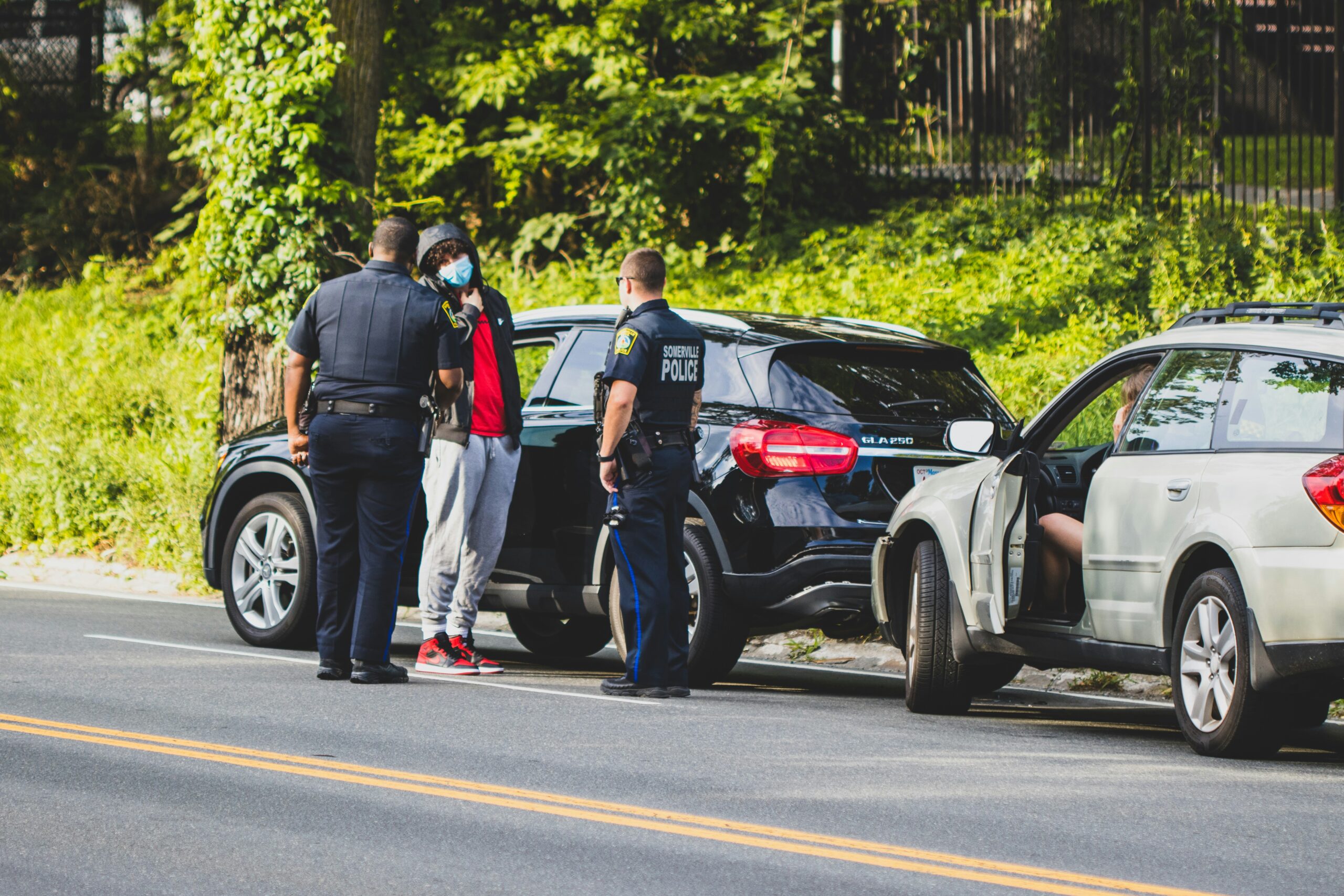
Shared fault arises in many different types of collisions. Although every accident is unique, certain situations commonly involve more than one negligent driver.
One frequent example involves intersection accidents. A driver may fail to yield while another enters the intersection at an excessive speed. Both actions contribute to the collision, making liability more difficult to determine.
Rear-end collisions can also involve shared fault under certain circumstances. While the rear driver is often presumed responsible, exceptions exist. A lead driver who suddenly reverses, has malfunctioning brake lights, or stops unexpectedly without reason may also share responsibility depending on the facts.
Lane-change accidents often present similar issues. One driver may fail to check blind spots before merging, while another may be speeding or driving aggressively. Determining which actions contributed most significantly to the crash requires careful analysis of the available evidence.
Multi-vehicle pileups frequently involve several negligent drivers. Poor weather, distracted driving, following too closely, excessive speed, or delayed braking may each contribute to a chain-reaction collision involving numerous vehicles.
Because these accidents often involve overlapping causes, liability investigations can become significantly more complex than those involving a single negligent driver.
How Is Fault Determined After a Collision?
Determining fault in a car accident is rarely based on one piece of evidence alone. Insurance companies, attorneys, and, if necessary, courts review the facts surrounding the collision to determine how each driver’s actions contributed to the crash. Their goal is to assign a percentage of responsibility to each party based on the available evidence.
The investigation often begins with the police report. Although an officer’s opinion does not automatically determine legal liability, the report frequently includes important observations about the accident scene, statements from the drivers and witnesses, road conditions, traffic violations, and diagrams of the collision. This information can provide a valuable starting point for determining fault.
Investigators also examine whether any driver violated traffic laws. Running a red light, failing to yield, speeding, distracted driving, texting while driving, driving under the influence, or following too closely may all support a finding of negligence. However, even when one driver clearly violated the law, another driver’s actions may also have contributed to the accident.
In more complex cases, accident reconstruction specialists may analyze skid marks, vehicle damage, road conditions, surveillance footage, electronic vehicle data, and other physical evidence to determine how the crash occurred. Their findings can help explain the sequence of events and clarify how responsibility should be divided among the parties involved.
Evidence Used to Establish Shared Fault
Strong evidence is essential when liability is disputed. The more documentation available, the easier it is to understand how the accident occurred and whether multiple drivers share responsibility.
Photographs taken immediately after the accident often provide valuable information about vehicle positions, road conditions, traffic signs, weather, skid marks, and visible damage. These images help preserve details that may disappear once the vehicles are removed from the scene.
Witness statements are another important source of evidence. Independent witnesses who observed the collision may provide unbiased accounts of what happened before and during the crash. Their testimony can help resolve conflicting versions of events presented by the drivers.
Video recordings have also become increasingly valuable. Dashcam footage, traffic camera recordings, security cameras from nearby businesses, and even doorbell cameras may capture the accident as it happens. Video evidence often provides a clearer picture of driver behavior than witness recollections alone.
Medical records are equally important because they document the injuries resulting from the collision. These records help establish the extent of damages and connect the injuries directly to the accident.
In some cases, electronic data stored within modern vehicles may also be reviewed. Certain vehicles record information such as speed, braking, steering input, and airbag deployment immediately before a crash. This data may help investigators determine how the accident unfolded.
How Shared Fault Affects Compensation
One of the biggest concerns for accident victims is whether sharing fault means they will receive no compensation. In many cases, the answer is no. Depending on the laws of the state where the accident occurred, injured individuals may still recover damages even if they were partially responsible for the collision.
When comparative negligence applies, compensation is generally reduced according to the injured person’s percentage of fault. For example, if your total damages are valued at $100,000 and you are found to be 25% responsible for the accident, your recovery may be reduced by 25%, leaving you eligible to recover $75,000.
Damages that may be affected include medical expenses, future medical care, lost wages, reduced earning capacity, property damage, pain and suffering, and other losses related to the accident. The reduction applies only to the percentage of responsibility assigned to the injured party.
Because insurance companies have a financial incentive to assign more fault to claimants, disputes frequently arise during settlement negotiations. An insurer may argue that your actions contributed more significantly to the accident than the evidence actually supports. Challenging an unfair fault assessment often requires careful investigation, thorough documentation, and experienced legal representation.
What Happens When More Than Two Drivers Are Involved?
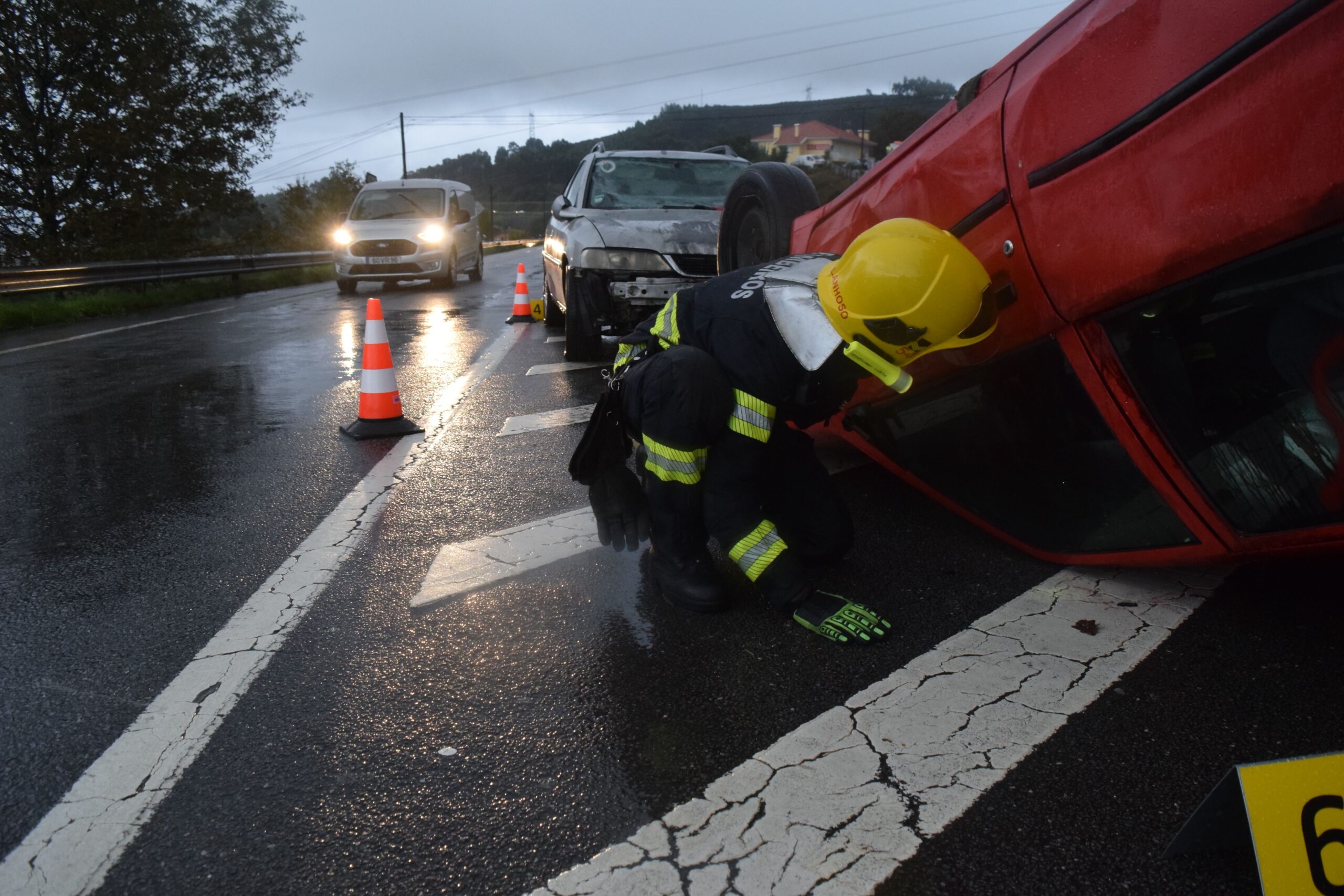
Some of the most complicated car accident claims involve three or more vehicles. Chain-reaction collisions, highway pileups, and intersection crashes can involve several drivers whose actions all contribute to the outcome.
For example, one driver may suddenly stop because of traffic ahead, a second driver may be following too closely and cause the initial impact, while a third driver may be speeding and unable to stop in time. In these situations, each driver’s conduct must be evaluated separately to determine how much responsibility they bear.
Insurance companies typically investigate each driver’s actions individually before assigning percentages of fault. Liability may be divided among several drivers, and more than one insurance policy may provide compensation depending on the circumstances.
Multi-vehicle accidents often involve additional evidence, multiple witness statements, expert analysis, and more complex negotiations than two-car collisions. Because several insurance companies may participate in the claim, resolving these cases frequently takes longer and requires careful coordination.
Can You Still Recover Compensation If You Were Partially at Fault?
In many situations, yes. Being partially responsible for a car accident does not automatically prevent you from seeking compensation for your injuries. Whether you can recover damages depends largely on the negligence laws that apply in the state where the accident occurred.
If your percentage of fault falls within the limits established by state law, you may still recover compensation, although the amount may be reduced based on your share of responsibility. This allows injured individuals to pursue damages even when the accident was not entirely someone else’s fault.
It’s also important to remember that the insurance company’s initial determination of fault is not necessarily final. Their assessment may change as additional evidence becomes available, and if a lawsuit is filed, the court may ultimately reach a different conclusion.
For this reason, accident victims should avoid assuming they have no case simply because an insurance adjuster suggests they were partially responsible. A thorough legal evaluation may reveal evidence that supports a different allocation of fault and significantly improves the value of the claim.
Frequently Asked Questions
Can both drivers be at fault for a car accident?
Yes. Many accidents involve shared responsibility, with each driver’s actions contributing to the collision. The percentage of fault assigned to each person depends on the available evidence and the applicable state law.
Can I recover compensation if I was partially responsible?
Often, yes. Many states allow injured individuals to recover damages even if they share some responsibility for the accident, although compensation may be reduced according to their percentage of fault.
Who decides how fault is divided?
Insurance companies typically make an initial determination during the claims process. If the parties cannot reach an agreement and the case proceeds to court, a judge or jury may ultimately determine each party’s percentage of fault.
What evidence is most helpful in proving fault?
Police reports, witness statements, photographs, dashcam footage, surveillance videos, medical records, accident reconstruction reports, and electronic vehicle data can all help establish how an accident occurred and who was responsible.
Should I speak with an attorney if fault is disputed?
Yes. Shared-fault cases are often more complex than accidents involving a single negligent driver. An attorney can investigate the collision, gather evidence, challenge unfair fault assessments, and work to maximize the compensation available under the law.
Final Thoughts
Determining fault after a car accident is not always as simple as identifying one negligent driver. Many collisions result from a combination of mistakes, and the law recognizes that more than one person may share responsibility. Whether the accident involved two vehicles or a complex multi-car crash, understanding how shared fault works is essential when pursuing compensation for your injuries and financial losses.
If you are found to be partially at fault, don’t assume you have no legal options. In many states, comparative negligence laws allow injured victims to recover compensation even when they share some responsibility for the collision. However, your percentage of fault can directly affect the amount you ultimately receive, making it important to present strong evidence supporting your claim.
Building a successful shared-fault case often requires much more than simply explaining your side of the story. Police reports, medical records, witness statements, photographs, dashcam footage, surveillance videos, and expert analysis may all help establish how the accident occurred and challenge inaccurate conclusions reached by the insurance company.
Because insurers have a financial incentive to reduce payouts, they may attempt to assign a greater percentage of fault to injured claimants than the evidence supports. Without experienced legal representation, accident victims may unknowingly accept an unfair settlement that fails to reflect the true value of their case.
An experienced car accident attorney can investigate the collision, gather critical evidence, work with accident reconstruction experts when necessary, negotiate with insurance companies, and advocate for the compensation you deserve. Whether your injuries involve medical expenses, lost wages, reduced earning capacity, or pain and suffering, having knowledgeable legal guidance can make a meaningful difference throughout the claims process.