

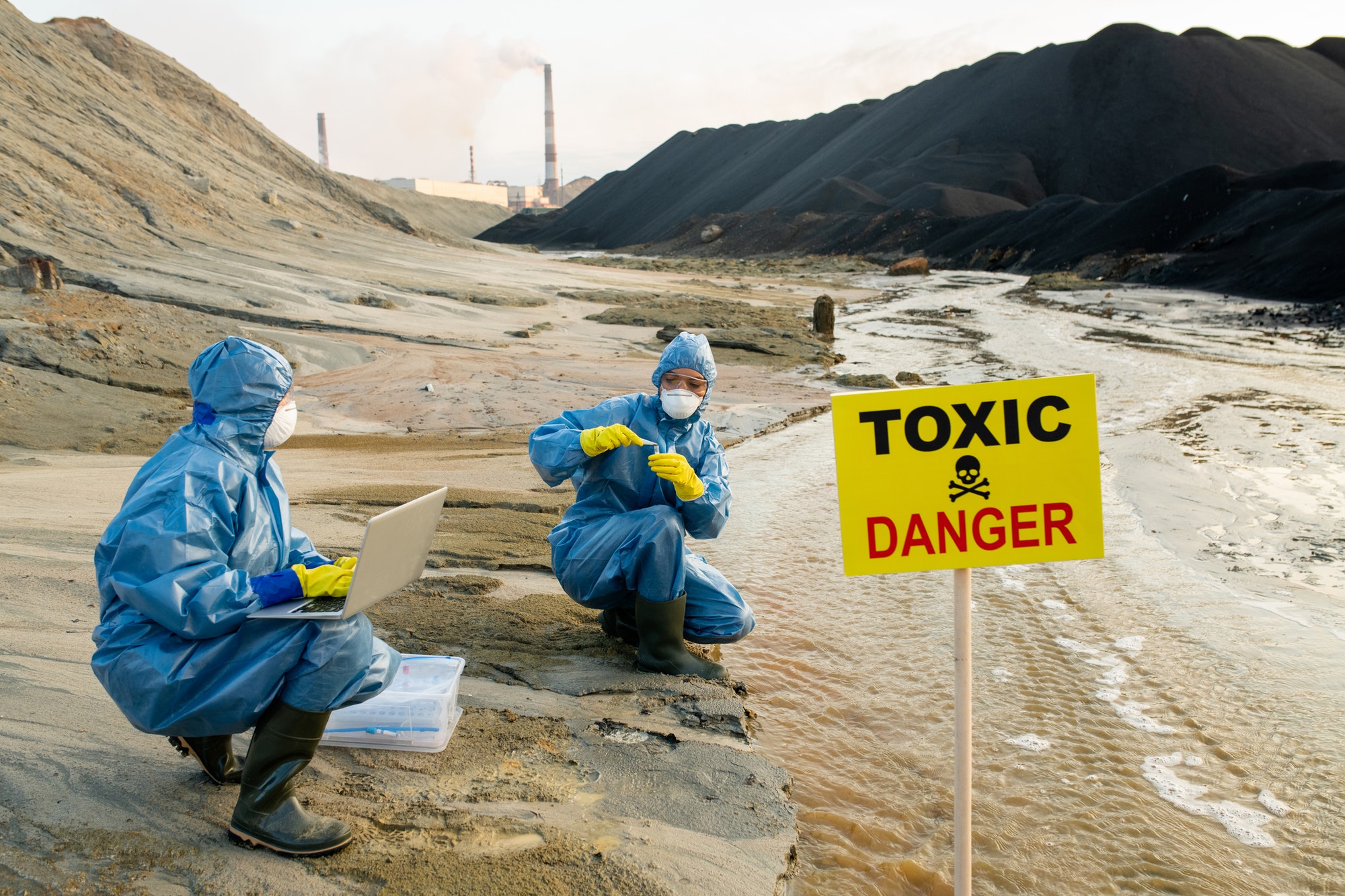
Why do toxic tort cases need experts? These claims deal with scientific, medical, or technical facts that most of us don’t know. Demonstrating injury from chemicals, toxins, or hazardous substances relies on concrete connections between exposure and health impacts. Courts want experts to explain these connections in clear language, with research, data, and their own expertise. Your toxic tort case may require a scientist, doctor, or engineer to explain how an exposure can cause harm or to show that other causes are unlikely. Anticipate the body to explain how expert testimony works, who gives it, and why it sometimes can shape your toxic tort claim outcome.
Key Takeaways
- You need expert testimony in toxic tort cases because establishing a connection between exposure and harm frequently involves intricate scientific explanations.
- Experts explain causation, measure the exposure, and eliminate other causes. They provide your case clarity and credibility in the eyes of judges and juries.
- Various types of experts, including toxicologists, epidemiologists, doctors, and industrial hygienists, each provide a piece of supporting testimony for your allegations.
- These expert opinions play a significant role in shaping legal strategies, settlement discussions, and presenting evidentiary clarity at trial.
- This is where meeting judicial standards, such as those established by the Daubert Standard, comes in, so your experts must work toward using reliable and accepted scientific methods.
- To get ready, pull together your medical records and proof of toxic exposure. Explore speaking with seasoned lawyers to learn your options.
The Causation Conundrum
In toxic tort law, tracing harm to a specific toxic substance is often not straightforward. Courts demand more than just a matching timeline; they require a direct, demonstrated connection between the exposure and the damage. This is where it becomes challenging. You rarely have direct evidence, so you’re often left working with circumstantial evidence, which complicates the toxic tort claims process. The table below illustrates how these challenges manifest in toxic tort litigation:
Challenge | Why It Matters |
Circumstantial evidence | Hard to show a clear, direct link between cause and effect; juries may doubt the claim if only circumstantial facts are given. |
Need for a direct link. | Courts look for proof that connects the exposure to the harm, not just that both happened close in time. |
Courts require a ‘biologically plausible theory’ to show how a chemical might cause harm, rather than simply that someone became ill after exposure. For instance, if a laborer claims he’s sick after using a cleaning product, it’s not enough to show he used the product and then fell ill. There must be a scientific explanation of how the product’s toxic chemicals could lead to those symptoms.
The Bradford Hill criteria assist professionals in establishing this connection. These criteria include factors such as the strength of the association, whether findings replicate in other studies, and whether the timing is appropriate. Meeting just one or two criteria isn’t adequate; a robust, statistically significant link is essential, alongside a thorough evaluation of all nine factors. Sometimes, even with these tools, specialists struggle to pinpoint a single chemical responsible, which can undermine the toxic tort lawsuit due to ambiguity.
You might assume that any exposure is enough for a potential claim of harm. However, many courts reject this notion unless an expert can prove that there is no safe level of exposure, especially for vulnerable populations. For example, if a factory worker is exposed to a solvent, but the toxic tort attorney cannot establish that the solvent is hazardous at any level, the claim may falter.
Expert witness testimony is vital in these cases. Juries rely on clear expert guidance to help them navigate complex scientific facts. Without it, your toxic tort lawsuit risks getting lost in intricate details. Building a solid case often takes years of extensive research and necessitates experts who can effectively communicate the scientific evidence to a reasonable jury.
Why Expert Testimony is Essential
Expert testimony forms the heart of toxic tort litigation, particularly in personal injury cases involving toxic substances. You need to demonstrate injury from toxic exposure, often in litigation where the science is complex and the issues are not simple. This highlights the necessity of qualified expert witness testimony, as each expert provides crucial evidence to unlock the link between proof and understanding, specifically relating to exposure, causation, and damages.
1. To Establish Causation
To prove causation in a toxic tort claim, you must establish a connection between the exposure to toxic substances and the resulting injury. Experienced attorneys often rely on scientific evidence, including clinical studies and accepted practices, to substantiate this link. Expert witness testimony from toxicologists or medical professionals can articulate how a specific chemical likely caused your health issues, using statistical models or dose-response relationships to support their claims.
Establishing proximate cause is crucial for liability in toxic tort litigation. Without sufficient evidence from qualified experts, courts often struggle to determine if a harmful substance was the actual cause of your injury, especially when multiple potential causes exist or when symptoms resemble other conditions.
2. To Explain Science
Jurors likely don’t have a chemistry or medical background. That’s where the experts come in to translate all that scientific jargon into simple language. They can demonstrate how particular materials damage individual cells or why some impacts take years to manifest. They help bust myths about toxic exposure, such as the myth that small exposures can’t possibly hurt.
Science backs up these explanations. Specialists make the findings digestible. For instance, they may reference international studies on air quality or chemical safety thresholds to demonstrate real-world impacts. This aids jurors in comprehending the science behind your statement beyond the statistics.
3. To Quantify Exposure
To prove your case, you must show how much of a toxic substance you encountered. Experts use records, site assessments, and monitoring data to measure exposure levels. They review historical data, such as workplace logs or environmental reports, and use scientific methods to estimate exposure over time.
The extent of the exposure influences both fault and damage. If you can demonstrate a larger dose and a longer time frame, then your case for damages is more compelling. Experts can construct a timeline that links the toxic exposure to your symptoms, which is important for proving when and how damage happened.
4. To Rule Out Alternatives
They anticipate that you’ll carefully consider alternative explanations. Expert testimony eliminates other explanations for your injuries. For example, a medical expert could demonstrate that your lung condition is not the result of smoking or genetics but rather prolonged exposure to asbestos.
This consists of going through your medical history, environment, and other risk factors. By excluding confounding factors, experts make your argument more compelling. Their conclusions provide the court with greater assurance that the defendant’s conduct caused your damages.
5. To Assess Damages
It’s difficult to calculate damages in toxic tort cases. Experts evaluate not only physical injury, but the expenses associated with medical treatment, lost income, and permanent consequences. They utilize medical records, economic predictions, and established models to predict what is needed moving forward.
Their expertise assists courts in determining reasonable fees. This isn’t just about your existing bills, but continued treatments and how this will affect your health and income potential going forward. Their testimony is the foundation of damage claims, converting impairments into easy-to-comprehend numbers.
The Different Types of Experts
In toxic tort litigation, expert witnesses provide essential assistance in establishing that a toxic substance caused harm, especially in cases involving chemical exposures like asbestos, mercury, or pesticides. Symptoms from these exposures can manifest decades later, making it challenging to establish a causal relationship without the right scientific evidence. Various types of professionals collaborate to characterize how the exposure occurred, what impact it had, and who is liable for the injuries sustained by plaintiffs.
- Toxicologists reveal how a particular thing, whether hexavalent chromium or sarin, damages the body.
- Epidemiologists connect exposure patterns to disease patterns in populations.
- Medical doctors diagnose and explain health problems caused by toxins.
- Industrial hygienists look at the workplace and environment to identify where and in what manner exposure occurred.
Selecting the appropriate toxic tort attorney is crucial, as they need to have specific knowledge and experience with the particular material or work environment in your case. Their testimony should withstand scrutiny, so choosing someone with a strong history in toxic tort claims is vital. These experts frequently work together, merging their findings to construct a comprehensive and intricate argument.
Toxicologists
Toxicologists research the impact of toxic substances and toxins on human health. Their primary role is to determine if the agent, such as PCB or asbestos, is harmful at particular levels. They understand how to test and quantify occupational exposure, establish safe boundaries, and identify symptoms of contamination. In court, they testify about how exposure might have made someone sick, providing crucial evidence that helps connect the substance to injury and establish causation before the judge and jury.
Epidemiologists
Epidemiologists examine trends of illness and harm within populations, often focusing on toxic substances. They employ studies to demonstrate whether individuals exposed to a chemical have an increased probability of becoming ill compared to others. Their research could indicate, for instance, that manganese workers have elevated rates of specific lung diseases. Courts often depend on these studies as crucial evidence to establish the connection between exposure and sickness in toxic tort litigation. Epidemiologists rely on big boxes of data, and their conclusions can support arguments for one individual as well.
Medical Doctors
Doctors contribute their medical expertise to diagnose illnesses related to toxic tort claims and exposure to harmful substances. They scan records, test results, and symptoms to determine if a toxic chemical or drug probably caused the health problem. Their insights assist in explaining the connection between exposure and specific injuries, guiding the potential claim for victims.
Industrial Hygienists
Industrial hygienists examine how and why a person was exposed to a toxic substance, which is crucial in toxic tort litigation. They inspect work sites, safety rules, and exposure levels to uncover unsafe procedures or defective machinery, helping determine whether a defendant is liable in a toxic tort lawsuit.
How Experts Influence Case Strategy
Expert testimony significantly influences toxic tort litigation strategy in ways that extend well beyond mere fact dissemination. You depend on qualified experts to dissect sophisticated science and demonstrate how exposure to toxic substances connects to the injury. Their feedback shapes your strategy from initial settlement discussions to final trial arguments, as the expert’s credibility and techniques can tip the balance for or against your side.
Settlement Negotiations
Expert evaluations set the stage for talks about compensation. When you have an expert who can back up claims with solid data and clear logic, your position gets stronger. This is especially important if the science or medicine is hard to follow.
One credible expert can turn the tide by demonstrating how exposure translates to health issues. Their reports assist both sides in visualizing the risks and rewards of further litigation. This can nudge parties toward reasonable resolutions. Experts provide a fresh perspective on damages, highlighting things you may overlook. This information frequently results in more measured and factual compensation offers.
Trial Presentation
To win trials requires crisp, uncomplicated explanations of technical facts. Your expert can bring jurors face-to-face with what’s really at stake with charts, models, or even live demos. The right expert helps a jury follow, remember, and trust your story.
Jurors pay attention to an expert’s credentials, manner of speaking, and perceived credibility. If cross-examination reveals questionable methodology or a biased perspective, credibility is lost. That’s why you require a strategy that integrates the expert’s discoveries into your trial narrative, not simply as an appendage. The more powerful and precise your expert’s message, the more jurors will side with you.
Future Projections
Expert insights extend beyond current damage. They assist you in projecting long-term health effects. This impacts jury damages for future care, lost wages, and other needs.
Jurors rely on experts to explain probable obstacles in simple language. When your expert breaks down what care will cost and why it matters, awards for future damages are fair and realistic. These projections are crucial in demonstrating continuing needs that aren’t immediately apparent. You need experts to link present facts to future peril.

Navigating Judicial Gatekeeping
Courts serve as the gatekeepers in determining whether your expert witness testimony is admissible in a toxic tort lawsuit. Judges evaluate if this testimony is trustworthy and relevant to your toxic tort litigation, relying on criteria rooted in scientific evidence. Adhering to standards like the Daubert Standard is crucial, as it can be the difference between advancing your toxic tort claim or facing dismissal before the trial even starts.
The Daubert Standard
Daubert Element | What It Means in Toxic Tort Cases |
Testability | Can other scientists test the expert’s theory? |
Peer Review | Has the method been published and reviewed? |
Error Rate | Is there a known rate of error? |
Standards | Are there clear standards for using the method? |
General Acceptance | Do other scientists in the field use it? |
Under Daubert, courts check if your evidence is both reliable and relevant in toxic tort litigation. This means judges look for scientific evidence and methods that others can test, review, and accept in the field. In toxic torts, dose-response analysis is critical. The judge wants proof that your expert’s method, such as measuring chemical exposure, aligns with established science. Experienced attorneys must ensure their experts use sound methods and clear logic; otherwise, the case will not get past the gatekeeper.
Credibility Challenges
- Your expert’s base must be solid on demonstrated science.
- Prove the expert possesses appropriate academic credentials and relevant professional experience.
- Support each assertion with concrete, verifiable data and procedures.
Judges and the other side will attack your expert’s expertise, so you have to be able to present a complete background of their work and education. Come armed with published studies, previous testimony, or certifications to demonstrate the expertise. It reduces second-guessing and fortifies your argument.
Don’t lay a solid foundation, and your expert’s opinions could get tossed. Prepare for bias or methodological questions. They should always think ahead and be prepared to defend the expert’s credibility.
Conflicting Testimony
Even in toxic tort cases, there are experts for both sides with differing opinions. Occasionally, one expert says a dose is safe, and the other says it is not. This can confuse the jury or judge.
Your task is to demonstrate that your expert’s opinion is more reasonable. Expose the other side’s flaws. Use clear charts, data, or an analogy that anyone can understand. Focus on information that survives rigorous inquiry.
We, lawyers, should navigate the jury through all of this. Guide them through judicial gatekeeping to help them determine which expert applies the science-tested facts. A robust, straightforward narrative assists your argument to shine.
What You Should Do Now
Toxic tort cases can be challenging due to the convoluted science and the difficulty in proving facts without the help of experienced attorneys. To safeguard your rights in toxic tort litigation, it is crucial to have legal guidance and ensure every action you take is well-informed.
Create a checklist to gather relevant medical records and evidence of exposure for your case.
If you’re inspired to take action, begin by listing what you need for your potential toxic tort claim. Medical records are crucial, so obtain records of all visits, tests, and treatments related to your symptoms. Follow your work and living history to demonstrate when and where you could have been exposed to toxic substances. If possible, obtain photographs, emails, or reports indicating where the exposure occurred. Write down everything you handled. If you employed safety equipment, record that as well. Even little things, like a shift in your health or work habits, assist in establishing a direct connection between the exposure and your injury. If other people around you have similar health issues, see if you can collect their histories with permission. This checklist will assist your toxic tort attorneys and any expert witnesses in preparing a strong, fact-based argument.
Gather relevant medical records and evidence of exposure for your case.
Once your checklist is ready, begin gathering each item, including crucial evidence such as full copies of your files, scans, and test results from your doctors. If you had multiple doctors, it’s essential to obtain records from all of them. For occupational exposure or residential exposures, request records from your employer or landlord. Additionally, if you find news articles or public warnings regarding the toxic substances, save those as well. You may require expert witness testimony to link your illness to the exposure, so the more evidence you have, the higher your chances in toxic tort litigation. Causation is the most difficult to demonstrate, and qualified expert witnesses use these documents to illustrate how the exposure might cause your damages.
Understand your rights and potential claims related to toxic exposure.
You might be better off than you imagine. Toxic tort laws are stringent and differ from country to country or state, but largely safeguard you from damage resulting from unsafe chemicals at work, home, or in products. You may have claims for medical expenses, lost income, or damage to your quality of life. For your company that’s facing an allegation, learn the science and the law to build a strong defense. An experienced corporate defense lawyer can walk you through your options, from disputing causation to pursuing a fair settlement.
Acting now can reduce your losses and achieve a reasonable resolution to the case.
Prepare for an initial consultation to discuss your situation and options.
When you initially meet with a toxic tort attorney, take all your records and notes. Be prepared to discuss what occurred, how you’re feeling physically, and your worries. Inquire about the relevant laws related to your toxic tort claim and the scientific evidence necessary to establish your case or defense. An experienced attorney will know the science, the law, and how expert witness testimony can support your side. They can guide you on how to fight back against allegations or, if necessary, settle out of court, helping you achieve the optimal result with less strain.
Conclusion
Expert testimony is often necessary to identify a substance, determine how an exposure occurred, and establish whether the exposure caused the injury. You need facts that hold up in court. Experts assist you in demonstrating that chemicals or other aspects of your world damaged your health or life. They employ science, actual testing, and definitive reports. A physician can discuss health. A lab hand can shuffle through data. Judges want to see this sort of evidence before they will allow your case to proceed. Cases with expert assistance move faster, cost less time, and give you a better chance at actual assistance. If you deal with a toxic injury, seek out qualified experts early. Interested in learning more or getting assistance? Contact a legal team with actual expertise in toxic torts.
Frequently Asked Questions
1. Why are expert witnesses important in toxic tort cases?
Expert witnesses play a crucial role in toxic tort litigation by assisting you in demonstrating the connection between a toxic substance exposure and your health issues, often providing scientific evidence to explain complex facts to the court.
2. What types of experts are used in toxic tort cases?
You might require medical professionals, environmental scientists, or toxic tort attorneys. Each expert addresses a separate component of your toxic tort lawsuit, such as exposure, the health impact, or safety standards.
3. How does expert testimony support your case?
Expert witness testimony lends your toxic tort claims weight. Experts bring scientific evidence to bear for your side, which not only strengthens your position but also helps judges and juries comprehend the complexities.
4. Who decides if an expert can testify in your case?
The judge assesses the qualifications of an expert witness in toxic tort litigation, ensuring their credentials are credible and their techniques are reliable for the specific toxic substances involved in your case.
5. Can you win a toxic tort case without expert testimony?
Toxic tort cases are incredibly complicated, often requiring toxic tort attorneys to provide expert witness testimony to establish the link between exposure to toxic substances and the resulting injury.
6. How should you choose an expert for your case?
Seek experienced toxic tort attorneys with solid credentials and relevant experience, as they can assist you in locating the appropriate expert witnesses.
7. Does expert testimony increase your chances of success?
Yes. That’s why in toxic tort cases, judges and juries depend on qualified expert testimony. The right toxic tort attorney can make your case clearer, more convincing, and more likely to win.