Key Takeaways
- Who is liable for a company vehicle accident depends on who is involved: employers, employees, contractors, and even third parties like manufacturers and maintenance providers.
- Whether the company is responsible largely depends on the scope of employment and the employee’s activities at the time of the accident. This is more so under vicarious liability and where company policies are disobeyed.
- Company negligence, whether through inadequate safety measures, poorly maintained vehicles, or failure to enforce safe driving protocols, can increase liability exposure and lead to significant financial and reputational damage.
- Insurance is key to dealing with accident consequences, with differences among commercial, personal, and workers’ compensation policies influencing coverage, liability, and claims procedures.
- The classification of workers as employees or contractors impacts your exposure and insurance coverage. Make sure that you’re classifying appropriately and that your contracts are clear regarding liability and insurance requirements.
- Timely accident reporting, evidence preservation, and legal consultation are key to safeguarding company interests, expediting claims processing, and securing just compensation for everyone.
Company vehicle accident liability means a company can be liable when an employee is involved in a wreck in a company vehicle. The vast majority of laws say the company has to pay for injury or damage if the employee was driving for business purposes. Fault can lie with the worker or other drivers, depending on what occurred in the accident. Insurance, such as liability or a comprehensive plan, usually determines who foots the bill. Rules and coverage can vary by country or region, so companies need to be aware of the local laws. To reduce liability, establish explicit company car policies and provide safe driving instruction. The following sections illustrate how companies can mitigate risk and what to do after a crash.
Determining Company Vehicle Accident Liability
Company vehicle accident liability is more complex than that of a regular car accident. These cases have multiple players, a variety of legal principles, and the intersection of employment law and negligence standards. Establishing company vehicle accident liability requires you to examine the details, the employment relationships carefully, and whether any company actions or policies played a part.
Potentially responsible parties in a company vehicle accident:
- Employee driver
- Employer (company)
- Third-party service providers (maintenance, repairs)
- Vehicle manufacturer (defective parts)
- Other drivers or road users
1. The Employer’s Role
Your employer is liable for accidents if you’re an employee and on the clock. Vicarious liability means that if the driver was performing work, the company might be responsible. This is particularly the case in jurisdictions with strict vicarious liability laws, such as Florida, where employers are generally liable if the work assignment involves driving. Company policies come into play. For instance, if a firm permits personal use of company vehicles without bound parameters, this can blur the lines and introduce risk. When employers dictate when and how vehicles are used—whether setting routes or schedules or monitoring behavior—their accountability expands, particularly if inadequate oversight creates unsafe habits.
2. The Employee’s Actions
Employee negligence, such as texting while driving or driving under the influence, can result in personal liability. Employers can mitigate risk by providing safety training and imposing rigorous driving standards. If an employee combines personal and work tasks, liability can change, particularly if the accident occurs when the employee is off on non-sanctioned work duty. A driver’s record counts as well. A history of speeding tickets or reckless driving makes both the employee and the employer more vulnerable to claims.
3. The Scope of Employment
The scope of employment means the activity has to be within the course of employment. If an employee drives the company vehicle for business purposes, the employer may be responsible. Taking it off-duty or without permission frequently makes the driver liable. Job duty definitions and tracking of approved vehicle use are important risk-reduction measures. In most jurisdictions, comparative negligence laws permit blame to be apportioned to multiple parties, so a detailed investigation into who was doing what at the time is essential.
4. The Company’s Negligence
Company negligence includes poor vehicle maintenance, such as defective brakes, bald tires, or service orders overlooked, which may place full liability on the company or a maintenance contractor. Neglecting to establish or enforce safe driving policies or to maintain driver training may incur the company’s liability in the event of an accident. If companies don’t check driving records or turn a blind eye to risky behavior, courts are more prone to hold them liable.
How Insurance Shapes the Outcome
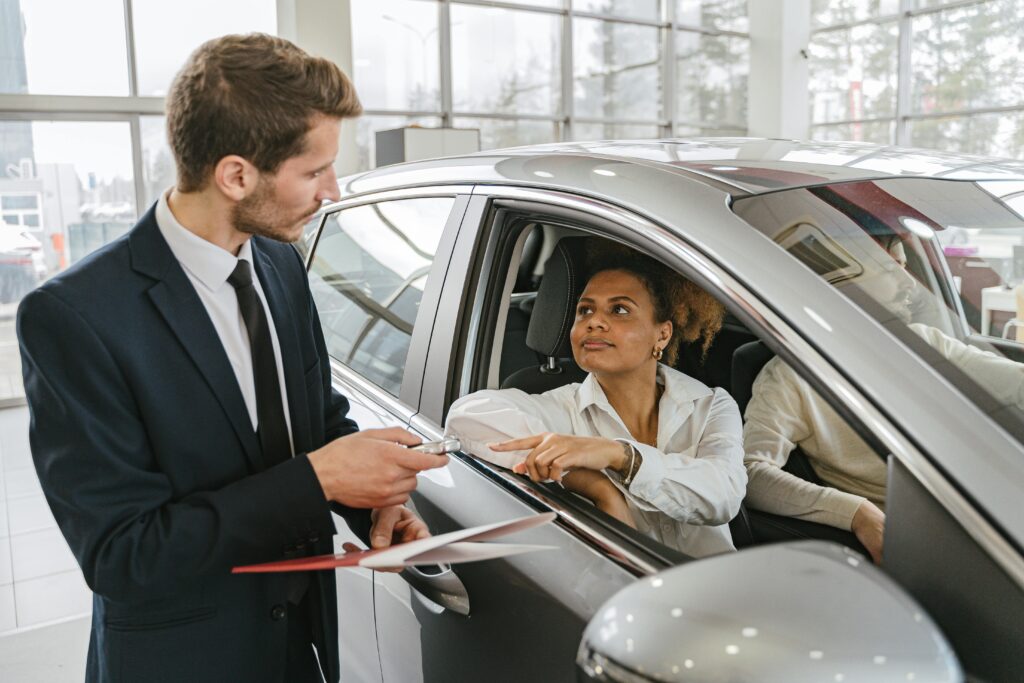
In company vehicle accident cases, insurance becomes a web of many, each with its own function. Knowing these layers is crucial for anyone seeking to untangle fault and restitution after an accident. In some situations, more than one policy comes into play, such as the company’s commercial auto policy, the employee’s personal policy, and even umbrella or excess coverage. How insurance factors in also determines the outcome. Whether a policy pays first and how much each pays can depend on accident details, who was driving, and local laws, such as Florida’s no-fault system.
- Commercial auto insurance (the company’s main policy)
- Personal auto insurance (for employees or drivers)
- Umbrella/excess liability
- UM/UIM (company or victim)
- Workers’ compensation (for employee injury cases)
Commercial Policies
Commercial auto insurance protects against property damage, bodily injury, uninsured/underinsured motorists, medical expenses, and repairs for company vehicles. These policies define coverage thresholds and exclusions, such as unpermitted drivers or use of the vehicle for non-business reasons. How Insurance Factors In Insurers account for risk based on driver records, vehicle use, and claims history. Policy violations, such as allowing an uninsured worker behind the wheel, can void coverage or make somebody else liable in whole or in part, frequently resulting in messy claims juggles.
Claiming under a commercial policy implies recording the accident, confirming the driver’s permission, and demonstrating the occurrence during employment. The insurer verifies everything, from who signed the rental agreement to whether the crash was covered.
Personal Policies
Personal auto insurance generally won’t cover company car accidents unless the employee drove the vehicle for non-work reasons or the company policy refuses coverage. Even when both policies do exist, insurers can argue over who goes first. Overlapping coverage can lead to a dispute between insurance companies if the personal policy attempts to exclude or restrict coverage for business use. If the personal insurance pays, the employer might later seek reimbursement, which could affect liability and even employees’ future premiums.
Workers’ Compensation
Workers’ compensation protects workers injured in car crashes on the job, offering care and lost wage replacement no matter who’s responsible. This insurance covers direct work injuries, not third-party property or all liability. If a worker receives workers’ comp, that may cap their ability to sue the employer, thus shifting some liability away from the business. This interaction with commercial auto insurance and personal coverage ultimately influences the result, as they can overlap or exclude loss.
Why Worker Classification Matters
That worker classification determines how fault is assigned when a company vehicle is involved in a wreck. Whether a person is classified as an employee or an independent contractor determines liability insurance, legal obligations, and the employer’s financial exposure. In most places, the lines are blurry, but the stakes are significant for employers and workers.
Employee Status
Employee status is when a worker is engaged under a contract of service and is subject to the employer’s direction and control. In a company car accident, this difference is crucial. Employees are protected by labor laws that provide benefits such as workers’ compensation and unemployment benefits. If an employee is injured while driving a company car, the employer is generally held liable for damages under the principle of vicarious liability.
Workers can expect their employer’s insurance to cover the claim and pay for injuries or property damage. Employers are required to provide certain protections and often pay higher insurance premiums to address this risk. In certain circumstances, the exclusivity doctrine prevents employees from suing their employers for workplace injuries in excess of what workers’ compensation covers, even when a third party caused the accident.
When an employee is at fault or a victim in a car accident, the employer’s liability may extend to third-party claims as well. This can lead to hefty expenses, particularly if the accident is severe or involves multiple individuals.
Contractor Status
Independent contractors provide services under a contract, have greater control over how they do the work, and may supply their own equipment or vehicle. This status shifts the liability dynamic. If a contractor has an accident in a company car, the employer generally isn’t responsible unless there’s misclassification or the employer controlled the contractor’s actions.
Contractors aren’t entitled to workers’ compensation or unemployment benefits, so if they crash, they’re much more vulnerable. The terms in contractor agreements can move liability. For instance, the contract may require the contractor to have their own insurance or to be responsible for any accidents. In states like New Jersey, misclassifying a worker can expose you to fines of up to $5,000 per 10 days. Employers can be criminally charged if the misclassification was willful.
In mixed-fault accidents, worker classification can impact how fault and compensation are divided. A misclassified worker can sue the employer, creating additional liability exposures.
When Others Share the Blame
When a company vehicle crash occurs, it’s not always about pointing fingers at just one person. Various groups, such as car manufacturers, repair shops, or the government, can share the blame. Determining fault usually involves assigning blame to one or more parties based on their specific actions and the causes of the accident. Many countries use comparative negligence, apportioning blame and damages based on each party’s level of contribution. For instance, Missouri’s pure comparative negligence rule allows parties to recover funds even if they are mostly at fault. At the same time, certain jurisdictions prohibit recovery if an individual is more than 50 percent responsible. All these rules make it imperative to list all potential liable parties, as missing one can potentially restrict or defer legitimate demands. Co-owners, for instance, can get dragged into lawsuits even if they weren’t there. Eyewitnesses, vehicle records, and police reports are key to untangling these messes.
Vehicle Manufacturers
Automakers are responsible if a design or manufacturing defect causes or exacerbates an accident. If a crash occurs because the brakes do not work or an airbag fails to deploy, the manufacturer may be held partially responsible. Safety recalls are part of it. If a recall was issued but not addressed, or the company was not quick enough, they might be on the hook. A design flaw, in other words, does not just indicate tiny imperfections; it can highlight broader hazards for all road users.
Defective Design Example | Liability Impact |
Brake failure | High |
Airbag malfunction | High |
Poor visibility | Medium |
Faulty lights | Medium |
Maintenance Providers
Stores and service centers should maintain the vehicles in a secure and good condition. If a crash can be tied to bad or missed maintenance, such as worn tires or failed brake inspections, the repair shop may be liable. Maintenance visit records indicate whether work was done properly and promptly. Without concrete logs, it is difficult for either side to demonstrate or eliminate culpability. Suits against providers are hard unless the fault is obvious.
Government Entities
Governments have to maintain roads and keep them safe. If a crash occurs because of potholes, vague signs, or malfunctioning traffic lights, agencies might share in the blame. Filing a claim against a government body often requires more time and documentation than filing with private parties. It’s difficult to prove that bad roads caused a crash, particularly when other factors were involved. When successful, these assertions can pay for damage not only to vehicles but also to victims injured in the wreck.
The Ripple Effect of a Crash
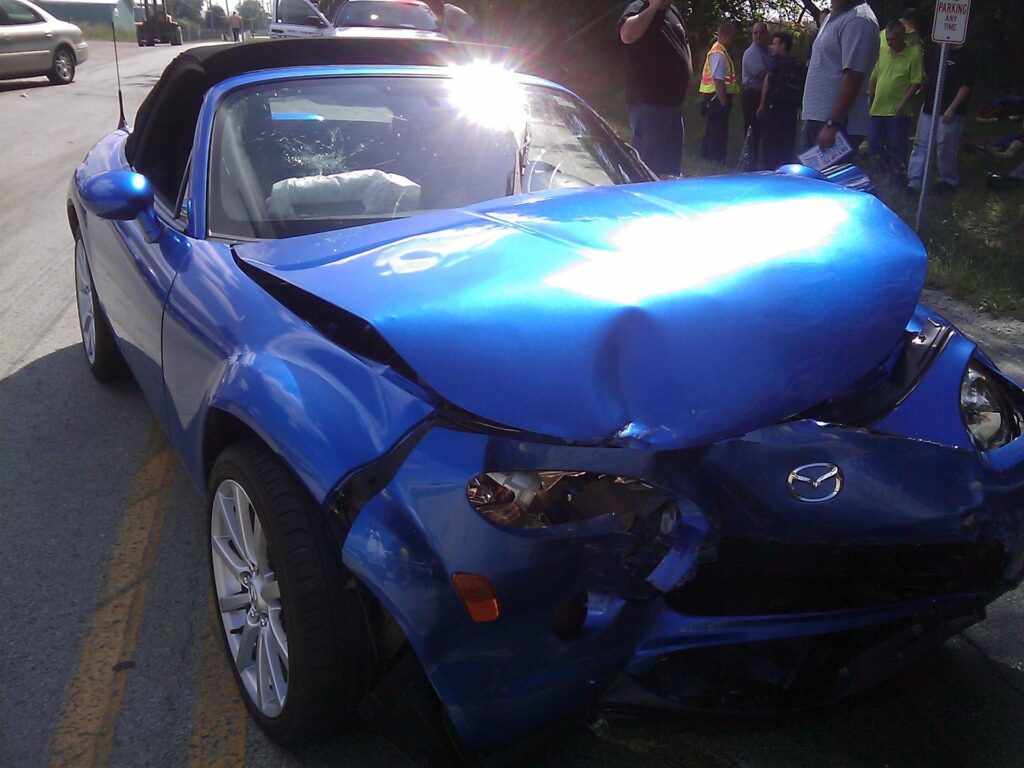
A company vehicle accident is more than just bruised metal. The fallout cascades through monetary, reputation, and operational strata, typically leaving a lasting impact. These ripple effects can threaten business security and require risk management, particularly when multi-vehicle or chain-reaction collisions muddle fault and recovery.
Financial Impact
Direct costs take the initial hit: car repairs, hospital bills, attorney’s fees, and settlements. Indirect costs follow: lost contracts, downtime, and administrative work tied to claims. When multiple vehicles are involved, as in chain-reaction crashes, culpability becomes complicated. With so many policies potentially triggered, from commercial auto to umbrella coverage, payouts can get complicated and increase the risk of disagreements.
Crash costs can eat into winnings. Companies could witness budgets redirected away from growth initiatives to legal or repair invoices. That’s when insurance becomes critical. Without sufficient coverage, a single crash might imperil cash flow. Even with good insurance, premiums typically increase after claims. This price spike can persist for years, especially following a prominent or multiple-car crash.
Reputational Damage
Reputational damage can strike quickly, especially after accidents or crises. How a company communicates, takes responsibility, and engages with the community directly affects public perception. Swift transparency, corrective action, and consistent outreach not only mitigate negative impacts but also help rebuild trust, demonstrating a genuine commitment to safety and integrity.
- Proactive communication—inform stakeholders and the public swiftly and honestly.
- Transparent investigation—share findings and corrective actions.
- Demonstrate your commitment to safety by revising your policies, training your crew, and publicizing your achievements.
- Community outreach assists victims and local organizations in reconstructing positive sentiment.
Managing a crisis is very important. How a company responds, shares information, collaborates with officials, and compensates those affected shapes how the public views them. Negative news spreads fast online, especially if dashcam videos come out or if the accident gets media coverage. Over time, trust can fade, leading to lost customers and making it hard to attract new ones. Rebuilding a good reputation takes time and usually involves being open, sharing important information, and focusing on safety again.
Operational Disruption
Not just your workflow. Wrecked cars translate to late deliveries, postponed appointments, or late service. Productivity suffers as employees handle claims, investigations, or replacement logistics. Employees might experience a diminished sense of safety, impacting morale and causing stress or anxiety, particularly if trauma ensues after a serious collision.
This is why contingency planning counts. Firms with backup vehicles, response protocols, and employee support spring back more quickly. These plans minimize downtime and regain confidence with both staff and clients. They maintain business momentum while managing the aftermath.
What to Do After an Accident
When a company car is in an accident, it can be dangerous for both employees and employers. How you react in the first minutes and hours can influence the trajectory of liability, insurance, and legal processes. The following steps are recommended:
- Secure everyone’s safety. If there are injuries or a fire hazard, call emergency services (e.g., 911) immediately. Get to safety if you can, but don’t flee the scene.
- Don’t discuss fault or blame with others at the scene, including witnesses, other drivers, or responding officers. Admitting fault affects how insurers handle the claim and may have legal consequences.
- If you are involved in an accident, exchange contact and insurance information with other parties. Collect employer and company car details where necessary, according to company policy.
- Contact your employer and insurance company immediately, typically within 24 hours, as lots of policies require immediate notification.
- Gather and save evidence such as photos, videos, and witness testimony. These documents are crucial for liability and lawsuits.
Preserve Evidence
Key evidence includes photos of the vehicles, road conditions, skid marks, and damage or debris. Take close-ups as well as wide shots. Take pictures at various angles to add context—secure contact information from witnesses and, if they cooperate, short written statements. A quick recording on your phone can come in handy.
Taking pictures of the scene provides an accurate record for liability and insurance purposes. Even seemingly insignificant information, such as the weather or what type of stop signs were posted, can be relevant down the road. Evidence not only aids in accident reconstruction, but it can back up your side of the story if there’s a disagreement.
Witness statements will support your statement and can be vital in situations where fault is ambiguous. Witnesses who have nothing to do with either party are particularly helpful. Their impartial observations can be powerful to insurers and the courts.
Photos and videos serve as lasting documentation. In cases where pictures will often trump written or oral testimony, maintain all digital files for future reference.
Report Promptly
Immediate reporting to your insurer is essential. It is important to notify within 24 hours for most policies. Delays can lead to claims being denied.
It is required by law to report to local authorities, particularly if there were injuries or significant property damage. In most places, if you don’t report, you can get in trouble.
Neglecting to report immediately can eviscerate your claim. Insurers will question facts or deny coverage if policies are not adhered to. Quick reporting helps you avoid these traps and provides clear documentation of the incident.
Prompt notification accelerates claims processing. It allows insurers to look into things while details are still fresh, minimizing risk for disagreements or holdups.
Seek Counsel
A personal injury attorney consultation shields you and guides you through complicated liability questions. Lawyers know comparative fault laws, like California’s, which allocate fault according to each party’s contribution. A lawyer clarifies coverage limits, insurers’ obligations, and potential available sources, such as workers’ compensation, when you are hurt on the job.
Lawyers can talk to insurers, settle out of court, and fight for you if need be. Their experience is crucial when dealing with insurer resistance or unclear fault.
If you don’t know what to say or do, a lawyer will help preserve your rights and options. They’ll assist you in hitting any deadlines and following legal procedures that may be important for a claim.
Conclusion
Company vehicle accident liability raises many questions about fault and cost. To solve these, consider who was driving, what the task was, and the policies. Insurance is a big part of it, too, sometimes making things easier or more difficult. Employee type determines what happens next. Occasionally, multiple parties can be at fault. Every crash can cause stress, additional procedures, and office adjustments. Quick action, good documentation, and candid communication help minimize risk and loss. Real-life stories demonstrate that no two cases are exactly alike, but defined procedures benefit everyone.
Frequently Asked Questions
Who is responsible if an employee causes a company vehicle accident?
It is typically the company’s liability if the employee was working or otherwise performing work duties at the time of the accident. There are some exceptions if the employee was acting outside their job scope.
Does company insurance cover all vehicle accidents?
When you’re on an authorized work activity, your company insurance usually fully covers accidents. It may not cover if the driver took it out for personal reasons or violated company rules.
Why does worker classification affect accident liability?
Worker classification (employee vs. Independent contractor) is important as companies are typically responsible for employees’ actions, not necessarily contractors. Correct classification can shield a company from unforeseen liability.
Can multiple parties be liable for a company vehicle accident?
Yes, it can be shared. For instance, if another driver or a manufacturer’s defect contributed to the crash, both the company and other individuals could be liable.
What should I do immediately after a company vehicle accident?
Make sure everyone is safe, call emergency services, and immediately report the accident to your employer and insurer. Collect evidence and document the scene if you can.
How does an accident impact a company beyond repairs?
Accidents can result in increased insurance premiums, legal expenses, downtime, and negative publicity. Controlling liability can assist in these effects.
Are employees ever personally liable for accidents involving company vehicles?
Employees can be personally liable if they violate the law, act negligently, or use the car for personal activities. Otherwise, the company typically bears primary liability.