


Key Takeaways
- Hidden injuries can appear hours, days, or weeks after an accident. Seek medical evaluation even if you feel fine and track any new symptoms.
- Adrenaline and slow-building inflammation tend to cover up the pain at first, so watch out for delayed symptoms such as headaches, neck or back pain, swelling, numbness, or dizziness.
- Frequent delayed injuries are traumatic brain injury, spinal damage, soft tissue harm, and internal bleeding, in addition to mental impacts. So, file signs and symptoms and report them to clinicians.
- Maintain a daily symptom diary, including dates, descriptions, and changes, to assist diagnosis, follow-up care, and any personal injury claims.
- Seek advanced imaging or specialist referrals when symptoms linger or worsen to identify internal or neurological injuries and strengthen medical documentation.
- Save medical records, bills, and work-affected records, and know claim deadlines to safeguard health and legal rights post-accident.
Soft tissue injuries like whiplash, muscle strains, and ligament sprains tend to present symptoms hours or days after a crash. Internal bruising, small organ tears, and concussions can have delayed pain, swelling, or cognitive changes that are easy to overlook at the scene. Stress responses and adrenaline can mask symptoms immediately. Inflammation and bleeding increase for a period of time and become apparent later. Minor fractures and some nerve injuries may begin with mild pain and intensify with activity. Early medical evaluation within 24 to 72 hours helps identify these conditions, guides imaging or tests, and reduces the risk of long-term problems.
Why Some Injuries Hide
Post-accident, the body has a few tricks up its sleeve to hide damage. Immediate shock and stress hormone surge blunt pain and awareness. However, some delayed onset injuries unspool gradually, evidencing themselves only after hours, days, or even weeks. By understanding these injury symptoms, victims can better observe shifts in their own health and seek care before injuries worsen. This knowledge can even help preserve evidence for medical or legal purposes.

The Adrenaline Mask
Adrenaline from the car accident courses through the body and temporarily blocks pain telegraphs. This response can cause serious car accident injuries to feel minor initially, including back injuries or concussions. Once the adrenaline wears off, fresh pain or stiffness tends to rear its head quickly. Neck pain, headaches, and sore muscles might not arise until 24 to 72 hours later, while cognitive indicators such as confusion or dizziness may become evident only later. Be vigilant about health following a crash, and get checked even if you’re immediately feeling okay.
Slow Inflammation
Inflammation increases as the immune system responds to tissue injury, especially in cases of car accident injuries. Swelling and pain can intensify over days while soft tissues, ligaments, and joints get inflamed. Whiplash and other onset injuries often develop over the course of 24 to 72 hours and can be missed at first, leading to delayed onset injuries.
- Increasing localized pain and stiffness
- Swelling or loss of motion in a limb or joint.
- Tenderness to touch and muscle spasms
- Warmth and redness around an injury. Delayed swelling or persistent ache may be a sign of ligament tears, joint injury, or other issues requiring imaging or specialist evaluation.
Gradual Buildup
Why do some injuries sneak up on you after a car accident? Numbness, tingling, or weakness may worsen over a few days as the nerve irritation or compression develops. Internal bleeding or injury to organs, for example, may not be apparent until the blood collects, causing pain, dizziness, or low blood pressure. Traumatic brain injuries and concussions often produce delayed-onset injuries. Headaches, memory lapses, sensitivity to light or sound, mood swings, and balance trouble may surface later. Psychological effects like anxiety or post-traumatic stress tend to strike after the initial shock. Maintain a basic symptom journal to document any accident injuries and aid clinicians in establishing the timeline for any claims.
What Injuries May Not Show Immediately?
Some accident injuries may not present themselves right away, as injury symptoms can arise for hours, days, or even weeks. Both small fender-benders and horrific car accidents can generate injuries that initially appear mild or escape notice. Lack of immediate pain is not an indicator of no damage or risk down the road. Be vigilant for new or escalating symptoms and record them to safeguard your health and any personal injury claim.

1. Brain Trauma
TBI and concussions can present with subtle symptoms that may not be immediately recognized. Mild headaches, difficulty focusing, or sluggish thought might not emerge for several hours following the traumatic event. Confusion, dizziness, and sensitivity to light or sound can develop as delayed onset injuries. Additionally, mood swings and balance issues may manifest later. Some individuals may not notice personality changes or irritability until later. It’s crucial to document these injury symptoms to share with your clinician, as untreated brain injuries can lead to long-term complications.
2. Spinal Damage
Injuries like spinal cord injuries, herniated discs, and nerve compression can lead to delayed onset injuries that cause pain days after a car accident. Symptoms such as neck stiffness, back pain, and sudden weakness may not appear until hours or even days later. Whiplash, a common car accident injury, can manifest 24 to 72 hours post-crash. Initially, the body’s chemical stress response might mask immediate pain, but untreated spinal injuries can lead to serious complications like permanent nerve damage or paralysis. It’s crucial to document any changes in feeling, strength, or reflexes and seek imaging if symptoms persist.
3. Soft Tissues
Sprains, strains, and rotator cuff tears often don’t reveal themselves straight away, leading to delayed onset injuries. Symptoms such as swelling, bruising, and mild soreness may not show until inflammation builds. These soft tissue injuries can result in long-term pain, and some injury symptoms don’t appear until weeks after the car accident. Be vigilant for progressive stiffness or pain that worsens with activity, as early diagnosis aids recovery and strengthens personal injury claims.
4. Internal Bleeding
Internal injuries and organ damage can be life-threatening with few early symptoms. Abdominal pain, fainting, unusual fatigue, or severe chest pain can arise days later as bleeding or inflammation worsens, which is often the case with delayed onset injuries. Internal bleeding may start slowly, and a delayed diagnosis can significantly damage recovery and personal injury claim results. Any injury may have delayed symptoms, but certain car accident injuries are especially prone to not showing up right away.
5. Psychological Impact
Emotional trauma, PTSD, anxiety, and depression can appear later as a result of serious car accidents. Flashbacks, panic attacks, and emotional numbness may not arise until weeks after the traumatic event. Psychological injuries interfere with work, relationships, and healing, making it crucial to monitor mood swings and seek therapy to support recovery.
Subtle Symptoms to Monitor
Following a car accident, some injury symptoms may not be immediately visible. Being aware of potential injuries early helps direct medical treatment and strengthens any personal injury claim later on.
- Mild abdominal pain, dizziness, lightheadedness, or unusual fatigue
- Delayed neck pain or stiffness consistent with whiplash
- Soft tissue injuries include bruising, swelling, and loss of motion in the limbs or back.
- Numbness, tingling, burning, or weakness in arms, hands, legs, or feet.
- New or worsening headaches, memory lapses, or slowed thinking
- Mood changes, anxiety, sleep trouble, irritability, or emotional numbness
Physical Clues
Swelling and bruising are subtle at first, but then immune system inflammation causes them to grow for hours or days. Soft tissue injuries, including car accident injuries like muscle strains and ligament sprains, can result in minor pain and decreased range of motion that becomes more pronounced once normal activity resumes. Whiplash, often associated with serious car accidents, can feel minor at the scene and escalate in the following one to three days, particularly after rear-end accidents. Pay attention to anything slow to manifest, such as pain, soreness, or loss of function.
A checklist of common injury symptoms to monitor includes visible swelling, localized bruising, stiffness limiting turning or bending, reduced grip strength, and numbness or tingling in extremities. Use specific notes: where it hurts, when it started, and what makes it better or worse. Even low-grade pain can signify deeper tissue or nerve involvement. Symptoms like numbness, tingling, burning, or weakness can develop days later as swelling presses on nearby nerves, indicating potential injuries that may require attention.
If your balance is impaired or dizziness occurs, seek immediate evaluation. Understanding the severity of your symptoms is crucial, especially after an auto accident, as some injuries may not present immediate pain but can lead to ongoing injuries if left untreated.
Cognitive Changes
Confusion, short-term memory lapses, trouble focusing, or slowed thinking are red flags for concussion or more subtle brain injury. These indicators can often be subtle and not apparent until the following day or a few days later,r when cognitive requirements intensify. Document each mental change with examples: missed appointments, trouble following conversations, or repeated questions.
What follows are some subtle symptoms to track. Cognitive issues can erode job performance and derail daily activities, so noting dates, times, and triggers can help clinicians and legal teams. If these issues persist, they need formal testing and follow-up care.
Emotional Shifts
Mood swings, increased anxiety, depression, irritability, and sleep issues can creep in, sometimes weeks after the fact. Emotional symptoms, which are commonly confused with garden-variety stress, should be monitored for their onset, frequency, and whether they interfere with work and relationships.
Pair emotional journaling with pain diaries for a comprehensive record. If you don’t start documenting your emotional changes early, they can delay your recovery and complicate your insurance or legal claims.
The Diagnostic Challenge
Delayed onset injuries complicate diagnosis because injury symptoms can evolve over hours, days, or even weeks after a car accident. This timing makes it harder to link a new complaint to the collision, highlighting the need for ongoing observation and a low threshold for re-evaluation.
Initial Exams
Emergency clinicians focus on open wounds, fractures, and indications of acute, life-threatening injuries. They frequently deploy rapid screens and targeted testing to exclude acute emergencies, allowing for the possibility of delayed onset injuries such as soft tissue injury, mild concussion, and early nerve compression to go undetected. Those describing minimal soreness or fatigue may be advised to rest and monitor, but most accident injuries initially present with mild symptoms such as sleep disruption, forgetfulness, or worsening neck stiffness. Report all injury symptoms, no matter how small, and request a plan and written instructions. If new symptoms develop post-discharge, such as escalating headache, new numbness, or increasing back pain, demand another workup and maintain dated records of calls, visits, and notes.
Advanced Imaging
Imaging Tool | Typical Use | Strengths | Limits |
X‑ray | Bone fractures | Quick, widely available | Poor for soft tissue |
CT scan | Acute brain/spinal injury, internal bleeding | Fast, detailed bone/bleed view | Radiation exposure |
MRI | Soft tissue, spinal cord, and brain detail | Best for ligaments, discs, and mild TBI signs | Longer, costlier, not always immediate |
Ultrasound | Soft tissue, fluid collections | Portable, no radiation | Operator dependent |
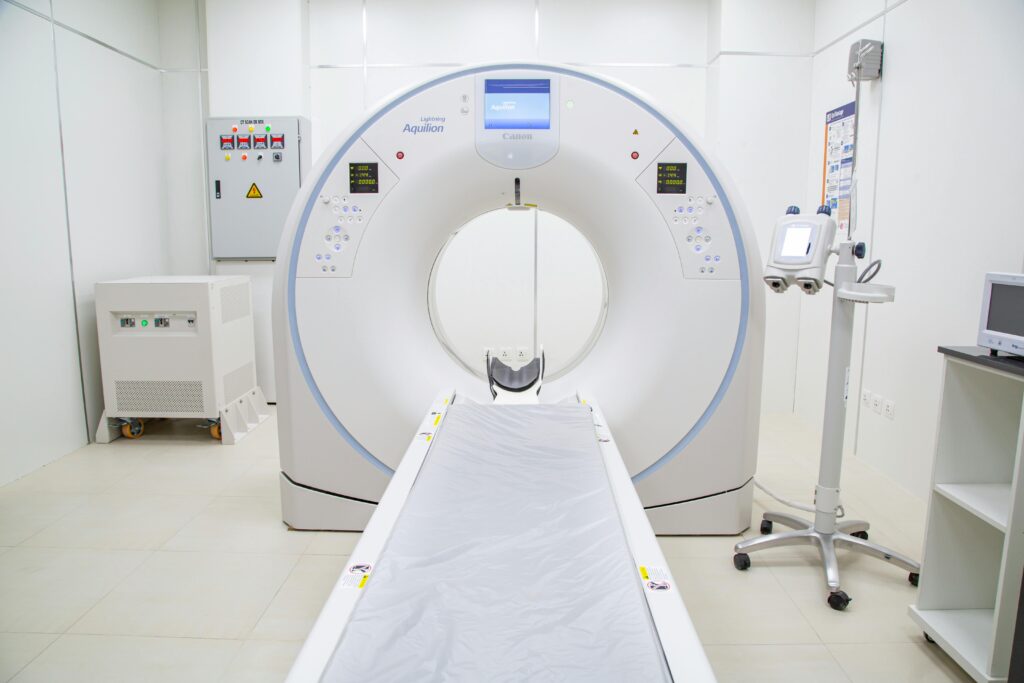
Advanced imaging is vital to find potential injuries such as spinal cord injuries, internal bleeding, or brain trauma that don’t show on initial tests. Mild traumatic brain injury often has a normal CT or MRI but still causes cognitive change. Specialist assessment and repeat imaging sometimes reveal evolving problems. Schedule imaging when injury symptoms like severe headache, persistent dizziness, numbness, or increasing back pain occur. Imaging reports serve as strong clinical evidence in personal injury claims, linking objective findings to the accident.
Specialist Referrals
Worsening or lingering injury symptoms typically require neurologists, orthopedic surgeons, pain specialists, or mental health professionals. They diagnose issues like traumatic brain injury, nerve compression, and whiplash-associated disorder, which may arise from car accidents. Track each referral and save specialist reports, as they record symptom progression and treatment, supporting your personal injury claim where scans are clear but dysfunction is genuine. Psychological wounds can emerge weeks later, relying on meticulous clinical notes and validated scales, optimizing recovery and compensation for potential injuries.
The Ripple Effect of Hidden Injuries
The ripple effect of concealed injuries, such as car accident injuries, can manifest once the shock wears off. There are tens of millions of us worldwide who suffer non-fatal injuries that result in long-term disability. Symptoms like chronic pain, numbness, and tingling can appear days or weeks later, often as delayed onset injuries. Concussions can trigger amnesia, vertigo, and mood changes that make healing tricky. Getting immediate care and having your injuries properly documented makes all the difference for your health and your legal protection.

Personal Life
Pain, exhaustion, and emotional trauma redefine routines and relationships. If you have whiplash, turning your head may be painful and something as simple as driving or taking care of kids becomes harder. Hobbies and workouts can halt, causing active individuals to experience identity loss.
With symptoms delayed, that leaves an entire day to restrict your physical activity and social life. A herniated disc can begin with a simple twinge that escalates into chronic pain and limited movement, downsizing a social life, and amplifying loneliness.
Chronic stress and frustration inevitably accompany symptoms that linger without explanation. Not knowing if they will recover weighs heavily on the psyche of the injured and their family.
Take care of yourself and get help sooner rather than later. Physical therapy, counseling, and support groups help manage pain and mood. Maintain a symptom log and medical records to demonstrate patterns over time.
Professional Impact
Cognitive problems, persistent pain, and physical mobility restrictions can all damage work performance. Concussion-induced amnesia and vertigo decrease concentration. Chronic back pain limits physical roles and stalls career growth.
In their wake come missed days, reduced productivity, and struggles to fulfill work responsibilities. Some laborers require vocational changes or half-time schedules to survive.
Psychological wounds, such as PTSD or anxiety, could benefit from accommodations. You might need flexible hours, reduced duties, or even work from home in order to keep a job.
Write up work restrictions and recommendations. A documented history of diminished capacity strengthens compensation claims and assists employers in strategizing reasonable accommodations.
Financial Strain
Medical bills, lost wages, and ongoing care place a tremendous financial burden. Treatment for these hidden injuries can last weeks, months, or years, and the costs rack up quickly.
Delayed diagnosis typically means more intensive care later and increases total cost. Not capturing every cost in claims endangers victims from being undercompensated.
Include all injury-related costs when seeking damages: bills, therapy, equipment, and lost income.
Category | Examples |
Medical bills | ER, imaging, surgery, rehab |
Lost wages | Missed pay, reduced hours |
Other expenses | Travel, home care, adaptive devices |
Your Post-Accident Action Plan
Your action plan after the car accident includes clear steps to protect your health, legal rights, and your pocketbook. Taking action now minimizes danger from delayed onset injuries and provides vital evidence to support your personal injury claim later. The three key things are receiving medical treatment, recording everything, and being aware of legal rights and timelines.
Seek Medical Care
Visit urgent care, an emergency department, or your regular doctor as soon as possible after the car accident. Concussions and internal injuries can show up hours or days later, especially in cases of delayed onset injuries. Soft tissue injuries like whiplash often take 24 to 72 hours to fully set in. Early evaluation captures baseline findings and creates medical records that link injury symptoms to the crash. If you feel dizzy, confused, have a headache, nausea, or worsening pain, go back for follow-up care. New symptoms can signal a concussion, herniated disc, nerve compression, or internal bleed. Prompt treatment can limit long-term harm and help when insurers question the timing of accident injuries. Be honest about limits to work, family life, or daily routine during exams. Those functional details matter for recovery and compensation.
Document Everything
Maintain a symptom diary recording the precise day each symptom initiated, how it evolved, and its impact on your daily activities. Track pain, sleep disturbances, work restrictions, and care duties you’re unable to complete. Preserve all medical reports, test results, prescriptions, bills, and home care receipts. Photograph obvious injuries and the scene if safe. Something easy, like a checklist or your phone’s note app,p for quick post-appointment entries. Well-maintained documentation makes it easier for doctors and personal injury attorneys to link delayed onset injuries, like escalated neck pain or degenerative spinal conditions, to the car accident. Insurers like to contest injury symptoms that are reported late. Specific, dated logs refute those arguments.
Understand Your Rights
You’re entitled to be compensated for both immediate pain and delayed onset injuries. It’s crucial to enumerate early and later injury symptoms in your personal injury claim to cover full damages. Additionally, find out the statute of limitations for filing a car accident lawsuit in your area. If you miss it, your recovery options are over. If an insurer appears to brush aside new symptoms or contest causation, seek professional assistance from a medical expert or an experienced injury lawyer who specializes in car crash cases. They can describe protections, insurance guidelines, and what to do next to protect your claim and your health.
Conclusion
Hidden injuries can alter life in subtle, silent ways. Seemingly minor bruises and soreness can mask more serious injuries such as internal bleeding, mild traumatic brain injury, or soft-tissue damage. Pay attention to your body. Monitor strange changes in sleeping, mood, balance, memory, or digestion. Get medical checkups that include scans, blood work, and targeted exams. Stay organized with detailed notes on symptoms, times, and any tests. Keep that record handy to share with your provider and with anyone assisting you. Early checks reduce risk and accelerate recovery. A headache that intensifies after two days could indicate a bleed. What injuries don’t immediately show up after an accident? If you suspect more than pain, get care now and follow up as needed.
Frequently Asked Questions
What types of injuries commonly don’t show symptoms right after an accident?
Soft-tissue injuries, concussions, and whiplash are common car accident injuries that may not display immediate pain; instead, they can lead to delayed onset injuries that manifest hours to days later.
How soon should I see a doctor after an accident if I feel fine?
See a medical professional within 24 to 48 hours if possible, as early evaluation helps catch potential injuries, including delayed onset injuries, before they worsen and support any personal injury claim.
Can a concussion be missed at first?
Yes. Concussions can lead to delayed onset injuries such as headaches, confusion, memory issues, or sleep changes. A medical exam and follow-up are crucial even with simple symptoms.
What subtle signs suggest a hidden internal injury?
These signs of internal injury, such as dizziness and unexplained fatigue, can be serious car accident injuries; seek care right away if these symptoms develop or worsen.
Will imaging always detect delayed injuries right away?
No. Certain injury symptoms are delayed or hidden on initial imaging after a car accident. Follow-up imaging or specialist evaluation may be necessary to diagnose potential injuries.
How long should I monitor symptoms after an accident?
Keep an eye on it for a minimum of two weeks, especially if you notice any injury symptoms. Any new or worsening pain, numbness, weakness, or cognitive change requires immediate medical attention.
Can delayed symptoms affect my legal or insurance claim?
Yes. What hidden injury symptoms don’t emerge immediately after a car accident? Document, document, and more documentation! Keep records, photos, and medical reports to back up evidence of potential injuries.