

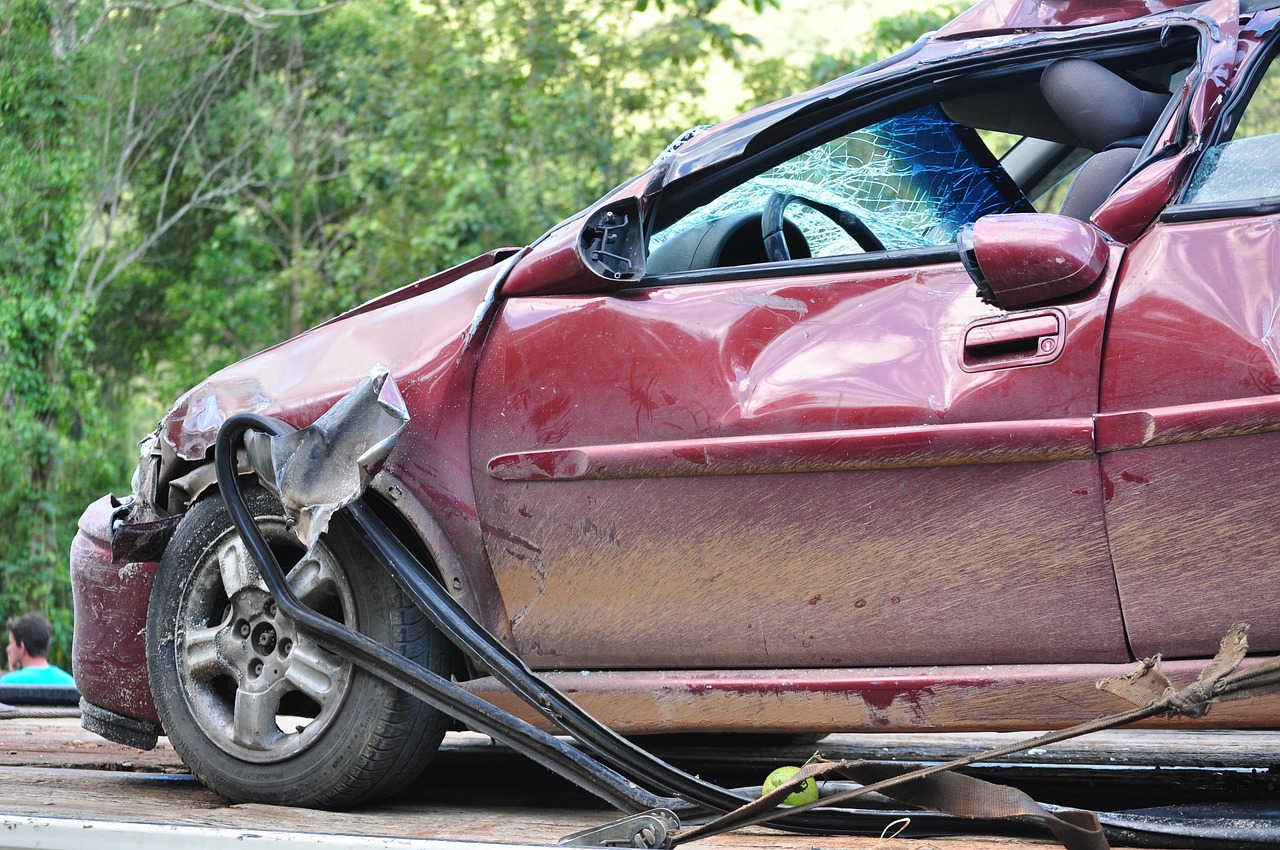
If you’re hit by a delivery driver in a personal vehicle, it’s often a liability and insurance gray area. Personal auto insurance frequently doesn’t cover drivers when they’re working for delivery apps or services. A few provide additional coverage, but it doesn’t necessarily kick in until the driver accepts a gig or completes the delivery. Medical bills, lost pay, and car repairs can become a nightmare to untangle, especially if both insurance policies reject the claim. To process the claim correctly, it’s useful to know who the driver was employed with and what insurance coverage applies. The meat below will demonstrate steps to take and what to expect with claims after this sort of collision.
Key Takeaways
- Figuring out liability in cases like that, where you’re hit by a delivery driver in a private vehicle, would involve considering the driver’s actions, their employment status, the delivery company’s policies, and applicable insurance coverage.
- What you should do immediately after a crash is gather witness information, get immediate medical attention, document everything, and report the incident to authorities and insurers to protect your interests and evidence.
- It’s a nightmare to navigate insurance claims, which are full of exclusions and gaps, particularly when personal vehicles are used for commercial deliveries. Know your coverage and talk to your insurers.
- Whether your drivers are employees or independent contractors dramatically impacts who pays in the event of an accident. This is why it’s important to examine employment contracts and company policies.
- Delivery drivers endure such extreme pressures, including impossible quotas and mobile-app distractions, that accidents are more likely and liability is less clear. These are the challenges that companies need to solve to make them safer.
- As with all potential personal injury claims, constructing a winning case involves carefully collecting evidence, precisely quantifying every damage, and presenting a detailed demand to the at-fault party so that you can seek just compensation for your losses.
Who Is Liable For The Accident?
Determining liability when a delivery driver in a personal vehicle gets into an accident is not always straightforward. Both the driver and the delivery company, along with their liability insurance, could be responsible for the delivery driver accident. Every case is different depending on factors such as the individual driver, the company, the insurance, and even third parties and local authorities.
1. Delivery Driver
Driver behavior is crucial in determining responsibility, especially in cases of delivery driver negligence. If the driver was going too fast, texting, or ignoring signals, they can be personally liable for negligence. Their employment status counts, employees could pass liability to their firm, whereas independent contractors might face more personal risk. Traffic laws and safety rules play a pivotal role, and violations can weigh heavily against the driver. Prior records, such as reckless driving or previous delivery driver accidents, may also come into play, as courts will seek recurring behavior demonstrating negligence.
2. The Delivery Company
A company with drivers, particularly employees, could be liable under vicarious liability laws, especially in cases involving delivery driver negligence. For example, if the company dictates work schedules, delivery routes, or other parts of the job, they likely have a greater portion of liability for any delivery driver accidents that occur. The company’s safety training and policies, or lack thereof, come into play. Agreements between businesses and motorists can specify who is liable for what. Company insurance is another issue, but if the company doesn’t insure sufficiently, it can muddy the waters of making claims.
3. The Personal Insurer
Most personal auto insurance policies aren’t designed for business use, which is crucial for delivery drivers. If a driver uses their vehicle for delivery services without proper coverage, their auto insurer can deny claims after delivery driver accidents. Many drivers remain unaware of these exclusions until they face a delivery driver accident.
4. The Commercial Insurer
Commercial insurance insures work vehicles, including delivery trucks. These policies are unlike personal ones, generally covering more risk but with caps and exceptions. Delivery driver accident claims go to the insurer’s claims department, which will seek every opportunity to keep payments down or pass the buck. There can be gaps if the policy doesn’t cover all drivers or deliveries, leaving victims of delivery driver negligence seriously undercompensated.
What To Do Immediately After
When you’re struck by a delivery driver in a private automobile, what you do immediately is crucial. These first steps protect your rights and establish the foundation for any delivery driver accident claim. The following actions should be taken without delay:
- Move to a safe location if possible to avoid further injury.
- Call 911 to report the crash and request emergency medical assistance.
- Exchange contact and insurance information with the delivery driver.
- Take clear photos of the driver’s license plate, name, and employer information.
- Speak with witnesses and collect their contact details.
- Document the scene with photos of damage, debris, road layout, and injuries.
- Obtain a police report once authorities arrive.
- Seek medical care even for minor injuries, as some may appear later.
- Notify your insurance company about the incident promptly.
- Avoid giving recorded statements or accepting any settlement before consulting a lawyer.
Record Details
Document every aspect of the accident immediately, including time, location, weather, and events leading up to and following the crash. Capture photos of both vehicles, visible injuries, skid marks, or debris. Waiting can result in lost or altered evidence, making your claim more difficult.
Keep all paperwork, including police reports, medical records, and documentation of car repairs or rentals. Preserve texts and emails with the delivery driver, their employer, and insurance providers. Take notes after each call, noting the date, time, and the person you spoke with.
Medical Attention
Have a doctor examine you immediately after the accident, even if you feel fine. Injuries like whiplash or concussions may not appear right away. Document each visit to doctors, specialists, or therapists, and keep receipts for medications, medical equipment, and travel. Staying on schedule with medical care is essential for your recovery and supporting your injury claim.
Report Accident
Call the police immediately and ensure a report is filed. Provide clear, truthful information to both the officer and your insurance company. Laws and procedures vary by location, so confirm your local requirements in Phoenix, AZ, to ensure you meet all deadlines.
Notify your insurance company promptly, providing only facts without assigning blame. Early and accurate reporting can prevent delays or complications in processing your claim.
Navigating The Insurance Maze
Insurance claims after a crash involving a delivery driver accident in their own car can be tricky. Policies are not always explicit on who pays, especially if there is commercial usage involved, such as with food delivery drivers. When you file a claim for a delivery truck accident, it’s good to understand how to navigate the process, what to watch out for, and where disputes are likely. Proof such as police reports and witness statements can be key. Delivery drivers encounter insurance gaps, and since they might be independent contractors, this can shift who is liable for damages.
Personal Policy Exclusions
Exclusion | Description |
Commercial Use | Claims denied if the car was used for deliveries |
Rideshare or Delivery Activities | Excludes incidents during paid delivery or rideshare work |
Unreported Vehicle Use | Claim may be denied if insurer is unaware of delivery use |
Policyholder Not the Driver | No coverage if the driver is not listed on the policy |
Most personal auto policies specifically exclude accidents occurring in the course of paid deliveries, such as delivery driver accidents. Taking your car on delivery work without disclosing this to your insurer could nullify your coverage. A few insurers provide rideshare or delivery endorsements for a premium, but these need to be added before a crash. If the driver wasn’t on a delivery or if the crash occurred off-duty, the personal policy may still assist. Though it’s a pain, don’t hide delivery work from your insurer to avoid issues with liability coverage.
Commercial Policy Gaps
Commercial insurance, such as that provided by delivery apps, could leave holes. Some insure you only while on delivery, not while waiting for orders, driving to pickup, or after logout. While commercial plans typically have higher limits than personal policies, they can exclude property damage or only cover third-party claims.
While other drivers accept positions without even verifying that their policy includes coverage for delivery work. This is dangerous. Extra delivery insurance or a rideshare endorsement is sometimes required. If you drive in states with strict insurance laws, such as California, make sure you meet the minimum limits. Explore all options before taking delivery gigs.
Conflicting Interests
Drivers, delivery companies, and insurers alike may all want to shell out as little as possible. The insurers occasionally point fingers at each other, leaving folks without definitive answers. Even in comparative negligence states such as California, your percentage of fault can diminish your claim. A good attorney can help you stand up to insurance companies and get fair compensation in some cases.
When disputes arise, document and know your rights. Legal advice is helpful, particularly regarding independent contractor rules, policy limits, and fault arguments.
Understanding Company Responsibility
When a delivery driver negligence incident occurs in a personal vehicle, liability often hinges on the relationship between the driver and the company, as well as their insurance policies. Food or e-commerce delivery services employ a mix of employees and contractors, complicating the legal responsibilities and connections in delivery driver accidents.
Employee Status
If the driver is an employee, the company typically is liable for their actions during the course of work, which is especially relevant in cases of delivery driver negligence. This principle comes from the doctrine of respondeat superior. If the worker harms someone while working, the company is generally responsible for covering damages. Employees receive legal protection, and if they get injured, worker’s compensation or similar coverage can assist with expenses. The company is expected to maintain safe working conditions, including training and vehicle safety checks. If the company neglects these duties and a crash occurs, it could be liable for additional damages.
Contractor Status
If the delivery driver is classified as an independent contractor, the primary risk of liability in delivery driver accidents shifts to the individual driver. Companies often minimize their exposure by asserting that contractors are self-employed. Usually, the driver’s own insurance is primary unless the company provides supplemental coverage. Independent contractors face more personal risk, and if they are involved in a delivery driver accident or a lawsuit, they might receive less support. Many contracts include provisions that limit the employer’s liability for accidents.
Vicarious Liability
Vicarious liability means that a company is held responsible for what its employee does, particularly in cases of delivery driver negligence. If the driver is an employee and an accident occurs on the job, the company typically must pay. If the driver is a contractor, attributing fault to the company becomes more challenging unless it can be shown that the company directed the work or violated regulations. Courts examine evidence of a worker-company connection, such as set hours, uniforms, or strict policies. Even if the driver is partially at fault, comparative negligence rules can still allow injured parties to recover compensation.
The Driver’s Hidden Pressures
Delivery drivers who use their own vehicles often face tight deadlines and pressures, which can lead to delivery driver accidents. With the rise of online shopping and food delivery services, more vehicles occupy road space, increasing the risk of collisions. Many drivers endure long hours, sometimes sleep-deprived, while navigating aggressive motorists and challenging city streets. While it’s easy to sympathize with these drivers due to their low pay and harsh working conditions, understanding these pressures is essential to explaining why delivery driver negligence can lead to serious accidents and how interventions can enhance road safety.
Delivery Quotas
Unrealistic quotas compel drivers to speed, which frequently results in dangerous decisions behind the wheel. They could speed, cut corners, or run red lights to hit a tight target. The pressure to keep up with these quotas can fog their thinking, pushing them to be more reckless. Not resting or taking breaks compounds this stress, which can make drivers even more prone to errors.
Companies establish these quotas, and their function is significant. If a company sets quotas that are impossible to meet, it promotes risky behavior. Internal messages or emails can demonstrate the pressure drivers are under and could become critical evidence should there be a crash. There is a need for regulations that prioritize safety over speed so drivers are not caught between their livelihood and safe driving.
App-Based Distractions
A lot of delivery drivers have apps open as they drive to check the route, confirm orders, or review and chat with customers. This can divert their attention from the road and raise the risk of a crash. When drivers attempt to multitask, attention wanes and response times decelerate. A quick glance at a phone can be the difference between missing a stop sign or a pedestrian.
To reduce distraction, businesses can provide hands-free devices, educate drivers on phone hazards, and restrict apps during driving. Supporting safe habits has to be the call to keep drivers and everyone else safe.
Insurance Confusion
- A lot of folks believe their personal car insurance will cover delivery work.
- Some believe company policies are automatic.
- Others don’t know what coverage gaps they face when driving their own car.
Ignorance about insurance adds an unnecessary burden to filing your claims post-accident, especially in cases of delivery driver accidents. If drivers don’t know what their policy covers, it delays assistance and can even have them footing bills out of pocket. There need to be transparent conversations between drivers and insurance agents so drivers know their position regarding liability coverage. More training and guides from companies or insurers would assist drivers in selecting appropriate coverage and prevent expensive shocks.
How To Build Your Claim
To build your claim after being struck by a delivery driver in a personal vehicle, it is essential to follow a systematic approach. This includes collecting the right evidence and estimating damages carefully, especially in cases of delivery driver accidents. Time is of the essence, particularly in Texas, where victims have two years from the date of the accident to file suit. Delivery companies often act quickly to repair or change logs, making prompt action crucial.
Gather Evidence
Gather as much support as you can from the scene. Immediately post-accident, snap clear photos of the vehicles, roads, license plates, and any physical injuries. If there are witnesses, take their statements and contact information. That can aid in confirming your story and determining who was to blame.
Keep a log of all crash-related conversations and communications, such as calls with insurers or delivery services. Write down all injuries, even if they appear to be minor at first, some injuries, such as whiplash or head trauma, may not show symptoms until days later. Keep everything, from medical reports to receipts, organized and at the ready. Well-documented proof can go a long way toward fighting assertions regarding your percentage of fault, particularly because Texas applies a modified comparative fault rule to damages.
Calculate Damages
Begin by totaling your medical expenses, including emergency care, follow-up visits, and medication. If you skipped work, record the days and compute lost wages. Include the cost to repair or replace any damaged property.
Consider non-economic damages as well, like pain and suffering or how the injury has altered your life. Use online calculators or professional help to determine a reasonable compensation value while keeping in mind Texas’ proportionate responsibility rule. Justify each expense in prose, explaining how you calculated the figure.
Send A Demand
Sketch out a punchy demand letter that outlines your injuries and damages and the amount of compensation you want. Attach all evidence: photos, receipts, medical records, and witness statements. Give a plausible deadline for response. Thirty days is typical.
Dispatch your claim to the courier, the company, and any applicable insurer. Track all follow-ups to keep your claim moving and ensure nothing is overlooked.
Conclusion
Getting hit by a delivery driver in a personal car raises a lot of issues that most people never consider until it actually occurs. They want to figure out who pays, how to navigate the insurance, and what to do to get good treatment. Actions such as snapping photos, collecting information, and contacting the appropriate parties can help sort things out. Insurance for delivery gigs dictates what follows, but every case unfolds differently depending on the specifics, including how the collision occurred, who was on duty, and the details in each insurance policy. These specifics count more than grand commitments from apps or corporations. Need more assistance? Chat with an expert or post your experience in the comments. Stories and advice from other people make a huge difference.
Frequently Asked Questions
1. Who Is Responsible If A Delivery Driver Hits Me Using Their Personal Vehicle?
Liability in delivery driver accidents could depend on whether the individual driver was working for the delivery service, as both the driver and delivery company may be liable.
2. Should I Contact The Police After The Accident?
Yes, have the accident reported by the police. A police report documents what happened and can assist your delivery driver accident claim or any potential legal action.
3. What Insurance Typically Covers My Damages?
What if a delivery driver negligence incident occurs, and a driver in a personal vehicle hits you? You can sue the delivery service’s insurance, the driver’s personal auto insurance, or your own based on liability and local laws.
4. Can The Delivery Company Be Held Accountable?
Indeed, if the delivery driver was working, the trucking company could be partially liable for delivery driver accidents as well, based on the employment relationship and liability insurance.
5. What Evidence Should I Collect At The Scene?
Photograph the delivery vehicles and the scene of any delivery driver accidents, along with injuries. Obtain the driver’s and witnesses’ contact information to assist your personal injury claim.
Rideshare & Delivery Accidents Demand Experienced Legal Guidance
At Phoenix Injury Attorneys, we understand how confusing rideshare and delivery accident claims can be. When companies like rideshare platforms or delivery services are involved, multiple insurance policies, corporate rules, and questions about driver status can quickly complicate a case. What may seem like a simple crash can turn into a dispute over whether the driver was logged into the app, who is responsible for coverage, and which insurance policy actually applies.
Led by Khalil Chuck Saigh, our Arizona-based firm has experience handling accidents involving rideshare drivers, delivery drivers, and other gig-economy services. We carefully examine the timeline of the incident and determine the driver’s status at the time of the crash and identify all available insurance coverage. Our team gathers key evidence, analyzes liability from every angle, and builds a case designed to make sure injured victims are not pushed aside by complicated corporate insurance structures.
When a rideshare or delivery accident raises questions about liability, coverage, or responsibility, having the right legal team makes a difference. Contact Phoenix Injury Attorneys today for a free and confidential case review. We’ll review the facts of your situation, explain your legal options, and work toward the outcome you deserve.