

What if there was no police report for your accident? Insurance claims can become sluggish or even come under suspicion because most insurers rely on police reports to verify details. Without one, you’re often left exchanging names, addresses, and insurance information on your own. In some states or countries, drivers must complete self-reporting forms when police don’t respond.
For those facing this situation, understanding your next steps is critical. At Phoenix Injury Attorneys, we regularly see how missing police reports complicate claims, and how proper documentation can keep them moving forward. The key lies in knowing how to protect your rights and navigate the claims process when no official report exists.
Key Takeaways
- The absence of a police report after an accident can create significant gaps in evidence, impacting the strength of your insurance claim and potentially leading to disputes about liability.
- The key is to collect your own documentation, including photos, witnesses, and notes, to build your case when there is no police report.
- Knowing your local laws and leveraging alternative evidence like self-reporting forms, venue security logs, or paramedic reports can help support your claim and explain the details of the accident.
- Insurance companies will try to use it to pay less or not at all. You need to keep thorough records of every communication and every shred of evidence.
- By collecting everything from medical records to repair estimates to a concise timeline of what happened, you will be ready to make your case to insurers or lawyers.
- If you find yourself up against a brick wall or if the insurance company makes the issue complicated, then consult with a lawyer.
Why No Police Report?
Many car accidents do not result in a police report due to factors like the nature of the incident, location, or mutual agreement between involved parties. Understanding these reasons can help you make sensible choices after a car accident, especially when traveling internationally where local reporting laws vary.
Minor Incidents
Lighters, low speed bumps and light scrapes typically don’t make the police get involved. A lot of jurisdictions enable parties to share names, contacts and insurance information without the cops there if injuries or major damages aren’t apparent. Minor accidents can result in claims down the line, particularly when injuries arise hours or days following the crash.
If you’re in a minor accident and the police aren’t involved, write everything down, location, time, weather, positioning of vehicles. Photos from your phone, witness contact information and a written synopsis lend legitimacy. This is useful if either party files a claim or if delayed symptoms occur. Scene proof, even without a police report, can be used in insurance or legal claims.
Private Property
For one, accidents that occur on private property, such as parking lots and residential driveways, are generally outside of police jurisdiction. Local law enforcement aren’t going to show up or file reports unless someone is severely injured or it is a public safety risk.
You should still speak with proprietors and request any camera footage if applicable. Collect witness statements and capture unambiguous, time-stamped images of vehicle damage and the scene. Studying local private property liability laws can be helpful, as these may inform fault and damages results.
Mutual Agreement
A lot of drivers just ‘work it out’ privately, particularly for small damage, in order to sidestep insurance increases or legal attention. This is typical where both parties concur on the facts and damages appear minor.
If you take this path, always put the contract in writing, the specifics of the accident and any agreed upon payment or repairs. Even so, casual settlements can blow up if fresh damage or pain pops up, muddying subsequent claims.
Police Refusal
Sometimes police choose no report, especially if no one is injured and damage is minor. When they don’t, request the police’s written explanation of why no report will be filed. This is useful for future insurance or legal action.
Document the officer’s name, badge number, and explanation. If official paperwork is denied, persist in gathering your own snapshots, scribbles, and witness numbers. These documents serve to bridge gaps should you need to make your case to an insurer or the court.
The Real Impact
Without a police report post car accident, the impact cascades through all stages of the accident claims and recovery processes. The lack of this formal documentation shifts the way damages are valued, how insurers react, and how responsibility is litigated. Knowing the real impact allows you to face the aftermath with awareness and intention.
An Evidence Gap
A lost police report can significantly undermine your car accident claim. Insurers seek third-party verification of your version of the accident. Without it, your allegation will be more suspect, making it harder to demonstrate what occurred. This gap adds more stress on you to gather additional proof, which is crucial for a strong legal claim.
Capturing images at the accident scene, collecting surveillance footage, or even interviewing witnesses of the crash can all aid in bridging this gap. Witness statements become increasingly important, especially if the other motorist denies your account or insists you were to blame. Whiplash and other soft tissue injuries can manifest hours or even days after the car accident, complicating your ability to provide proof of injury without a formal record linking them to the event.
It’s your responsibility to provide the evidence. Wherever they have to report if it’s a crash for injury or property damage over a certain amount, you’d better be able to say why you didn’t report it. Being upfront and honest about the situation can help, but it doesn’t trump the power of a police report.
Insurance Strategies
Insurance adjusters will use the absence of a police report to discount your story and minimize the settlement. They might say that the evidence is ambiguous or even deny that the assertion is true. That makes it important to document. Record every contact with your insurance company, save emails, and jot down what is said during calls.
Insurers can employ strategies like asking for more proof or putting the claim on hold, particularly if you don’t have a police report backing up your side. To combat this, post all proof, photos, quotes, repair bills, transparently and immediately. This may assist you in resisting attempts to reject or downplay your claim.
Liability Disputes
Liability fights are much more prevalent without the police documentation. The other driver could deny responsibility or even blame you. That can rapidly become a he said, she said affair. Collect any available evidence, such as photos of the scene or eyewitness accounts, to demonstrate the truth of the incident.
Do it early and be aggressive about gathering evidence. Without a police report, it’s harder to prove who caused the crash. Delayed injuries like soft tissue damage can make it even more complicated to tie your ailment back to the accident, causing all sorts of additional difficulties in receiving the compensation you’re owed.
Without a police report, insurance companies often look for reasons to delay or minimize payouts. This is where experienced legal guidance becomes valuable. Phoenix Injury Attorneys help accident victims organize alternative evidence, communicate effectively with insurers, and counter attempts to downplay injuries or shift fault.
When documentation gaps exist, how evidence is presented matters just as much as what evidence exists. A structured approach, supported by witness statements, medical records, and timelines, can significantly strengthen a claim even in the absence of a police report.
Your Action Plan Without A Report
With a no report plan after a car accident, the police report is missing, placing the responsibility on you to create a solid car accident claim. This action plan offers incremental guidelines for recording, structuring, and delivering your assertion. All of these steps are crucial, especially when you lack official documentation, as it makes it easier for the other side to argue the facts or shift blame elsewhere.
1. Document Everything
Save all texts and emails you trade about the car accident. Record each call, who you talked to, what you discussed, and when. Pictures of the car accident scene, where the cars were stopped, road signs, and weather go a long way toward demonstrating what occurred. Don’t forget to note skid marks or debris. If you’re pursuing medical care, maintain a journal of symptoms and treatments. Constructing a timeline from impact through repair completion or injury recovery is essential for your car accident claim.
2. Identify Witnesses
Immediately following the car accident, it’s crucial to interview bystanders who witnessed the event. Collect their names, phone numbers, and emails, and see if they would write or record a quick note about what they saw. These details can be critical for your car accident claim if the other driver alters their account later. Witnesses are helpful to clarify faults and can provide strong evidence outside of required reporting locations.
3. Create Your Narrative
Write your car accident story while details are fresh. Document the time, the street, the speed, who was there, and what happened. Explain in simple terms, but don’t omit information. This needs to correspond with your pictures, observations, and witness accounts. If you’re discussing your car accident claim with insurance or car accident attorneys, a clear story, repeated over and over, instills confidence.
4. Secure Medical Proof
Request copies of each medical report, x-ray, and bill associated with your injuries from the car accident. If treatment continues, save receipts and doctor’s notes. Jot down how the injuries impact your daily life, such as missed work, pain, or therapy. Share these with your insurer and keep them for any car accident claim. This log records the actual aftereffects of the accident.
5. Preserve Physical Evidence
Collect shattered pieces, torn clothing, or mementos from the car accident scene. Keep them, along with photos of the damage and road conditions, in a secure location. Don’t fix your car or discard proof until you’ve settled the car accident claim. These items serve as strong evidence and speak on your behalf.
Alternative Official Records
When a police report is absent post-accident, you’ve got options for recording your car accident claim. These alternative official records are crucial for insurance and legal matters, especially since not every car accident demands a police officer to report. In certain jurisdictions, state law requires that you report an accident if there are any injuries, fatalities, or property damage exceeding a predetermined amount. Such documentation can serve as strong evidence in your legal claim.
Self-Reporting Forms
Most jurisdictions allow you to submit a self-report after a collision, often referred to as a Driver Report of Accident. This report can be crucial for your car accident claim as it provides basic information such as who was driving, vehicle details, the location of the accident, and any damages or injuries incurred. Typically, forms are supplied by the local road authority or your insurer, and some companies even permit online filing. Always complete these sheets truthfully and diligently, as lying can have serious legal consequences. Verify all your information and retain a copy for yourself. Finally, submit the form to your insurance company to support your claim if no police report is available, as these reports can still help advance your legal claim.
Venue Security Logs
If the crash occurred in a public location, such as a parking lot, mall, or stadium, it may maintain security logs that are crucial for your car accident claim. These logs tend to record incidents, accidents, or unusual activity, which can provide strong evidence for your case. Begin by requesting them from the venue’s management, as security records can indicate when and where the collision occurred and occasionally even reference bystanders. While the parties may not have any proof, some venues had cameras that might have filmed the car accident scene. Write to get this footage as soon as possible, since many systems re-use old video after only a short time. Take careful notes of what the logs or video might say to help your case, particularly if you decide to consult with car accident attorneys.
Paramedic Reports
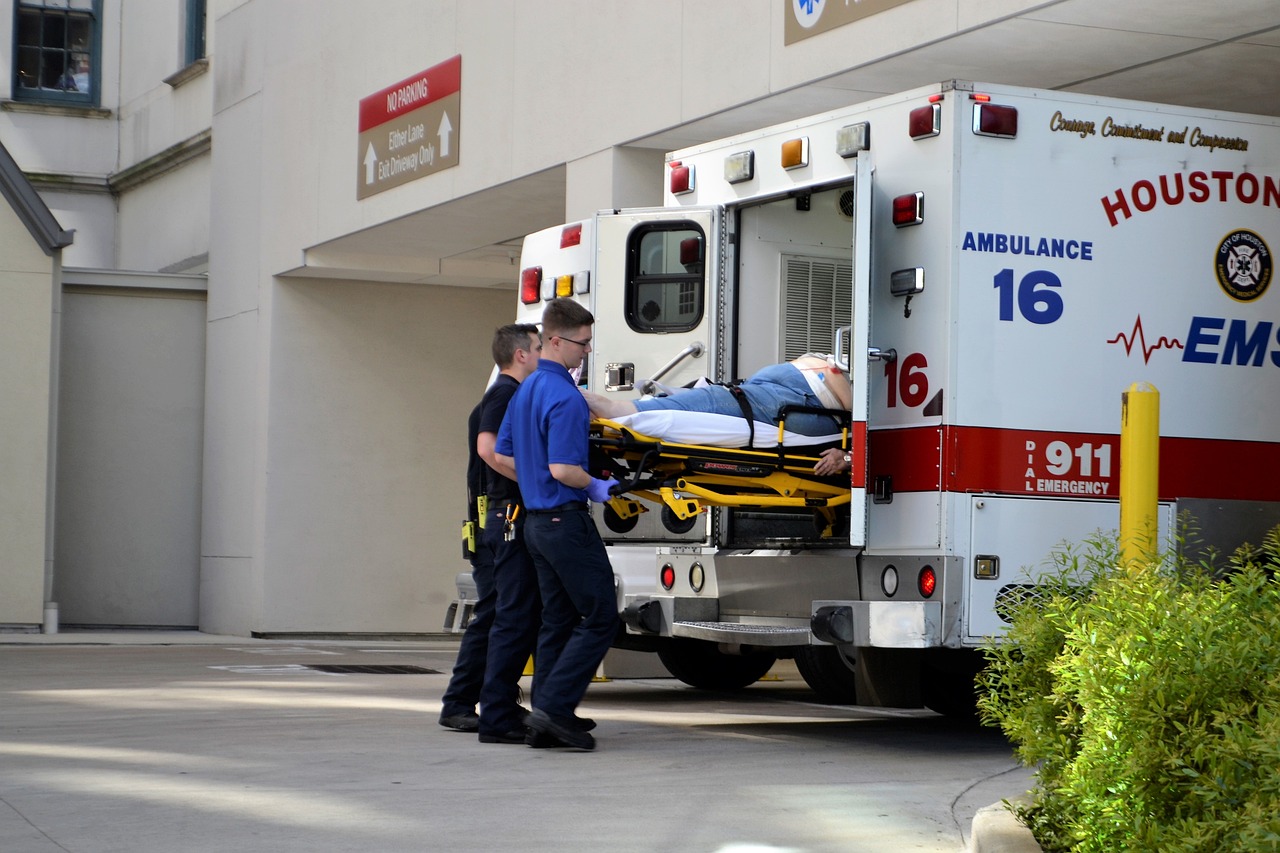
If emergency medical assistance responded to the car accident scene, paramedic reports are a great alternative record. The paramedics document the injuries, first aid provided, and their observations onsite, which can indicate the severity of the incident and correlate injuries to the incident. When you receive this report, verify that it includes time, location, and all parties involved. Here’s the catch, your insurance companies and your car accident attorneys will frequently rely on them to determine accident claims. Paramedic reports are fact-based and support your side with expert observations.
Countering A Changing Story
When a car accident occurs without a police report, the story can change significantly. In the absence of formal documentation, the words and recollections of the individuals involved gain weight, making it crucial to establish a clear narrative. This chapter demonstrates how to stick to the truth and defend your position, even as stories break apart or facts get distorted, especially in complex liability issues.
Initial Communications
Document all calls, messages, or conversations you have with the other driver and witnesses. Document statements at the scene, such as ‘sorry,’ ‘I didn’t see you,’ or ‘my fault.’ These comments can be crucial if someone later switches their story.
Maintain a directory of all follow-up conversations, dates, times, what was discussed. This record constructs a timeline and aids in identifying any shifting narratives. When parties start to change their story, you can go back to your notes and contrast what was said previously. In some contexts, a text or computer record is stronger than a shifting remembrance.
Witness accounts can be particularly powerful as a third party is viewed as more impartial. If you have a friend, bystander, or even a neighboring shop owner who witnessed the accident, secure their statement early. Their perspective can provide counterweight to the narrative if the other side begins to play the blame game.
Recorded Statements
Request if witnesses will provide a brief taped statement. If local laws permit, utilize your phone to capture their statement while it’s still fresh. Ensure these recordings are date, time, and context specific. For example, have them say where they were standing or what they saw, like “I saw the blue car run the red light at 14:00.
Keep these files in a safe place. Backup copies on a cloud drive or external device keep you safe from tampering or loss.
That way you can counter a changing story with these audio or video clips. If they attempt to change an important fact, you have their previous version on tape. This can be more persuasive than a bad police report, which has gaps caused by hurried documentation or overlooked details.
Dashcams and surveillance cameras tend to provide the most disinterested testimony. Get the video soon because lots of systems overwrite files in a matter of days. Live video can resolve arguments about who caused what or how the collision occurred.
Legal Representation
If the details get tricky or the opposition pushes back, consult an attorney. Early legal advice will direct you on what evidence matters most and how to marshal it.
If the insurer rejects your claim or you encounter a fight over fault, an experienced lawyer can assist in making your case. Good lawyers understand what really constitutes hard evidence, particularly in jurisdictions where police statements are considered hearsay and not direct evidence.
Lawyers may recommend expert examination of crash scenes or damage to vehicles. Their assistance keeps your story concise and well grounded, regardless of how much that story evolves.
When To Involve A Lawyer
No police report after a car accident makes your accident claim harder to demonstrate. Legal assistance from a skilled car accident attorney is essential to ensure that your interests are protected and your perspective is represented. A lawyer knows what details matter and can identify holes in your case, even when facts are absent. If you got hurt or it was a bad crash, call a lawyer immediately. They’re skilled at protecting you from moves that will come back and bite you later, like saying the wrong thing to insurance. In most locations, a lawyer will speak to you initially at no cost, so you can receive counsel without any exposure.
A car accident lawyer comes in handy when you talk with insurance companies. These firms tend to try to be cost-conscious. Without a police report, the work can be tedious and difficult. A lawyer can assist you in presenting your angle, constructing your case with strong evidence, and advocating for a reasonable settlement. They can interview witnesses, obtain your medical records, and collect other documents to bolster your claim. If you find yourself floundering in the claims process or can’t figure out just how bad your injuries really are, a lawyer can help you know what to do next.
Most people don’t realize immediately just how much a crash is going to alter their life. A little pain can turn big. A lawyer will assist in tracking your symptoms, communicating with the appropriate doctors, and maintaining clear records. Early help means you won’t miss any deadlines or skip steps that might damage your claim. If you wait too late, you could lose evidence or forget crucial details. This can leave your case vulnerable.
If you have any questions about your case or you don’t know what to do, consult a lawyer who has handled car crashes before. Most will consult with you for free, so you can get your questions answered and map out your next steps with less anxiety.
Final Remarks
Nothing complicates an accident claim quite like the absence of a police report, but it doesn’t mean you’re out of options. Many people face this situation, police may not respond, or the crash may have seemed minor at the time. You can still demonstrate what happened using your own notes, photos, medical documentation, and witness accounts.
Insurance companies and legal professionals evaluate these cases every day. At Phoenix Injury Attorneys, we know how to turn alternative evidence into a clear, credible claim. Keep your records organized, your story consistent, and your communication measured. If the claim becomes difficult or facts start to shift, speaking with an experienced attorney can make all the difference.
Have you dealt with an accident where no police report was filed? Share what worked for you, or reach out to Phoenix Injury Attorneys to understand your next steps.
Frequently Asked Questions
1. Can I File An Insurance Claim Without A Police Report?
For a car accident claim without a police report, utilize photos, witness statements, and strong evidence.
2. Will Not Having A Police Report Hurt My Case?
Not having an official police report can complicate your car accident claim, but forceful circumstantial evidence can still support your case.
3. What Should I Do If The Other Driver Changes Their Story?
Gather as much proof as you can for your car accident claim. This means pictures, videos, and witness statements, which can assist in combating any changed remarks.
4. Are There Other Official Records I Can Use?
Yes, you can use medical records, repair estimates, and witness statements to support your car accident claim.
5. When Should I Contact A Lawyer?
Call a car accident attorney if you have trouble with your claim, the facts are in dispute, or you’re injured. A good lawyer can protect your rights.
Evidence, Documentation, And Proof Questions: Get The Legal Support You Need
At Phoenix Injury Attorneys, our team understands that when people start asking questions about evidence, documentation, and proof in Phoenix injury cases, it’s usually because the stakes are high. These aren’t theoretical questions. They come up after car accidents, workplace injuries, insurance disputes, and situations where medical bills are rising, income is disrupted, and nothing feels clear. If you’re trying to figure out what evidence matters, what documents you need, or whether what you have is enough, you’re likely under pressure and looking for real answers.
Led by Khalil Chuck Saigh, our Arizona-based firm steps in when those questions matter most. We break down what evidence supports your claim, review police reports, medical records, photos, witness statements, and digital documentation, and deal directly with insurance companies on your behalf. Our goal is to turn confusion into clarity and build a strong, well-documented case that shows the true impact your injury has had on your life, now and in the future.
If you’re questioning whether your proof is enough or something about your claim doesn’t sit right, trust that instinct. Contact us today for a free and confidential case review. We’ll help you understand what evidence matters, how to protect your rights, and what steps to take next with confidence.