

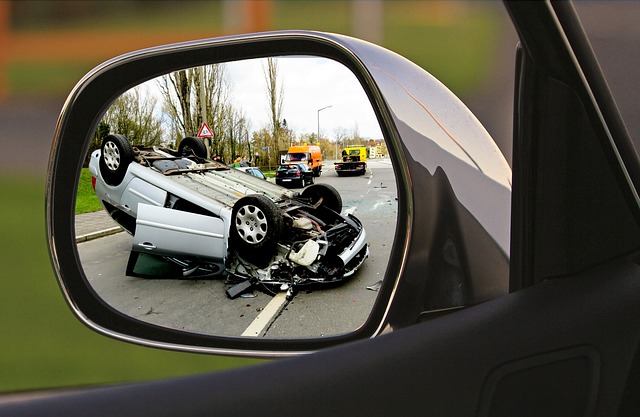
It can be tough to demonstrate what happened if you forgot your photos at the accident scene. You still have methods to provide evidence of what occurred. You can rely on a police report, witnesses to the crash, and dashcam footage. Notes about the accident, the cars, and your own memory can assist. Insurance companies do not just rely on photos when resolving claims. Providing candid information and additional evidence paints an accurate picture of the experience. If you are unsure what to do next or concerned about your claim, consulting with Phoenix Injury Attorneys can help you understand your options and protect your rights. The next level reveals specific steps you can apply.
Key Takeaways
- Photos are just one piece of accident evidence. Witness statements, police reports, and physical traces can back up your case just fine.
- Human memories and reports add rich color and facts that can make up for the lack of photographic evidence.
- Insurance companies and courts do not rely on a single piece of evidence.
- Missing photos can mean more questioning, more holdups, or a smaller deal. Thorough, timely documentation is the key to a winning claim.
- By proactively gathering witness statements, medical records, and expert opinions, you can bolster your case and compensate for any deficiency in photographic evidence.
- If you hit a rough patch or sticky situation, working with attorneys makes sure your rights are safeguarded and your claim is handled with expertise.
Why Photos Are Not Everything
Photos can be compelling and serve as valuable evidence in a car accident case. They’re just a piece of the far bigger accident puzzle, especially when combined with human testimony, written documentation, and expert analysis. Courts and insurance companies consider various forms of evidence, not just the eye of a camera. Other injuries, like whiplash or mild concussions, may not appear in any photo whatsoever, making it essential to have a knowledgeable car accident lawyer to guide you through your personal injury claim.
The Human Factor
Eyewitness accounts frequently make up for the absence of photos. Those who witnessed the event can relate the series of actions with a richness that no picture conveys. For instance, a witness could recall hearing screeching brakes or witnessing a red light runner. These stories assist in setting up what preceded the accident.
Emotions are high following an accident and that can influence how people remember and how they communicate what happened. Sometimes, the stress or shock means that details get mixed up or forgotten. The human viewpoint provides a dimension that photos sometimes miss, similar to explaining ache or disarray that’s not tangible.
Personal stories provide context. Photos freeze a single instant, but witnesses could remember the moments surrounding, aiding to construct a timeline. While our memory is far from perfect, sometimes our testimony is better than a fuzzy photo. At the end of the day, courts and insurers balance these human factors with hard evidence.
The Legal Reality
Law requires a wide-angle. Courts don’t decide things based just on pictures. Most need reports, witness statements, and occasionally expert evidence. One photo may reveal damage, but it seldom establishes liability.
Judges and lawyers take all of the evidence to get to the truth. Legal standards for what constitutes evidence are stringent and photos are just one form. Fault and liability often come down to who can tell the most complete story, not who has the most pictures.
The Insurance Perspective
Evidence Type | Impact On Assessment |
Photographs | Show visible damage, help document scene |
Police Reports | Offer official account, add credibility |
Witness Statements | Fill gaps, describe sequence of events |
Medical Records | Prove injury, link to accident |
Expert Analysis | Explain cause, estimate repair costs |
Insurers might inquire about the absence of detailed photographs from the car accident scene, but they also verify written reports, statements, and repair bills. A descriptive, truthful account can come in handy to bridge the gap if you forgot to capture images. If symptoms pop up days later, medical evaluation records become crucial evidence in your personal injury claim.
What Evidence Replaces Photos?
What Proof Does Photos FStand or? Different types of documentation, including detailed photographs of the car accident scene, can assist in creating a more complete picture of the occurrence and back up your statement. All these types of evidence serve their purpose in the personal injury claim process, assisting in establishing the facts of the case and clarifying liability.
- Police and official reports
- Witness accounts
- Physical traces and condition of vehicles
- Digital records, such as GPS or camera footage
- Expert analysis and reports
- Medical and repair documentation
1. The Official Reports
Police reports are a big backbone supporting car accident claims. These records include key information, like time, date, and location, and often incorporate diagrams or officer observations that contribute to explaining the chain of events. Police may even take their own photos or include witness statements, filling in holes left by absent personal injury photographs. First responders like the police or paramedics provide an additional element of trust and can illuminate details of the car accident scene. Official reports are typically considered unbiased proof, which makes them especially valuable in arguments about fault.
2. The Witness Accounts
Witness statements are key when there are no photos from the car accident scene. Witnesses at the scene can narrate the entire event and give perspectives from different vantage points. It’s crucial to capture contact information from these folks, this lets you clear up any ambiguity later. Different angles can back up your story or add context to bolster your argument in your car accident case. In certain allegations, they can be the difference maker.
3. The Physical Traces
Physical evidence at the car accident scene, such as debris, skid marks, or damage to the vehicles, provides concrete evidence of impact and aftermath. If you forgot to note these right at the time, you can still record the condition of your car or visible injuries a few days after. Medical and repair receipts help when you don’t have any actual photographs. These can assist in reconstructing the seriousness and character of your car accident case.
4. The Digital Evidence
Who needs photographs? Digital evidence, such as GPS data, phone metadata, and social media posts, plays a crucial role in establishing the circumstances of a car accident. Surveillance cameras or traffic cams near the car accident scene may have captured the incident, offering a neutral third-party perspective. These digital traces can supplement more traditional evidence, providing essential things to complete the picture.
5. The Expert Analysis
Accident reconstruction specialists can come into play by reviewing the data and generating explanatory models or reports. Their testimony, frequently utilized in court cases, helps explain technical details and backs up your argument with expert advice. Specialists can fill in for absent photographs, particularly when paired with valuable evidence from the car accident scene.
How Does This Affect Your Claim?
Not taking photographs at the accident scene can impact your claim in several ways. Visual evidence often forms the foundation of a case, giving insurers and courts a concrete depiction of the incident. Without it, claims may face greater scrutiny, delays, or reduced settlement offers.
This is where guidance from experienced professionals, such as Phoenix Injury Attorneys, becomes valuable. They know how to strengthen a claim using alternative evidence and prevent insurers from exploiting missing photos.
Increased Scrutiny
A lost photographic record opens insurers the opportunity to doubt your account, especially in a car accident case. They’ll probably be skeptical about your claim, particularly if the other party challenges your version of events. When discussions become a “he said-she said” mess, insurers will hunt for any holes in your narrative to minimize exposure. A thorough documentation checklist could incorporate witness names, police reports, repair estimates, and even immediate photos of the car accident scene. Insurers might dispute the severity of your personal injuries or damage to your vehicle, seeking additional evidence to back up your claims. This can be particularly difficult if you waxed a little as time passed because memories quickly dim after an auto accident.
Potential Delays
Absent accident scene photos typically delay the claims process for a car accident claim. Insurers might have to do more digging to confirm the details, which can include gathering witness statements, asking for traffic camera videos, or even dispatching adjusters to examine the car accident scene after the fact. This additional process can stall your payout and prolong the time until you receive repair or medical reimbursement. In certain cases, delays in evidence collection impact how soon you can return to work or pay emergency bills.
The Settlement Value
The lack of photographs from the car accident scene tends to lead to reduced settlement offers. Solid proof for your car accident claim with visual evidence can help prove road conditions, damages, and even lost wages. Insurers will undervalue claims without this documentation, and uncertainty is a great tool for them to use to pay less. Robust evidence, including photos, statements, and detailed reports, generally increases your bargaining leverage and ensures that the other side doesn’t distort the facts. If there are none from the scene, you can still gather some after the fact. Images of the road itself, skid marks, or vehicle damage can help, but aren’t nearly as compelling as immediate photos.
What To Do Right Now
Missing photographs of the car accident scene does not mean your personal injury claim is lost. Other proof points and actions can help create a compelling argument. Strike immediately and with every means available to impress your car accident case upon him as both distinct and believable.
- Write down what happened, including time, date, and place.
- List injuries and damages, even if minor.
- Gather statements from any witnesses.
- Collect police or accident reports.
- Get footage from dashcams or nearby cameras.
- Keep all medical records and bills.
- Note every call or email about the accident.
- Shoot fresh photos of your car and injuries, even weeks later.
Record All Evidence
Document the event. Begin by recording the specific date, time, and location of the accident. Include information about the accident, what you witnessed, and how you felt. Record all of the wear and tear, even the slightest. Journal about whatever appears to be significant, such as weather, road conditions, and what others are doing.
Dump all your notes into one file. If you sense pain or injury days later, jot that down as well. Keep emails, text messages, and any calls pertaining to the accident. This complete record is useful if you are asked for specifics that you might forget down the road.
Contact Witnesses
Speak with anyone who witnessed the crash. Get their names and contact information. Request their account of what took place and record it. Short notes work, but vivid specifics work better. What did you see, hear, and notice? Immediate action matters as memories fade and details are lost over time.
If you can, get witnesses to write up their own version. This might save you later if their memory changes. Retain all their contacts in your rolodex.
Obtain Reports
- Ask local authorities for the police report or other official accident record.
- If your car has a dashcam, immediately pull the footage and save it.
- Find out if any nearby security cameras caught it.
- Read each report or footage attentively. Let the facts match your memory. If something is missing or wrong, flag it before dispatching it to insurance or legal folks.
These reports frequently serve as critical proof in both car accident claims and court proceedings.
Seek Medical Care
See a doctor after an accident, even if you feel okay. Certain injuries do not present themselves immediately. Request a complete check-up and retain all treatment and advice records. Save all papers you receive from hospitals or clinics.
Be on the lookout for symptoms that occur days or weeks later. Record new ailments, aches, or problems the moment they arise. These records can be essential if you have to provide evidence of your injuries down the line. If you are at sea, reach out to a professional.
Recreating The Scene After The Fact
A scene re-creation, which if done correctly, can actually fill in the holes left by absent photography, is a delicate beast, though. You can piece together what went down at the car accident scene with a combination of firsthand experience, technology, witness testimony, and official reports. Even if you don’t have original photos, meticulous records and professional investigation can provide powerful evidence for your car accident claim.
Return Safely
Safety first when recreating the car accident scene. Before you attempt to reenter, scan the scene for any new hazards or traffic flows. Weather or bumper-to-bumper traffic might bring in additional hazards that weren’t there during the accident. Rebuild the scene after the fact. Approach the location in the daytime if you can, stick with sidewalks, and don’t stand on busy streets. If there are clearly new hazards at the scene, such as roadwork or debris, photograph them safely from a distance as they can serve as valuable evidence. Put your wellbeing before the evidence.
Note Changes
Minor updates at the car accident scene, such as new signs or traffic signals and construction, can significantly impact how the accident is interpreted. It’s crucial to document these modifications with detailed photographs or annotations. Sometimes, landmarks like trees or buildings are relocated, which can skew the view of the car accident case. Checking for fresh paint lines, new barriers, or resurfaced roads is essential as these details may contribute to liability. Even small tweaks can change the direction of an investigation, so record anything different from your recollection or the police report.
Use Technology
Smartphone cameras are great for capturing the car accident scene as it is. Shoot wide shots and close-ups, and take pictures at different angles to create a visual record. Utilize mapping apps to sketch basic diagrams indicating where cars or individuals were located, as this can be valuable evidence in a car accident case. Phone GPS data can help reconstruct the scene after the fact. For example, record short videos showing traffic flow or sight lines, as these digital logs paired with police reports can assist your experienced car accident attorneys in building a strong personal injury claim.
When To Seek Legal Counsel
Following a car accident, forgetting to snap detailed photographs at the accident scene will complicate the claims process. Many folks are disoriented or overwhelmed post-crash, making it easy to overlook essential things in that moment. When this occurs, it’s wise to consider contacting experienced car accident attorneys. Car accident lawyers know what to do when vital evidence, such as pictures, is not taken. They will assist you in securing other evidence, such as medical documents and witness accounts, to support your personal injury claim. If you are unsure how to proceed or find the law overwhelming, a knowledgeable car accident lawyer can break down your rights and options in easy-to-understand language.
You will require legal assistance the most when the accident results in personal injuries, medical expenses, or absences from work. If you begin experiencing pain, bruises, or other symptoms following the accident, monitor these and consult a physician. A few injuries can appear days or weeks later, so it is best to document as you recover. A lawyer will advise you what to document and how to connect your injuries to the crash. Even if some time has elapsed, you should still photograph your damaged vehicles and consult an attorney. In this manner, you establish a timeline that can aid your car accident case.
Car accident claims can get complicated quickly, particularly in states with unique regulations such as the No-Fault Law or when you have to claim lost wages. Lawyers that know these laws can help you get the right compensation for your damages. They can negotiate with insurance adjusters on your behalf, so you don’t have to face the stress alone. Having someone you can lean on who understands the process can mean a lot, especially if you’re feeling lost.
Final Remarks
Forgetting to take photos after a crash can feel overwhelming, but it does not end your case. Police reports, witness statements, and medical records often capture critical details that fill in the gaps left by missing photos. You can also sketch a simple diagram of the scene or request camera footage from nearby businesses to strengthen your claim. Many people face this situation and still achieve fair outcomes. The key is preserving every document and acting promptly. If the process becomes confusing or stressful, consulting with Phoenix Injury Attorneys can help you organize your evidence and move forward with confidence. Each step you take strengthens your story and helps ensure your experience is supported by solid proof.
Frequently Asked Questions
1. What If I Forgot To Take Photos At The Accident Scene?
There’s other valuable evidence you can still use to prove your car accident case. Witness statements, police reports, and medical evaluations can back you up.
2. Can Witness Statements Replace Accident Photos?
Sure, witness statements are great, but photographs of the car accident scene can provide valuable evidence and validate your account of the accident.
3. Will Not Having Photos Hurt My Insurance Claim?
Not necessarily. Insurance companies rely on reports, diagrams, and statements when reviewing car accident claims. Detailed photographs are useful but not absolutely necessary.
4. How Can I Document The Accident After Leaving The Scene?
Make notes about the car accident as soon as possible. Include the location, time, weather, and any other important details you distinctly remember.
5. What Evidence Is Most Important If I Have No Photos?
These are your police reports, medical records, and photographs from the car accident scene, which can demonstrate both what occurred and who was involved.
Evidence, Documentation, And Proof Questions: Get The Legal Support You Need
At Phoenix Injury Attorneys, our team understands that when people start asking questions about evidence, documentation, and proof in Phoenix injury cases, it’s usually because the stakes are high. These aren’t theoretical questions. They come up after car accidents, workplace injuries, insurance disputes, and situations where medical bills are rising, income is disrupted, and nothing feels clear. If you’re trying to figure out what evidence matters, what documents you need, or whether what you have is enough, you’re likely under pressure and looking for real answers.
Led by Khalil Chuck Saigh, our Arizona-based firm steps in when those questions matter most. We break down what evidence supports your claim, review police reports, medical records, photos, witness statements, and digital documentation, and deal directly with insurance companies on your behalf. Our goal is to turn confusion into clarity and build a strong, well-documented case that shows the true impact your injury has had on your life, now and in the future.
If you’re questioning whether your proof is enough or something about your claim doesn’t sit right, trust that instinct. Contact us today for a free and confidential case review. We’ll help you understand what evidence matters, how to protect your rights, and what steps to take next with confidence.