


A slip-and-fall can happen in seconds, but its consequences may last for months or even years. You may slip on a wet floor, trip over a broken sidewalk, stumble on an uneven surface, or fall because a dangerous condition was not properly marked. After the accident, you may expect the property owner or manager to investigate what happened and preserve evidence related to the hazard.
But what happens if the dangerous condition is repaired or removed shortly afterward? This situation can understandably concern an injured person. You may wonder whether the property owner can claim that the hazard never existed, whether you can still prove what caused your fall, or whether the repair means you no longer have a valid premises liability claim.
A property owner fixing a hazard after an accident does not automatically eliminate your right to pursue compensation. The key issue is generally whether the dangerous condition existed when you were injured and whether the property owner knew or reasonably should have known about it under applicable law.
In some cases, evidence gathered before the repair may help establish what happened. Photographs, maintenance records, inspection reports, incident reports, employee statements, and surveillance footage may document the hazard, your fall, or the property’s condition before and after the accident.
Evidence can disappear quickly. Security footage may be overwritten, witnesses may forget important details, and the physical condition may no longer be available for inspection. Promptly documenting the accident and seeking legal advice can therefore be important after a slip and fall.
If you were injured because of an unsafe property condition, understanding how post-accident repairs can affect a premises liability claim may help you protect your rights and make informed decisions about your next steps.
Key Takeaways
- Fixing a hazard after a slip and fall does not automatically defeat a personal injury claim.
- The central issue is generally whether the dangerous condition existed when the accident occurred and whether the property owner was negligent under applicable law.
- Photographs, videos, surveillance footage, witness statements, incident reports, maintenance records, and medical documentation may help establish what happened.
- A repair can make physical evidence harder to inspect, increasing the importance of promptly documenting the accident.
- Property owners may argue that a subsequent repair was made for safety reasons rather than because the condition was previously dangerous or negligently maintained.
- An injured person may still have a claim even if the hazard has completely disappeared after the accident.
- Compensation may depend on medical expenses, lost income, pain and suffering, permanent impairment, future treatment, and the strength of the evidence establishing liability.
- Speaking with a slip-and-fall lawyer early can help identify evidence that should be preserved and determine whether the circumstances support a premises liability case.
Does Fixing The Hazard After The Accident Mean The Owner Is Not Liable?
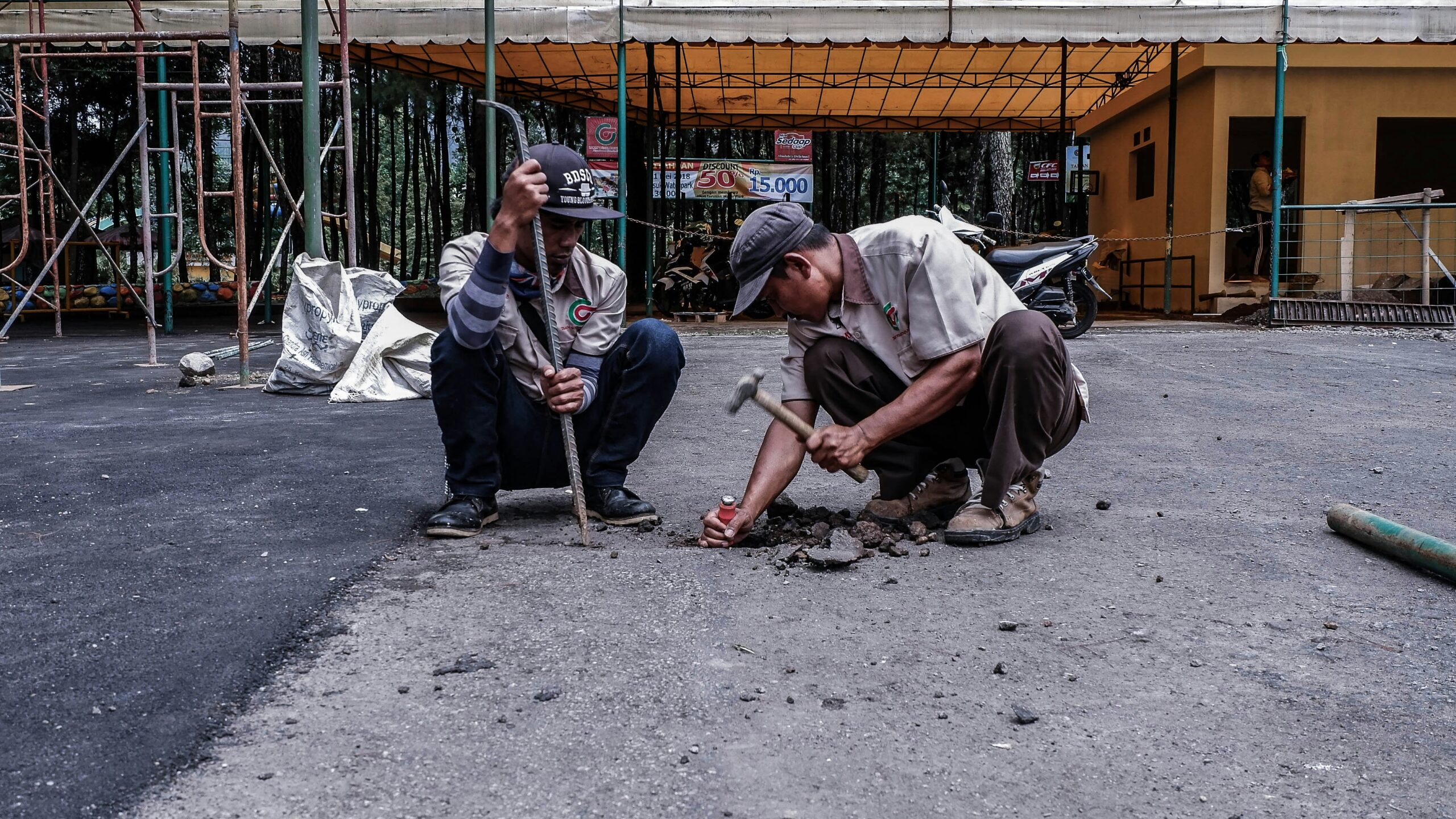
No. A property owner’s decision to repair a dangerous condition after an accident does not automatically erase potential liability. The key issue is generally the condition of the property at the time of your accident, rather than its condition after the owner made repairs.
Suppose you fall because of a broken stair and the property owner replaces the damaged step the following day. The fact that the stair is now safe does not change the condition that existed when you were injured. Your claim may depend on whether the step was defective when you fell, whether the owner knew or should have known about the defect, whether there was a reasonable opportunity to correct it, and whether the condition caused your injuries.
Repairing a dangerous condition after an accident may be appropriate for safety reasons, but it does not necessarily answer whether the owner acted reasonably before the accident. Premises liability claims must be evaluated according to the specific facts, applicable state law, and available evidence.
Why Post-Accident Repairs Can Make A Case More Complicated
When a hazard is repaired, the physical condition that caused the accident may no longer be available for inspection. That can make it more difficult to independently verify the condition you encountered. For example, if you tripped over flooring that was raised several inches above the surrounding surface and the owner replaced it before anyone photographed or measured the defect, an important piece of physical evidence may be gone.
This does not necessarily mean the claim cannot succeed. Instead, other evidence may become more important, including photographs or videos taken immediately after the accident, surveillance footage, witness and employee statements, maintenance and inspection records, work orders, repair invoices, incident reports, property inspection documents, previous complaints, communications concerning the condition, and weather records in applicable outdoor cases. The sooner this evidence is identified and preserved, the less dependent your claim may be on the hazardous condition continuing to exist.
Can Photos And Videos Prove The Hazard Existed?
Yes. Photographs and videos can be highly valuable in a slip-and-fall case, particularly when the property owner later repairs the condition. If you or someone else photographed the dangerous condition immediately after the accident, the images may show what the property looked like when the relevant condition was still present. Useful photographs may capture the specific defect as well as the surrounding area, lighting, warning signs, landmarks, and the hazard’s location.
Videos can provide additional context. Surveillance footage may show you approaching the area, the fall itself, employees responding to the incident, or the condition before it was repaired. If you have photographs or videos, preserve the original files whenever possible. Avoid deleting, altering, or editing them, and don’t rely exclusively on screenshots when the original files are available.
What If There Were No Photos Of The Hazard?
A lack of photographs does not automatically end a slip and fall case. Other evidence may help establish the condition that caused the accident. Witnesses may be able to describe the floor, sidewalk, stairs, parking lot, or other area and explain what they saw before or during the fall. Employees may also have relevant information if they know about a leak, a damaged stair, uneven surface, or a previous complaint.
Maintenance records can provide another source of evidence. For example, a work order showing that a condition was repaired shortly after the accident may help establish a timeline. The significance of that record depends on the surrounding facts and applicable law. The absence of one type of evidence does not necessarily mean there is no evidence supporting the claim.
Could Surveillance Footage Show What Happened?

Potentially, yes. Many businesses use security cameras around entrances, aisles, parking areas, sidewalks, elevators, stairwells, and other locations. Depending on camera placement, footage may capture the accident or document the property’s condition before and after the incident.
Surveillance can be particularly useful because it may provide objective evidence rather than relying entirely on competing memories. Many security systems automatically overwrite footage after a limited retention period unless it has been preserved.
That makes prompt action important. If you were injured on commercial or public property, a lawyer may evaluate whether relevant surveillance footage exists and whether steps should be taken to preserve it.
What About The Property Owner’s Repair Records?
Repair records can provide useful information about when and how a hazard was corrected. Relevant documents may include work orders, maintenance logs, contractor invoices, inspection reports, repair requests, employee communications, property management records, cleaning records, and incident reports.
These records may establish that a particular condition was addressed shortly after the accident or reveal whether the property owner had received previous notice of the problem.
Timing can be important. A repair made shortly after an accident may help establish that the property’s condition changed after the fall, but it does not automatically prove that the owner was negligent. The significance of the repair must be considered alongside the other evidence.
Does A Repair Prove The Owner Admitted Fault?
Repairing a hazard is not automatically the same as admitting liability. A responsible property owner may correct a dangerous condition immediately after learning about it simply to prevent additional injuries. The owner may later argue that the repair was a precautionary safety measure rather than an admission that the property was negligently maintained. Whether evidence concerning a subsequent repair can be introduced and for what purpose depends on applicable evidence rules and the circumstances of the case.
The broader questions may include what caused the accident, who controlled the property, whether the owner knew or should have known about the hazard, how long the condition existed, whether reasonable inspections were performed, whether warnings were provided, and whether the condition caused the claimed injuries.
What If The Owner Says The Hazard Was Never There?
This can become a significant dispute when the dangerous condition has been repaired. The property owner may claim that the area was safe when you fell or that the condition you describe did not exist. Contemporaneous evidence can therefore be especially important. Your own account of the accident may be relevant, but additional evidence can strengthen your position. Witness testimony, photographs, videos, surveillance footage, maintenance records, repair documents, previous complaints, and employee statements may help establish what occurred.
Medical records can also create an important timeline by documenting the injuries you reported, when you sought treatment, and the circumstances surrounding your care. Although medical records generally don’t establish property-owner negligence by themselves, they can support the injury portion of your claim. A strong case often involves multiple pieces of evidence that collectively provide a consistent account of the accident.
Can The Owner’s Knowledge Of The Hazard Affect Your Claim?
Yes. Premises liability cases commonly involve whether the property owner had actual or constructive notice of a dangerous condition, depending on the applicable law. Actual notice generally means the owner or an employee knew about the hazardous condition before the accident. Constructive notice generally concerns situations in which the condition existed long enough, or was sufficiently apparent, that the property owner reasonably should have discovered and corrected it.
The exact requirements vary by jurisdiction. A repair made after your fall does not necessarily resolve either issue. Investigating events before the accident may reveal whether the owner had received complaints, employees had observed the condition, or routine inspections should have identified the problem. For this reason, a slip and fall investigation often looks beyond the moment of the accident and examines what the property owner knew or should have known beforehand.
What Should You Do After A Slip and Fall?
If you are physically able, taking reasonable steps to document the accident can help preserve evidence.
- Seek Medical Attention: Your health should come first. Some injuries may not be immediately obvious after a fall, particularly when adrenaline temporarily masks pain. Medical records can also document your injuries, symptoms, treatment, and recovery, creating an important record of the consequences of the accident.
- Report the Accident: Notify the appropriate property owner, manager, employee, or responsible authority. Ask whether an incident report is being prepared and keep a record of whom you notified and when. When reporting the incident, stick to accurate facts rather than speculating about who was responsible.
- Photograph The Scene: If the hazard remains and you can safely document it, take photographs from multiple angles. Capture both close-up images of the defect and wider photographs showing where it was located. If you cannot photograph the area yourself, ask someone you trust to document it when possible.
- Find Witnesses: Obtain contact information from people who saw the accident or observed the dangerous condition, if possible. Witnesses can become more difficult to locate, and their memories may fade as time passes.
- Preserve Your Belongings: Keep the shoes and clothing you were wearing during the accident in their existing condition when possible. Avoid cleaning, altering, or discarding them until you have considered whether they may be relevant evidence.
- Keep Accident-Related Documents: Save medical bills, discharge paperwork, prescriptions, wage-loss documentation, correspondence, photographs, and other records related to the accident and resulting injuries.
- Speak With A Slip And Fall Lawyer: If your injuries are significant, the property owner disputes what happened, or the hazard has already been repaired, consider consulting a premises liability attorney promptly. A lawyer can evaluate the available evidence and determine whether additional records, surveillance footage, witness information, or other evidence should be preserved or investigated.
How Does A Lawyer Investigate A Repaired Hazard?
When the original condition is gone, an attorney may investigate the accident using documentary, testimonial, photographic, and electronic evidence. The investigation may examine what caused the fall, when the dangerous condition began, whether anyone reported the problem, who was responsible for maintaining the area, when and by whom the hazard was repaired, whether surveillance footage exists, and whether previous complaints or incidents were documented.
These questions can help establish how the property’s condition changed and whether the owner had an opportunity to address the hazard before the accident. The goal is not simply to show that a repair occurred. The broader objective is to reconstruct the condition of the property when the accident happened and determine whether the available evidence supports a premises liability claim.
Can You Still Recover Compensation After The Hazard Is Repaired?
A repaired hazard does not automatically prevent an injured person from pursuing compensation. If you can establish the necessary elements of a premises liability claim under applicable law, you may be entitled to seek damages. Potential compensation can include economic and non-economic losses. Economic damages may include emergency medical care, hospital bills, doctor visits, physical therapy, prescription costs, medical equipment, future medical treatment, lost wages, and reduced earning capacity.
Non-economic damages may include physical pain, emotional distress, loss of enjoyment of life, permanent limitations, scarring or disfigurement, and other effects associated with the injury. The value of an individual case cannot be determined solely by whether the property owner repaired the hazard. The severity and permanence of the injuries, strength of the liability evidence, financial losses, applicable law, insurance coverage, and other circumstances may all affect the potential value of a claim.
What If The Property Owner Repairs The Hazard Before You Can Photograph It?
This can be frustrating, but it does not necessarily mean you have no case. Document what you remember as soon as possible. Write down the date, time, location, relevant weather conditions, what you were doing immediately before the accident, what caused you to fall, and what you observed about the property’s condition.
Identify witnesses and preserve messages, photographs, receipts, or other records that may establish that you were at the property and document the circumstances surrounding the accident.
Don’t assume the physical hazard is the only evidence available. A lawyer may investigate whether surveillance footage, maintenance records, repair invoices, employee records, incident reports, or other documentation exist.
Why You Should Not Wait Too Long To Seek Legal Advice
Evidence can become increasingly difficult to obtain as time passes. Surveillance footage may be overwritten, witnesses may move or forget details, employees may leave their jobs, records may become harder to locate, and physical conditions may change.
Legal deadlines can also limit how long an injured person has to file a claim. These deadlines vary according to the jurisdiction, identity of the responsible party, and type of claim. Claims involving government-owned property may also be subject to special notice requirements or shorter deadlines in some jurisdictions.
Waiting until a deadline is approaching can make an already complicated premises liability claim more difficult to investigate. If the hazard has already been repaired, prompt legal evaluation may be particularly useful because preserving alternative evidence can become central to the case.
When To Seek Legal Advice After A Slip And Fall?
Consider seeking legal advice if you suffered substantial injuries, required significant medical treatment, missed work, experienced a permanent impairment, or believe the property owner knew about the dangerous condition.
A consultation may also be appropriate if the hazard was repaired immediately after the accident, the property owner disputes that the condition existed, you were asked to sign an incident-related document, a business or insurer contacted you, surveillance footage may exist, you have significant medical bills, you cannot return to work normally, multiple parties may be responsible, the accident occurred on government property, or your injuries may require future treatment.
A lawyer can review the circumstances, identify potentially important evidence, and explain whether the available facts support a premises liability claim.
Conclusion
A property owner’s decision to fix a dangerous condition after a slip and fall can make a premises liability case more complicated, but it does not automatically make your claim disappear. What matters is what happened when you were injured.
If a wet floor, broken stair, uneven surface, defective walkway, inadequate lighting, or another dangerous condition caused your accident, evidence may still exist after the hazard has been corrected. Photographs, witness statements, surveillance footage, maintenance records, repair documents, incident reports, and other evidence may help reconstruct the property’s condition at the time of the accident.
The disappearance of the hazard does not necessarily mean the disappearance of your legal rights. If you were seriously injured, document what you can, preserve relevant records, follow your medical treatment, and consider speaking with a qualified slip and fall attorney. An experienced lawyer can investigate the circumstances of the accident, determine whether the property owner had notice of the hazard, identify potentially responsible parties, and evaluate the compensation you may be entitled to pursue.
Frequently Asked Questions
1. Can I Sue If The Property Owner Fixed The Hazard After I Fell?
Potentially, yes. Repairing a hazard after an accident does not automatically eliminate a premises liability claim. Relevant questions include whether the dangerous condition existed when you fell, whether the property owner was responsible for the area, whether the owner knew or should have known about the condition, and whether the hazard caused your injuries.
2. Does Fixing A Dangerous Condition Prove The Property Owner Was Negligent?
Not necessarily. A post-accident repair does not automatically establish negligence or constitute an admission of fault. The repair may be relevant to understanding what happened, but liability generally depends on the totality of the evidence and applicable law.
3. What If I Did Not Take Pictures Before The Hazard Was Repaired?
You may still have a claim. Witness testimony, surveillance footage, maintenance records, incident reports, repair documents, employee testimony, previous complaints, and other evidence may help establish the property’s condition when you fell.
4. How Long Do I Have To File A Slip And Fall Lawsuit?
The deadline depends on the jurisdiction and circumstances of the claim. Different rules may apply to private property, government property, and claims involving particular entities. Because missing a legal deadline can prevent recovery, consult a qualified attorney promptly rather than relying on a general deadline.
5. Should I Contact A Lawyer If The Property Owner Already Repaired The Hazard?
If you suffered meaningful injuries or liability is disputed, consulting a slip and fall lawyer may be worthwhile. An attorney can evaluate the evidence, investigate whether the hazard was reported or documented, determine whether surveillance or maintenance records may exist, and explain your legal options.