


Insurance companies often offer quick settlements after accidents to close claims before the full impact of injuries is known. While immediate compensation may seem helpful, early offers often fail to cover future medical costs, lost income, or long-term complications. Because settlements are usually final, carefully evaluating injuries and financial consequences is essential.
Key Takeaways
- Quick settlements are often offered before injuries are fully diagnosed or stabilized.
- Accepting early may result in compensation that does not cover future medical costs.
- Insurance companies may prioritize closing claims quickly and cost-effectively
- Once accepted, settlements are typically final and cannot be reopened
- Careful evaluation of damages is essential before agreeing to any offer
Why Insurance Companies Offer Quick Settlements

Insurance companies often move quickly after an accident because early resolution can significantly reduce the overall cost and complexity of a claim. While a fast settlement may appear helpful to an injured person dealing with immediate expenses, it is typically guided by financial strategy and risk management rather than a full assessment of the long-term impact of the injury.
Reducing Their Financial Exposure Early
Insurance providers often aim to resolve claims quickly to limit their overall payout. Early settlement offers are usually based on the information available shortly after the accident, when injuries may still be developing and long-term medical needs are not yet known. This allows insurers to calculate compensation based on immediate and visible injuries rather than potential future complications, which can include surgeries, rehabilitation, or chronic conditions. By settling early, insurers reduce the risk of paying significantly higher costs later.
Encouraging Fast Claim Closure
A quick agreement benefits insurers by reducing administrative workload, legal expenses, and the time spent managing a single claim. It also helps them avoid prolonged negotiations or the possibility of litigation, which can increase costs and delay resolution. By closing cases early, insurance companies can streamline internal processes and allocate resources to other claims more efficiently, often before the injured party fully understands the long-term consequences of their injuries.
Underestimating The Full Extent Of Injuries
One of the most serious risks in early settlement discussions is that injuries are not always fully understood immediately after an accident. Some conditions take time to develop, while others require further diagnostic testing before their severity becomes clear.
Symptoms May Worsen Over Time
Certain injuries, such as soft tissue damage, whiplash, internal injuries, or concussions, may not show their full effects right away. In many cases, symptoms can gradually worsen in the days or weeks following the accident, leading to increased pain, reduced mobility, headaches, dizziness, or cognitive difficulties. When a settlement is offered early, it may be based on an incomplete picture of the victim’s actual medical condition and recovery trajectory.
Delayed Diagnosis Can Affect Compensation
If medical evaluations are incomplete or rushed at the time of settlement, important injuries may be missed or underestimated. This can result in compensation that does not account for future treatment needs, specialist care, or extended recovery periods. Once the settlement is finalized, the injured person is often responsible for any additional medical expenses that arise later, even if they are directly related to the original accident.
Medical Costs That Are Often Overlooked

Medical expenses rarely end with emergency treatment or the initial doctor’s visit. In many cases, the highest costs appear later, during the recovery process, when the full extent of the injury becomes clearer.
Future Treatment And Rehabilitation
Serious injuries often require ongoing care such as physical therapy, rehabilitation programs, follow-up procedures, or even additional surgeries. These treatments may be necessary weeks, months, or even years after the accident. Early settlement offers frequently fail to account for these future medical needs, especially when the long-term prognosis is still uncertain at the time of negotiation.
Ongoing Medication And Follow-Ups
Many injury victims require continuous medication to manage pain, inflammation, nerve damage, or other chronic conditions. Regular follow-up visits with specialists may also be necessary to monitor recovery and adjust treatment plans. Over time, these recurring medical expenses can add up significantly, and they are often underestimated or excluded from quick settlement calculations.
Lost Income And Reduced Earning Capacity
The financial impact of an accident extends beyond medical bills and often includes both immediate and long-term effects on a person’s ability to earn income.
Short-Term Vs Long-Term Wage Loss
Quick settlements typically focus on immediate wage loss, such as missed workdays during initial recovery. However, many injuries require extended healing periods, resulting in weeks or months of additional lost income. In some cases, individuals may be unable to return to work at the same pace or schedule, leading to ongoing financial strain that is not reflected in early compensation offers.
Impact On Future Career Opportunities
Serious injuries can have lasting effects on a person’s ability to perform job-related tasks, especially in physically demanding occupations. Even in less physically intensive roles, chronic pain, fatigue, or cognitive impairments can reduce productivity and limit advancement opportunities. Over time, this can significantly affect long-term earning potential—an impact that early settlement offers often fail to fully consider.
Emotional And Psychological Damages
Accidents affect more than just the body; they can also have lasting emotional and psychological consequences that influence overall recovery and quality of life.
Stress, Anxiety, And Trauma
Injured individuals may experience emotional distress such as anxiety, depression, sleep disturbances, or post-traumatic stress symptoms following an accident. These conditions can require ongoing counseling, therapy, or psychiatric care. Unfortunately, early settlement offers often place greater emphasis on physical injuries and may not fully account for the cost and impact of mental health treatment.
Reduced Quality Of Life
Beyond diagnosed conditions, many accident victims experience a significant reduction in their overall quality of life. This can include difficulty participating in hobbies, strain in personal relationships, reduced independence, or limitations in everyday activities. These non-economic damages are real but often difficult to quantify, which is why they are frequently undervalued in quick settlement discussions.
Hidden Damages May Not Be Included
One of the most significant dangers of accepting a quick settlement is that many accident-related losses are not immediately visible. In the days following an accident, injured individuals are often focused on emergency treatment, vehicle repairs, missed work, and managing daily responsibilities. Because of this, it can be difficult to fully understand the long-term financial impact of an injury.
Many damages only become apparent after medical treatment progresses and healthcare providers gain a clearer understanding of the recovery process. These hidden costs can include:
- Future medical care and follow-up appointments
- Physical therapy and rehabilitation services
- Home modifications to accommodate disabilities
- Transportation expenses for ongoing treatment
- Wheelchairs, braces, or other assistive devices
- Household assistance for daily tasks
- Long-term prescription medication costs
For example, a person recovering from a severe back injury may initially believe that a few weeks of treatment will be sufficient. Months later, they may discover that additional therapy, pain management procedures, or even surgery is required. Similarly, an individual who develops mobility limitations may need home adjustments such as ramps, handrails, or specialized equipment.
These expenses can add up quickly and may continue for years. Unfortunately, once a settlement agreement has been finalized, obtaining additional compensation is often impossible. What initially appears to be a fair offer may ultimately fall far short of covering the true cost of recovery. This is why a complete evaluation of both current and anticipated losses is essential before accepting any settlement proposal.
Property Damage Claims Can Affect Injury Claims
After an accident, many people naturally focus on visible property damage because it is often the most immediate and obvious problem. A damaged vehicle, destroyed personal belongings, or other property losses can create significant inconvenience and financial stress.
However, concentrating too heavily on property damage can sometimes distract individuals from evaluating the full extent of their physical injuries.
For example, after a car accident, a person may prioritize getting their vehicle repaired so they can return to work and daily activities. While dealing with repair estimates and insurance paperwork, they may overlook symptoms that are still developing. Conditions such as neck pain, headaches, back discomfort, or cognitive issues may not become noticeable until days or weeks later.
Insurance companies sometimes attempt to resolve multiple aspects of a claim simultaneously. While this approach may seem efficient, it can create pressure to settle before the injured person fully understands the extent of their medical condition.
Property damage and personal injury losses are often very different issues and should be evaluated separately. Repairing a vehicle is generally a straightforward process with relatively predictable costs. Determining the value of an injury claim, however, often requires ongoing medical assessment, treatment records, and an understanding of future limitations.
Taking the time to separately evaluate injury-related damages helps ensure that important losses are not overlooked in the rush to resolve property-related concerns.
Minor Injuries Can Become Major Problems
Another reason quick settlements can be risky is that not every serious injury appears severe immediately after an accident. In fact, some of the most significant injuries begin with symptoms that seem relatively minor.
Common examples include:
- Concussions and traumatic brain injuries
- Whiplash and neck injuries
- Back injuries and spinal conditions
- Joint damage
- Soft tissue injuries involving muscles, tendons, and ligaments
Following an accident, adrenaline and shock can temporarily mask pain and discomfort. A person may leave the scene believing they escaped with only minor injuries. Over the following days or weeks, however, symptoms may gradually worsen.
A mild headache may develop into persistent cognitive difficulties associated with a concussion. Minor back pain may evolve into chronic discomfort that interferes with work and daily activities. Soft tissue injuries that initially seem insignificant can require months of treatment and rehabilitation.
Because these developments are difficult to predict immediately after an accident, early settlement offers frequently fail to account for them. Compensation may be based on the assumption that recovery will be quick and uncomplicated. If complications arise later, the injured person may be left without the financial resources necessary to address ongoing medical needs.
Waiting until medical providers have a clearer understanding of the injury can help prevent decisions based on incomplete information.
Future Earning Capacity May Be Reduced
Many accident victims focus on wages lost during their initial recovery period. While lost income is important, another often-overlooked issue is diminished earning capacity.
Even when an injured individual eventually returns to work, the injury may affect their ability to earn income in the future. These consequences can be substantial and may continue for decades.
Examples include:
- Reduced physical abilities that limit available job opportunities
- Chronic pain that decreases productivity and work performance
- Cognitive impairments that affect concentration, memory, or decision-making
- Permanent medical restrictions that prevent promotions or career advancement
Consider a construction worker who suffers a serious back injury. Although they may eventually return to employment, they may no longer be able to perform physically demanding tasks that previously provided higher earnings. Similarly, a professional who experiences a brain injury may struggle with concentration, limiting future career growth.
Calculating diminished earning capacity often requires input from medical experts, vocational specialists, and economists. These professionals evaluate how an injury may affect long-term employment opportunities and projected earnings.
Because these losses develop over time, they are rarely apparent in the immediate aftermath of an accident. Accepting a settlement too early may result in significant financial consequences if future earning limitations are not properly considered.
Children and Young Adults Face Unique Risks
When accident victims are children or young adults, predicting long-term consequences becomes even more challenging. Younger individuals often have decades of education, employment, and personal development ahead of them, making future impacts difficult to measure immediately.
An injury sustained during childhood or early adulthood may influence educational performance, career opportunities, physical development, and overall quality of life. Some conditions may not reveal their full effects until years later as the individual grows and encounters new challenges.
For example, a seemingly moderate orthopedic injury could affect athletic participation, career choices, or future earning potential. A brain injury may influence academic performance and professional development in ways that are not immediately apparent.
Because the long-term effects may remain uncertain for an extended period, quick settlements can be especially risky in cases involving younger individuals. A settlement that appears adequate today may fail to account for future medical treatment, educational accommodations, vocational limitations, or lifelong care needs.
Recovery Timelines Are Often Unpredictable
Perhaps the most important reason to approach quick settlements with caution is that medical recovery is rarely predictable. Every injury and every patient is different.
Some people recover rapidly with minimal complications, while others experience setbacks, delayed healing, or unexpected medical issues. Recovery outcomes can be influenced by numerous factors, including:
- Age and overall health
- The severity and nature of the injury
- Access to quality medical treatment
- Commitment to rehabilitation programs
- Pre-existing medical conditions
- Individual healing responses
A recovery timeline that initially appears straightforward can change dramatically if complications arise. Additional surgeries, prolonged therapy, chronic pain, or permanent impairments may emerge long after the accident occurred.
For this reason, many medical and legal professionals emphasize the importance of reaching maximum medical improvement before fully evaluating long-term damages. At that stage, doctors have a clearer understanding of the patient’s prognosis, future treatment needs, and permanent limitations.
Accepting a settlement before this information becomes available can create substantial financial risk. Waiting for a more complete picture of recovery often allows for a far more accurate assessment of both current and future losses, helping ensure that compensation reflects the true impact of the injury.
The Finality Of Accepting A Settlement
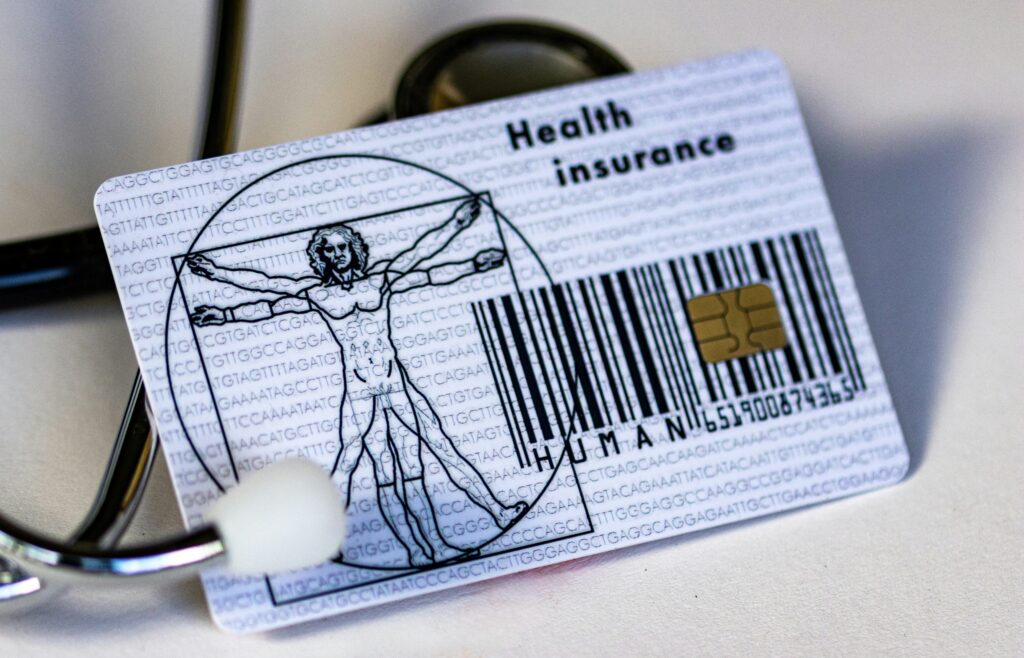
One of the most important considerations in any injury claim is that accepting a settlement usually brings the legal case to a permanent close.
Waiving The Right To Future Claims
Once a settlement agreement is signed, the injured party typically waives the right to pursue any additional legal action related to the accident. This means that even if new injuries, complications, or long-term effects are discovered later, they cannot usually be added to the claim or pursued separately.
Limited Ability To Renegotiate
After a settlement is finalized, it is extremely difficult to reopen or renegotiate the agreement. In most cases, the terms are legally binding and final. This makes it especially important to fully understand the extent of injuries and potential future costs before agreeing to any settlement offer.
Pressure Tactics And Early Decision-Making
In some situations, injured individuals may feel pressured to make a quick decision before they have had enough time or information to evaluate their claim properly.
Time-Sensitive Offers
Insurance companies may attach deadlines to settlement offers, creating a sense of urgency. These time limits can encourage injured individuals to accept quickly, even if their medical condition is still evolving or if they have not yet completed necessary diagnostic tests.
Misleading Sense Of Urgency
Financial stress after an accident can make a quick payout seem like the only immediate solution. However, this sense of urgency may not reflect the true complexity or long-term value of the claim. Acting too quickly can result in accepting compensation that does not fully cover medical costs, lost income, or other long-term damages.
Conclusion
While a fast payout may seem appealing after an accident—especially when bills are piling up, and income has been disrupted—the quick settlement of injury risks often outweighs any short-term financial relief. Early settlement offers are commonly made before the full scope of an injury is understood, which means they may not reflect the true cost of recovery. As a result, important factors such as ongoing medical treatment, future rehabilitation, lost earning capacity, and emotional distress are often underestimated or completely overlooked.
Once a settlement is accepted, it is typically final and binding, leaving little to no room for future adjustments or additional compensation. This means that if an injury worsens, requires further treatment, or leads to long-term complications, the injured person may be left to cover those expenses on their own. Because of this, careful evaluation and patience are essential before agreeing to any offer.
Taking the time to fully understand the long-term impact of an accident allows for a more accurate assessment of damages. By ensuring that all current and future losses are properly considered, injury victims can make more informed decisions and better protect their financial and physical well-being.
Frequently Asked Questions (FAQs)
1. Why Do Insurance Companies Offer Quick Settlements After An Accident?
Insurance companies often offer quick settlements to reduce overall claim costs and close cases before the full extent of injuries, long-term treatment needs, and financial losses are fully known. This approach helps them limit uncertainty and avoid prolonged negotiations or litigation.
2. Is A Quick Settlement Always A Bad Idea?
Not always. In some minor cases where injuries are fully diagnosed and recovery is complete, a quick settlement may be reasonable. However, it becomes risky when injuries are still developing, future treatment is uncertain, or long-term financial impacts have not yet been evaluated.
3. Can I Reopen A Settlement After Accepting It?
In most cases, no. Once a settlement agreement is signed, it is considered final and legally binding. This generally prevents any future claims or additional compensation related to the same accident, even if new issues arise later.
4. What Should I Do Before Accepting A Settlement Offer?
Before accepting any offer, it is important to fully review medical records, understand your diagnosis, and consider potential future treatment needs. You should also evaluate lost income, long-term recovery expectations, and any non-economic damages such as pain and emotional distress.
5. How Can I Avoid The Risks Of A Quick Settlement?
You can reduce risks by waiting until your condition stabilizes or reaches maximum medical improvement, ensuring all injuries are properly diagnosed, and carefully calculating both current and future damages before making a decision.