

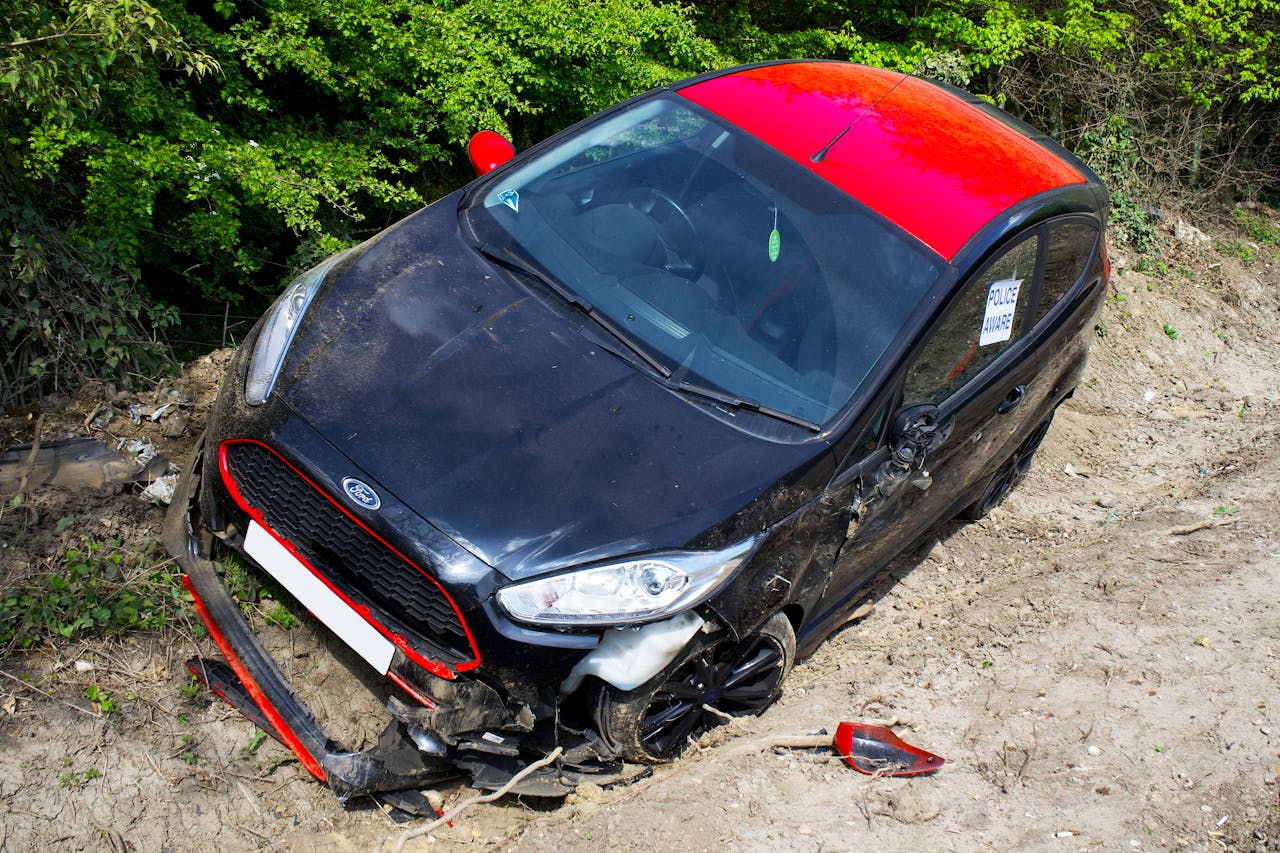
TBI in car accidents refers to traumatic brain injury caused by the crash’s sudden force. These cases are more complex because of how the brain responds to impact and how doctors need to look for less obvious symptoms. TBI frequently presents with symptoms that might not be immediate, which complicates both initial treatment and evidence. Medical teams need to utilize scans, notes, and lengthy testing to monitor brain function over time. Legal steps become difficult because every TBI case is unique, and care and recovery expenses vary. TBI insurance claims require more evidence and expert consultation than other injuries. To assist with that, here’s the main post showing what makes TBI cases in car crashes unique.
Key Takeaways
- Traumatic brain injuries (TBIs) from car accidents often involve complex physics, such as rotational forces, deceleration impacts, and the coup-contrecoup phenomenon. All of these factors can cause severe and sometimes hidden brain trauma.
- This is why diagnosing TBI in car accidents and nailing down the right medical support for these cases is harder than in any other context, partly demanding advanced brain imaging, specialized doctors, and detailed documentation.
- TBI cases involving car accidents are more complex than other brain injury claims because they typically involve comparative negligence, expert testimony, and insurance companies.
- Car accident TBI recovery requires individualized care addressing both the physical and psychological effects. Cognitive rehabilitation and robust familial support are crucial.
- Successfully proving TBIs in court depends on multiple sources of evidence, from medical records to imaging and witness testimony, which is why having an experienced attorney by your side can be so valuable.
- Whether you’re personally involved in or just supporting a TBI case, the key lies in prioritizing thorough medical evaluation, detailed evidence gathering, and consulting with specialized professionals to optimize recovery and legal outcomes.
The Physics of a Crash TBI
TBI in car crashes is a collision of forces and biology that makes such cases compelling. High-speed impacts, even those going as low as 45 km/h, cause moderate to severe TBIs in approximately 26% of car occupants. The difficulty arises from how these various forces affect the brain’s anatomy, resulting in damage that can be elusive on early scans.
1. Rotational Forces
Rotational forces are instrumental in axonal injuries, which are among the most severe types of TBI. If the car spins or changes direction quickly in a crash, then the head can rotate at a high speed. This motion contorts and elongates the brain’s extended nerve fibers, or axons, resulting in diffuse axonal injury (DAI). These injuries disrupt communication between brain cells, which in turn can impact memory, mood, and movement. The intensity of these injuries is based on the velocity and rotational rate. Even in the absence of impact, rotational forces by themselves can inflict serious brain injury. In a side impact, for instance, a person may not strike their head but could still experience a severe TBI from the whipping.
2. Deceleration Impact
Sudden stops during a crash generate violent deceleration forces that slam the brain against the interior of the skull. The brain, hanging in fluid, keeps moving even as the skull stops, bruising or causing bleeds. These forces can further cause skull fractures, which car occupants experience at rates increasing from 2 percent at 32 kilometers per hour to 9 percent at 64 kilometers per hour. Deceleration injuries are particularly tricky because they typically involve both focal injuries, such as contusions, and widespread damage, such as swelling. Most victims develop symptoms that change with time, which makes early diagnosis challenging. Even relatively low-speed collisions can cause significant long-term issues.
3. Coup-Contrecoup
Coup-contrecoup are injuries where the brain hits one side of the skull and then bounces to the other. This double hit can contuse or lacerate brain tissue at two distinct sites. Later, victims might experience chronic headaches, memory loss, or behavioral changes. This is why, thanks to the coup-contrecoup effect, some patients have symptoms that do not correspond with the site of visible trauma. This mechanism is why crash TBIs are so persistently unpredictable.
4. Blast Effect
The blast effect in car crashes can cause covert and diffuse brain injury. When a car hits a pressure wave, like an airbag or explosion, the skull and brain are subject to forces orders of magnitude higher than normal impact. In testing, head accelerations maxed at 500 g, exceeding by a wide margin what the human body can tolerate, even if for less than 7 milliseconds. Blast-related TBIs are notoriously difficult to diagnose, particularly in court, because symptoms can be delayed and standard scans often appear normal. The intricacy of these injuries typically causes arguments about if and how much brain damage exists.
Why Car Accident TBIs Are Different
Car accident TBIs are different because of a combination of physical and legal factors. The forces in a car crash are immediate and powerful. This creates unique injury patterns and outcomes compared to TBIs from falls, sports, or assaults. Car accidents represent roughly 14% of all TBIs globally, emphasizing their substantial influence. Unlike other events, the collision dynamics, including cars’ speed, angle of impact, and change in velocity, are directly related to the nature of the brain injury. One example is that higher speeds are generally associated with more severe TBIs, whereas car occupants usually survive moderate to severe TBIs when total change in velocity is less than 20 km/h. In contrast, pedestrians and cyclists are at far greater risk. Pedestrians are five times more likely to have a focal brain injury and three times more likely to suffer a skull fracture or subarachnoid hemorrhage than car occupants. This is in part due to them not having the physical protection of vehicles.
The legal side of car accident TBIs is just as nuanced. Claims for these injuries too often include accident reconstruction, medical evidence and insurance negotiations. Each case requires a deep dive into the crash mechanics, medical imaging, and even the patient’s history. One issue is the diverse spectrum of TBI symptoms. Some walk away quick, while others battle post-concussion syndrome. That threshold can shift with age, health, and prior trauma, and that makes it more difficult to demonstrate with certainty the degree of harm. That’s why claimants require lawyers who understand how to deal with the technical and medical side of TBI cases. Specialized legal assistance can be a huge factor both in outcome and how long it takes to settle.
Factors that make car accident TBI recovery and settlement more complex include:
- Such as the broad spectrum of injury types and symptoms that can manifest, from mild concussions to severe long-term disabilities.
- Differences in individual risk and injury thresholds
- The need for detailed accident reconstruction and medical documentation
- Car accident TBIs are different because there are multiple parties involved, from drivers and pedestrians to cyclists and insurers.
- Challenges in linking symptoms directly to the accident
- How fast emergency response times and newer, more advanced collision notification systems play a significant role.
The Diagnostic Maze
Diagnosing TBIs post-car accident is a crapshoot, otherwise known as the diagnostic maze. This maze epitomizes the difficulty in obtaining straightforward answers about brain injuries, something that vexes both patients and their families. Unlike bone breaks or lacerations, TBIs can be subtle. Others are slow to present symptoms or suffer from subtle problems such as headaches, memory lapses or mood swings that are easily overlooked. Certain injuries, like diffuse axonal injury, can be particularly hard to detect even on standard imaging such as CT or MRI scans. For instance, someone could fall in a crash, feel dazed but have a normal scan, then have issues emerge days later. This paucity of telltale signs can keep patients and clinicians alike in the diagnostic labyrinth, leaving them to base decisions on prudent observation rather than rapid assays.
Medical evidence and brain scans weigh heavily in TBI cases. Doctors typically turn to imaging to seek out damage. Conventional scans can overlook the mini tears and stretches that occur inside the brain. Advanced scanning, such as diffusion tensor imaging, can assist, but these instruments aren’t universally accessible and require trained personnel to interpret. Brain injuries rarely play by nice neat rules. What appears on a scan may be hardly related to how the individual feels or behaves. In other locations, no standard tests or clear steps make it even more bewildering. One patient’s scan may appear normal even as their symptoms exacerbate, which complicates demonstrating that a bona fide injury occurred.
Expert testimony frequently features in these cases. Brain injuries are maze-like, and having a specialist interpret what the scans mean or how the symptoms coalesce can help all parties involved comprehend what is happening. Specialists can identify holes or weaknesses in the data, and they need to sift through lab reports, charts, and scans. Their feedback can determine if a case is mild or serious and direct the appropriate care and assistance.
There are a lot of problems confronting physicians attempting to diagnose TBIs. No single test or checklist works. Without common standards for how to test or what constitutes evidence, treatment may be postponed. This can leave people feeling anxious or helpless, particularly when answers are slow in arriving. Doctors and researchers are demanding new tools and better measures to accelerate and refine diagnosis so people can receive the assistance they require earlier.
Legal Hurdles in TBI Lawsuits
TBIs from car crashes add a lot of legal speed bumps to the typical accident case. The table below shows core legal hurdles, their impacts, and the importance of strong documentation in TBI lawsuits.
Legal Hurdle | Impact | Importance of Documentation |
Proving injury | Symptoms may be delayed; hard to link to accident | Detailed records help show timing and cause |
Lack of visible signs | Defendants argue injury is less severe | Imaging, expert notes, and witness accounts needed |
Delayed symptoms | Causation challenged; other causes suggested | Timeline of symptoms, medical visits, daily logs |
Quantifying the effects | Hard to show full impact on daily life | Statements from doctors, employers, and family |
Second-impact syndrome | More severe injury, but tough to prove relationship | Ongoing neurological evaluations and expert review |
Comparative negligence is often a killer in TBI cases. In many countries, the victim’s recovery amount may be reduced if they are partially at fault for the crash. For instance, if a driver is determined to be 30% liable, their settlement would be reduced by that amount. This rule complicates matters for TBI victims attempting to recover full damages, particularly since memory loss or confusion from the TBI itself may prevent a victim from providing a lucid accounting of the accident. Insurance companies love this to reduce settlements.
Extensive records and proof are critical in any TBI lawsuit. TBI symptoms can take days or weeks to manifest, so constructing a record linking the injury back to the accident is challenging yet critical. Medical records, brain scans, and symptom logs assist, but testimonials from the victim’s peers are important as well. Family, friends, and coworkers can demonstrate how the TBI altered a victim’s speech, mood, or work. Expert testimony from doctors and therapists is frequently required to establish both the cause and the extensive impact of the injury.
The insurance companies put another hurdle up. TBI lawsuits are full of legal hurdles. Adjusters might question the connection between the crash and the TBI due to the delayed onset or absence of visible external injuries. They often want to do additional tests or imply the injury is a latent condition. This can delay claims and force victims to accept less than the full worth of their losses.
The Human Factor in TBI Recovery
Recovery from traumatic brain injury (TBI) after a car accident is shaped by a mix of biology, psychology, and social context. Each case is unique since personal health, age, injury severity, and support all change the path forward. Emotional and mental impacts often weigh as much as the physical ones. Many survivors face anxiety, mood changes, or loss of focus. These changes may last weeks, months, or even years, and they can be hard for both the survivor and their loved ones. It is common for people to feel isolated or misunderstood, which makes it harder to heal. Family and friends who listen, show patience, and help with daily tasks can make a real difference, but not everyone has strong support at home. Health inequities and gaps in care access, often tied to where a person lives or how much money they have, make things more complex. Older adults, for example, have the highest rates of TBI-related hospital stays and deaths, and they often recover poorly compared to younger people. Sex differences also play a role; men and women may recover at different rates due to brain structure, hormones, and immune response. More research is needed to understand these gaps.
Cognitive rehabilitation is an important phase during TBI recovery. It assists survivors in relearning skills, strengthening memory, or adjusting to new boundaries. Early and continued therapy yields the best outcomes. Accessibility is dictated by social factors and the healthcare system. Those who reside in rural communities with limited access to care or go without insurance coverage perhaps never receive it. Education, economic stability, and the layout of a person’s neighborhood can all influence how good and how quick someone can get assistance. Recovery is hardly ever linear. There are often relapses and some people even suffer multiple TBIs during their lifetime, which is why consistent monitoring is so important.
- Importance of personalized treatment plans for TBI recovery: * Honor everyone’s individual needs, aspirations, and history.
- Adapt therapy to shifting symptoms and daily life demands.
- Incorporate feedback from family, physicians, and therapists for optimal outcomes.
- Overcome access barriers such as expense or transportation.
- Schedule long-term follow-up and future care needs.
Proving the Invisible Injury
Traumatic brain injuries (TBI) from car accidents frequently remain hidden. A lot of them don’t have easy-to-see blood or bruises. The injury is concealed within the skull, which makes it harder to prove than other injuries. These proofs require a combination of clean documentation, expert testimony, and personal tracking. Here’s a rundown of the primary forms of evidence and methods used to prove a TBI in court.
Type of Evidence | Strategy/Use |
Medical Records | Show doctor visits, test results, treatment plans, and changes over time |
Advanced Imaging | Use scans like fMRI or DTI to spot changes in brain structure |
Neuropsychological Tests | Measure shifts in memory, mood, thinking skills, and daily function |
Personal Diary | Track day-to-day struggles, mood swings, headaches, and forgetfulness |
Witness Testimony | Friends, family, or coworkers describe changes in behavior or ability |
Expert Testimony | Neurologists and neuropsychologists explain test results and link symptoms to the accident |
The overwhelming evidence begins with records from your medical treatment. These records demonstrate what happened post-crash: emergency care, physician’s appointments, and follow-up treatment. Records alone are not sufficient. Advanced imaging, like functional MRI and diffusion tensor imaging, can detect subtle but actual changes in brain tissue. These scans are crucial when symptoms are delayed or difficult to detect.
Neuropsychological testing is an additional level. Popular instruments such as the Wechsler Memory Scale test for alterations in memory, attention, or mood. These tests can detect the covert injuries a TBI can inflict, even when a patient appears outwardly unscathed. A personal injury diary helps as well. Tracking headaches, mood swings, or forgetting simple tasks establishes a timeline of the everyday impact.
Expert and witness testimony complete the case. Neurologists and neuropsychologists can explain the science, demonstrating how a TBI alters thought and behavior. Friends or coworkers can demonstrate how a person’s work or social life was altered following the accident. Depression can take its toll. Depression occurs within a year in up to 50% of moderate or severe TBI cases.
The attorney craft in these cases counts. They need to connect test results to the crash and demonstrate how the injury impacts life. That means understanding how to use every scrap of evidence, how to interrogate the questions you need answered, and collaborate with medical professionals. Treatment frequently requires a team of physiatrists, therapists, and more to assist in symptom management and recovery.
Conclusion
Tbi from car accidents: why these cases are more complex Quick halts, hard smacks, or even gentle pats can make you deep brain pain. Physicians require precision instruments and expertise to detect these injuries early. Courts seek evidence that is difficult to present, as many symptoms remain hidden. Each individual recovers differently. Some require months, and some require years. The road to just aid seems rugged for numerous. Being sharp and asking the right questions can get you better care and support. Follow new tests and legislation. Tell your story or get assistance if you or a loved one has survived a crash. Your voice can provide clarity and hope for others.
Frequently Asked Questions
What makes traumatic brain injuries (TBIs) from car accidents more complex than other TBIs?
TBIs in car accidents usually include rapid, violent forces. These forces can cause several types of injuries simultaneously, which renders diagnosis and treatment more complex than in other scenarios.
Why are TBIs sometimes hard to diagnose after a car accident?
Signs can be subtle or delayed. Most TBIs do not appear on early scans, so they are not detected without these specialized tests and close follow-up.
What legal challenges do TBI victims face after a car crash?
It’s hard to demonstrate the injury’s effect.
Symptoms are often invisible, and insurance companies may fight claims or their severity, resulting in complex legal battles.
How do doctors confirm a TBI after a car accident?
Physicians employ neurological exams, imaging scans, and patient history. At times, they rely on multiple evaluations as initial scans can overlook some TBIs.
What makes recovery from car accident TBIs harder?
Recovery typically involves a team effort that encompasses medical, psychological, and rehabilitation professionals. Emotional and cognitive changes complicate healing.
Why is it difficult to prove a TBI in court?
TBIs may be invisible on scans and symptomology is subjective. Establishing the injury’s seriousness typically requires expert evidence and comprehensive medical documentation.
Can a TBI from a car accident affect someone’s daily life long-term?
TBIs can lead to memory loss, difficulty concentrating and mood changes. These symptoms can affect work, relationships, and quality of life for months or years.
Medical-Related Injuries and Abuse? Get the Legal Support You Need
At Phoenix Injury Attorneys, our team understands how devastating medical-related injuries and abuse can be. These cases can involve traumatic brain injuries, medication errors, neglect in care facilities, or signs of elder abuse that were ignored. You might be managing painful symptoms, new medical complications, financial stress, and uncertainty about what comes next. You deserve clarity, justice, and a legal team that stands firmly on your side.
Led by Khalil Chuck Saigh, our Arizona-based firm investigates what happened, reviews medical records, works closely with specialists, and builds a case that identifies every party responsible. We pursue compensation for medical bills, ongoing treatment, long-term care needs, lost income, emotional suffering, and the overall impact on your safety and quality of life.
If something feels wrong about the care you or your loved one received, listen to that feeling. Reach out today for a free and confidential case review. Let us protect your rights, confront negligence, and help you move forward with strength and support.