


Key Takeaways
- You need to know that all too common apartment complex accidents like slip and falls, stairwell accidents, and parking lot hazards are often caused by negligent maintenance and a lack of safety precautions.
- You need to know your landlord’s potential obligations under the law, such as the duty of care and building codes. They can be held liable for injuries.
- Once you get hurt, it is crucial that you immediately receive medical attention, report the accident to property management, and document everything because these actions will go a long way in helping your case and preserving your rights.
- You’re entitled to a safe home and to complain about an unsafe situation so that it can be fixed for you and others.
- Knowing potential defenses landlords can use, like tenant fault or obvious hazards, will help you punch up your claims and expect roadblocks when trying for compensation.
- Routine checks, upkeep, and meeting safety codes are things you can push for to stave off incidents and minimize dangers inside your apartment complex.
Liability for injuries on apartment complex grounds indicates that the owner or manager of the property can be held accountable if you are injured due to their failure to maintain a safe environment. You could be in danger from such things as broken stairs, inadequate lighting, or slippery walkways. Most nations have unambiguous laws that state that the owners are responsible for repairing any hazard that they are aware of or ought to be aware of. If you get injured, the law generally looks to whether the owner acted as a reasonable person would in the same location. Rules vary from location to location, but you generally must demonstrate some fault on the owner’s part that led to your injury. In the bulk, you’ll find what you need to do and what evidence you need for your case.
Common Apartment Complex Accidents
Apartment complex accidents often arise from unsafe apartment building conditions and inadequate maintenance. If owners or property managers neglect their landlord responsibilities in ensuring safe premises—such as maintaining walkways, lighting, and communal areas—you may be at risk. Recognizing common apartment injuries helps you identify warning signs and take necessary precautions for your safety and that of other residents.
- Slip and fall injuries can occur from wet floors, leaks, or icy walkways.
- Stairwell falls due to poor lighting or faulty handrails
- Parking lot falls from ice, weak lighting, or heavy vehicular traffic.
- Security lapses leading to theft, assault, or injury
- Poolside drownings or injuries, often involving children
- Playground equipment accidents result from poor maintenance or a lack of supervision.
- Structural failures, such as roof collapses or broken balconies
1. Slips And Falls
Slips and falls are one of the most common apartment complex accidents. Wet floors from leaks, mopped hallways, or melting snow create an immediate hazard. Uneven surfaces, loose tiles, or worn carpeting make it worse. Absent warning signs for these hazards, residents and visitors might not spot risks before it is too late.
Management should check sidewalks, repair leaks, and sprinkle ice treatments promptly, particularly in the winter when untreated snow and ice are among the number one causes of injury. Frequent inspections and immediate fixes reduce the risk of significant injuries, including those that involve bone fractures that could require extensive treatment.
2. Stairwell Incidents
Stairs are the second most common site of these accidents, and these falls usually occur because the steps are poorly lit or broken. Stairways are unsafe in most buildings because they lack a solid handrail or have uneven treads. Landlords have a duty to maintain these areas in a good state of repair, as required by building codes. They’re in charge of repairs and upgrades that protect you on the steps.
There are literally thousands of serious injuries every year stemming from stairwell falls in apartment buildings. Regular maintenance, good lighting, and strong railings are important.
3. Parking Lot Dangers
ICY PATCHES, POTHOLES, AND DEBRIS Parking lots are a nightmare in colder climates where snow and ice build up quickly. Dark, poorly lit lots contribute to security risks, such as theft or assault, and make it difficult to detect hazards. Most of these accidents involve pedestrians being hit by vehicles or slipping on untreated surfaces.
These common apartment complex accidents often result in fractures, sprains, or worse. If property owners neglect to maintain safe lots, legal claims can come into play. Security cameras and good lighting deter both crime and accidents.
4. Inadequate Security
Insufficient lighting, defective gates, or absent security personnel render apartment buildings vulnerable to crime, creating unsafe apartment building conditions. If you report the safety problems and nothing changes, the risk escalates, leading to potential tenant injuries. Landlords must provide reasonable security measures, including locks, cameras, and patrols, to comply with premises liability law.
5. Poolside Hazards
Slippery tiles, missing safety signs, and broken fencing around pools create unsafe apartment building conditions that endanger residents. Unsupervised children can drown or nearly drown due to dangerous conditions. Many areas require lifeguards or rigorous fencing regulations, and if apartment owners overlook these, they could face significant liability in a personal injury lawsuit after accidents.
6. Playground Equipment
Broken swings, jagged edges, or rusted slides can lead to apartment injuries, especially among children. Ensuring safe premises through regular inspections and timely repairs is crucial. Negligent landlords who fail to maintain these communal areas may face significant liability in premises liability cases, resulting in potential claims for victims.
7. Structural Failures
Collapsing balconies, leaking roofs, or falling debris highlight unsafe apartment building conditions stemming from underlying maintenance issues. Apartment owners must conduct timely repairs and inspections to avoid tenant injuries. Negligent landlords face significant liability exposure, as notable lawsuits have followed cases of neglect resulting in traumatic injury or even death.
Proving Landlord Negligence
Landlords have a legal obligation to maintain apartment buildings in a safe condition, ensuring tenant safety. If you suffer an apartment injury on such property, proving landlord negligence involves demonstrating four elements: duty of care, breach of duty, direct causation, and actual damages. These elements are crucial for a successful premises liability claim and depend on the specifics of your injury and the property’s use.
Duty Of Care
Proving landlord negligence involves understanding that a landlord’s duty of care requires them to take reasonable steps to maintain safe premises for tenants and visitors. This liability varies depending on whether the property is residential or commercial. For example, a landlord must promptly repair broken stair rails, keep paths well-lit, and remove snow from walkways. If a landlord neglects hazards such as a leaking pipe that creates unsafe apartment building conditions or allows outdoor lights to remain broken, they can violate their duty. Living in an apartment building where safety standards are not met, like blocked fire exits or loose floor tiles, puts you at risk of potential tenant injuries due to negligence.
Breach Of Duty
A breach occurs when landlords neglect to repair dangerous conditions they are aware of or should have been aware of, which can lead to apartment injury. Not repairing water leaks, disregarding burnt-out lights, or failing to remove snow and ice from footpaths are typical instances. Ensuring tenant safety involves making the grounds safe, which means landlords must inspect for hazards themselves. If you or others complained about a hazard and the landlord did nothing, that strengthens your premises liability claim. Courts frequently refer to prior cases where landlords were held liable for neglecting similar complaints, especially concerning unsafe apartment building conditions.
Direct Causation
Direct causation refers to demonstrating that your injury was a result of the landlord’s act or omission, particularly in cases involving unsafe apartment building conditions. You have to show a clear link. For example, you slipped on ice in the parking lot because it was not treated, or you fell down stairs due to broken lights, both of which can lead to significant premises liability claims. Gathering evidence is crucial; pictures of the danger, eyewitness reports, and repair logs strengthen your argument. Trouble can arise if there are alternative causes of your injury or if the danger was small and you ought to have observed it. If the hazard was allowed to exist for sufficient time and the landlord failed to remedy it, the connection is more direct.
Actual Damages
Actual damages refer to the real losses stemming from an apartment injury. You can seek compensation for medical expenses, lost wages due to missed work, and costs associated with rehab or therapy. Additionally, pain, emotional stress, and life changes resulting from the injury are significant factors. Courts may evaluate the extent and duration of your pain. It’s crucial to maintain all records—doctor visits, receipts, and notes on how the injury affected your daily life, as evidence is vital for your personal injury claim.
The Landlord’s Defense Strategy
There are some tried and true defenses used by apartment complex landlords when claims arise for personal injuries on their premises. These strategies concentrate on demonstrating that tenant safety should be diminished or avoided based on the conduct of the injured party, the obviousness of the danger, or issues outside the landlord’s control. Understanding these premises liability defenses can help you better grasp how liability is evaluated and what elements may shift responsibility.
Tenant Fault
Tenant fault is a key factor in a large number of premises liability cases. If you, the tenant, did something that caused or contributed to the accident, like ignoring posted “Wet Floor” signs or running across dangerous, icy sidewalks despite warnings, this can offset or eliminate the landlord’s liability. Under the comparative negligence rule, any damages to you could be reduced by your percentage of fault. For instance, if you are 40% at fault for your injury, your recovery might be reduced by that amount due to tenant safety considerations.
Landlords can claim that you were hurt in a space that’s not theirs, such as a balcony or patio you maintain. In these instances, the landlord can argue that it’s your fault or some third party’s fault, and it’s not theirs. If you risked yourself, for example, by climbing over a locked gate or using an obviously broken stair, courts will conclude your actions broke the chain of causation. This may mean you don’t get anything from a personal injury lawsuit.
To defend themselves, landlords capture your misbehavior, keep logs of communications, and refer to lease language regarding tenant obligations. Good signage and warnings in dangerous areas bolster their argument as well, ensuring compliance with safety regulations that protect both parties.
Obvious Hazard
An open and obvious hazard is a dangerous condition that is immediately apparent and easily recognizable to a reasonable person. Think about an open maintenance hole, a broken stair with repair barriers, or a signposted slippery floor. It’s generally the case under the law in many jurisdictions that landlords are less likely to be liable for injuries caused by such hazards, particularly if you were aware of them and walked into them anyway.
If you know of a danger, like broken tiles in a common area that’s been marked and fenced off, and you walk through, courts can find you assumed the risk. The majority of jurisdictions follow the presumption that landlords are not insurers of absolute safety. Your knowledge and behavior come into play. The law anticipates that tenants will use reasonable care and steer clear of obvious perils.
Standards for open and obvious hazards vary under local law, but the fundamental inquiry is whether a reasonable person would observe and avoid the danger. Landlords frequently rely on photographs, witness statements, and maintenance logs to prove they provided reasonable notice.
External Factors
There are outside forces that can make accident cases much more involved. Weather, such as wet floors after a downpour or icy sidewalks from a cold stretch, is a common issue in these disagreements. Landlords should take reasonable measures to reduce such risks, and courts may acknowledge that certain dangers, such as sudden storms or black ice, are difficult to manage.
Acts of third parties can move liability. For example, if a contractor left tools on a walkway and you tripped, the landlord could say that the contractor is at fault, not you. If a guest had caused the peril, liability might have shifted away from the landlord.
To minimize exposure, landlords can have routine inspections, quick repairs, and transparent communication with tenants and contractors. They may have statutory defenses, such as that a claim was filed past the statute of limitations or that the injury was caused by something unrelated to the property, such as a pre-existing medical condition.
What To Do After an Injury
What you do after experiencing an apartment injury on the grounds of an apartment building defines your health and your tenant rights. By acting quickly, you can help yourself heal and collect evidence while prioritizing your voice being heard if you have to pursue a premises liability claim.
- Ensure that you are safe, and if possible, distance yourself from additional risk. Always prioritize your health.
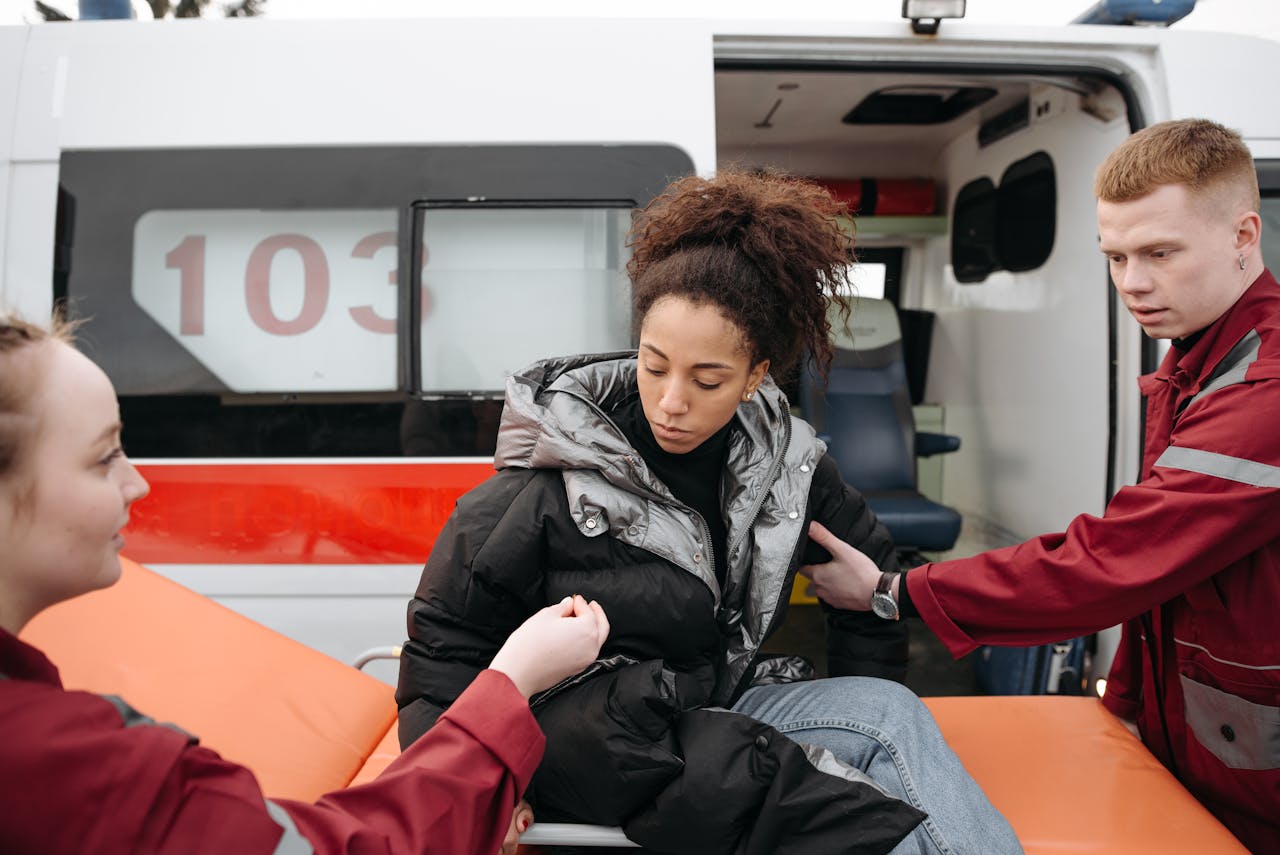
- Seek medical care immediately, even if you believe your injuries to be minimal. Certain symptoms, such as pain or dizziness, can manifest hours after the injury, and dismissing them could result in sustaining lifelong damage.
- Notify your property manager or landlord. File an incident report while it is still fresh.
- List all of the details you can recall regarding how you were injured. Include photographs, witness names, and any paperwork about the injury or your treatment.
- Save every medical record, bill, and receipt. These back up your case for damages, such as missed time from work or ongoing medical issues.
- Know the timelines. In many jurisdictions, you have to file a claim within one to three years. Certain destinations or public-owned land impose unique regulations and more stringent time limits.
- Be organized. Good records and clear communication assist your case if you have to file a claim.
Seek Medical Care
- Visit a doctor or nurse promptly, even for minor injuries.
- They can identify any hidden or delayed symptoms, like head injuries or sprains.
- Early care helps you avoid bigger health problems.
- Save all records, prescriptions, and test results for your own file.
Ignoring treatment for an apartment injury could lead to chronic pain, loss of function, or psychological distress. You can feel fine initially, but complications frequently present themselves down the road. If you procrastinate treatment, your injuries could worsen and cause bigger complications, both physically and psychologically. Missing out on care damages your premises liability case. Insurance companies and courts view prompt, consistent treatment as evidence that your injury was legitimate and serious, impacting your potential claims significantly.
Report The Incident
Notify your property manager or landlord of the injury immediately. A report on file means that the incident is documented and cannot be overlooked down the line. The report aids in correcting safety hazards and provides you with documentation if you have to demonstrate what occurred.
Incident reports strengthen your claim. They indicate when and where you were injured. Request a copy of every report you submit or sign. Maintaining these records can assist in establishing your position if your case advances to court. Immediate action demonstrates that you treated the incident seriously. Delays will give the impression that your injury was insignificant or not caused by the property.
Document Everything
Note down every detail of the incident. Record the time, date, location, and what caused your injury. Photograph the location and anything that contributed, such as loose tiles or dim lighting. Have witnesses of the accident write down what they saw.
Save all of your bills, doctor’s notes, and evidence of missed work. Monitor your pain or difficulty moving. Even minor things contribute to your case. Proper records validate your loss now and in the future, including loss of work time and pay. A clean, comprehensive file provides you the greatest opportunity to demonstrate your position and receive equitable compensation.
Understanding Your Legal Rights
Navigating liability for injuries on apartment complex grounds starts with knowing your tenant rights. As a tenant or visitor, you have a right to safety and numerous mechanisms to safeguard yourself against unsafe apartment building conditions and seek damages if hurt. Knowing these rights is crucial for taking effective action in any premises liability claim.
- You deserve to reside in a hazard-free apartment complex.
- You can get paid if you are hurt because of unsafe conditions.
- It’s your right to do so.
- Know your rights: You can request repairs or upgrades to fix hazards.
- You should document unsafe conditions and report injuries promptly.
- You can seek legal assistance if your claim is refused or neglected.
- Here’s what you need to know about your rights.
Right To Safety
Your right to safety includes that you’re entitled to your apartment and its communal areas being free from dangerous conditions to you or your visitors. Your landlord has a legal responsibility under premises liability law to maintain the premises in a safe condition by repairing broken handrails, cleaning up spills, and ensuring adequate lighting in walkways. Ignoring these responsibilities could leave you vulnerable to severe injuries, such as sprains or torn ligaments from slip and fall accidents. If a property owner’s negligence causes an apartment injury, you may have grounds for a personal injury lawsuit.
When unsafe apartment building conditions are present, your rights can be in jeopardy. Being aware of your legal options empowers you to advocate for change and prevent further harm. Demand timely repairs and request your property manager for regular inspections. This proactive approach helps ensure tenant safety in your community.
Right To Complain
You have a right to raise any unsafe condition you observe. Your first step is to report hazards like loose floor tiles or exposed wiring to your property manager. Here’s the easy part: take your complaint in writing, with details, dates, and photos if you have them.
Make sure you keep copies of all complaints and correspondence. This documentation could be vital if your issues go unresolved and you need to take legal action down the line. Documenting your efforts demonstrates that you notified the landlord, which is crucial evidence in a liability claim.
A well-documented complaint usually results in fixes or enhancements. Management can react quicker when you provide obvious evidence of the issue and your notice. This makes it safer for us all on the complex.
Right To Compensation
If you’re injured on your apartment property by someone’s negligence, you’re entitled to compensation. This could cover medical expenses, lost wages, and physical and emotional distress. To succeed, you have to show a hazardous condition and that the landlord knew or should have known but did nothing.
Knowing your claims process is crucial. Collect evidence on-site. Snap photos, talk to witnesses, and preserve medical records. If you’ve been injured by a landlord’s dog, strict liability could be applicable even if the animal had no history of aggression.
Legal assistance can boost your chances of fair reparation. A lawyer can negotiate and assist you in carrying the burden of proof. Understanding your rights shields you from injustice and guarantees you can walk away with what you merit.
The Role Of Building Codes
Building codes determine how apartment buildings are constructed, maintained, and repaired when they wear down or break. They’re not merely regulations; they’re the foundation of secure dwellings and tenant safety. These codes inform you what’s safe and what’s not, assisting in establishing the minimum standards that property owners must meet to prevent tenant injuries. If you’re residing in or overseeing an apartment complex, understanding how these safety measures function and their monitoring through inspections is crucial, as violations can lead to significant liability.
| Safety Standard | Description | Example Application |
| Structural Integrity | Ensures foundations, walls, and roofs are stable | No cracks in exterior walls |
| Fire Safety | Requires fire alarms, extinguishers, and exits | Smoke detectors in all units |
| Electrical Safety | Mandates safe wiring and protected circuits | No exposed wires in hallways |
| Stairway Construction | Sets rules for width, railing, and tread height | Handrails on all staircases |
| Accessibility | Demands access for people with disabilities | Ramps and wide doors |
| Lighting & Visibility | Requires adequate lighting in shared spaces | Well-lit entry and exit points |
Setting Standards
Building codes establish explicit, quantitative standards for how each aspect of an apartment building should be constructed and maintained, ensuring tenant safety. These regulations address issues such as the strength of stairs, the minimum height for a guardrail, and the illumination levels in communal areas. Every one of these codes is designed to prevent accidents, as unsafe apartment building conditions can lead to tenant injuries. For instance, if a stairway is too steep or lacks a handrail, someone could fall and suffer an apartment injury. Your local housing codes might add a few more on top of the national ones, depending on where you live. That might involve, for example, a city in a rainy region adding stringent roof and balcony waterproofing regulations. By adhering to these codes, apartment owners reduce the likelihood of incidents such as trips and falls or fires. If you want to keep tenants safe, you need to stay up with changes to these codes, as they are revised to address new risks and ensure compliance with premises liability law.
Proving Violations
If someone is injured on apartment grounds, demonstrating that the property violated a building code can provide powerful evidence in a premises liability claim. Courts commonly rely on evidence of a code violation to show that a negligent landlord or property owner failed to take sufficient measures to keep people safe. This is where inspections come into play. Building inspectors verify that everything is up to code, both when the apartment building is constructed and during routine inspections. Their reports can be referenced if there is a safety dispute. If you notice something such as broken stairs, inadequate lighting, or exposed wiring, make a note of it and take photos. This record can be important if you or someone else gets injured and has to prove the property was dangerous. When you have evidence that the landlord disregarded these problems, a tenant’s position becomes even more powerful. The more you can demonstrate that the landlord was aware of the hazardous condition but ignored it, the simpler it becomes to prove culpability in court.
Conclusion
You should know what to do after an injury in your apartment. Fast action keeps your claim strong. Landlords have a duty to maintain common areas safely. If they skimp or fudge fixes, you can sue them to the legal hilt. Building codes are the minimum standard. Most injury cases depend on obvious facts like broken stairs, bad lights, or old doors. Your pictures and reporting go far. Landlords push back, but the right evidence assists your cause. To find out, contact an attorney who handles these cases. You get a fair shot. For additional tips, visit our blog or submit a question. Your health and well-being are important.
Frequently Asked Questions
1. Who Is Responsible If You Get Injured On Apartment Complex Grounds?
If your injury was the result of unsafe apartment building conditions due to your landlord’s negligence, they may be held liable. Landlords must ensure safe premises in common areas; otherwise, they could have a premises liability claim.
2. What Is Considered Landlord Negligence In Apartment Accidents?
To me, landlord negligence involves failing to address unsafe apartment building conditions they were aware of or should have been aware of, such as broken stairs, poor lighting, or wet floors in communal areas.
3. How Can You Prove A Landlord Was Negligent?
To pursue a premises liability claim, you must demonstrate that the landlord was aware of the unsafe apartment building conditions, had the opportunity to address them, but failed to do so.
4. What Should You Do Right After An Injury At An Apartment Complex?
Seek medical attention immediately for any apartment injury. Then, record the accident scene, photograph it, and inform your landlord or property manager of the unsafe apartment building conditions right away.
5. Can Building Codes Affect Your Injury Claim?
Yes, if the landlord broke building codes, it can help prove negligence under premises liability law. Building codes impose safety standards, and breaking them may demonstrate that the landlord breached its duty, exposing it to potential claims.
6. What Defenses Might A Landlord Use Against Your Injury Claim?
Your landlord might claim ignorance of the unsafe apartment building conditions or suggest that your own negligence led to the apartment injury. They could argue that the hazardous condition was obvious.
7. What Legal Rights Do You Have After An Apartment Injury?
If landlord negligence led to unsafe apartment building conditions causing you harm, you’re entitled to compensation for medical bills, lost wages, and pain and suffering.
Hurt By A Dangerous Condition On Someone’s Property? Get The Help You Need Today
At Phoenix Injury Attorneys, our team understands how disruptive a premises accident can be. Whether your injury came from broken stairs, poor lighting, slippery walkways, falling objects, or unsafe apartment complex conditions, these hazards can lead to serious pain, missed work, and long-term complications that shouldn’t be ignored.
Led by Khalil Chuck Saigh, our Arizona-based legal team examines the hazard that caused your injury, investigates whether the property owner failed to fix known dangers, and works with experts to show exactly how the unsafe condition put you at risk. We pursue compensation for medical care, ongoing treatment, lost income, pain and suffering, and the full impact the hazard has had on your daily life.
If someone should have kept the property safe and didn’t, you have every right to speak up. Contact us today for a free, confidential case review. Let us hold negligent property owners and insurance companies accountable while protecting your health, your rights, and your future.