


Key Takeaways
- Hidden injuries are common after car accidents, truck accidents, motorcycle crashes, slip and falls, and other traumatic incidents.
- Many serious injuries do not produce symptoms immediately and may take days or weeks to become apparent.
- Medical documentation is one of the most important forms of evidence when proving a hidden injury claim.
- Diagnostic testing, physician evaluations, treatment records, and symptom journals can help establish the existence and severity of an injury.
- Insurance companies often challenge hidden injury claims because symptoms may not be visible or immediately apparent.
- Prompt medical attention can help protect both your health and your legal rights.
- Thorough documentation and consistent treatment can significantly strengthen a personal injury claim involving delayed symptoms.
Many accident victims mistakenly assume that if they can walk away from a crash or fall without visible injuries, they are completely unharmed. Unfortunately, this is not always the case. The human body can react to trauma in delayed and unpredictable ways, and serious medical conditions often remain hidden during the initial hours or even days after an accident. These “hidden injuries” can gradually worsen and significantly impact a victim’s health, lifestyle, and financial stability. Understanding how to recognize, document, and prove these injuries is essential for protecting both medical well-being and legal rights.
What Are Hidden Injuries?

Hidden injuries are medical conditions that do not present immediate or visible symptoms following an accident. These injuries often develop silently inside the body and may only become noticeable once inflammation increases, tissue damage worsens, or neurological symptoms progress over time. Unlike cuts or broken bones, hidden injuries may not show external signs, making them more difficult to detect without medical evaluation. Because of this, many victims underestimate their condition in the early stages, only to experience worsening pain or complications later.
Common characteristics of hidden injuries include:
- Delayed onset of symptoms
- Gradual worsening over time
- Difficulty detecting through basic examination
- Requirement of advanced diagnostic imaging
- Internal or soft tissue damage is not visible externally
These injuries often affect the muscles, ligaments, nerves, brain, or spinal structures, making them harder to identify without proper medical evaluation.
Common Examples of Hidden Injuries
Hidden injuries can vary widely depending on the type and severity of the accident, but many involve internal trauma that is not immediately obvious. In vehicle collisions, slip-and-fall incidents, and workplace accidents, victims often experience injuries that develop gradually as inflammation and internal damage progress.
- Whiplash and cervical strain injuries
- Herniated or bulging discs
- Traumatic brain injuries (TBI), including concussions
- Soft tissue injuries such as sprains and tears
- Nerve damage or neuropathy
- Internal bleeding or organ trauma
- Post-traumatic headaches and migraines
- Psychological trauma, such as PTSD
Because these injuries are not always visible, they are often misunderstood or underestimated in the early stages of an accident claim.
Why Hidden Injuries Often Go Unnoticed

Hidden injuries frequently go unnoticed immediately after an accident because the body’s natural response to trauma can temporarily mask symptoms. In high-stress situations, the nervous system releases chemicals that can dull pain perception and create a false sense of normalcy. As a result, victims may believe they are fine until the body begins to recover from the shock and delayed symptoms start to appear.
1. Adrenaline Masks Pain
After an accident, the body releases adrenaline as part of its “fight or flight” response. This surge of hormones can temporarily block pain signals, allowing individuals to move and function even when significant injuries are present beneath the surface.
2. Delayed Inflammation
Inflammation is a natural response to tissue damage, but it often builds gradually. As swelling increases in muscles, joints, or soft tissues, pain and stiffness become more noticeable, sometimes days after the incident.
3. Gradual Tissue Damage
Some injuries, especially those involving ligaments, muscles, or nerves, worsen slowly over time. Without immediate treatment or rest, the damage can progress and become more severe.
4. Brain Injury Complexity
Mild traumatic brain injuries are particularly difficult to detect right away. Symptoms like confusion, headaches, and dizziness may appear subtle at first but can escalate into serious cognitive issues over time.
Why Hidden Injuries Are Difficult to Prove
Proving hidden injuries in insurance claims can be especially challenging because the evidence is not always immediately visible or medically obvious. Insurance companies often rely heavily on documentation, timelines, and objective testing, which may not fully capture the early stages of certain injuries. This creates a gap between a victim’s real experience and what can be easily proven on paper.
Delayed Symptoms Raise Questions
When symptoms do not appear immediately, insurance adjusters may question whether the injury is truly related to the accident. They may suggest that another incident caused the condition or that the injury is exaggerated.
Some Injuries Do Not Show on Standard Tests
Many soft tissue and neurological injuries do not appear on basic diagnostic tools such as X-rays. This can lead insurers to wrongly assume that no injury exists, even when pain and limitations are very real.
Subjective Symptoms Are Hard to Measure
Symptoms such as pain, fatigue, and dizziness rely heavily on patient reporting. Since these cannot always be measured objectively, insurers may attempt to minimize their seriousness or validity.
The Importance of Immediate Medical Attention
Seeking medical attention immediately after an accident is one of the most important steps in protecting both health and legal rights. Even when symptoms appear mild or nonexistent, a medical evaluation can uncover underlying issues that have not yet fully developed. Early medical visits also create an official record that connects the accident to any future symptoms, strengthening the foundation of a potential claim.
Medical records can help establish:
- The date of the accident
- Initial symptoms
- Physician observations
- Recommended treatment
Early documentation helps create a timeline that links the injury to the accident.
Medical Records as the Foundation of a Hidden Injury Claim
Medical records serve as the backbone of any personal injury claim involving hidden injuries. These documents provide objective, professional evidence that supports a victim’s experience and helps establish the seriousness of the condition. Without consistent medical documentation, it becomes significantly more difficult to prove causation and long-term impact.
Key Medical Records Include:
Emergency Room Reports
Emergency records document the first medical evaluation and provide critical baseline information.
Physician Notes
Doctors record symptoms, examination findings, and treatment recommendations that help track progression.
Specialist Evaluations
Specialists provide deeper insight into complex conditions such as spinal injuries or brain trauma.
Physical Therapy Records
Therapy records demonstrate ongoing limitations and recovery challenges over time.
Prescription Records
Medication history helps confirm the severity and persistence of symptoms.
Diagnostic Testing That Can Help Prove Hidden Injuries
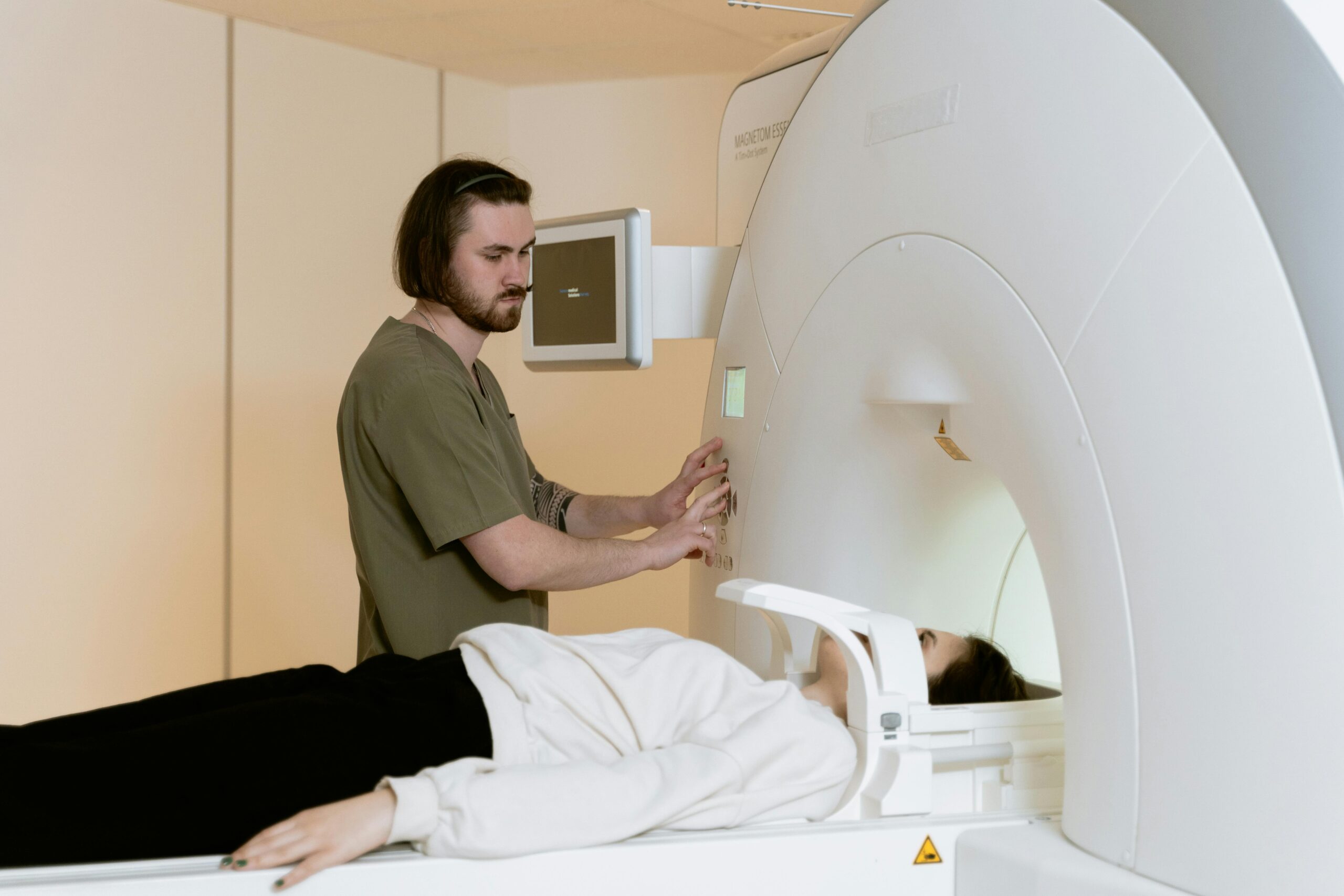
Advanced diagnostic testing plays a critical role in identifying and proving injuries that may not be immediately visible during a standard physical examination. Many accident-related conditions—such as soft tissue damage, mild traumatic brain injuries, or nerve dysfunction—can remain undetected without specialized imaging or neurological evaluation. These diagnostic tools provide objective, medically verified evidence that supports a patient’s symptoms and strengthens the connection between the injury and the accident event. In personal injury cases, such documentation is often essential in establishing both the existence and severity of hidden injuries.
MRI Scans
Magnetic Resonance Imaging (MRI) is one of the most powerful diagnostic tools for detecting internal injuries, particularly those involving soft tissues. Unlike X-rays, which primarily show bones, MRI scans can reveal damage to muscles, ligaments, tendons, and spinal discs. This makes them especially useful for identifying herniated discs, ligament tears, and spinal cord compression—conditions that may not be immediately apparent after an accident. MRI technology uses strong magnetic fields and radio waves to create detailed images of internal structures, allowing physicians to pinpoint abnormalities with a high degree of accuracy. Because of this precision, MRI results are often considered strong supporting evidence in medical and legal evaluations of hidden injuries.
CT Scans
Computed Tomography (CT) scans provide highly detailed cross-sectional images of the body and are frequently used in emergency and trauma care. They are particularly effective in detecting internal bleeding, skull fractures, and brain injuries. CT scans are often ordered when a patient shows symptoms such as dizziness, confusion, or persistent headaches following an accident. In cases involving suspected head trauma, CT imaging can quickly identify life-threatening conditions that may not be visible externally. This makes CT scans an essential tool for early diagnosis and treatment planning.
Neurological Testing
Neurological evaluations are used to assess brain function, memory, attention, balance, and coordination. These tests are especially important in diagnosing concussions or mild traumatic brain injuries (TBIs), which may not show up on standard imaging scans. Through cognitive assessments and physical response tests, doctors can detect subtle impairments that affect daily functioning. These results help validate patient complaints of confusion, memory loss, or difficulty concentrating after an accident.
EMG Testing
Electromyography (EMG) testing measures the electrical activity of muscles and nerves. It is commonly used to identify nerve damage that may cause symptoms such as numbness, tingling, pain, or muscle weakness. EMG studies can help determine whether nerve signals are being disrupted due to injury, such as in cases of pinched nerves or radiculopathy. This type of testing provides clear, objective data that can confirm conditions that might otherwise be difficult to diagnose through physical examination alone.
How Witnesses Can Help Support a Hidden Injury Claim
Witness testimony provides valuable external validation of how an injury has affected a victim’s daily life. While medical records document clinical findings, witnesses offer real-world observations of behavioral and physical changes that may not appear in medical charts. This combination of evidence helps strengthen the credibility of a claim.
Potential witnesses include:
- Family members
- Friends
- Coworkers
- Supervisors
They may observe:
- Reduced mobility
- Behavioral changes
- Cognitive difficulties
- Emotional symptoms
Why Consistent Treatment Strengthens Your Claim
Ongoing and consistent medical treatment demonstrates that an injury is serious, persistent, and requires professional care. Insurance companies often examine treatment patterns closely to determine whether symptoms are genuine. When victims attend appointments regularly and follow medical advice, it creates a strong and credible record of injury progression and recovery efforts.
Common Insurance Company Arguments Against Hidden Injury Claims

Insurance companies often rely on well-established tactics to dispute hidden injury claims and minimize compensation. These strategies are designed to introduce doubt about the severity of the injury, its timing, and whether it was truly caused by the accident. Understanding these common arguments can help claimants better prepare evidence and respond effectively.
“The Injury Wasn’t Reported Immediately”
One of the most frequently used arguments is that the injury was not reported right after the accident. Insurers often claim that if the injury were serious, the victim would have noticed and documented it immediately. They use this gap in reporting to suggest that the injury may not be related to the incident. However, many hidden injuries—such as soft tissue damage or mild traumatic brain injuries—can take hours, days, or even weeks before symptoms fully develop.
“The Symptoms Are Related to a Pre-Existing Condition”
Insurance companies may also argue that the reported symptoms are not new, but instead stem from a prior medical condition. By pointing to past medical records, they attempt to shift responsibility away from the accident. This tactic is especially common in cases involving back pain, joint injuries, or degenerative conditions. Strong medical documentation and physician opinions are often needed to differentiate between old conditions and new trauma.
“The Diagnostic Tests Are Normal”
Another common defense is the claim that normal X-rays, CT scans, or MRIs prove there is no real injury. This argument is misleading because many soft tissue injuries, nerve-related conditions, and concussions do not always appear on standard imaging tests. A normal scan does not necessarily mean the patient is not experiencing real pain or functional limitations.
“The Victim Waited Too Long to Seek Treatment”
Insurers may also argue that a delay in seeking medical care indicates the injury is minor or unrelated to the accident. They often suggest that a serious injury would require immediate attention. In reality, many victims initially ignore or underestimate symptoms, especially when adrenaline masks pain immediately after an accident.
How Expert Testimony Can Help Prove Hidden Injuries
Medical experts provide critical insight into complex injury cases by explaining how injuries occur and why symptoms may be delayed or difficult to detect. Their testimony bridges the gap between medical science and legal interpretation, helping clarify issues that insurers often dispute.
Experts may explain:
- Injury mechanics
- Delayed symptom onset
- Treatment requirements
- Long-term prognosis
The Role of Photographs and Accident Evidence
Even though hidden injuries cannot be photographed directly, visual and physical evidence from the accident scene can help establish the force and severity of impact. This evidence supports medical findings by showing that the accident was significant enough to cause internal harm.
How Attorneys Help Prove Hidden Injury Claims

Legal professionals play a key role in building strong hidden injury claims by gathering evidence, coordinating expert evaluations, and negotiating with insurance companies. Their experience helps ensure that all medical documentation, witness statements, and diagnostic evidence are properly presented and supported.
Long-Term Consequences of Undocumented Hidden Injuries
Failing to properly document hidden injuries can have lasting consequences that affect both health and financial recovery. Without strong evidence, victims may struggle to receive fair compensation or access necessary long-term care.
Conclusion
Hidden injuries require careful attention, medical documentation, and consistent follow-up care to ensure they are properly diagnosed and treated. Because symptoms may not appear immediately and diagnostic tests may not always show clear results, these injuries are frequently challenged in insurance claims. However, with the right evidence and support, victims can successfully establish the connection between the accident and their condition.
Frequently Asked Questions (FAQ)
1. What is considered a hidden injury?
A hidden injury is a medical condition that does not show immediate visible signs or obvious symptoms after an accident. These injuries may develop gradually, such as soft tissue damage, concussions, or internal trauma.
2. Can I still file a claim if symptoms appear later?
Yes. Many injuries have delayed onset, and you can still pursue a claim as long as the condition is properly diagnosed and linked to the accident through medical documentation.
3. What evidence is most important for proving a hidden injury?
Strong evidence includes medical records, diagnostic imaging, treatment notes, hospital reports, and professional medical opinions that establish both the injury and its cause.
4. Can a normal X-ray hurt my claim?
No. A normal X-ray does not automatically weaken your case, since many soft tissue or nerve injuries do not appear on standard imaging tests.
5. How does an MRI help prove injuries?
MRI scans provide detailed images of soft tissues, ligaments, discs, and nerves, making them highly effective for identifying injuries that X-rays may miss.
6. Why do insurance companies dispute hidden injuries?
Insurers often challenge these claims due to delayed symptoms, lack of immediate treatment, or limited visible evidence, arguing the injury may be unrelated to the accident.
7. Should I keep a symptom journal?
Yes. A daily symptom journal helps track pain levels, physical limitations, and changes over time, strengthening the consistency of your medical narrative.
8. What if I waited to seek medical treatment?
You should still seek medical care as soon as possible. Delays may complicate your claim, but documentation can still help establish a connection to the accident.
9. Can expert witnesses help prove hidden injuries?
Yes. Medical experts can interpret scans, explain complex findings, and provide professional opinions linking injuries to the accident.
10. Can hidden injuries increase settlement value?
Yes. When properly proven, hidden injuries may significantly increase compensation, especially if they require ongoing treatment or affect long-term quality of life.