


Key Takeaways
- You may need to step up as a caregiver, financial advisor, or emotional support. You should support each family member in communicating their emotions and requirements.
- Kids and siblings may require additional direction and comfort to settle into their new positions and keep hold of normalcy.
- Bringing these silent emotional sacks into the light and finding professional assistance breaks their power and helps your family manage stress and avoid isolation.
- Being aware of the financial and legal considerations of a serious injury enables you to anticipate and reach out for the right resources or professional support.
- Creating a routine for healing and conquering milestones as a unit will fortify your family’s spirit and encourage lifelong recovery.
As we know, family roles can shift quite obviously following a traumatic injury. You might find your oldest becoming an advocate, your daughter running the household, or your son handling medical responsibilities. Occasionally, the injured individual assumes less responsibility or requires assistance with decision-making. These transitions can transform the way the entire household communicates, expresses emotions, and manages stress. Kids can assume new roles, while adults experience new stresses. Noticing the home’s routine shift to more care and healing is important. These shifts can be temporary, or they can become the new norm. Having a sense of what lies ahead can assist you in navigating these shifts together. The following section displays coping with these new roles.
Facing the Immediate Aftermath
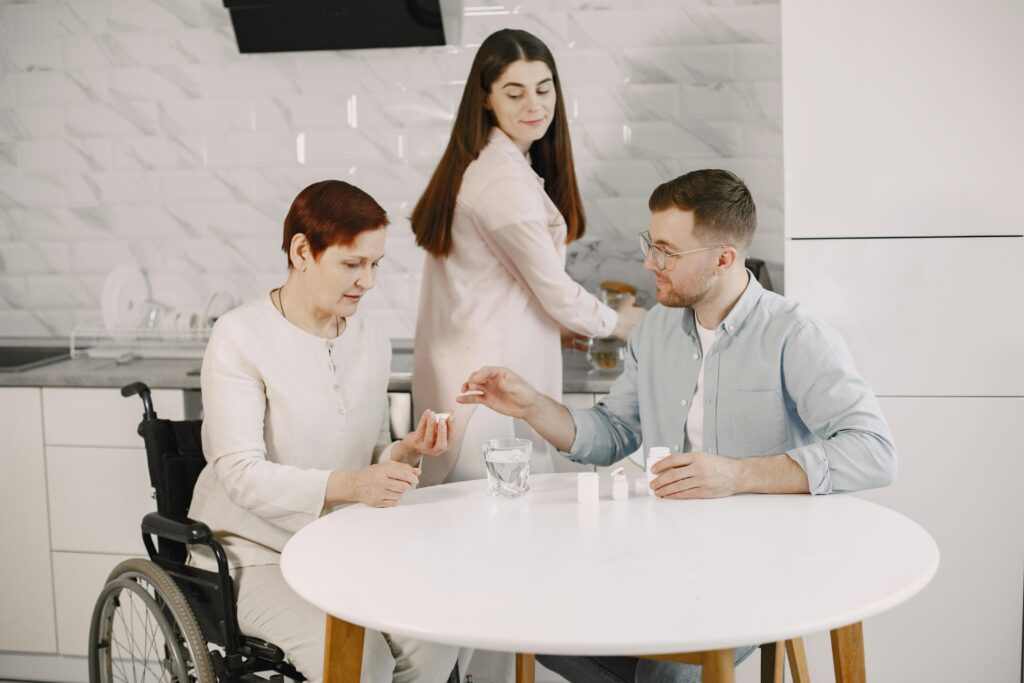
A severe injury, particularly in personal injury cases, rattles every aspect of family life. The initial days and weeks can provide an emotional rush, filled with terror, trauma, and even remorse. Most families don’t know if their loved one is going to survive or how much they’ll recover from their personal injuries. This undefined feeling can persist, leading to stress, anxiety, and even depression as everyone tries to manage the situation.
Second, you have to consider what your loved one requires immediately after sustaining catastrophic injuries. The injured individual might need assistance with basic activities such as feeding, washing, or toileting. You might have to baby-proof the house by rearranging furniture or installing handrails. A family member may have to quit working or reduce work hours to provide care, leading to a financial strain as less money comes in to cover mounting medical expenses. These financial issues can persist for years, and it is completely normal to feel overwhelmed at this point.
Open communication is key. Even if you and your family struggle to find the right words, keeping worries inside only makes things harder. Honest, heartfelt conversations help everyone feel seen and less alone. Encourage each person to share their fears or needs—it builds trust and teamwork. And if talking feels impossible, writing down thoughts or reaching out to a counselor can help break the silence and bring clarity.
In the first days after a serious injury, having a clear plan can help your family manage stress and responsibilities. Create a daily checklist to divide caregiving duties, ensuring each person knows what to do and when. This helps everyone feel supported and reduces confusion during an overwhelming time. Along with practical support, consider reaching out to counselors, social workers, or support groups who can guide your family through emotional challenges and connect you with resources for recovery and financial assistance.
- Who’s going to help you with a bath, feed you, and transport you?
- Who can talk to doctors and remember care directions?
- Who will look after children or pets, if needed?
- Who is going to handle the bills and money, and what assistance may be required?
- What friends or neighbors can assist for a few hours?
Ultimately, the emotional aftermath of a traumatic injury can be overwhelming, but by communicating openly and having a structured plan, families can begin to cope with the challenges ahead. Seeking help from personal injury attorneys may provide additional support as you navigate recovery and the legal system.
How Family Roles Transform
A serious injury can significantly alter family dynamics, as roles shift and life may never be the same. Often, one family member becomes the primary caregiver, while others provide emotional support. You might find yourself managing finances, assisting with medical care, or taking on new chores. Such changes can lead to stress and even friction, but open communication and mutual respect help everyone adjust during these challenging times.
1. The Partner’s Shift
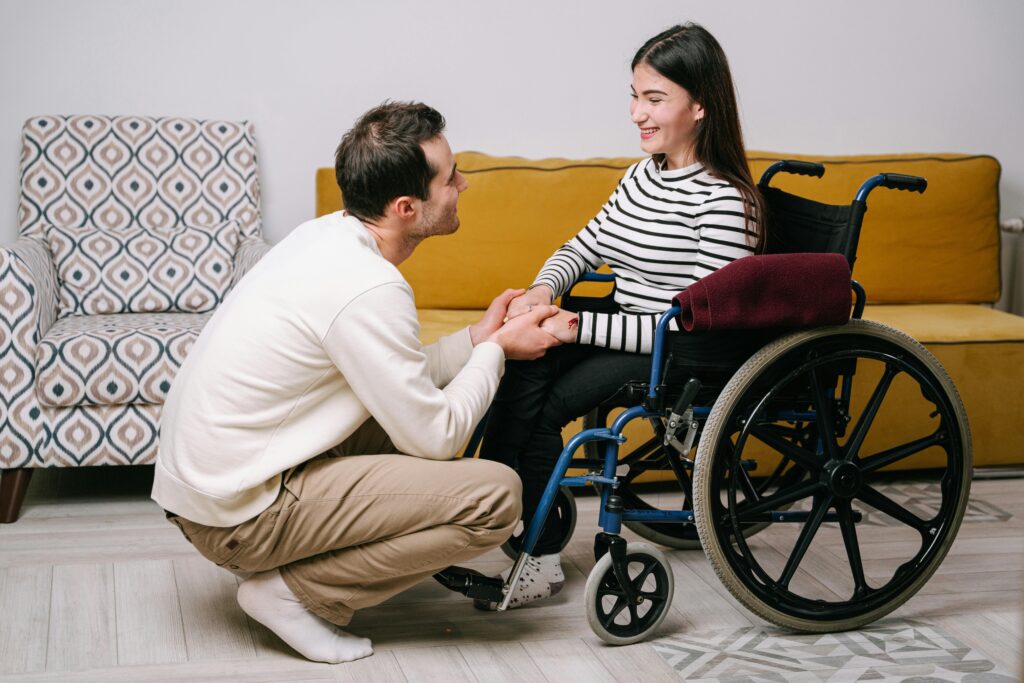
If your spouse is injured, you might be the primary caregiver. This role is both physically and emotionally taxing. You might be making medical decisions or assisting with personal care, from bathing to walking around the house. You frequently need to take on additional responsibilities such as meal preparation, tidying, and medication monitoring.
Making the decisions together is crucial, particularly concerning rehab or care plans. An additional duty can damage your relationship. Occasionally, stress or even anger creeps in when routines shift. Support groups or counseling can help you talk things out and maintain your bond.
2. The Child’s Burden
Now, kids are freaked out because mommy got hurt. They might experience shifts in schedules or even adopt new tasks, such as assisting younger children or preparing basic meals. Others might fret about funds if parents take a day off.
Describe it in terms your child can understand by age. Allow them to express themselves and hear them out without criticism. Keep a few daily routines consistent, such as school or activities. This keeps kids secure and life consistent through those hard moments.
3. The Sibling’s Role
Brothers and sisters can be a huge support. They might soothe one another or assist parents with minor tasks at home. Sometimes, they’re jealous or resentful because so much attention is given to the injured relative.
Allow siblings to discuss their emotions. Assign them specific duties so they feel engaged. Tell them basic information about the injury so they understand what is going on. When siblings come together, we are not alone.
4. The Parents’ Reversal
When a parent is injured, children become the caregivers. This can feel weird and stressful, particularly if they’re not accustomed to it. Children can feel sad, anxious, and even resentful.
Discuss what everyone is feeling. Let kids speak what they must. Therapy or external support may help kids navigate these new responsibilities and maintain their own mental health.
5. The Extended Family
An extended family can assist with caregiving roles or provide emotional comfort to victims of personal injuries. Others might help with meals or provide rides to the clinic for injured individuals. Make explicit plans so everyone knows what to do. Consistent check-ins maintain connections and ensure that no one is forgotten during the recovery process.
The Hidden Burdens of Caregiving
Post serious injury, your family roles switch up on you in ways you hadn’t anticipated, especially in personal injury cases. These transitions frequently carry the unspoken burdens that no one mentions. The emotional toll is real. Your family might feel left out or strained by picking up new responsibilities. If you’re now the primary caregiver, you can fall into a rut of day-to-day tasks, from school drop-offs to meals to homework and bed. Such rituals provide a scaffolding but can add tension—particularly if you reside in an environment where life is difficult, or finances are strained due to medical expenses from serious injuries.
Caregiving often carries a quiet tension, especially for families supporting an injured loved one. Long hours leave you exhausted, and anxiety builds as you try to balance your needs with theirs. In situations like traumatic brain injuries, families often follow strict routines to feel some control over the chaos. Even after the immediate danger passes, the imprint of stress remains. You may find yourself following schedules and rules to maintain peace. Letting go of some anxiety through faith, acceptance, or simply acknowledging what is beyond your control allows you to focus on what can be influenced.
You can brush past your own emotions while you busy yourself with the task at hand. Not discussing the emotional aftermath, frustration, or grief can actually exacerbate over time. There’s no shame in reaching out to a counselor or mental health expert. It’s a way to carve out room for each family member’s voice and needs. Professional support can help your family talk about what’s hard, so no one feels alone with their burdens, especially when navigating the complexities of personal injury claims.
Creating a safe environment for us all to discuss is crucial. Daily rituals, like eating meals together or a nightly check-in, can help everyone feel seen and heard. These habits serve not just to maintain order; they demonstrate to one another what is expected and that everyone counts. By expressing your burdens, your family can tread forward as one, even when the going gets hard, reinforcing the importance of support systems during recovery.
Managing Financial Strain
A bad family injury can introduce instant financial stress. Medical bills, ongoing care, and lost income can linger for years, sometimes decades. For most families, these expenses reach well beyond what simple savings or insurance can accommodate. When a loved one in your household is injured, you may catch yourself accounting for every expense—doctor bills, therapy, transportation, devices, and possibly even adapting your house for wheelchair accessibility. These bills accumulate quickly and are simple to quantify, but the toll on your lifestyle is more difficult to gauge. You might need to assist with everyday chores, abandon your career, or work fewer hours, all of which shake up family dynamics.
If you take on the role of primary caregiver, this can put your marriage or cohabitating relationships under pressure. You may experience depression or anxiety as you assume additional tasks and emotional burden. Occasionally, you’ll need to wade through nasty statutes, like wrongful death rules, if the injury proved to be fatal. These legal maneuvers can be difficult to track, especially when you’re already stressed.
Families frequently seek assistance to meet these expenses. Here are some common options:
- Health and disability insurance might cover some of the medical care, but not necessarily long-term aid or lost income.
- Government programs include social safety nets, disability, and public health support, depending on your location.
- Community groups and non-profits may provide grants, home assistance, or guidance.
- Legal claims, if someone else is to blame, you might be able to pursue damages. This is a drawn-out and fraught process.
- Loans or savings—going on family savings or taking loans is typical. This can inject even more stress in the long run.
Consult a financial expert to get the broader perspective. A financial advisor or counselor will help you realize what costs to expect, how to plan for years in advance, and what legal assistance you may require. It’s crucial to discuss money anxiety candidly within your family. These honest conversations assist all parties in sharing the burden and developing intelligent ways to weather the challenging period.

When to Seek Legal Help
A serious injury in your family can turn roles, routines, and even the future upside down. These transitions often introduce legal complexities, particularly in personal injury cases, whether it’s regarding care, support, or alteration of living arrangements. Personal injury law is complicated, and each family’s needs are different. Understanding when to contact a personal injury lawyer can assist in safeguarding your civil liberties and maintaining your family’s best interests at heart.
Sign You May Need Legal Help | What It Means for Your Family |
Major changes in care needs | A loved one now needs daily care, changing your schedules and responsibilities. |
Loss of income or support | Injury means lost wages, which affects how you manage bills and daily costs. |
Changes in custody or parenting | Injury affects your ability to care for children, so you may need to ask the court to change custody or parenting time. |
Disrupted routines and relationships | When normal life is upended, and family stress grows, legal advice can help you set things straight. |
Separate injury to loved ones | Spouses or children may have claims, such as loss of consortium, that need special handling. |
Beyond the immediate caregiving needs, families may face additional stressors such as coordinating medical care, managing finances, and supporting one another emotionally. Keeping organized records of appointments, medications, and daily care routines can help your household stay on track. Consider reaching out to community support networks, social workers, or financial counselors who can help you navigate challenges and access the resources your family needs.
If you want to modify court orders such as custody or support, it’s more than just a matter of requesting changes. Sometimes, a serious injury can temporarily change parenting or caregiving responsibilities. Families may need to adjust routines, schedules, or roles to ensure children’s needs are met. Open communication with your children, regular check-ins, and consistent routines help them feel secure even when circumstances are challenging. Seeking advice from counselors or family support services can guide managing these changes without adding unnecessary stress.
When you work with a personal injury lawyer, you gain someone who understands the law, the procedures, and what proof counts. Their assistance can mean the difference between a stumble and a just outcome for your loved ones.
Rebuilding Your Family’s Future
Following a traumatic injury, your family is confronted with new challenges that affect all aspects of life, particularly in personal injury cases. You might have to draw up a blueprint that extends well beyond the hospital room. Center on a complete recovery physical, emotional, and financial. A lot of families make a plan with a step-by-step guide. This plan should address things such as therapy, counseling, and how to manage daily expenses. If the primary breadwinner can no longer work due to serious injuries from a car accident, the loss of income can be tough. This financial strain may linger for years, perhaps even decades, if not addressed sooner. Forming a strategy involves considering not only your current requirements but those of your family down the line.
Establish definite, realistic objectives for all. These objectives need not be majestic or beyond reach. Begin with mini adventures, such as a daily stroll or easy home projects. When you arrive at a destination, any destination, just stop and take it in. That builds hope and keeps you going. It’s good if each member of your family backs the rest. For instance, if you’ve got kids, their school and teachers can aid in adapting assignments or provide time to recover. This can relieve some of the strain at home, especially during the emotional toll of recovery.
Seeking outside assistance is a wise step. They have support groups, in person and online, for just about any injury, including catastrophic injuries. These communities can provide guidance, tips, and solace. Community centers might have classes or events that bring your family together and make you stronger. Respite care is a further resource. This provides caregivers with a much-needed respite. There are day care centers, home care, and sitting services available, all of which are meant to give you a break for a limited period.
It’s not easy to find your way into new roles. You might get tired or discouraged; that’s natural. Maintaining rituals such as having dinner at the same time or adhering to bedtime makes everybody feel secure. It’s one step at a time to build resilience. Encourage one another when you see movement, and look hopefully toward what’s to come, as you navigate the complexities of personal injury claims and recovery.
Conclusion
A big injury disrupts family roles fast. Kids may do more around the house, partners take on new tasks, and friends fill in with meals or transportation. Money stress pops up fast as well. You find out who becomes who, you know who steps up or who needs breathing room. Each of us assumes a new role, some days more difficult than others. Honest chats do the most good. Bills, care, and even legal stuff feel lighter with useful information and actionable steps. Families who share work and conversation tend not to fall apart. You don’t have to deal with all of this on your own. For genuine assistance, call, inquire, and utilize information you rely on. Your story continues, and you define what follows. Be open and take the next step with your team.
Frequently Asked Questions
How do family roles typically change after a serious injury?
You might find yourself assigning family members new duties as the injured individuals may require additional assistance. Others typically assume caregiving roles to accommodate the new needs arising from personal injuries.
What emotional challenges can families face after a serious injury?
You may feel overwhelmed, depressed, or angry after a serious accident. Family members can feel swamped by their caregiving roles and anxious about the financial strain and emotional toll that lies ahead.
How can families handle financial pressure after a serious injury?
You need to plan out your finances and seek help, such as personal injury claims, government aid, or charitable organizations. Budgeting and professional advice can help manage the financial strain.
When is it important to seek legal help after a serious injury?
Definitely get legal representation if you believe the personal injury was due to someone else’s negligence. An attorney is instrumental in guiding you through compensation, personal injury claims, and preserving your family’s rights.
What are the unspoken burdens that family members may carry?
You or your family members may experience guilt, resentment, or isolation after a serious accident. These emotions are typical in personal injury cases but remain taboo. Recognizing them and addressing them with support systems can increase family well-being.
How can families rebuild their lives after a serious injury?
To establish new goals as a team and shift routines, it’s essential to work with strengths and celebrate small victories. Utilizing resources and support systems can aid recovery and adjustment for victims of personal injuries.
What resources are available for families coping with serious injury?
There are support groups, counseling, and rehabilitation centers that provide vital information, financial assistance, and emotional support to families affected by personal injuries.