

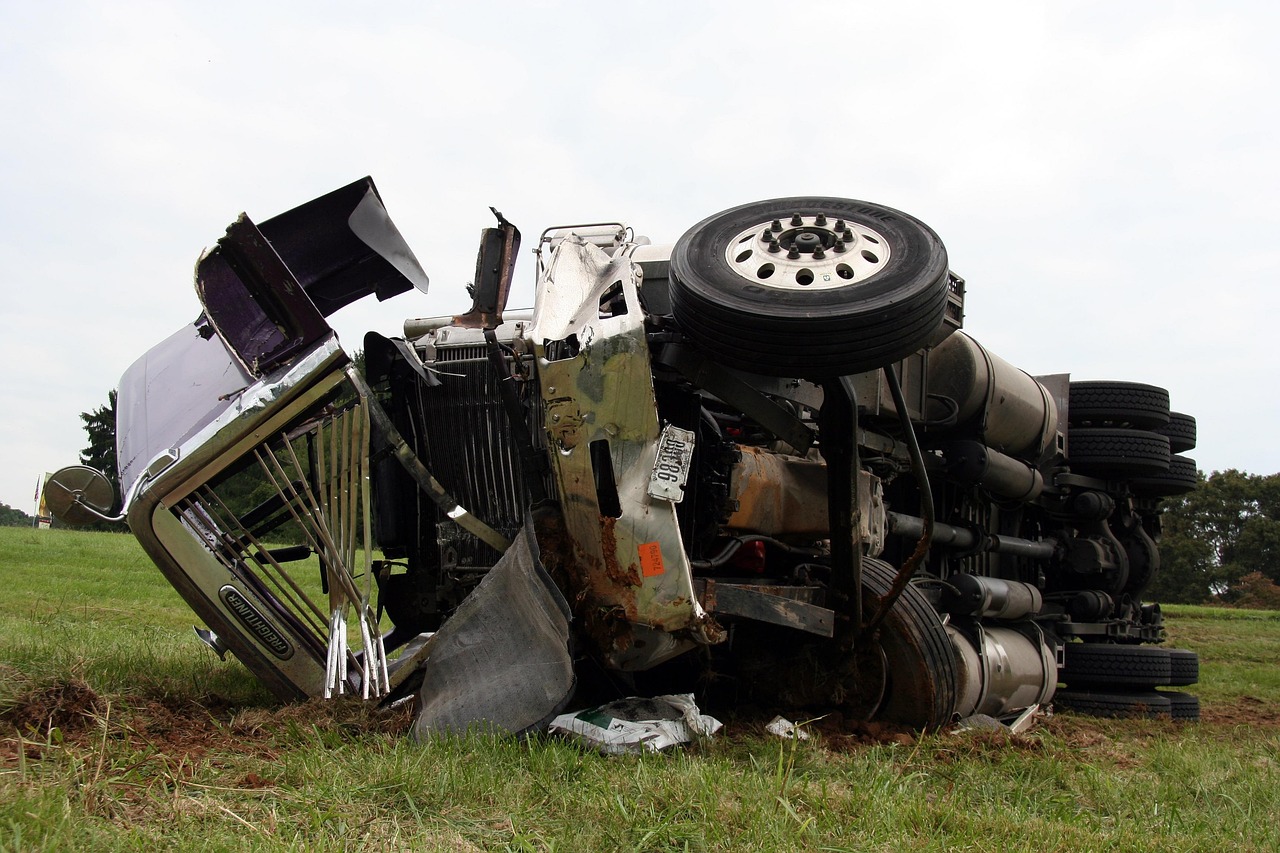
A catastrophic truck accident can change nearly every part of a person’s life. A collision involving a semi-truck, tractor-trailer, delivery truck, or another commercial vehicle can result in devastating injuries that require emergency treatment, surgery, rehabilitation, long-term medical care, and sometimes permanent assistance with everyday activities. For victims and their families, the financial consequences can be just as overwhelming as the physical and emotional impact.
When an injury is catastrophic, determining the value of a truck accident claim involves much more than adding up current medical bills. The full impact of a serious injury may extend for years or even decades. A victim may be unable to return to the same job, lose future earning capacity, require ongoing treatment, need modifications to their home or vehicle, or experience permanent changes to their quality of life.
This makes catastrophic truck accident cases particularly complex. Insurance companies may focus on immediate expenses while overlooking future medical needs, long-term disability, lost earning potential, and the broader consequences of a life-changing injury. A thorough investigation is often necessary to understand the full value of a claim.
A Truck Accident Lawyer can help injured victims identify the losses associated with a catastrophic injury, gather supporting evidence, determine potentially responsible parties, and pursue compensation based on the circumstances of the accident. At Phoenix Injury Attorneys, the legal team handles vehicle accident claims and emphasizes investigating the facts, gathering evidence, and advocating for injured clients.
Key Takeaways
- Catastrophic truck accident injuries can involve substantial current and future financial losses.
- The value of a claim may include medical expenses, lost income, reduced earning capacity, property damage, and compensation for pain and suffering when supported by the applicable law and evidence.
- Future medical treatment can be an important part of evaluating a catastrophic injury claim.
- A victim’s ability to work before and after the accident can affect the value of lost-income and earning-capacity damages.
- The severity and permanence of an injury can significantly affect the overall value of a claim.
- Liability may involve a truck driver, trucking company, vehicle owner, maintenance provider, manufacturer, or another responsible party depending on the evidence.
- A Truck Accident Attorney can work with medical professionals, financial experts, accident reconstruction professionals, and other specialists when necessary to establish the full extent of a victim’s losses.
What Makes a Truck Accident Injury Catastrophic?
Not every serious injury is legally or medically classified as catastrophic, but catastrophic injuries generally involve consequences that substantially affect a person’s long-term health, independence, ability to work, or quality of life.
Truck collisions can create especially severe injuries because commercial trucks are significantly larger and heavier than ordinary passenger vehicles. A person inside a smaller vehicle may have little protection when struck by a fully loaded tractor-trailer. The resulting injuries can require extensive treatment and may permanently affect a victim’s ability to work or live independently.
Examples can include traumatic brain injuries, spinal cord injuries, paralysis, severe fractures, amputations, major internal injuries, and other conditions that result in permanent impairment. Some victims may require repeated surgeries, physical therapy, occupational therapy, psychological treatment, prescription medications, assistive equipment, or long-term personal care.
The long-term nature of catastrophic injuries is what makes valuation particularly difficult. The question is not simply how much treatment has already cost. It may also be necessary to determine what treatment will be needed in the future, how the injury will affect employment, and how the victim’s life will change over time.
How Is a Catastrophic Truck Accident Claim Valued?
There is no universal dollar amount assigned to a catastrophic injury claim. Every case is different, and the value depends on the facts, severity of the injuries, available evidence, applicable law, insurance coverage, liability, and the losses the victim can establish.
A Commercial Truck Accident Lawyer may begin by examining the victim’s economic losses. These are losses that can generally be documented through bills, employment records, financial information, and other evidence.
Medical expenses are often one of the largest components of a catastrophic injury claim. Emergency transportation, emergency-room treatment, hospitalization, surgery, diagnostic testing, medications, rehabilitation, physical therapy, specialist care, and other treatment may all become relevant.
However, calculating medical expenses based only on bills that have already been received can substantially underestimate the impact of a permanent injury. If the victim is expected to require years of additional treatment, those future medical needs may also need to be evaluated.
The claim may also involve lost income and future earning capacity. Someone who was earning a substantial income before a truck accident may be unable to return to the same occupation afterward. In some cases, the victim may be unable to work at all. In others, the person may be capable of working but unable to perform the same duties or earn the same income.
Non-economic consequences can also be significant. Catastrophic injuries can cause chronic pain, emotional distress, loss of independence, reduced enjoyment of life, and permanent changes in family and personal relationships. The availability and calculation of damages depend on the specific circumstances and applicable Arizona law.
Why Future Medical Expenses Matter in Catastrophic Injury Cases
One of the biggest mistakes in evaluating a catastrophic injury claim is looking only at what has already happened.
A catastrophic injury may require medical care for years after the initial accident. A person with a spinal cord injury, for example, may require continuing treatment, rehabilitation, medication, assistive equipment, and other forms of care. A traumatic brain injury may require ongoing neurological, cognitive, psychological, or rehabilitative services.
The exact needs depend on the injury.
Medical professionals may be able to provide opinions about the victim’s expected future treatment. Those opinions can help establish why future medical expenses should be considered when evaluating the claim.
Future medical costs can also involve more than doctor visits. Depending on the injury, a victim may require medical equipment, mobility devices, home health assistance, transportation for medical appointments, home modifications, or other services.
For a catastrophic injury, these future needs can represent a substantial portion of the overall financial impact. A truck accident attorney may therefore need to work with medical professionals and other qualified specialists to understand what the victim’s long-term care is likely to involve.
How Lost Income Affects the Value of a Truck Accident Claim
A catastrophic injury can prevent someone from returning to work immediately. In more serious cases, the victim may never be able to return to their previous occupation.
Lost wages from the period immediately following the accident can be relatively straightforward to document. Pay records, employer statements, tax documents, and other employment information can help establish what the victim would have earned during the period they were unable to work.
Future earning capacity can be more complicated.
Suppose a truck accident permanently prevents a skilled professional, tradesperson, driver, business owner, or other worker from continuing in the same occupation. The financial impact may extend well beyond the person’s current paycheck.
An evaluation may consider the victim’s age, education, occupation, skills, earning history, career trajectory, limitations caused by the injury, and expected ability to work in the future.
In some cases, a person may be able to return to work but only in a lower-paying position. The difference between their pre-accident earning potential and post-accident earning potential may become relevant to the claim.
The objective is to understand the economic effect of the injury rather than simply documenting the wages missed during the first few weeks or months after the collision.
How Pain and Suffering Can Affect Catastrophic Injury Claims
Catastrophic injuries are not limited to financial losses.
A victim may experience severe physical pain, emotional distress, anxiety, depression, loss of independence, difficulty participating in hobbies, and major disruptions to family life. Someone who previously lived independently may suddenly require assistance from relatives or professional caregivers.
These effects can be difficult to put into financial terms because there is no simple invoice showing the value of losing mobility, independence, or the ability to participate in activities that once mattered.
The severity, permanence, and impact of the injury can all be relevant when evaluating non-economic damages. Documentation from medical professionals, treatment records, testimony from family members, and other evidence may help demonstrate how the injury has changed the victim’s life.
For this reason, catastrophic injury claims should not be evaluated solely by looking at hospital bills.
Why the Severity and Permanence of the Injury Matter
The long-term consequences of an injury are central to understanding its value.
A broken bone that heals completely may have a very different impact from a spinal cord injury that causes permanent paralysis. Similarly, a concussion that resolves quickly may have a very different long-term effect from a traumatic brain injury that causes permanent cognitive impairment.
The more permanent the injury, the more important it may become to evaluate future medical treatment, future employment limitations, ongoing care, and long-term changes to quality of life.
Medical evidence can help establish the nature and expected progression of the injury. In catastrophic cases, the legal team may need to understand not only what the victim is experiencing today but also what doctors reasonably expect in the future.
This is one reason victims should avoid assuming that an early settlement offer accurately reflects the full value of a catastrophic injury. It may be difficult to understand the long-term consequences while the victim is still undergoing treatment.
What Evidence Is Used to Determine the Value of a Catastrophic Injury?
Evidence is essential to building a credible claim.
Medical records can establish the diagnosis, treatment, prognosis, and severity of the injury. Hospital records may document the initial trauma, while later records can show rehabilitation, complications, ongoing symptoms, and future treatment recommendations.
Employment records can help demonstrate lost income and work limitations. Financial documentation may become particularly important when a victim’s earning capacity has been substantially affected.
Accident evidence can also matter. Police reports, photographs, witness statements, vehicle damage, video footage, and other information may help establish how the collision occurred and who was responsible.
In a commercial truck accident, the investigation may extend to the trucking company and vehicle itself. Depending on the circumstances, relevant information could include driver records, vehicle maintenance records, inspection information, electronic vehicle data, company records, and other evidence.
The purpose of gathering this information is to build a complete picture of both liability and damages.
Who May Be Responsible for a Catastrophic Truck Accident?
Determining the value of a claim also requires determining who may be legally responsible.
The truck driver may be responsible if negligent driving caused the collision. However, the driver may not be the only potentially liable party.
A trucking company may face liability depending on the circumstances, including issues involving company policies, supervision, maintenance, hiring, or other conduct. A vehicle owner or maintenance provider may also become relevant if a mechanical problem contributed to the collision.
In certain cases, a manufacturer or component supplier may need to be investigated if a defective product or part contributed to the accident. Arizona law defines a product-liability action broadly to include certain claims involving bodily injury, death, or property damage resulting from matters such as manufacture, construction, design, installation, assembly, labeling, sale, or failure to warn or provide proper instructions.
This means a catastrophic truck accident investigation should not automatically stop with the driver.
Identifying every potentially responsible party can be particularly important when injuries are severe and the resulting losses are substantial.

How Insurance Companies Evaluate Catastrophic Truck Accident Claims
Insurance companies have their own interests when evaluating accident claims. After a major truck collision, multiple insurers may become involved, depending on who owns the truck, who operates it, and what insurance policies apply.
An insurer may request medical records, statements, accident information, employment documentation, or other evidence. It may also evaluate liability and question whether particular injuries were caused by the accident.
This process can become more complicated when the victim has significant injuries and the potential value of the claim is high.
Insurance companies may challenge the severity of an injury, argue that certain treatment is unrelated to the accident, dispute future medical needs, or question the extent of lost earning capacity. These issues can make documentation and legal strategy especially important.
Phoenix Injury Attorneys states that its team handles vehicle accident claims and works to gather evidence and advocate for injured clients. The firm also offers a free case evaluation.
Why You Should Be Careful With an Early Settlement Offer
After a catastrophic truck accident, an insurance company may make an early settlement offer.
Receiving an offer does not necessarily mean that the amount reflects the full value of the claim.
Early in a catastrophic injury case, the victim may still be undergoing treatment. Doctors may not yet know the full long-term prognosis. The victim may not know whether they will be able to return to work, whether additional surgery will be required, or how much ongoing care will cost.
Once a settlement is accepted and legally finalized, the victim may have limited or no ability to seek additional compensation for the same claim. This makes it important to understand the full consequences of an injury before making major decisions about settlement.
A Truck Accident Attorney can review an offer, examine the available evidence, and help determine whether the proposed amount adequately accounts for the losses supported by the claim.
How Experts Can Help Establish Catastrophic Injury Damages
Catastrophic injury cases can involve evidence from several different types of professionals.
Doctors can explain the nature of the injury and expected medical treatment. Rehabilitation professionals can provide insight into physical limitations and ongoing care. Vocational professionals may evaluate how an injury affects the victim’s ability to perform their occupation.
Financial or economic experts may also be used in appropriate cases to evaluate future earning losses and other long-term economic consequences.
The need for experts depends on the circumstances. Not every case requires the same approach.
When a catastrophic injury has permanent consequences, however, professional analysis can help explain complicated issues that cannot easily be established through ordinary medical bills or employment records alone.
How a Truck Accident Lawyer Investigates a Catastrophic Injury Case
A strong case begins with understanding how the collision happened.
A lawyer may review accident reports, photographs, witness accounts, medical records, vehicle damage, available video, and other evidence to establish the basic facts.
The investigation may then expand to the commercial vehicle and trucking operation. Depending on the circumstances, this could involve reviewing maintenance records, driver information, company records, inspection documents, and other evidence relevant to determining why the accident occurred.
At the same time, the legal team needs to understand the victim’s injuries. That can involve reviewing medical treatment, speaking with healthcare providers when appropriate, and examining the long-term prognosis.
The economic impact of the injury must also be evaluated. Lost income, future earning capacity, medical expenses, rehabilitation, and other losses may all need to be documented.
The goal is to create a complete picture of the accident and its consequences rather than evaluating individual losses in isolation.
What Should You Do After Suffering a Catastrophic Truck Accident Injury?
The first priority after any serious collision should be obtaining appropriate medical care. Catastrophic injuries can require immediate emergency treatment, and following medical recommendations can be important for both health and documentation.
Once immediate medical needs are addressed, preserving evidence can become important.
Keep records related to medical treatment, expenses, employment, and the accident. Preserve photographs and videos if you have them. Keep correspondence from insurance companies and avoid discarding documents connected to the collision.
If possible, record information about the truck, trucking company, driver, witnesses, and accident location. These details may become harder to reconstruct later.
You should also be cautious about providing statements to insurance representatives before understanding your legal rights. An insurer’s questions may appear routine, but statements concerning the accident or injuries can later become part of the claim evaluation.
A consultation with a truck accident lawyer can help you understand what information should be preserved and what steps may be appropriate for your situation.
How Arizona’s Legal Deadlines Can Affect a Catastrophic Truck Accident Claim
Time can be especially important in serious truck accident cases because evidence may become harder to obtain as months and years pass.
Arizona generally provides a two-year limitation period for many actions involving injury to a person under A.R.S. § 12-542, subject to applicable exceptions and other statutes. Product-liability claims can involve additional statutory rules under Arizona’s product-liability provisions, including A.R.S. § 12-551.
The specific deadline applicable to an individual case can depend on the circumstances, the parties involved, and the legal theory being pursued.
Because missing an applicable deadline can seriously affect a person’s ability to pursue a claim, victims should not assume that they have unlimited time to act.
Early legal evaluation can also help with evidence preservation. Commercial trucks can be repaired, sold, moved, or otherwise altered after a collision. Records can become more difficult to obtain, and witnesses’ memories can fade.
Can a Catastrophic Truck Accident Claim Include Future Losses?
Yes, depending on the circumstances and applicable law, a claim may account for losses that have not yet occurred when those future losses can be supported by appropriate evidence.
This is particularly important for catastrophic injuries because the consequences can continue for many years.
Future medical care, future rehabilitation, future medication, future assistance, and reduced future earning capacity may all become relevant to the evaluation of a claim.
The challenge is determining what those future losses are reasonably expected to be. Medical and financial evidence can help establish those projections.
Without considering future consequences, a settlement evaluation may provide an incomplete picture of the actual impact of a permanent injury.
What Is the Role of Phoenix Injury Attorneys in a Catastrophic Truck Accident Case?
Phoenix Injury Attorneys represent people dealing with personal injury matters, including truck and other vehicle accidents. The firm’s website states that its vehicle accident practice includes truck accidents and that its attorneys focus on protecting clients’ rights and pursuing compensation.
Led by Khalil Chuck Saigh, the firm can help investigate the circumstances surrounding a serious accident, evaluate liability, gather relevant evidence, and communicate with insurance companies.
For a catastrophic truck accident, the investigation may need to go beyond determining who caused the collision. The legal team may also need to understand the full extent of the victim’s injuries, future medical needs, employment consequences, and other losses.
A comprehensive evaluation can help ensure that the claim is based on the full circumstances rather than only the expenses that are easiest to calculate.
Frequently Asked Questions About Catastrophic Truck Accident Claims
1. What is considered a catastrophic injury in a truck accident?
A catastrophic injury generally involves serious, long-term consequences that substantially affect a person’s health, independence, ability to work, or quality of life. Examples may include paralysis, severe brain injuries, spinal cord injuries, amputations, and other permanent impairments.
2. How much is a catastrophic truck accident case worth?
There is no standard value for a catastrophic truck accident claim. The potential value depends on factors including the severity of the injury, medical expenses, future care, lost income, future earning capacity, pain and suffering, liability, available insurance, and the evidence supporting the claim.
3. Does a Truck Accident Lawyer calculate future medical expenses?
An attorney may work with medical professionals and other qualified experts to understand a victim’s future care needs. The purpose is to determine what future medical and related expenses may reasonably result from the injury.
4. Can I receive compensation for lost future income?
Potentially. If a catastrophic injury affects a person’s ability to work or reduces their future earning capacity, those losses may be considered as part of a claim when supported by appropriate evidence and applicable law.
5. What if the truck driver was responsible for the accident?
A driver may potentially be responsible if negligent driving caused the collision. However, other parties may also need to be investigated depending on the circumstances, including the trucking company, vehicle owner, maintenance provider, or manufacturer.
6. Can I sue a trucking company after a catastrophic injury?
Potentially. Whether a trucking company can be held responsible depends on the facts and the legal relationship between the company, driver, vehicle, and accident. A thorough investigation can help determine whether the company may bear responsibility.
7. Should I accept an insurance settlement after a serious truck accident?
You should understand the full impact of your injuries before making decisions about settlement. Catastrophic injuries can involve future medical treatment and long-term financial losses that may not be apparent immediately after the accident.
8. How long do I have to file a truck accident claim in Arizona?
Arizona generally provides a two-year limitation period for many personal injury actions, but exceptions and other statutes may apply. Product-liability claims can also involve additional rules. Because deadlines depend on the circumstances, prompt legal advice is important.
9. Can a Truck Accident Attorney help if multiple parties caused the accident?
Yes. Truck accidents can involve multiple potentially responsible parties. An attorney can investigate the driver’s conduct, trucking company, vehicle condition, maintenance, manufacturers, and other relevant factors to determine which claims may be supported by the evidence.
10. How do I know if my truck accident injuries are catastrophic?
The long-term consequences are often the most important consideration. If an injury causes permanent impairment, substantial limitations, significant future medical needs, inability to work, or major changes to everyday life, it may warrant a comprehensive catastrophic injury evaluation.
Injured in a Truck Accident? Get a Lawyer Ready to Fight Back
A collision with a commercial truck can change your life in an instant. Because of their size and weight, semi-trucks, tractor-trailers, delivery trucks, and other commercial vehicles can cause catastrophic injuries, extensive property damage, and overwhelming medical expenses. If someone else’s negligence caused the crash, you may have the right to pursue compensation for what you’ve lost.
At Phoenix Injury Attorneys, we help truck accident victims take on trucking companies, drivers, insurers, and other responsible parties. Led by Khalil Chuck Saigh, our Arizona-based firm investigates the crash, gathers critical evidence, reviews driver and trucking company records, identifies every potentially liable party, and builds a strong claim focused on maximizing your recovery.
Truck accident cases can be far more complicated than ordinary car accident claims. Insurance companies may move quickly to protect themselves, dispute liability, minimize your injuries, or pressure you into accepting less than your case is worth. Phoenix Injury Attorneys are ready to protect your interests from the start.
If you or someone you love was hurt in a commercial truck crash, contact Phoenix Injury Attorneys today for a free and confidential case review. We’ll explain your legal options and fight for compensation for medical bills, lost income, pain and suffering, property damage, and other losses caused by the accident.
Disclaimer:
The information provided in this article is for educational and informational purposes only and is not intended as medical, legal, or professional advice. Always consult a qualified healthcare provider, toxicologist, or legal professional regarding any health concerns, chemical exposures, or potential claims. The author and publisher are not responsible for any actions taken based on the information in this article. Use and handle all household chemicals according to product instructions and safety guidelines.