

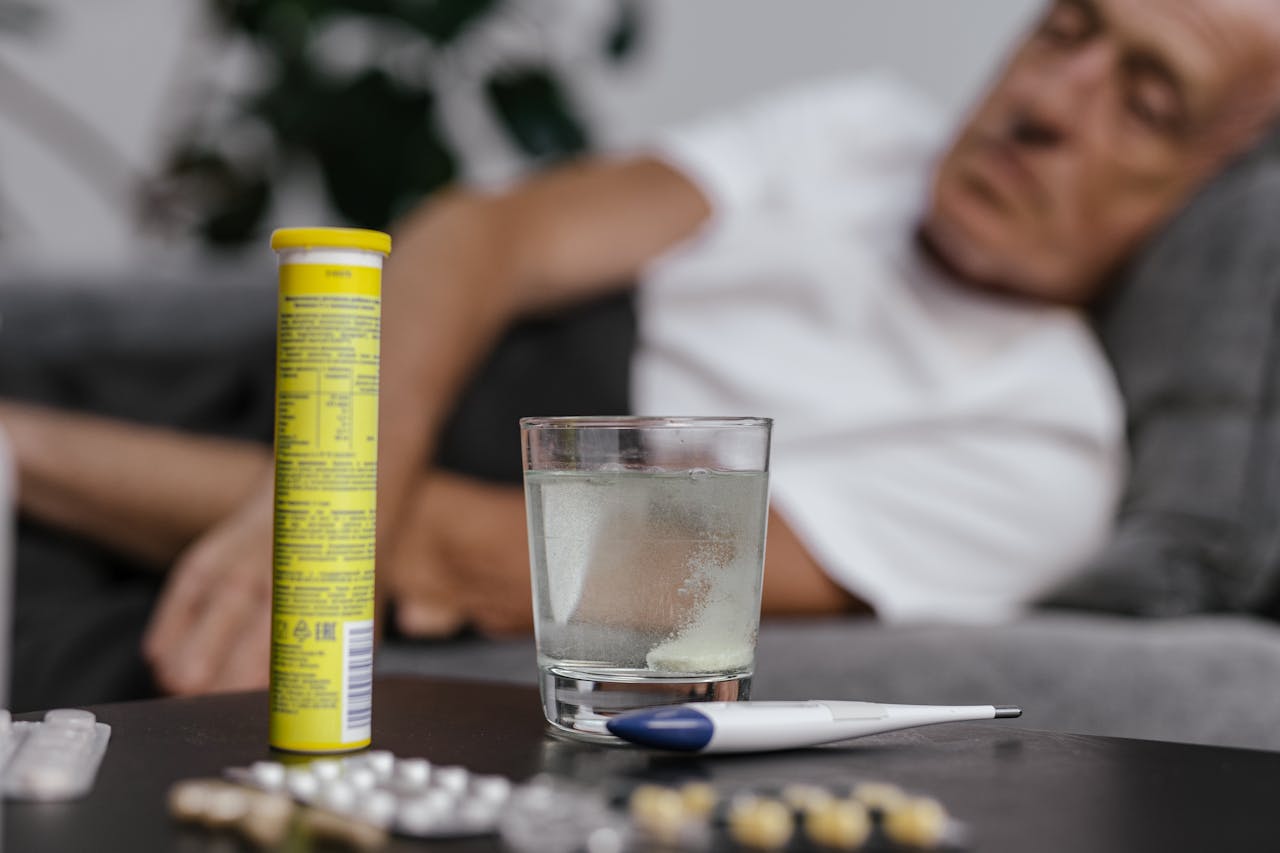
Falls in nursing homes can occur due to frail ambulation, imbalance, littered floors, or insufficient caregiver assistance. Many elderly residents in these sites experience mobility difficulties or medical conditions that increase the risk of falls. Broken handrails, slippery floors, and staff overlooking warning signs contribute to this issue. Nursing home caregivers and the administration are to blame when a fall occurs, as care protocols and daily inspections must be robust and adhered to. Families and outside organizations might consider the home’s track record for safety and staff training when assigning blame. To assist more, the main body will deconstruct the causes and who bears genuine liability for these falls.
Key Takeaways
- Nursing home falls commonly stem from a mix of systemic shortcomings, including inadequate staff training, subpar incident reporting, and insufficient care planning. All areas are in need of ongoing evaluation and enhancement to protect residents.
- Environmental risks, such as inadequate lighting, obstructed pathways, and faulty equipment or poorly maintained facilities, contribute significantly to the risk of falling. Regular inspections and swift remediation are necessary.
- Uncontrolled health risks, including chronic conditions and mobility issues, require tailored care plans and regular health evaluations to minimize falls within the nursing home population.
- Mismanagement of medication and equipment neglect can specifically increase fall risks, emphasizing the importance of frequent medication reviews, in-depth staff training and regular equipment checks.
- Legal and financial fall impacts may be significant, not just for nursing homes and families, but for long-term care demand, highlighting accountability and strong safety protocols.
- Families need to stay actively involved by keeping tabs on their loved one’s care and recording any incidents, knowing the facility’s policies, and consulting a lawyer if negligence is suspected.
Why Nursing Home Falls Happen
Nursing home falls are a complicated problem, with both personal and institutional causes. Addressing why these incidents occur necessitates an intimate examination of the facility’s systems, the physical environment, resident health, medication management, and equipment use.
1. Systemic Failures
A lot of falls can be traced back to systemic failures. Frequently, employees don’t receive adequate education in fall prevention or in comprehending the particular risks senior residents encounter. This deficiency can result in missed warning signs and unchecked hazards. Bad reporting systems compound the issue. If a fall or near-miss isn’t recorded, there’s no lesson learned and no patterns detected. Care plans don’t always consider specific needs such as dementia or mobility restrictions, which can leave residents more vulnerable. Insufficient administrative oversight lets all of these issues accumulate, endangering everyone in the facility.
2. Environmental Hazards
Environmental hazards are all around in some homes. Typical issues are beds raised too high, wet or uneven flooring, cluttered pathways, and insufficient lighting. Even a missing stair or bathroom handrail can tip the balance. When facilities aren’t maintained, the hazards multiply. Routine safety inspections are key to identifying these hazards and addressing them prior to an injury. Basic measures such as installing brighter lighting, maintaining dry floors, and ensuring uncluttered walkways can significantly reduce falls.
3. Unmanaged Health Risks
Health issues are a leading cause. Aging changes gait, balance, and strength, while conditions like dementia, poor muscle tone, and chronic disease make falls more likely. About 24% of falls are tied to muscle weakness and gait problems. Deconditioning from inactivity adds to this. Regular health checks help spot new risks. Individual care plans, built around each resident’s needs, are key to managing these risks. Proactive steps, like supervised exercise and better foot care, help.
4. Medication Mismanagement
Polypharmacy is rampant among the elderly. Taking multiple medications at once can cause dizziness or confusion, increasing fall risk. Routine medication reviews eliminate these issues. Staff need to be informed on the types of drugs that pose a heightened fall risk and what symptoms to monitor for. Better drug management leads to safer residents.
5. Equipment Neglect
Equipment neglect is frequently missed. Broken wheelchairs, poor-fit mobility aids, and no maintenance checks all cause more falls. Staff require training on equipment use and inspection. Facilities should be accountable for maintaining equipment because any malfunction, no matter how minor it seems, can have a major impact.
The Hidden Costs of a Fall
Not just the physical harm, the hidden costs of a fall in a nursing home are significant. The true cost extends far past the initial injury and frequently impacts families, care staff, and the wider health system. Every piece of the aftermath is a scar that can stretch for years.
Financial Burden
When a nursing home resident has a fall, the cost accumulates quickly. Medical bills for broken bones or head injuries can add up, particularly if surgery or extended rehab is required. A well-known instance is one hip fracture that can mean weeks in the hospital and then months of therapy. Other families pay out of pocket for additional care, and in some cases, one or more family members must take time off or even quit work to assist the person recover. Lost wages and new expenses for equipment or home help add up. In certain areas, that fall could cost tens of thousands of USD per case. This burden frequently falls on those least able to pay.
Emotional Toll
The ache of a fall is not only physical. Following a fall, seniors might experience fear, vulnerability, or humiliation. Others lose their confidence in caregivers or in their residence. Families fear the next fall and experience guilt or frustration. The stress can manifest itself as sleepless nights, anxiety, and even depression for the resident and their family. Knowing that 50 to 75 percent of residents will fall this year and that one in three will fall again keeps many on edge.
Long-Term Care Needs
Most nursing home falls don’t just heal and go away. For seniors, a fall frequently implies a fracture or forfeiting the opportunity to walk unassisted ever again. That may result in additional care, sometimes lifelong. Some have to transfer to higher-care units or change homes, losing their independence. With around 1,800 people dying every year and hundreds of thousands more suffering permanent injury, the cost in diminished quality of life is enormous.
Legal Implications
If a fall goes unreported or staff do not act quickly, nursing homes can be sued. Only around 57% of falls are reported, so testimony is often ephemeral and easy to lose, making it hard to establish what occurred. Families could have only one year to file a claim. If a fall could have been prevented by improved care, the nursing home could be liable for damages or fines. This threat puts additional strain on already overwhelmed care infrastructures.
Unmasking Negligence After a Fall
Nursing home falls injure thousands of residents. One in ten are seriously injured and some 1,800 die each year. About 57% of these incidents are actually reported. Unmasking Negligence After a Nursing Home Fall These can consist of missing or incomplete documentation, absence of timely incident reporting, and hazards identified but not mitigated like obstructed walkways or defective equipment. Care home staff can be responsible if they neglect to supervise, dismiss maintenance requirements, or forget to review care plans as residents’ conditions evolve. Because evidence can disappear quickly and statutes of limitations are tight, prompt investigation is essential. It is frequently a shared responsibility among nursing homes, contractors, and service providers.
Inadequate Care Plans
- Customized care plans must focus on fall risk, mobility issues, medications, cognition, environment, and caregivers.
- These plans require ongoing revision. As residents’ health or mobility fluctuate, plans have to change as well. A resident who becomes weaker after an illness may require new safety inspections or assistance devices.
- Family engagement is crucial. When families help design care plans, they provide context staff may overlook and can identify hazards during visits.
- Custom interventions, such as grab bars, mobility aids, or specialized workouts, can put a halt to falls before they even begin. Every plan should fit the resident, not just the facility.
Insufficient Staffing
- Low staff-to-resident ratios delay response to emergencies.
- Excessively busy employees inadvertently ignore lurking threats such as wet and uneven surfaces.
- Less qualified staff leads to less supervision for high-risk residents.
- Staff shortages stretch resources thin, raising risk for everyone.
When there are insufficient staff, residents wait longer for assistance, sometimes attempting dangerous maneuvers on their own. Employing skilled labor means that homeowners receive necessary supervision. Policy changes could establish minimum staffing to increase security.
Poor Communication
Non-disclosing fall risk or fall occurrence staff open unsafe loopholes. Missing notes on mobility changes or hazard warnings can result in care errors. We have to give residents clear guidelines about when and how to request aid. We must have incident reporting protocols in place to identify these trends and prevent future falls. Communication training helps staff listen more effectively and present information promptly.
Ignored Warnings
- Ignoring resident concerns can translate to overlooked hazards, additional falls, and more severe injuries.
- Residents should feel secure in reporting unsafe spots or broken gear without any fear of being blamed.
- Employees have to recognize initial symptoms of danger, such as a resident who has difficulty ambulating or complains of dizziness, and intervene quickly.
- Periodic safety inspections are important because they help identify dangers prior to injury, making hazards less prone to being overlooked.
Who Is Held Responsible?
Nursing home falls can be a serious issue on the accountability front. Who is to blame? Facility, medical staff, and third party. Laws and regulations make it clear that the duty to provide a safe environment does not rest on a single party. Liability is at least shared and can come from failures at multiple levels. Here is a table that summarizes how each group’s responsibilities relate to fall prevention.
Party | Key Responsibilities | Examples of Negligence |
Facility | Safe environment, regular hazard checks, clear halls, working equipment | Cluttered halls, broken lights |
Medical Staff | Assess fall risk, monitor residents, train on prevention | Missed assessments, lack of supervision |
Third Parties | Safe products, proper installation/maintenance, compliance | Faulty beds, poor repair work |
The Facility
Facilities need to maintain areas free from fall hazards, such as loose rugs, wet floors or broken rails. Nursing homes must comply with safety rules, with federal standards requiring a safe environment and supervision. If a facility overlooks these responsibilities, it can be negligent. Other incidents, such as a California jury giving a family $20.5 million, suggest how courts might react to proven negligence. Facility management, such as staff scheduling and maintenance priorities, directly impacts safety. Robust accountability mechanisms, such as audits and reporting, will keep protocols in line.
Medical Staff
Medical professionals are key in identifying fall risk. They should frequently evaluate residents’ mobility and cognitive status, tailoring care plans accordingly. Continuous fall prevention education, from safe transfer methods to drug side effects, is crucial. When staff neglect to observe high-risk residents or omit evaluations, falls may occur and liability grows. You can’t do this without collaborating with nursing assistants, because that’s how you make sure all your bases are covered.
Third Parties
Third parties, like contractors or equipment vendors, are sometimes involved. If a bed or wheelchair is bad, the maker can be responsible. Regulatory agencies establish standards for these goods and services, but it is the facility’s responsibility to verify that vendors comply. Comprehensive vetting of all external vendors aids in reducing dangers and enhancing safety.
The Illusion of “Accident”
Falls in nursing homes are routinely dismissed as mere accidents, a natural by-product of old age. This perspective overlooks some significant realities. Although falls are seen as ‘accidental’ by most people, when you investigate falls in detail, you find that the majority arise from risks that were preventable. Research indicates that most nursing home falls occur during activities of daily living—walking, climbing stairs, or shifting position. These are not accidents. Dig beneath the surface and discover that health issues like vestibular disease, heart conditions, or blood sugar levels are at play. Residents who have balance or inner ear issues, for instance, are far more prone to a fall and then subsequently restrict their movements in fear. This generates a cycle where both their hazard and their prudence escalate.
A few seniors blame themselves for falls, half stating their own actions caused them to fall. Yet this self-blame overlooks how arrangements at home and caregiving practices influence safety. Factors such as inadequate lighting, wet or slippery floors, or insufficient handrails all contribute. It’s not just the person, but the environment that frequently primes the pump. For instance, a resident might trip on poorly lit stairs. Though their own fragility or decision to walk alone factors in, it’s the absent handrail or poor lighting that shifts the scales.
The myth of the ‘accident’ fall allows nursing homes to disregard their responsibility. If staff perceive falls as ‘accidental,’ they won’t seek out methods to reduce the risk. Research is clear: changes in how a home is set up, staff education, and small shifts in daily routines can stop many falls. This implies that care-missed or slow patterns of response are indicators of potential negligence. Nursing homes have to take responsibility for protecting individuals. Accountability is everything, from regular audits of the ecosystem to training employees to detect risk signals.
When a fall does happen, families can’t simply shrug and say, ‘Oh well, that’s just bad luck’. It’s smart to have legal assistance looking for substandard care or omission. It aids in identifying patterns of disregard and promotes higher quality.
What Families Must Do
What families need to do. Falls are a well-publicized danger, and families can do much to reduce that risk and ensure care is up to standards. Being proactive entails identifying hazards, such as loose rugs, wet floors, or inadequate lighting, and reporting them to staff. Inquire about handrails, call buttons, and how often your loved one is checked. Keep current with changes in their health or care plan. Basic items like new medications or changes in how they walk could indicate an increased fall risk.
If you notice something is amiss, advocate for a definitive response if your loved one appears frail or confused or has bruises. Keep a notebook or use your phone to record any falls, changes in mood, and new injuries. Keep track of who you talked to, what they said, and what was done. This log will assist you in case you need to follow up or if things escalate. If a fall does occur, request a detailed report and ensure the staff inspects for injuries, cause, and prevention measures.
Know the nursing home’s policies about fall prevention. Ask for their fall risk assessment process and how they train staff to stop falls. Find out how often care plans are reviewed and who is in charge when something goes wrong. If the staff seems unsure or the answers are vague, it is a sign to dig deeper. Understanding the rules helps you hold the nursing home to its own standards and spot gaps in care.
If you believe a fall was caused by neglect or abuse or if a loved one dies following a fall, demand all the medical records and the home’s report. Laws in most places entitle you to view this information. Don’t delay; records can become buried or altered. If the answers you receive don’t make sense or the staff is not cooperative, consider consulting an elder care lawyer. Our legal advice can help you know your rights and what to do.
The law empowers families to sue if a nursing home’s neglect caused injuries. Acting protects others as well.
Conclusion
Falls in nursing homes scream obvious issues. Staff take shortcuts. Broken gear and bad lighting feature frequently. Most falls don’t just happen. They expose a failure in safety or in staff vigilance. The true price extends beyond fractured bones. Families get hit with high bills and long worries. Legislation established definitive care directives. Staff and owners have to do something. When they don’t, they pay for it. Families need to dig and take notes. To protect your loved ones, watch for signs of risk in advance. Tell your story, get assistance, and demand improved care. If you want more tips or have a question, comment or reach out.
Frequently Asked Questions
What are common causes of falls in nursing homes?
Falls frequently occur as a result of inadequate lighting, slick floors, clutter, impaired mobility, medication side effects, or insufficient supervision. Many of these falls can be prevented.
Who is usually responsible for a fall in a nursing home?
It’s all about the situation. It could be the nursing home, caregivers, or staff if they didn’t meet safety standards or were negligent.
Can families take legal action after a nursing home fall?
Yes, families may go after them if poor care or neglect caused the fall. Consulting with an experienced attorney can help point the way from there.
Are all nursing home falls considered accidents?
Not all falls are genuine accidents. Others are due to unavoidable hazards and proper care, which do not imply negligence.
What steps should families take after a fall occurs?
The family ought to record the incident, get medical attention for the resident, and report the fall to nursing home management. Speak to a lawyer or doctor as well.
What hidden costs can result from a fall in a nursing home?
Falls can result in medical and rehab bills, emotional trauma, diminished quality of life and in certain cases, permanent disability.
How can nursing homes prevent falls effectively?
Nursing homes can prevent falls by maintaining safe environments, providing mobility aids, training staff, and regularly assessing each resident’s risk.
Medical-Related Injuries and Abuse? Get the Legal Support You Need
At Phoenix Injury Attorneys, our team understands how devastating medical-related injuries and abuse can be. These cases can involve traumatic brain injuries, medication errors, neglect in care facilities, or signs of elder abuse that were ignored. You might be managing painful symptoms, new medical complications, financial stress, and uncertainty about what comes next. You deserve clarity, justice, and a legal team that stands firmly on your side.
Led by Khalil Chuck Saigh, our Arizona-based firm investigates what happened, reviews medical records, works closely with specialists, and builds a case that identifies every party responsible. We pursue compensation for medical bills, ongoing treatment, long-term care needs, lost income, emotional suffering, and the overall impact on your safety and quality of life.
If something feels wrong about the care you or your loved one received, listen to that feeling. Reach out today for a free and confidential case review. Let us protect your rights, confront negligence, and help you move forward with strength and support.