


Common household chemicals that can cause toxic exposure claims are cleaning sprays, drain openers, air fresheners, and pesticides. You typically see them in your kitchens, bathrooms, and storage rooms, intended for routine housekeeping or insect eradication. Numerous products contain substances such as ammonia, bleach, or solvents that can trigger toxic exposure claims if inhaled or encountered. Even minor spills or fumes can spark health issues like skin burns, breathing difficulty, or headaches. Some issues arise from repeated exposure or improper labeling that omits precautionary measures. If you want to know which products have risks, what signs of exposure look like, or how to limit harm at home, keep reading for facts and ways to stay safe.
Key Takeaways
- So many times, there are these chemicals hiding in our common household items that could lead to claims for toxic exposure.
- Even small amounts of exposure, especially repeated or prolonged, can accumulate in your body and put you at risk for health problems down the road.
- Chemical reactions may occur if you combine specific household cleaners. This can form even more hazardous byproducts and result in a greater risk for toxic fumes.
- Be aware of signs such as headaches, breathing issues, or rashes, which could be indicators of toxic exposure from something you are using at home.
- Documenting product use, toxic exposure, and health changes can assist you in establishing a toxic exposure claim if necessary.
- Opt for safer, nontoxic ingredients and natural cleaning solutions to minimize your household’s risk and cultivate a healthier home environment.
The Unseen Dangers in Your Home
A lot of common household products contain dangerous chemicals that can damage your health if you use them frequently or in significant quantities. Cleaners, air fresheners, and even laundry supplies can emit volatile organic compounds (VOCs) that linger in the air. Unfortunately, warning labels may not tell you what’s in them or caution you about the hazards. Others may be found in products such as old furniture or cookware, which can still have hazardous home chemicals banned in newer goods but remain in your home for years. Being aware of what’s in your home and how it impacts you can help you steer clear of chronic issues.
Beyond the Obvious
Personal care products and cosmetics may not appear dangerous. Several contain covert chemicals such as parabens or phthalates. These ingredients can get into your body through your skin or when you inhale them. Indoor air quality can be further compromised by scented candles, sprays, and even new furniture, which emit harmful particles.
Other products appear harmless but contain ingredients you’d never notice on a label. Take PFAS chemicals, used in stain-resistant fabrics and some food packaging, which accumulate in your body over time. Even items such as plastic containers can leach trace amounts of chemicals into food, particularly when they are heated. Actions such as venting new purchases and reading labels can reduce these risks.
The Cumulative Effect
Chronic, small-scale exposure to poisonous substances can accumulate and trigger illnesses such as endocrine disruption, respiratory problems, or cancer. Using lots of products with these ingredients can exacerbate these impacts, particularly if you’re exposed at a young or even prenatal age.
Chemical | Source | Long-Term Effects |
Lead | Old paint, pipes | Brain, kidney, nerve damage |
PFAS | Food wrap, fabrics | Hormone, immune system issues |
VOCs | Cleaners, air sprays | Lung, throat irritation |
Phthalates | Plastics, cosmetics | Hormone disruption |
Steps to monitor your home:
- Check product labels for risky chemicals.
- Air out new furniture and floors.
- Use glass or stainless steel for food storage.
- Clean dust often to lower chemical build-up.
Chemical Interactions
Combining cleaning solutions can release hazardous gases, even if the individual components appear innocuous. For instance, bleach and ammonia together create toxic gases. Scented sprays and cleaners can combine in the air and create worse byproducts.
The key is to know what’s in each product and never mix them unless you’re confident it’s safe. This can prevent unintended poisonings or respiratory issues. Being proactive about chemical safety keeps everyone in your home safe.
Identifying Toxic Household Chemicals
You may encounter many household products that can be hazardous to your health because of the chemicals contained within them. Knowing what chemicals are in your home allows you to identify hazards before they become a problem, particularly when some products aren’t closely regulated, and manufacturers may not disclose every ingredient. Hazard symbols and ingredient lists can indicate phthalates, VOCs (volatile organic compounds), or even heavy metals. Some products labeled “green” or “natural” can still conceal toxic components.
Common household items that may contain toxic chemicals:
- Multipurpose cleaners and disinfectants
- Air fresheners and scented candles
- Plastic bottles and food containers
- Paints, adhesives, and solvents
- Pesticides for home or garden
- Cosmetics and personal care items
1. Volatile Organic Compounds (VOCs)
Volatile Organic Compounds (VOCs) are chemicals that readily become gases at room temperature. You’ll discover them in paints, varnishes, air fresheners, and cleaning sprays. Other VOCs include solvents such as toluene and N-methylpyrrolidone (NMP). They can degrade indoor air quality.
Exposure to VOCs over the long term can trigger headaches, respiratory issues, and even damage your nervous system. Children and seniors are more vulnerable. Always open windows and turn on fans when working with these products. Opt for low-VOC or VOC-free alternatives whenever possible.
2. Phthalates and Plasticizers
Phthalates make plastics soft and flexible. They’re in shower curtains, toys, and even lotions. Few studies indicate phthalates can mess with your hormones and, with sufficient exposure, damage your reproductive organs.
Look for phthalate-free labels on baby bottles, teethers, and cosmetics. Not all plastics are created equal. Plastic lids are totally safe as long as they don’t come into contact with food. Other types may leach chemicals. Trade plastic for glass or stainless steel when you can.
3. Ammonia and Chlorine
Ammonia and chlorine make appearances in numerous glass cleaners, bleaches, and bathroom scrubs. Both can sting your eyes, nose, and throat. When combined, they produce toxic chloramine gas.
Gloves, gloves, gloves. Keep your rooms ventilated. Keep these cleaners away from children. Reach for vinegar or baking soda instead, safer cleaning alternatives.
4. Pesticides and Herbicides
Pesticides, even for indoor use, can be made with cancer-causing and hormone-disrupting chemicals. Kids and pets can be more susceptible. Use them as directed and keep treated areas off limits until it is safe.
Prioritize thorough washing of fruits and veggies to reduce your exposure to residue. Natural alternatives, like neem oil or diatomaceous earth, are less risky for regular use.
5. Heavy Metals
Lead, mercury, and cadmium occasionally appear in ancient paint, batteries, and foreign ceramics. Tiny doses over time can kill your brain, particularly if you are a child.
Now, check your home for lead paint if it is old. Check water filters for heavy metals in tap water. Recycle batteries and e-waste safely.
What Are the Symptoms of Toxic Exposure?
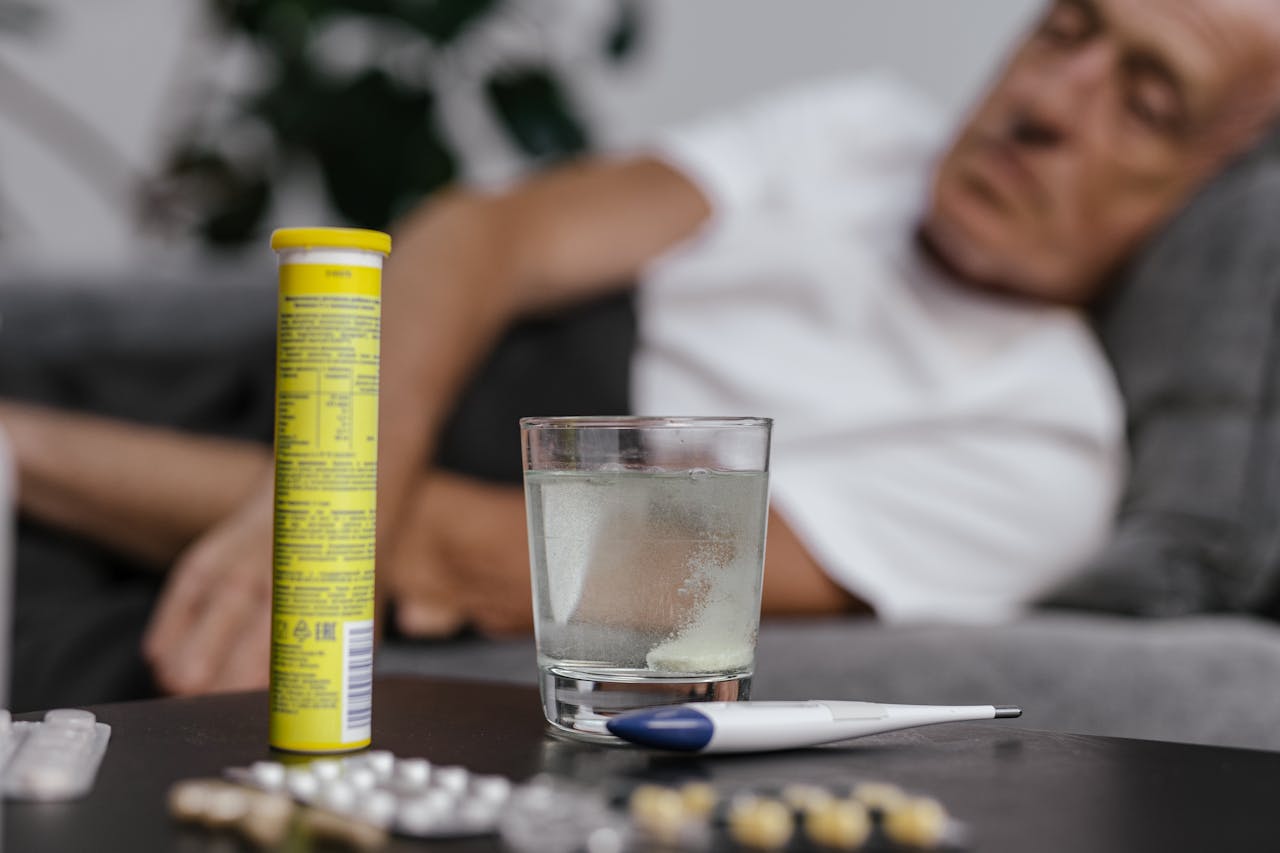
Symptoms of toxic household product exposure vary depending on the dangerous chemicals involved and the dose. Some symptoms appear immediately, while others may take hours to manifest. Not all symptoms are apparent initially, so be alert to any sudden or strange health changes after using common household products. Early detection leads to better treatment and a more complete recovery.
- Headache, dizziness, or confusion
- Coughing, wheezing, or chest tightness
- Skin redness, itch, or rash
- Nausea, vomiting, or stomach pain
- Eye irritation or blurred vision
- Fatigue or muscle weakness
- Fever or chills
- Sudden trouble breathing
Neurological Signs
Exposure to dangerous home chemicals such as solvents, VOCs, and pesticides can wreak havoc on your brain and nerves. Symptoms like headaches, dizziness, or confusion may arise after using common household products like paints, paint removers, or cleaning sprays. The risk escalates with frequent use or in poorly ventilated areas. Over time, persistent exposure to these hazardous chemicals can lead to chronic brain changes or exacerbate existing disorders. If you or someone else continues to experience these symptoms after exposure to household chemical products, seek medical attention immediately.
Respiratory Distress
Inhaling VOC fumes from paints, paint strippers, and harsh cleaning products can cause coughing, wheezing, or a tight chest. Certain individuals may experience shortness of breath due to exposure to dangerous home chemicals. Indoor air can contain up to 10 times the VOCs found in outdoor air, and using these hazardous household products can increase chemical levels to 1,000 times background outdoor levels. These symptoms are more severe for individuals with asthma or pulmonary problems. If your breathing becomes compromised following use of a product, open up all windows, vacate the premises, and obtain medical assistance.
Skin Irritation
Chemical exposure to the skin can result in redness, itchy specks, or rashes due to dangerous home chemicals. Some individuals may develop blisters or allergic reactions. Prolonged, frequent use of common household products like cleaning sprays, detergents, and personal care products may cause dry, cracked skin or permanent irritation. Always wash your hands after handling these hazardous household products and wear gloves when possible.
Systemic Illness
Chronic or high-level exposure to dangerous home chemicals can make your entire body really sick. Others can raise your chances of developing cancer or spark autoimmune issues. Symptoms such as persistent fatigue, unexpected weight loss, or odd aches could be red flags. If you become ill after exposure to common household products, note what you were exposed to and the timing. This helps your physician and strengthens any toxic exposure claim you might have to make.
The Silent Damage of Long-Term Exposure
Daily exposure to ordinary household chemical products can do quite a lot of damage you won’t realize at first. A lot of these dangerous home chemicals, like pesticides or cleaning products, can accumulate in your body over time, even in small quantities. The damage is silent; you might not notice obvious symptoms initially, but your health is in jeopardy, increasing with every day and every year. Chronic health problems, like respiratory or reproductive issues or even cancer, can arise following years of exposure to these hazardous household products.
Because symptoms from toxic household product exposure tend to present themselves much later, it is difficult to identify the source. For instance, inhaling VOCs from paints or solvents can cause headaches, memory loss, or breathing trouble. These symptoms may not show up until months or years later. Chemicals banned decades ago, such as polychlorinated biphenyls or PCBs, still lurk in older buildings and can lead to neurological damage or cancer. In much of the world, these risks persist because dangerous chemicals can linger in indoor air or dust for years after they’re no longer in use.
Cumulative effects count. Every day that you lie on a blanket or a plastic tarp with EDCs or use laundry detergent packets containing them, those low doses accumulate. These EDCs are associated with hormone problems, infertility, and certain cancers. Even if you only apply a small amount at any given moment, the cumulative exposure can become dangerous. A lot of building materials, including those marketed as “green,” could be releasing pollutants that contribute to indoor air pollution. Poor ventilation just compounds the issue, holding dust, particulates, and chemicals inside your room.
If you want to get in front of these risks, health checks are essential. Screenings can help catch problems early, even if you feel fine. This is huge for those in older homes, locations with minimal ventilation, or areas where the chemicals are still being used. Action is about more than just swapping products. It could involve optimizing ventilation, educating yourself on healthy materials, and staying informed on regulations where you live.
How to Prove a Toxic Exposure Claim
Proving a claim related to toxic household product exposure requires specific actions and hard evidence. The source of exposure is not always obvious, particularly if it accumulates over months or years. Determining whether your case involves dangerous home chemicals in the workplace or non-occupational settings can help identify who the responsible party may be and what legal options you have. With hard time limits, often 1 to 3 years from when you discovered the link between your illness and toxic exposure, fast action lets you collect crucial evidence before it disappears.
Documenting Exposure
Log every time you suspect exposure to dangerous home chemicals. Take notes: record the date, what household chemical products you used, how long you were exposed to them, and what symptoms you experienced. Keep product receipts and packaging, as they can indicate which household products you actually used and help verify the substances they contained. If you notice a spill or a leaking bottle, photograph it. Photos help demonstrate the actual peril in your residence. Create a timeline of when symptoms began compared to when you were using products to show a definitive connection between the chemical and your health complications.
Medical Records
Obtain copies of medical records that document your symptoms and any treatment you received for toxic household product exposure. If your doctor suspects your ailment is linked to a dangerous home chemical, have them record it in your file. It is helpful to visit a specialist who can determine if your health problems could be chemically induced at home. Accumulate all test results, doctor notes, and hospital records. Nothing strengthens your claim like a complete set of medical documents.
Expert Testimony
Locate toxicologists or environmental health experts who specialize in toxic household product exposure. They will be able to describe how specific dangerous home chemicals cause harm and connect them to your symptoms. Expert witnesses are instrumental in demonstrating that your health problems resulted from these chemicals. Before you meet an expert, jot down questions regarding the risks and effects of the chemicals you were exposed to. Their objective expert opinions assist courts in recognizing the risks and validating your claim.
Product Identification
Specify the precise household chemical products you believe rendered you ill. Scan the ingredient labels for known toxic substances and dangerous home chemicals. Look up safety warnings or recalls associated with these hazardous products. Keeping a list of all products linked to your symptoms simplifies tracking your exposure and filing a lawsuit.
Practical Steps for a Safer Home
Toxic exposure in the home from common items is an unfortunate reality. Over 90% of poisonings occur at home, in the kitchen, bathroom, or bedroom. Chemicals can emanate from cleaners, paints, or even nonstick pans and accumulate in your air or dust. This is riskier for children and pregnant individuals, as early exposure can be more impactful. That’s why it’s wise to do what you can to reduce your risks and protect your home.
Begin with routine cleaning. Dust, pet hair, and other small bits can actually entrap the chemicals and transfer them throughout your house. Wipe surfaces and floors with a damp cloth. A vacuum with a HEPA filter can assist in picking up small particles without blowing them back out. Opt for mild, non-toxic cleaning solutions when possible. White vinegar, baking soda, and lemon can wipe down most surfaces. They do not emit toxic fumes or residues. It is important because airborne chemicals and those in dust can be absorbed into your body just by breathing or contact.
Educate your family about the hazards of everyday items. Demonstrate how to read labels and identify warning signs, such as “keep out of reach of children” or “use in a well-ventilated area.” Describe how it’s best not to mix cleaners of different types, as this can create toxic fumes. Tell everyone to wash their hands after using any cleaning product or medicine. Consult a pharmacist or healthcare professional before combining prescription medications to prevent dangerous interactions.
Select items less dangerous to you or your household. Here is a checklist you can use:
- Cleaning: Use plant-based cleaners, vinegar, or baking soda in most rooms.
- Kitchen: Choose cookware labeled “PFC-free.” Keep your food in glass or stainless steel, not plastic!
- Laundry: Look for fragrance-free detergents without harsh chemicals.
- Bathroom: Pick soaps and shampoos without parabens or phthalates.
- Storage: Keep all chemicals locked away and in their original containers.
Organic and natural options reduce the chance of exposure and can be equally effective. Keep your fridge below 5 °C (40F) so you don’t get food poisoning. It is easier to prevent than treat, particularly with something like lead. Small behavioral shifts can make a major impact on health.
Conclusion
Ordinary things around the house, such as cleaning products, paint, or air fresheners, can harbor hidden dangers. You could experience strong odors, observe rashes, or detect breathing difficulties. These minor symptoms may lead to more significant health problems if ignored. Knowing what’s in your home, checking labels, and using things right can help lower these risks. If you believe toxic exposure harmed you or a loved one, maintain detailed records and consult a reputable professional. Easy actions now can create a more protective home for you and your family. Keep your eyes open, be inquisitive, and prioritize safety. For additional advice or assistance with toxic claims, contact a local safety organization or law guide.
Frequently Asked Questions
1. What are the most common toxic household chemicals?
You can source dangerous home chemicals from everyday household products like cleaners, paint, pesticides, air fresheners, and even personal care items. These often contain toxic substances such as ammonia, bleach, formaldehyde, and phthalates that can lead to toxic chemical exposure claims if not used safely.
2. How can toxic exposure affect your health?
Toxic exposure to dangerous home chemicals can cause symptoms such as headaches, nausea, dizziness, skin irritation, and breathing problems. Prolonged exposure to hazardous household products can lead to serious conditions like organ failure or cancer.
3. What should you do if you suspect toxic exposure at home?
If you suspect toxic household product exposure, get outside for fresh air immediately. If safe, remove the source of dangerous chemicals. Call your doctor if symptoms persist, and preserve all warning labels and samples for possible claims.
4. How can you prove a toxic exposure claim?
To establish a claim regarding hazardous household products, you require medical records, verification of toxic household product exposure, symptom documentation, and proof that the exposure was at your residence. Pictures and warning labels significantly bolster your claim.
5. How can you reduce the risk of toxic exposure at home?
Read the label. Use natural alternatives. Increase ventilation. 5. Store chemicals safely. Keep products away from children and pets. Take a regular inventory of what you are bringing into your house.
6. What are the signs of long-term exposure to household chemicals?
Prolonged exposure to dangerous home chemicals can cause tiredness, dementia, chronic headaches, lung disease, or dermal conditions. If you observe these symptoms, seek medical advice and examine your household products.
7. Are certain people more at risk of toxic exposure at home?
Yes. Children, older adults, pregnant individuals, and those with health issues are more susceptible to toxic household product exposure. Whether you’re a parent or not, it’s imperative to take extra caution to shield any weakened members of your household from dangerous chemicals.