

Key Takeaways
- You should know that you generally can’t sue for injuries at parks or recreation areas. There are key exceptions.
- Knowing your rights and responsibilities, including assumption of risk and comparative fault, is key to determining your chance at a successful injury claim.
- As you pursue your claim, you should carefully document the incident, gather evidence, and seek immediate medical treatment to strengthen your case.
- It could come from negligent maintenance, defective equipment, design flaws, inadequate warnings, or even misconduct by park employees. Determining the cause of your injury is critical.
- Rigid statutes of limitations and notice of claim requirements govern the majority of claims against governmental actors, so it is important to act promptly and follow strict procedures to preserve your rights.
- A qualified attorney can guide you through the complexities of governmental immunity, help you gather the necessary proof, and maximize your likelihood of receiving fair compensation.
You can sue for injuries at parks or recreation areas if you have evidence that another’s negligence or bad maintenance caused your damage. Many parks, public or private, need to maintain safe grounds. Your case might hinge on the location of the injury, who owns the park, and what you or the staff did. Rules may be different if the park is government-run since they have rigid notice and time frames. It matters knowing if there were warning signs posted or if the park had dangerous trails. In the bulk, you’ll uncover claims procedures, what evidence you might require, and how to navigate public versus private park injuries.
Understanding Governmental Immunity
Governmental immunity, or sovereign immunity, is a doctrine that protects government entities from liability for some actions or failures to act. This doctrine stems from British common law, where the state was immune from suit. When it comes to public park injuries or recreation areas, these immunities translate to your right to bring a personal injury claim for injuries based on certain laws and exceptions. Understanding how personal injury law operates, including when exceptions apply, is crucial for injury victims seeking justice post-accident in a public venue.
The Rationale
Governments enact immunity, so public agencies can operate parks and recreation areas and other public spaces without being inundated with lawsuits. If every minor scrape resulted in litigation, public coffers would be emptied, and park decisions would take forever regarding safety or upgrades. Immunity allows park agencies to dedicate more of their energy to the public good and less to their legal defense.
They seek to balance your right to seek damages with the public good. Without this protection, governments might be reluctant to open or continue to have parks, worrying about legal exposure. Instead, immunity draws lines around when and how you can bring a lawsuit. It allows governments to function effectively and keeps them responsible for grave, avoidable damage.
Yet these statutes may vex tourists. You’re powerless if hurt as a result of bad maintenance or unsafe conditions, particularly if immunity stands in the way of your claim. It’s key to understanding your options and your rights.
The Scope
Governmental immunity often protects federal, state, and municipal organizations that operate public parks and recreational areas. This immunity frequently pertains to anything from routine upkeep to design and policy decisions. If you slip on a wet trail or stumble over a tree root, your public park injury claims may be thwarted unless there is obvious negligence involved.
Each court jurisdiction handles personal injury law differently. What constitutes an “immune” act in one state might not be considered immune in another. Some states impose strict caps on what can be classified as negligence, while others provide more flexibility. This variation often depends on the type of injury or activity. For instance, injuries arising from a posted hazard are treated differently from those caused by hidden dangers, complicating the legal process for injury victims.
There are limits to this immunity. It does not always prevent injury claims. In egregious situations, such as when a government entity fails to address a known danger, there may be grounds for a premises liability claim. The Colorado Governmental Immunity Act, for instance, waives immunity for limited claims related to unsafe conditions on public property. In every case, it is crucial to act quickly, as nearly all jurisdictions require written notice within a specific timeframe, and statutory damage limitations can further impact your recovery.
The Exceptions
Not all injuries are barred by immunity. Generally, most systems permit lawsuits when government actions verge on gross negligence or willful misconduct. If a city is aware of a broken railing and disregards it, then you might have a claim. Failing to warn of or repair a known danger, as a general rule, is an exception.
Each state or country delineates these exceptions in its own statutes, typically referred to as Tort Claims Acts. These laws specify when you can sue. If a public playground or a public road was defective and staff ignored it, then yes, you might have a case. Certain states permit claims for injuries from unsafe conditions or for neglecting to protect against known risks.
Exceptions are complicated and fact-intensive. Courts consider whether the entity had a duty to warn, whether the risk was foreseeable, and whether the government acted recklessly. You have to look at the facts and the law. Damage awards in these cases are frequently capped, occasionally in local currency, and adjusted for inflation.
When Can You Sue For Park Injuries?
Park visitors can pursue personal injury claims when a park’s owners—whether a government entity or private party—fail to maintain the area in a safe condition, leading to injury. As with most personal injury lawsuits, these claims rely on proving that the injury resulted from someone’s negligent act in failing to exercise reasonable care. If a dangerous condition existed, such as broken equipment, poor lighting, or a lack of warnings, and the owner was aware or should have been, you may have a viable case. In the United States, specific states, like California, require you to act swiftly by filing a formal Notice of Claim within six months post-injury. Globally, while rules for filing claims against public property differ, the core principle remains that you must establish negligence within a limited timeframe.
1. Negligent Maintenance
Negligent maintenance implies that the individuals operating the park are not maintaining it appropriately, which can lead to serious risks such as dangerous conditions on trails or playgrounds. For instance, if a park owner disregards complaints of loose tiles in a public thoroughfare or fails to replace defective stairwell lamps, they are not fulfilling their obligation to maintain the park. If you slip, fall, or are otherwise injured due to these ignored hazards, you may have a strong basis for a personal injury claim. The law anticipates that park owners will conduct inspections and maintenance; thus, demonstrating that your injury resulted from a breach of this duty can support your personal injury lawsuit.
2. Defective Equipment
Playgrounds, workout stations, and even benches can have defective components or dilapidated frames, leading to serious risks for injury victims. When slides break, swings snap, or fitness gear rusts through, the danger of injury escalates quickly. Park owners are legally obligated to maintain a safe condition and comply with safety standards. If your child falls due to a swing chain that was never repaired after multiple complaints, a premises liability claim may arise. Inspections are key here, as good maintenance records help prevent these accidents.
3. Design Flaws
Certain public parks have traps woven into their very design, such as a walking path with a sheer drop and no railing or a badly positioned water feature close to a play area that can lead to serious injuries. These aren’t merely accidents; they’re design defects that can result in premises liability claims. Legally, if a design hazard injures people, the owner is liable. Lawyers frequently call engineers or architects as expert witnesses to demonstrate what went wrong and how they could have designed it better to avoid the injury.
4. Inadequate Warnings
Park hazards are not always obvious, especially in a public park where wet floors in restrooms, sudden steps, or chemical treatments on grass can pose serious risks. Owners should post signs or rope off dangerous conditions to prevent personal injury claims. If not, and someone is injured, this can lead to a premises liability claim, making it crucial for owners to prioritize visitor safety.
5. Employee Misconduct
Employee misconduct can lead to serious injuries in a public park, especially when negligent behavior results in dangerous conditions for visitors. If an employee’s error causes a park injury claim, the park owner may be liable under premises liability law. Rigorous training and supervision are essential to prevent accidents and ensure safe environments for recreational activities.
Proving Government Negligence
Suing for injuries at parks or recreational areas involves demonstrating that a government entity failed to act with reasonable care, leading to your injury. This negligence, particularly in public park injury claims, must meet stringent legal standards. While many governments enjoy certain immunity from lawsuits, provisions like the Tort Claims Acts can allow for premises liability claims under specific circumstances. It’s crucial to adhere to strict timelines, which can be as short as six months in states like California. Without a compelling allegation and evidence, your personal injury case may struggle to proceed.
Duty of Care
Government agencies and park owners have a duty of care to individuals who frequent parks. This implies that they have to be reasonable to keep public spaces safe. The law expects more from them if you are there legally as an invitee than if you are trespassing. Invitees are individuals who utilize parks for their intended purpose, such as running or having a picnic. Trespassers, meanwhile, have diminished protection, but in certain jurisdictions, even they may not be subjected to known concealed hazards.
If a park didn’t repair broken playground equipment or neglected icy walkways, it could be in breach of this duty. The standard is not perfection but reasonable care under the circumstances. If the government fails to perform regular maintenance, accidents may occur, and they can be held accountable.
Breach Of Duty
A breach of duty occurs when the government is negligent. This might be neglecting to repair a broken fence or warn about dangers such as a deep pit in a field. Sometimes, not taking action, such as disregarding numerous reports about dangerous trails, is evidence of negligence.
It’s proving this breach that’s crucial. You have to prove that the park staff knew or should have known about the hazard, and they didn’t act. Proving something that the government simply forgot to do is what makes claims successful: maintenance logs that say ‘inspection missed’. For instance, if a city neglects recurring complaints about loose tiles in a pool and someone slips, that’s probable cause for breach.
Causation
Causation means you have to prove your injury occurred as a result of the government’s omission, not your own behavior or something else. This direct connection between the breach and your injury is crucial in personal injury law.
Proximate cause is the legal term for this connection. If an unsafe bridge falls down and you fall, it’s obvious. Evidence matters here: photos of the hazard, medical reports, or testimony from people who saw the event can help prove your case in court.
Actual Damages
You have to show that you incurred actual losses, known as damages, such as economic (hospital bills, lost wages) and non-economic losses (pain, stress). For example, if you miss work for three weeks and have €2,000 in medical bills, that’s damage.
Keep all paperwork: receipts, pay stubs, and medical records are vital. The more you record, the better your case. Absent demonstrable damages, even egregious negligence will not be compensated.
The Role Of Visitor Conduct
Your behavior significantly influences the outcome of public park injuries when you sustain an injury at a park or playground. The law examines both your conduct and that of the property owner, especially in personal injury law cases. If you fall on a wet trail or stumble on a rock, did you ignore a warning sign or run in prohibited areas? California park visitors must exercise caution, remain aware of dangerous conditions, and follow safety guidelines. If you are found inattentive or reckless, the law may determine that you share the fault, which could reduce your entitlement to damages or bar you from recovering altogether.
Assumption Of Risk
Assumption of risk means you agree to the risks inherent in certain activities, particularly in public parks. When you engage in recreational activities like sports or hiking dangerous trails, you’re aware of the dangers involved. This understanding protects park owners from liability claims in case of an injury. For instance, if you sprain your ankle while playing soccer on a park field, that’s considered a known risk. The same principle applies when you take a tumble while rock climbing or mountain biking. In such cases, park operators may argue that you assumed the risk, thus they shouldn’t be held liable for your injury.
However, if a park owner failed to warn about a hidden danger, you may still have a valid personal injury claim. If the risk was obvious, the courts often support the owner’s defense. This legal principle is commonly upheld in premises liability cases involving outdoor parks, sports grounds, and adventure zones, where some risks are inherent to the enjoyment of the facilities.
Comparative Fault
Comparative fault indicates the court examines the extent to which each party incurred the injury. If you’re partially at fault because you weren’t watching where you were going, the court reduces the amount you can receive. If you slipped while disregarding a sign about a slippery bridge, and you’re 30% at fault, you only get 70% of your claim.
This rule is not universal. A few locations reduce your payment according to your degree of fault, whereas some deny your claim if you are over 50% to blame. States such as California employ pure comparative fault, so even if you are mostly at fault, you can still recover something. Understanding your region’s approach to liability is crucial before you bring a lawsuit.
Trespasser Status
Trespassers are individuals who go into a park illegally or violate explicit boundaries regarding where they may roam. Park owners owe less care to trespassers. If you’re injured while trespassing, you generally can’t sue. The proprietor must not intentionally injure you, but he does not need to repair every defect for a trespasser.
A few instances don’t count, such as if a danger is going to injure kids who stumble in. What you do as a visitor versus a trespasser establishes your rights post-injury. This status determines how much attention the park proprietor needs to bestow upon you and if your claim holds.
Beyond The Obvious: Hidden Liabilities
Hidden liabilities in public parks and recreational areas can lead to serious risks for visitors. While we recognize the obvious dangers—like uneven ground or broken playground equipment—there are also hidden threats that can cause significant harm. Park owners, whether government entities or private park owners, have a legal duty to ensure a safe condition for lawful visitors. Failure to do so can result in premises liability claims for park injury claims, even for risks that may not be immediately visible to the average visitor. In state-owned parks, pursuing a personal injury lawsuit can be more complex due to sovereign immunity, which often shields governments from liability claims. However, many jurisdictions allow exceptions through Tort Claims Acts, emphasizing the importance of understanding your legal rights. Remember, the statute of limitations for filing a personal injury claim can be as short as 90 days, necessitating prompt legal help.
Third-Party Crime
Criminal acts in public parks—such as robbery, assault, or theft—can lead to serious injuries for victims. Many individuals are unaware that if these acts occur due to inadequate security, park operators could face liability claims. For example, a public park that has a history of attacks but lacks proper lighting or patrols may expose the owner to a premises liability claim. Courts evaluate whether the owner could have anticipated the crime and implemented reasonable safety measures. If they failed to do so and you sustain injuries, they could be held accountable.
Implementing security measures is crucial. Fences, cameras, and regular patrols significantly reduce the risk of crime in recreational areas. If these measures are absent in locations with known dangers, this negligence can be critical in a personal injury lawsuit. Courts will assess past incidents, crime data, and whether adequate warnings were provided. Your personal injury claim may succeed if you can prove that the owner was aware of the risks and neglected their legal duty to protect lawful visitors.
Environmental Dangers
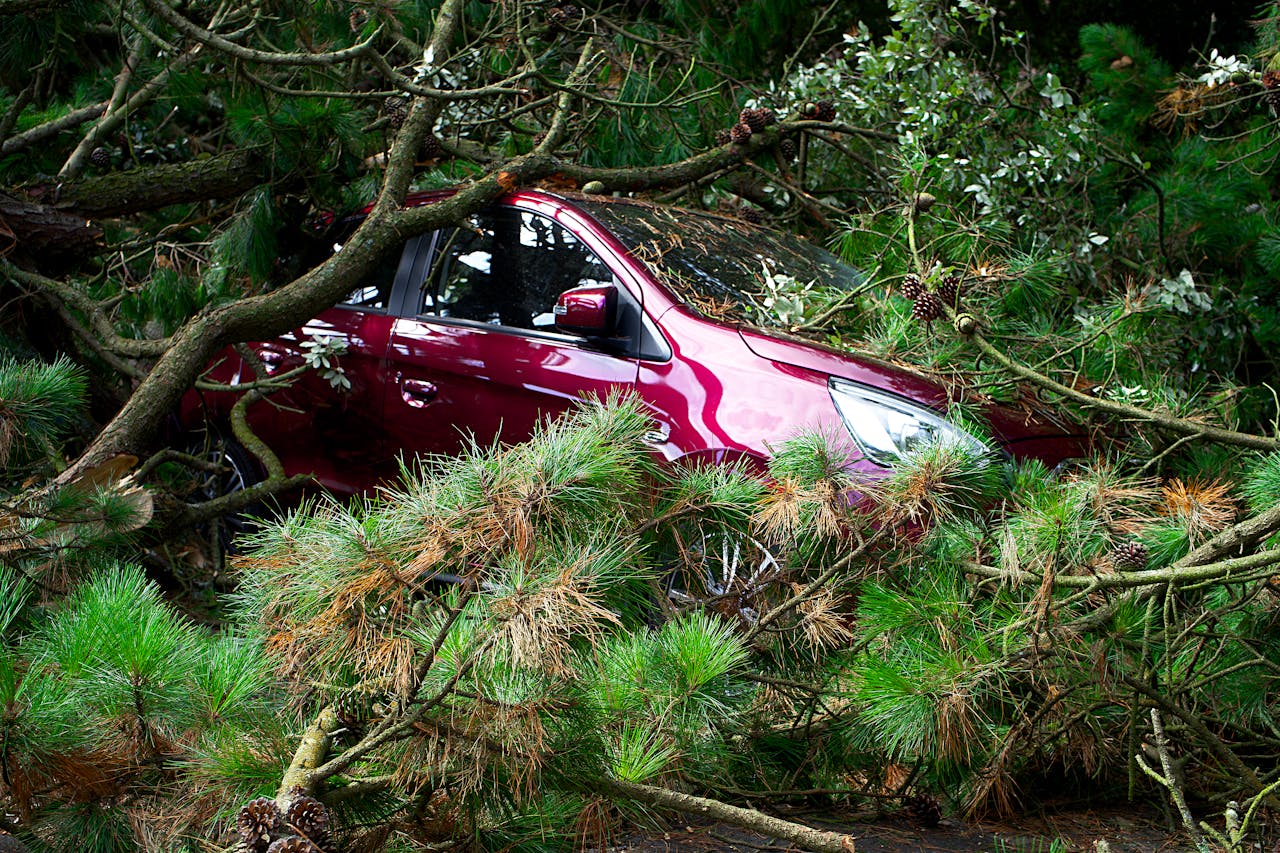
Nature can conceal dangers that inflict injury, leading to potential public park injuries. Flooded walkways, loose rocks, or slippery algae on paths are all hazards that can cause falls or injuries, particularly in large parks. Owners must actively look for and repair such dangerous conditions. If a dead tree branch falls and injures someone, the owner could face a premises liability claim. Laws require owners to maintain areas in a reasonably safe manner, addressing not only man-made threats but also natural hazards.
In most jurisdictions, courts expect periodic inspections and immediate repair of environmental damage to avoid personal injury lawsuits. If owners neglect these inspections, they can be sued for negligence. Promptly addressing issues like draining water or clearing debris shows a commitment to visitor safety, and failure to do so can lead to significant legal consequences.
Unmanaged Wildlife
Wildlife can be a silent killer. A snake, wild dog, or monkey may bite. If you get mauled by a dog that the park is aware is a threat, the owner might be responsible. That is even more so if the animal has gotten into trouble previously and nothing was done.
Other parks erect signs or fences to caution and shield visitors. Education is crucial. If a park instructs you to stay safe, such as not feeding animals or keeping food tightly sealed, risks decrease. If they overlook reports of aggressive animals or neglect to warn you, they could be liable.
Navigating The Claims Process
Filing a personal injury claim for injury at a public park or recreation area involves a process with specific, time-sensitive steps. Every action you take can significantly influence your likelihood of receiving a settlement, especially if the park is operated by a government entity. It is crucial to act swiftly, maintain excellent documentation, and understand personal injury law, particularly regarding the timing requirements for providing official notice and filing a lawsuit. Knowledge of local laws can make or break your case.
Immediate Actions
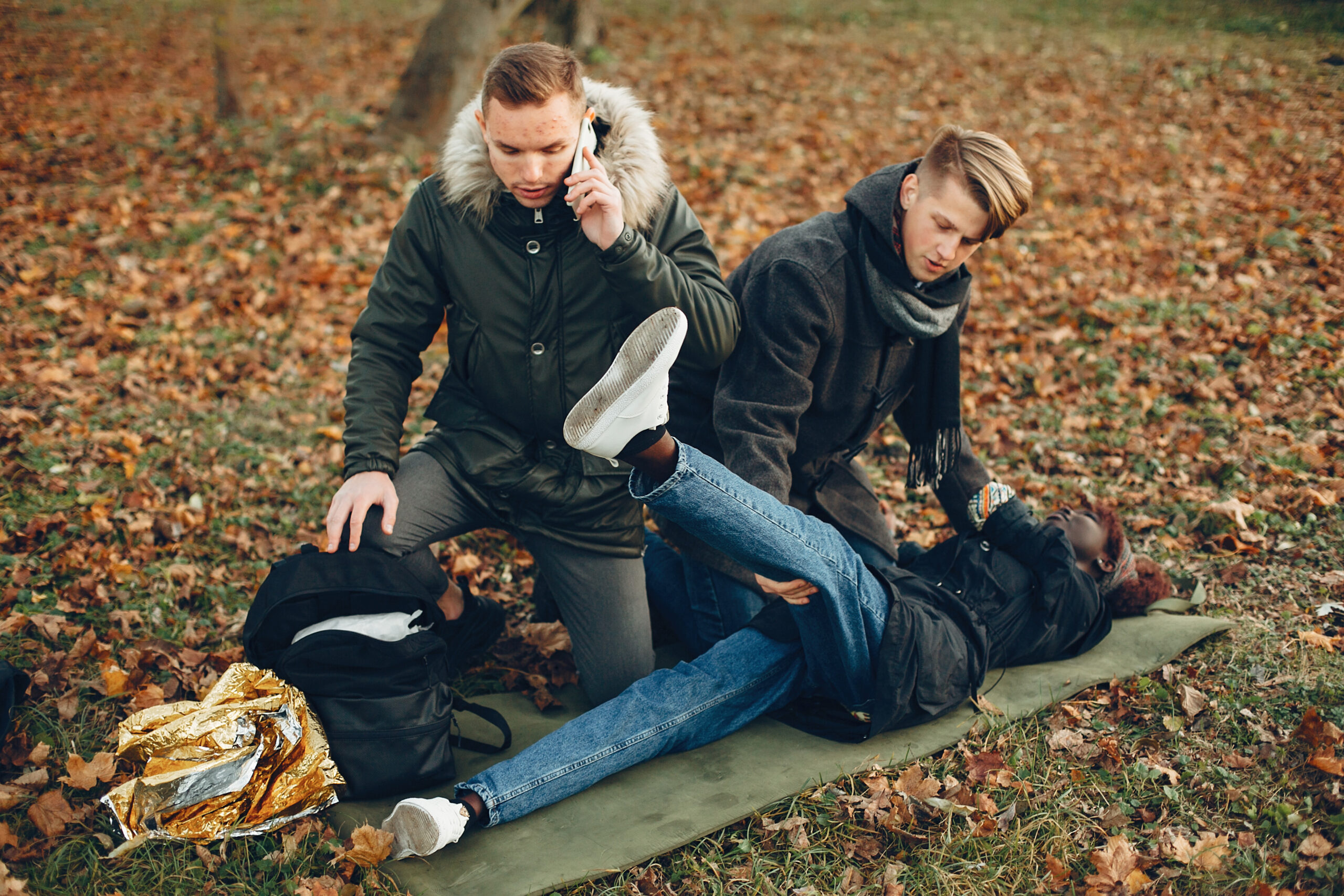
Immediately following an injury, your first step should always be to seek medical attention. Quick treatment not only benefits your own well-being, but also generates documentation that links your injuries to the event. When you wait, it’s simpler for someone to say that your injuries originated somewhere else.
You need to inform the park officials. This report gets the incident on paper and establishes that the park had an opportunity to make it right. If there is an incident, don’t forget to request a copy of your incident report.
Be sure to photograph the scene, your injuries, and any surrounding hazards, such as cracked pavement, loose railing, or debris. If possible, obtain the names and contact information of witnesses. Their statements can support your case thereafter.
Formal Notice
If it’s a government-run park, you’ll likely need to file a formal Notice of Claim before initiating a personal injury lawsuit. This step is critical for injury victims, as it informs the government entity that you intend to pursue damages and allows them an opportunity to respond or resolve the issue. This process is particularly important when dealing with premises liability claims related to public park injuries.
This step is time sensitive. For example, in New York, you have only 90 days from the injury to submit this notice. Missing this deadline, even by one day, means you lose your right to any compensation forever. This deadline is separate from the statute of limitations, which is the ultimate deadline to file the personal injury claim itself in court.
Bypassing this step or filing late can lead to the dismissal of your case, regardless of how solid your evidence is, making it essential to understand your legal options in personal injury cases.
Gathering Proof
Leverage every instrument to construct your case. Collect evidence such as pictures, your medical documentation, and the accident report. Make sure you obtain written statements from any witnesses. These facts demonstrate what happened and how it harmed you. Medical records are crucial because they connect your injuries directly to the accident in the park.
If you stumbled on a fractured sidewalk or were injured by debris, record these dangers. If other people have grumbled about the same risk, attempt to obtain those records. That helps demonstrate the park was aware of the risk.
Strict Deadlines
Be aware of the Notice of Claim and lawsuit deadlines. The Notice of Claim is due in as little as 90 days, and the statute of limitations for a lawsuit is 180 days or more, depending on where you live. These regulations differ from country to country as well as by region.
Miss these dates, and you could lose your right to sue, regardless of how badly you are hurt. Always check the rules for your area. Sovereign immunity laws will likely bar your case unless your situation falls under an exception, such as the government acting like a business or failing to maintain public spaces.
Conclusion
You encounter real dangers at parks and public areas. Regulations might protect the city or state, but those protections are not foolproof. If you want to say they screwed up, you need rock-solid evidence. Concrete evidence, such as broken steps or overlooked signage, supports your side. What you do matters as well; hazardous maneuvers can damage your lawsuit. Think of a playground swing missing bolts or a trail with no warning for loose rocks. You can sue if you see genuine neglect. Laws have short time limits, so act quickly. Each case is different and feels personal, so contact an attorney who understands these cases. Find answers that fit your specific facts. Your voice counts; request, read, and advocate for safe, equitable parks for everyone.
Frequently Asked Questions
1. Can You Sue For Injuries At A Public Park?
Yes, you can file a personal injury claim if you were injured due to a government entity’s negligence. Special legal rules often apply, and these public park injury claims may involve immunity protections.
2. What Is Governmental Immunity?
Governmental immunity limits liability claims against government entities for public park injuries, making it challenging for injury victims to seek justice.
3. When Does Governmental Immunity Not Apply?
Immunity would not apply if the government entity knew about a dangerous condition and failed to repair it or warn lawful visitors, making public park injuries a serious concern under personal injury law.
4. What Must You Prove To Win A Park Injury Claim?
You must demonstrate that the government entity was negligent in maintaining the public park, which directly led to your park injury claims and subsequent personal injury lawsuit.
5. Does Your Own Conduct Affect Your Claim?
Yes. If you violated park rules or were negligent, your personal injury claim could be rejected or discounted. Be sure to heed any posted signs or warnings in public parks.
6. What Is A Hidden Liability In Parks?
Concealed risks, such as uneven terrain or defective apparatus in public parks, can lead to serious injuries. If the government entity was aware of these dangerous conditions and took no action, you might have a premises liability claim.
7. How Do You Start A Claim For A Park Injury?
You typically have to file some sort of special notice regarding your personal injury claim with the government before suing. Deadlines are short, a few months in most cases, so do it quickly and seek legal help.