

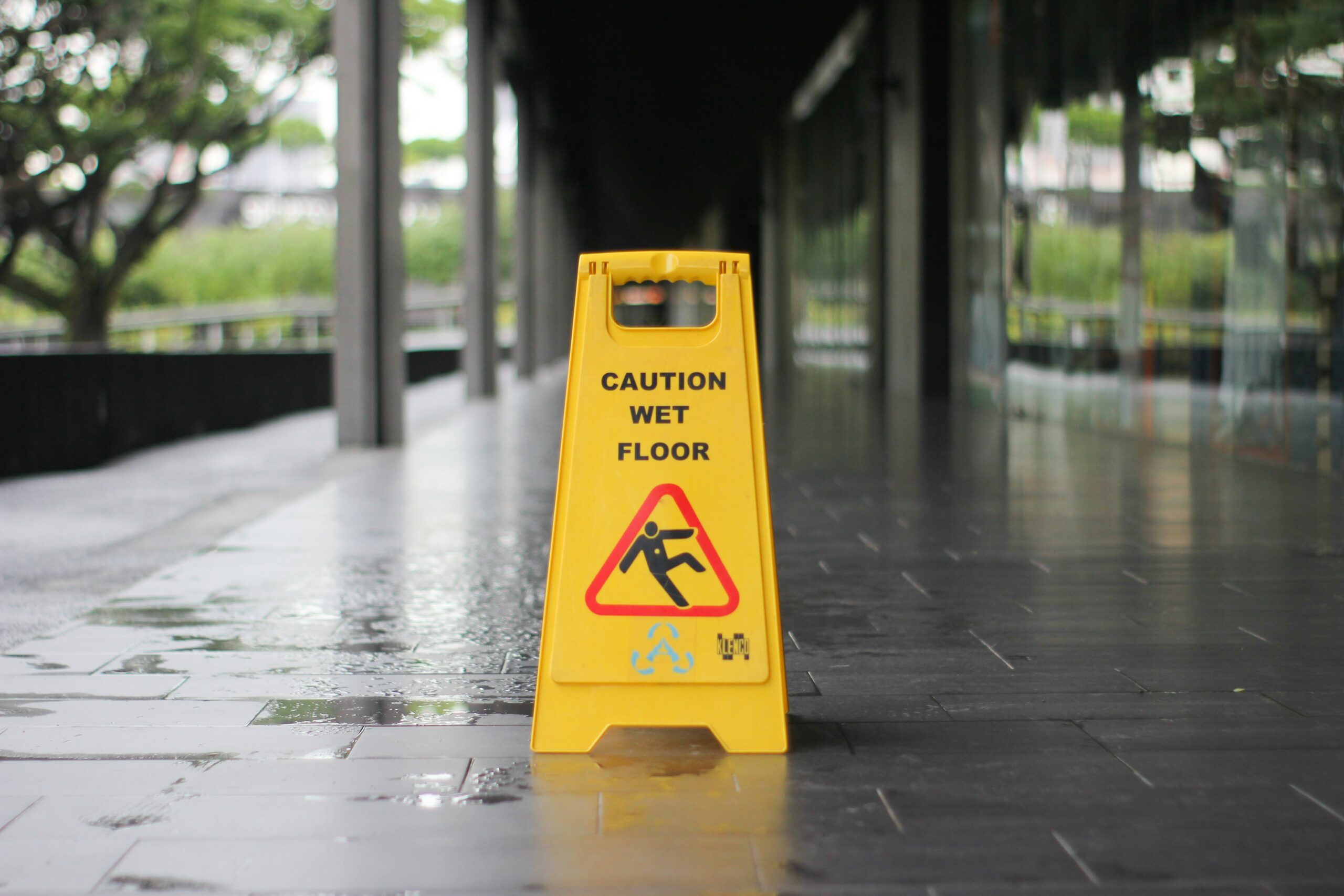
A slip and fall can happen in seconds, but the resulting injuries may affect you for weeks, months, or even years. Wet floors are among the most common hazards in grocery stores, restaurants, office buildings, apartment complexes, shopping centers, hotels, and other properties. When a dangerous condition exists, property owners and businesses may have a responsibility to take reasonable steps to protect visitors from foreseeable harm.
In many situations, the answer may be yes. The absence of a warning sign can be important evidence that a property owner, business, or manager failed to adequately warn visitors about a known or reasonably discoverable hazard. The lack of a wet floor sign does not automatically establish liability. A successful slip and fall claim generally requires evidence beyond the fact that the floor was wet and no warning was present.
The circumstances surrounding the accident matter. You may need to establish that a dangerous condition existed, that the responsible party knew or reasonably should have known about it, and that the party failed to take reasonable steps to correct the hazard or warn visitors. Your injuries, the cause of the fall, available evidence, and applicable state law can also affect the strength and value of your claim.
You should not assume you have no case simply because the property owner says the wet floor was unavoidable or employees claim they did not know about the spill. At the same time, the absence of a warning sign does not automatically guarantee compensation.
Key Takeaways
- A missing wet floor sign can be important evidence in a slip-and-fall case, but it does not automatically establish negligence.
- Property owners and businesses may have a duty to maintain reasonably safe premises and warn visitors about dangerous conditions.
- You may have a claim when the responsible party knew or reasonably should have known about the wet floor but failed to correct it or provide an adequate warning.
- Evidence such as photographs, videos, incident reports, surveillance footage, witness information, medical records, and maintenance records can help establish what happened.
- The source of the water, how long the hazard existed, where the accident occurred, and whether employees had an opportunity to discover it may all affect the claim.
- Comparative or contributory negligence rules may affect the amount of compensation you can recover.
- Depending on the applicable law and circumstances, compensation may include medical expenses, lost income, pain and suffering, and other losses.
- Speaking with a slip and fall attorney promptly can help protect evidence and clarify whether you may have a viable claim.
Why Does A Wet Floor Sign Matter In A Slip And Fall Case?
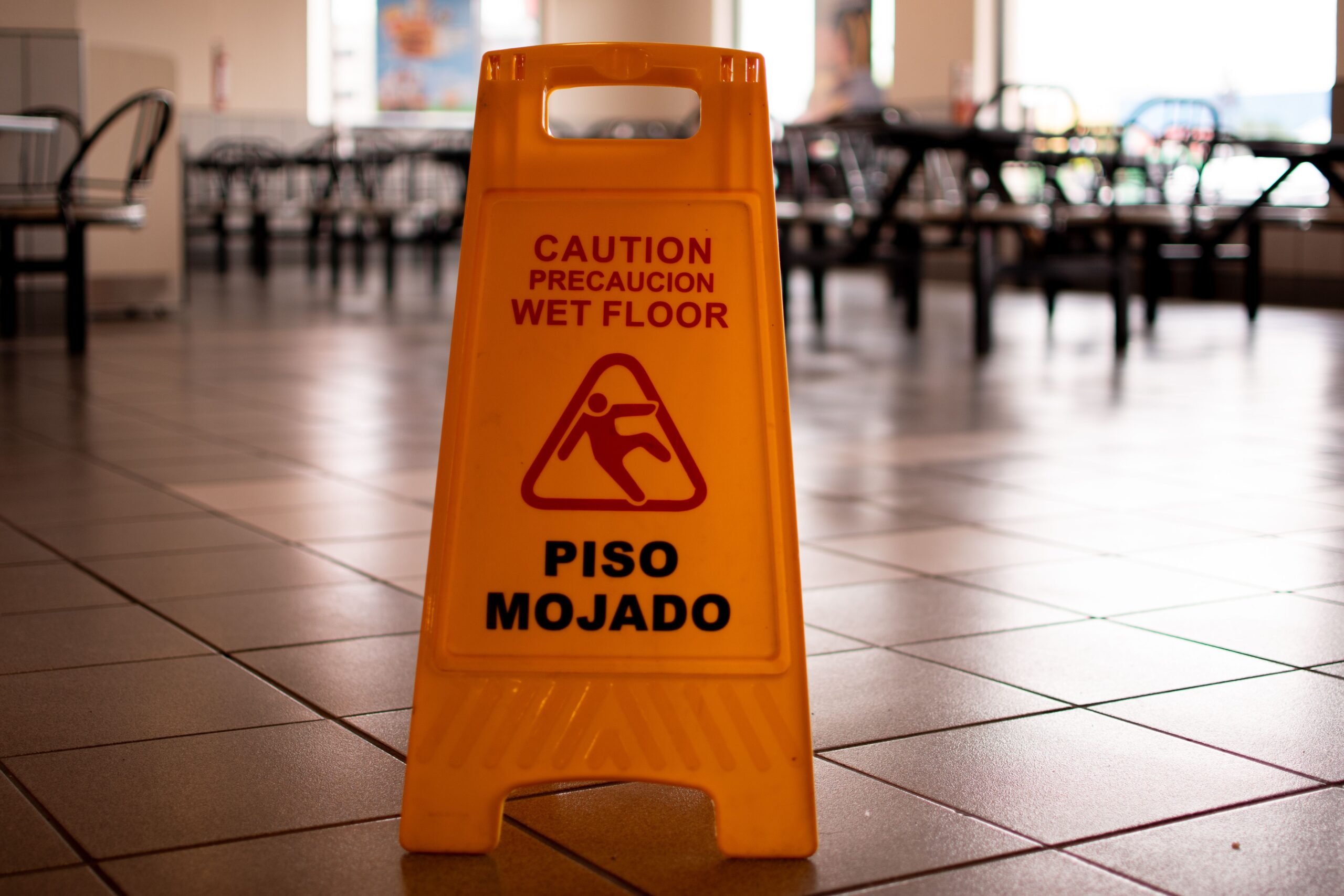
Wet floor signs exist to warn people that a walking surface may be dangerous. A person entering a store or other property may reasonably expect to walk across the floor without encountering an unexpected slippery surface. When employees mop a floor, clean a spill, or become aware of water or another slippery substance, placing a visible warning sign may be one reasonable way to alert customers and other visitors.
For example, suppose a grocery store employee discovers a leaking refrigerator and begins cleaning water from the floor. Instead of blocking the area or placing warning signs around the wet surface, the employee leaves the floor damp while continuing other duties. A customer walks through the area without seeing the water, slips, and suffers a serious back injury.
The absence of a warning sign could be relevant when determining whether the store took reasonable precautions. The analysis does not stop with the sign. Investigators, insurers, and courts may also examine why the floor was wet, how long the condition existed, whether anyone knew about it, whether employees had an opportunity to discover it, and what precautions were taken.
Does The Absence Of A Wet Floor Sign Automatically Mean The Property Owner Was Negligent?
No. A missing warning sign can support a premises liability claim, but it does not automatically prove negligence. Although the precise requirements vary by state, a claimant often needs to establish that a dangerous condition existed, that the property owner, business, occupier, or another responsible party had a legal duty concerning the safety of the premises, and that the responsible party knew or reasonably should have known about the condition.
The claimant may also need to show that the responsible party failed to take reasonable steps to correct the hazard or provide an adequate warning, that the dangerous condition caused the accident, and that the accident resulted in legally compensable injuries or losses. A wet floor sign can be relevant to whether an adequate warning was provided, but other facts may be equally important.
Who May Be Responsible For A Wet Floor Accident?
The responsible party depends on where and how the fall occurred. Potentially responsible parties can include a retail store, restaurant, grocery store, property owner, landlord, property management company, hotel, apartment complex, office building, government entity, or another party responsible for maintaining the premises.
More than one party may share responsibility. For example, a commercial property could be owned by one company, leased by another, and maintained by a third-party cleaning contractor. If a cleaning company leaves a slippery surface without an appropriate warning while the property operator also fails to address the hazard, determining responsibility may require examining each party’s role.
What If The Property Owner Says They Did Not Know The Floor Was Wet?
Lack of actual knowledge does not necessarily end a slip-and-fall claim. A central issue in many premises liability cases is whether the responsible party knew or reasonably should have known about the dangerous condition. This involves the distinction between actual and constructive notice. Actual notice generally means that the property owner, manager, employee, or another responsible person was aware of the hazard, such as when an employee was told about a spill or personally saw water on the floor. Constructive notice generally concerns circumstances in which the hazard existed long enough, or was sufficiently apparent, that a reasonably responsible property operator should have discovered it.
Consider two different scenarios. In the first, a customer drops a bottle of water, the bottle breaks, and another customer slips almost immediately. The store may argue that employees had no reasonable opportunity to discover the spill. In the second, a pipe has been leaking for hours, employees repeatedly walk past the area, customers report the water, and no one places a warning sign or addresses the problem. Those facts may provide stronger evidence that the business should have known about the hazard. Because notice requirements differ among jurisdictions, a premises liability lawyer can assess the applicable legal standard and available evidence.
How Long Did The Wet Floor Exist?
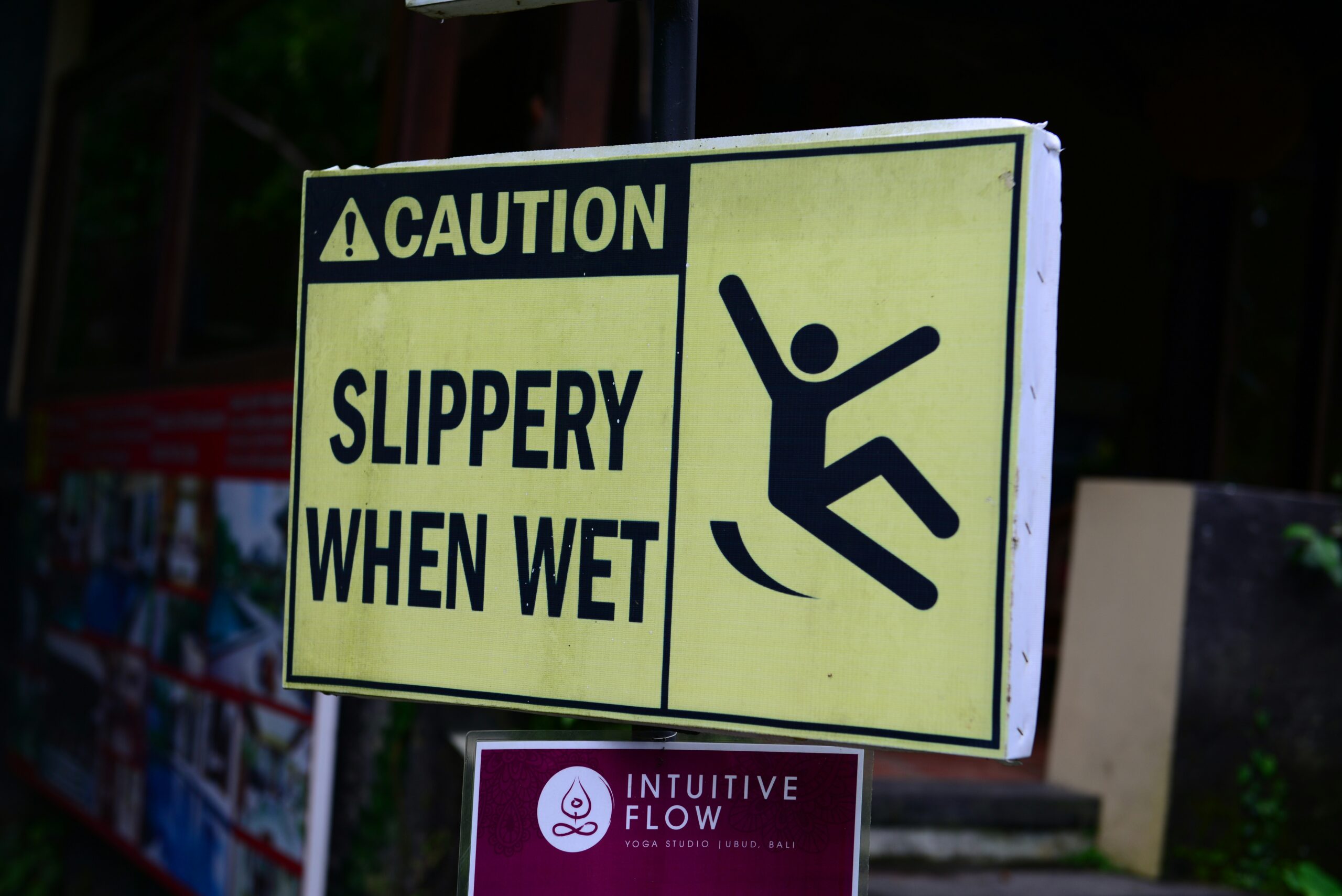
The length of time a dangerous condition existed can be a critical issue. Property owners cannot necessarily prevent every hazard the instant it appears. Drinks can spill, pipes can break, rain can enter buildings, and cleaning activities can temporarily create slippery surfaces. The more important question may be whether the responsible party had a reasonable opportunity to discover and address the hazard.
Evidence that may help establish how long a wet floor existed includes surveillance footage, employee statements, customer complaints, incident reports, maintenance records, cleaning schedules, inspection logs, digital timestamps, photographs or videos, receipts showing when you entered the property, witness accounts, and evidence of recurring leaks or drainage problems.
What If The Floor Was Wet Because Employees Were Cleaning?
Cleaning activities don’t necessarily eliminate a property owner’s responsibility to protect visitors. Businesses routinely mop, sanitize, wash, and clean floors, but these activities can temporarily make walking surfaces slippery. Reasonable safety precautions may include using visible warning signs, blocking the affected area, directing customers around the wet surface, or waiting until the floor is sufficiently dry before allowing normal foot traffic.
If employees mop a busy walkway and leave it wet without a warning, an injured customer may question whether reasonable precautions were taken. The circumstances may include whether employees were actively cleaning, whether customers were still permitted to enter the area, whether the wet surface was visible, whether the area was blocked or barricaded, whether warning signs were used elsewhere, whether the business had cleaning and inspection procedures, whether employees followed those procedures, and whether the cleaning itself created the slippery condition.
What If There Was A Sign, But You Did Not See It?
A property owner may argue that a warning was present even if you did not notice it. That does not necessarily resolve the matter. The location, size, visibility, placement, and condition of the warning may be relevant. A sign positioned directly in front of a wet area and easily visible to approaching customers is different from a small sign hidden behind a display or positioned several feet away from the hazard.
Other circumstances may also matter. If merchandise blocked the sign, lighting was poor, the sign faced another direction, or the wet area extended beyond the portion identified by the warning, questions may remain about whether the warning was reasonably effective. Photographs of the accident scene can therefore be valuable. They may show the layout, location of the hazard, placement of signs, lighting, and other conditions that may not be apparent later.
What Should You Do Immediately After Slipping On A Wet Floor?
Your actions immediately after the accident can help protect your health and potential claim.
- Report the Accident: Notify a manager, property representative, security officer, or another responsible person as soon as reasonably possible and ask that the incident be documented. If the business creates an incident report, request information about obtaining a copy when appropriate. Explain what happened without making unnecessary statements about fault or speculating about whether you caused the accident.
- Photograph The Hazard: If you are physically able to do so, photograph the area where you fell from multiple angles. Capture the wet floor, surrounding area, warning signs or lack of signs, and the overall layout so the condition and visibility of the hazard are clear.
- Get Witness Information: If anyone saw you fall or observed the floor beforehand, obtain their names and contact information if possible. Witnesses may later recall details about the premises, employee activity, warning signs, or events immediately before the accident.
- Seek Medical Attention: Some slip-and-fall injuries are immediately apparent, while others become noticeable over the following hours or days. A medical evaluation can identify injuries that may not initially be obvious and create documentation connecting your symptoms to the accident. Follow medical instructions and attend recommended follow-up appointments.
- Preserve Your Clothing And Shoes: Don’t immediately discard the shoes or clothing you were wearing when you fell. Depending on the circumstances, these items may become relevant evidence by showing the condition of your footwear or whether liquid, cleaning chemicals, or another substance was present.
- Keep Your Records: Maintain medical bills, receipts, prescriptions, wage information, transportation expenses, insurance correspondence, and other documents related to the accident. These records can help demonstrate the financial impact of your injuries.
What Evidence Can Strengthen Your Slip-And-Fall Claim?
Strong evidence can make a significant difference in a premises liability case. Because wet floors can be cleaned and warning signs can be placed after an accident, evidence from the time immediately surrounding the fall may be particularly valuable.
- Surveillance Footage: Security camera footage may show when the wet condition appeared, how long it remained, whether employees saw or reported it, whether anyone placed a warning sign, and how the accident occurred. This can provide an objective record that supplements witness testimony and personal recollection.
- Photographs And Videos: Photos preserve the condition of the scene before it changes. Capturing the entire area rather than only the precise location of the fall can show whether the hazard was visible from a reasonable distance.
- Incident Reports: An internal accident report may document when the accident occurred, what employees knew at the time, and what actions were taken afterward.
- Witness Statements: People who were present may provide information about the wet floor, warning signs, employee conduct, and circumstances surrounding the fall.
- Maintenance and Inspection Records: Inspection logs, cleaning schedules, maintenance reports, and other business records may help establish whether reasonable safety procedures were followed.
- Medical Documentation: Medical records can demonstrate the nature and severity of your injuries, treatment received, and ongoing medical needs. Taken together, these forms of evidence can provide a clearer picture of the accident than relying on memory alone.
What Injuries Can Result From A Wet Floor Fall?
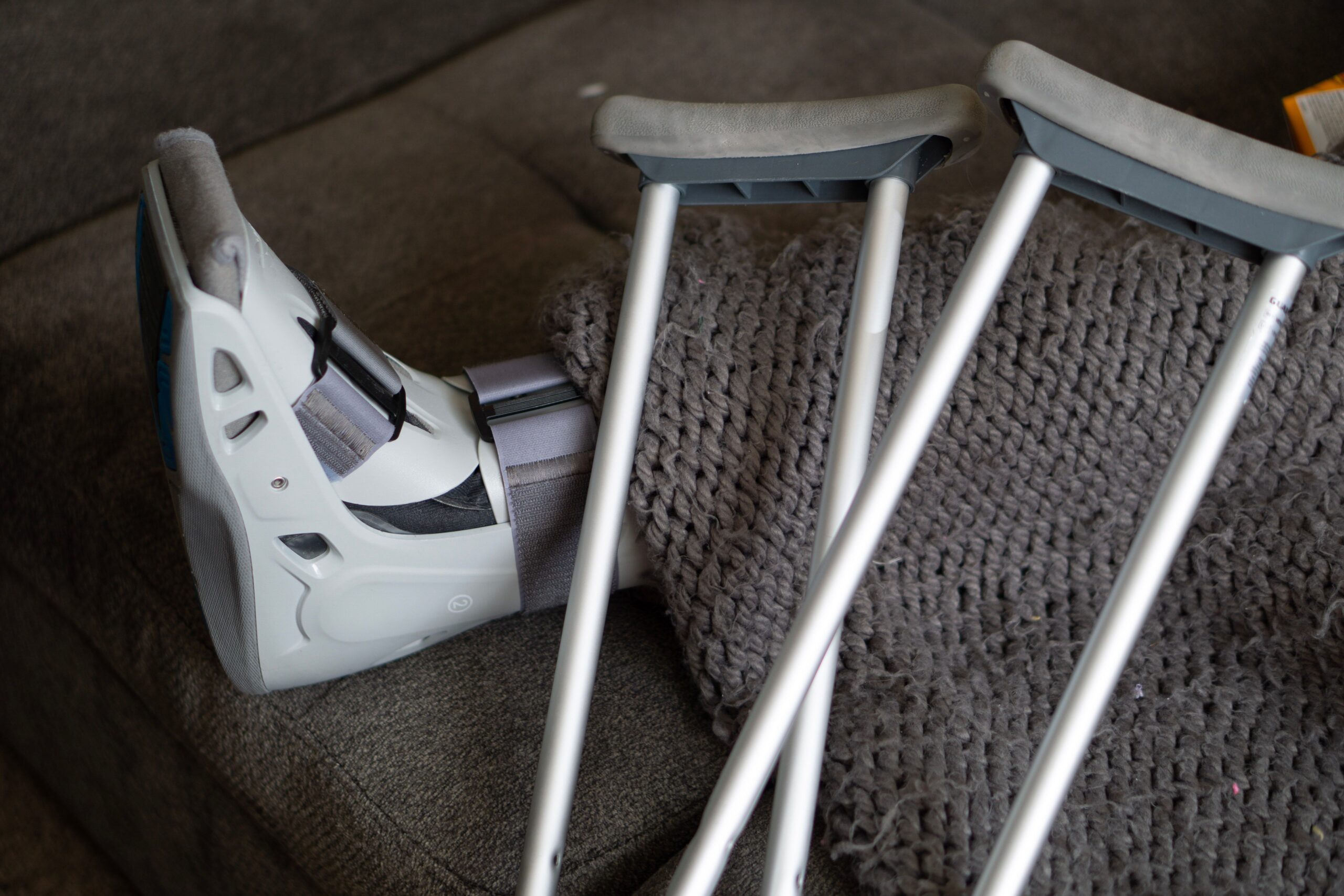
A wet floor can create a surprisingly serious risk. When someone suddenly loses traction, they may have little opportunity to brace themselves, and the resulting impact can injure different parts of the body.
Common injuries associated with slip-and-fall accidents include broken or fractured bones, sprains and strains, knee injuries, shoulder injuries, wrist injuries, ankle injuries, hip injuries, back injuries, neck injuries, head injuries, traumatic brain injuries, spinal injuries, and soft-tissue injuries.
The severity of an injury may depend on factors such as how the person fell, the surface they struck, and the nature of the impact. A seemingly minor fall can sometimes result in significant medical treatment, missed work, rehabilitation, or long-term limitations.
What Compensation May Be Available?
If your claim is successful, available compensation will depend on the facts of the case and the laws governing the claim. Potential damages may include medical expenses for emergency treatment, physician visits, diagnostic testing, medication, surgery, rehabilitation, physical therapy, and other necessary care. You may also be able to pursue lost wages if your injuries prevent you from working, while future lost earning capacity may become relevant if your ability to earn income remains affected.
A claim may also include pain and suffering for physical discomfort and the broader impact of the injury. Depending on the circumstances and applicable law, other losses can include transportation expenses, household assistance, long-term care, disability, or reduced quality of life. The value of a claim cannot be determined simply by adding medical bills. Injury severity and duration, effects on employment, future treatment needs, the degree of fault, available insurance coverage, and other factors may influence potential recovery.
Can The Property Owner Blame You For The Accident?
Property owners and insurance companies may argue that the injured person was partially or entirely responsible for the fall. They might claim, for example, that you were distracted, looking at your phone, running, wearing inappropriate footwear, ignoring a warning, or should have noticed the wet floor. Whether these arguments affect your claim depends on the evidence and law of the jurisdiction where the accident occurred.
Many jurisdictions follow some form of comparative negligence, under which compensation may be reduced according to a person’s percentage of responsibility. Other jurisdictions use different rules, including stricter approaches in certain circumstances. A property owner’s accusation, therefore, does not necessarily mean you cannot recover compensation. A slip-and-fall attorney can review the evidence and assess arguments involving comparative or contributory fault.
What If The Business Cleans The Floor After You Fall?
It is common for a business to clean a spill after an accident, but doing so can cause important evidence to disappear. The floor may dry, the spill may be wiped away, and a warning sign may be placed, changing the condition of the scene. Photographs, surveillance footage, witness information, and other contemporaneous evidence can therefore become especially important.
A legal representative may also take appropriate steps to preserve relevant evidence. For example, a request to preserve surveillance footage can be important because many security systems automatically overwrite older recordings. If you believe surveillance footage captured your fall, don’t assume the business will preserve it indefinitely.
What If You Were Injured In A Grocery Store?
Grocery stores present several potential slip-and-fall hazards. Produce departments can have water from misting systems or damaged products, refrigeration equipment can leak, customers can spill beverages, and employees may clean floors during business hours.
A store may have inspection procedures designed to identify and address these conditions. If you fall on an unmarked wet floor, relevant questions may include whether employees knew about the condition, how frequently the area was inspected, whether the store had received prior complaints, and whether the hazard was addressed promptly.
What If You Fell In An Apartment Building Or Rental Property?
Wet floor accidents can occur in apartment buildings, rental properties, common areas, stairways, hallways, lobbies, parking garages, and other shared spaces. Responsibility may depend on who controlled the area and who was responsible for maintenance. A landlord may be responsible for certain common areas, while a tenant may be responsible for conditions inside an individual unit. A property management company or maintenance contractor could also have responsibilities under a lease, contract, or applicable law.
What If The Accident Happened Outside?
Not every slip-and-fall involving water occurs indoors. Rainwater, irrigation, drainage problems, melting ice, leaks, and other conditions can create slippery outdoor surfaces. Outdoor premises liability cases may involve additional questions concerning weather, drainage, property design, inspections, warnings, and whether the condition was natural or created by human activity.
For example, an owner’s responsibilities may differ depending on whether someone slipped because of ordinary rainfall, a malfunctioning irrigation system, or a leaking pipe that created an unusually dangerous condition. The precise circumstances matter.
How Insurance Companies May Evaluate Your Claim
After a slip-and-fall, an insurance company may investigate the accident on behalf of the property owner or business. An adjuster may ask where you were walking, why you were on the property, what caused the fall, whether you saw the wet floor or a warning sign, what shoes you were wearing, whether anyone witnessed the accident, whether you received medical treatment, whether you have prior injuries, and whether you missed work.
These questions don’t necessarily mean you lack a valid claim. Statements made to an insurer can potentially be used when evaluating liability or damages. Be accurate and truthful while avoiding speculation or minimizing your injuries. If an insurer asks you to provide a recorded statement or sign documents, consider obtaining legal advice first so you understand what you are agreeing to.
Why You Should Not Wait Too Long To Speak With A Lawyer
Time can work against a slip-and-fall claim. Surveillance footage may be overwritten, witnesses may become difficult to locate, memories can fade, and maintenance records may become harder to obtain.
There may also be a legal deadline for filing a personal injury lawsuit, commonly called a statute of limitations. The deadline varies by jurisdiction and claim type. Claims involving government entities can also involve additional notice requirements and shorter deadlines.
Waiting until a deadline approaches can significantly limit your options. Speaking with a slip-and-fall lawyer early can help you understand the applicable deadline and identify evidence that should be preserved.
When Should You Contact A Slip-And-Fall Lawyer?
You may want to speak with a lawyer if your fall caused significant injuries, required emergency treatment, resulted in missed work, or created ongoing medical problems. Legal guidance may also be useful when the property owner denies responsibility, the business claims a warning sign was present, the cause of the wet floor is disputed, surveillance footage may exist, witnesses saw the accident, the property owner blames you, multiple businesses or contractors may be responsible, your injuries require extensive treatment, an insurance company has offered a settlement, or you are unsure whether you have a valid premises liability claim. A consultation can help you understand whether the facts support a claim and what steps may be appropriate next.
How A Slip-And-Fall Lawyer Can Help

A slip-and-fall lawyer can investigate the circumstances surrounding your accident rather than relying solely on the property owner’s version of events. Depending on the case, an attorney may investigate the source of the wet floor, identify responsible parties, collect photographs and witness information, review surveillance footage, examine incident reports and maintenance records, communicate with insurers, calculate damages, and negotiate for appropriate compensation.
If a fair resolution cannot be reached, an attorney may also evaluate whether litigation is appropriate. The goal is not simply to establish that you fell. A strong premises liability case generally requires connecting the dangerous condition to the responsible party’s legal duty, failure to take reasonable precautions, and your resulting injuries and losses.
Conclusion
In many circumstances, yes. The absence of a warning sign can be important evidence, particularly when a property owner, business, or other responsible party knew or reasonably should have known about a dangerous wet condition and failed to correct it or provide an adequate warning.
The missing sign is only one part of the case. The circumstances surrounding the hazard, how long it existed, who knew about it, whether reasonable safety procedures were followed, whether the hazard was visible, and how the accident caused your injuries can all affect whether you have a viable premises liability claim. If you were injured, take the situation seriously. Report the accident, document the scene, identify witnesses, seek appropriate medical care, preserve relevant records, and avoid assuming that the property owner’s explanation is the final word.
Because premises liability laws and filing deadlines vary by jurisdiction, obtaining advice from a qualified slip-and-fall attorney can help you understand your rights and determine what options may be available. If your injuries have resulted in substantial medical bills, lost income, pain, or other losses, a timely legal evaluation may help determine whether pursuing compensation is appropriate.
Frequently Asked Questions
1. Can I Sue If I Slipped On A Wet Floor With No Warning Sign?
Potentially. A missing warning sign may support an argument that a property owner or business failed to take reasonable precautions, but it does not automatically establish liability. Your claim may depend on whether the responsible party knew or should have known about the hazard, had enough time to address it, and whether the condition caused your injuries.
2. What If The Property Owner Says The Spill Happened Only Moments Before I Fell?
The timing of the spill can be important. If the dangerous condition appeared only moments before the accident and the property owner had no reasonable opportunity to discover it, proving negligence may be more difficult.
3. What Evidence Should I Collect After A Wet Floor Accident?
If you are physically able, photograph the wet area, surrounding floor, warning signs or lack of signs, and overall layout. Obtain witness information, report the accident, preserve your clothing and shoes, and keep medical and expense records. Surveillance footage, incident reports, inspection logs, and maintenance records may also become important evidence.
4. Can I Still Recover Compensation If The Property Owner Says I Was Partly Responsible?
Possibly. Depending on the jurisdiction, comparative or contributory negligence rules may affect whether you can recover and how much compensation may be available. An allegation that you were partly responsible does not necessarily invalidate your claim.
5. How Soon Should I Contact A Slip-And-Fall Lawyer?
It is generally best to seek legal guidance as soon as reasonably possible after a serious slip-and-fall. Prompt action can help preserve surveillance footage, identify witnesses, document the accident scene, collect relevant records, and determine applicable filing deadlines.