

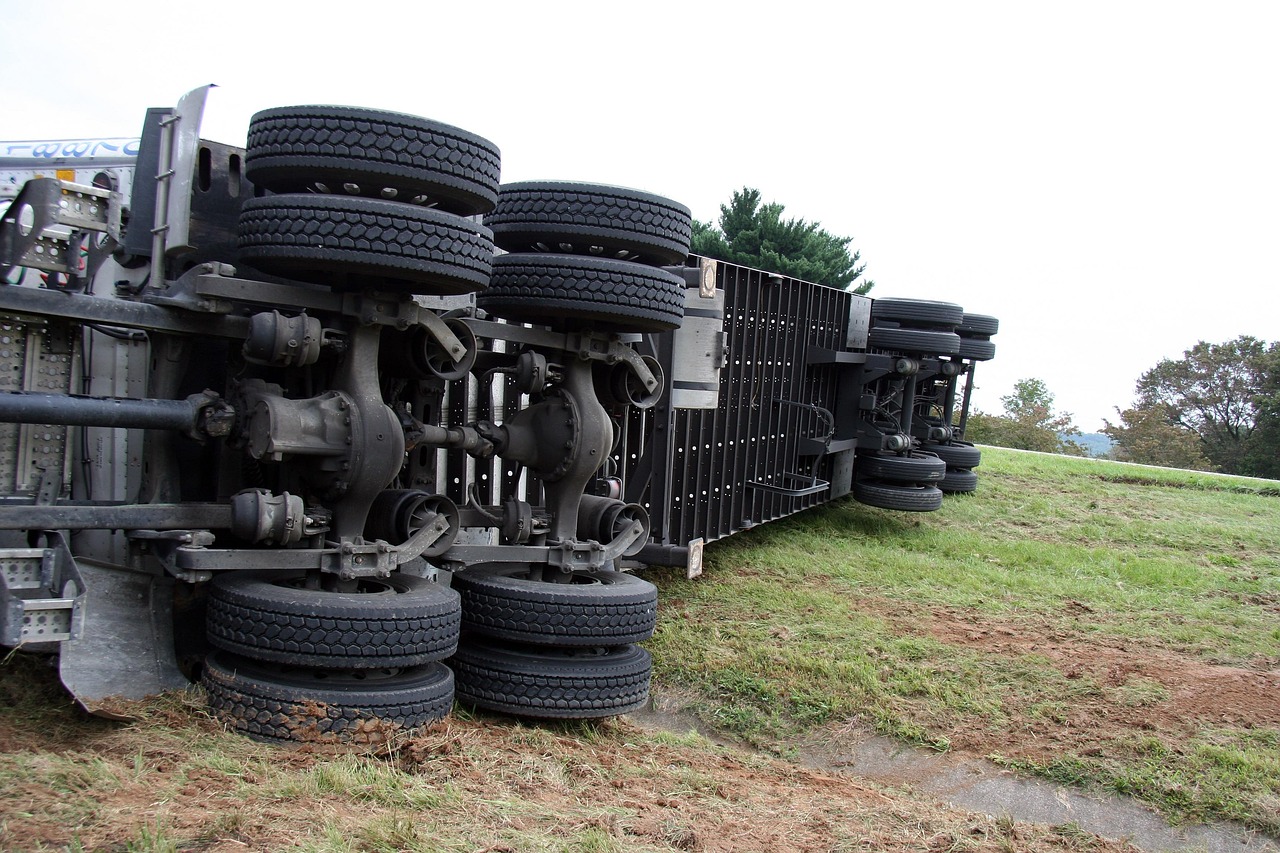
Driver fatigue is a serious concern in commercial trucking. Long hours on the road, demanding delivery schedules, insufficient sleep, irregular work patterns, and pressure to meet deadlines can leave a truck driver too tired to operate safely. When fatigue contributes to a collision, the consequences can be devastating. A fully loaded tractor-trailer can weigh many times more than a passenger vehicle, meaning a fatigued driver’s mistake can result in catastrophic injuries or fatalities.
But how can driver fatigue affect liability in a truck accident?
The answer depends on what caused the driver’s fatigue, whether trucking regulations were followed, what the driver and trucking company knew, and whether another party’s negligence contributed to the crash. In some cases, liability may extend beyond the driver to the trucking company or other parties involved in the operation, maintenance, loading, or dispatch of the commercial vehicle.
For an injured person, proving fatigue can require a detailed investigation. A truck accident lawyer may examine electronic logging information, driving schedules, dispatch communications, GPS records, employment records, inspection documents, witness statements, crash evidence, and other information to determine whether the driver was operating while dangerously fatigued.
At Phoenix Injury Attorneys, we understand that commercial truck accident claims can involve complicated questions about driver conduct, trucking company practices, and multiple potentially responsible parties. Led by Khalil Chuck Saigh, our Arizona-based firm investigates truck crashes and works to identify the evidence needed to pursue compensation for injured victims.
If you were injured in a collision involving a commercial truck, understanding how fatigue can affect liability may help you recognize why a prompt legal investigation matters.
Key Takeaways
- Driver fatigue can affect reaction time, attention, judgment, decision-making, and the ability to safely operate a commercial vehicle.
- A fatigued truck driver may be liable when fatigue results from negligent conduct that contributed to the collision.
- A trucking company may also potentially face liability when its practices contributed to driver fatigue or encouraged unsafe driving.
- Hours-of-service rules are important evidence in many commercial trucking investigations, but proving fatigue is not necessarily limited to showing a technical violation.
- Electronic logging information, GPS records, dispatch communications, schedules, and other evidence may help establish how long a driver had been working or driving.
- Truck accident cases may involve multiple potentially responsible parties, including drivers, trucking companies, maintenance providers, cargo handlers, and other entities.
- Insurance companies may investigate a serious truck accident quickly, making early evidence preservation particularly important.
- An experienced truck accident attorney can investigate the circumstances of a crash and determine whether fatigue, regulatory violations, or company practices contributed to the accident.
Why Driver Fatigue Is Dangerous for Truck Drivers
Driving a commercial truck requires constant attention. A truck driver must monitor traffic, maintain a safe following distance, manage a large vehicle, watch for changing road conditions, anticipate the actions of other motorists, and make decisions that can affect everyone nearby.
Fatigue can interfere with those responsibilities.
A tired driver may have slower reaction times and reduced alertness. Fatigue can also affect concentration and decision-making. A driver who is struggling to stay awake may fail to notice stopped traffic, drift from a lane, misjudge another vehicle’s position, or react too slowly to an unexpected hazard.
The risks can become particularly serious at highway speeds.
Commercial truck drivers may travel long distances and operate through nighttime hours, early mornings, weekends, and other periods when maintaining a normal sleep schedule can be difficult. Even when a driver believes they are capable of continuing, fatigue can impair performance.
For an injured person, the important legal question is not simply whether the driver was tired. The investigation must determine whether fatigue played a role in the crash and whether the driver’s or another party’s conduct amounted to negligence under the circumstances.
How Fatigue Can Cause a Truck Accident
Driver fatigue can contribute to different types of dangerous driving behavior.
Slower Reaction Times
A fatigued driver may need more time to respond to sudden changes in traffic. If a vehicle stops ahead, a driver who is tired may not recognize the danger quickly enough to brake or maneuver safely.
With a commercial truck’s considerable size and weight, even a short delay can increase the severity of a collision.
Reduced Attention
Fatigue can make it difficult to maintain consistent attention to the road.
A driver may overlook a vehicle entering a blind spot, miss a changing traffic signal, fail to notice road debris, or otherwise become less aware of surrounding conditions.
Lane Departure
A tired truck driver may drift within a lane or unintentionally cross lane markings.
When a large commercial vehicle leaves its lane, it can strike passenger vehicles traveling nearby or create a chain-reaction crash.
Falling Asleep Behind the Wheel
The most obvious fatigue-related risk is falling asleep while driving.
Even a brief period of sleep or loss of consciousness can cause a truck to travel a significant distance without meaningful driver control.
Poor Decision-Making
Fatigue can also affect judgment.
A driver may make unsafe decisions about speed, following distance, lane changes, passing, or stopping. These decisions can become especially dangerous when combined with poor weather, heavy traffic, construction zones, or unfamiliar roads.
How Can Driver Fatigue Affect Liability in a Truck Accident?
Driver fatigue can become relevant to liability when evidence shows that the driver’s tiredness contributed to the collision and resulted from negligent conduct.
For example, if a driver knowingly continues driving despite being too fatigued to operate safely, that conduct may become part of the liability analysis.
Other circumstances may involve the trucking company.
A company may have responsibilities related to scheduling, supervision, training, compliance, and the safe operation of its vehicles. If company practices contributed to a driver operating while excessively fatigued, the company could potentially become part of the investigation.
The specific legal analysis depends on the facts.
An attorney may need to determine:
- How long the driver had been awake
- How much sleep the driver had received
- How long the driver had been driving
- How long the driver had been working
- Whether required rest periods were taken
- Whether the driver’s records accurately reflected actual activity
- Whether the driver was pressured to meet a deadline
- Whether dispatch instructions affected the driver’s schedule
- Whether the trucking company knew about fatigue concerns
- Whether the driver had a history of fatigue-related safety concerns
- Whether other circumstances contributed to the crash
This is why truck accident cases can be substantially more complicated than ordinary passenger-vehicle collisions.
What Are Hours-of-Service Rules?
Federal and state commercial trucking regulations can limit how long certain commercial drivers may drive and require periods of rest.
These requirements are commonly referred to as hours-of-service rules.
The purpose of these rules includes reducing the risk associated with operating commercial vehicles while excessively fatigued. Depending on the type of operation and driver, different requirements may apply.
A truck accident lawyer may review available records to determine whether the driver complied with applicable requirements.
However, an important distinction exists: compliance with hours-of-service requirements does not necessarily mean a driver was safe to drive at the time of a collision.
A driver can potentially be fatigued for reasons that are not fully reflected by driving hours alone. Poor sleep, illness, irregular schedules, overnight work, certain medications, or other circumstances can affect alertness.
Conversely, a technical record violation does not by itself answer every question about how the accident happened.
The evidence must be considered as a whole.
What Evidence Can Show That a Truck Driver Was Fatigued?
Proving fatigue can be challenging because a driver may not admit they were too tired to drive.
Fortunately, an investigation does not necessarily depend on the driver’s statement.
Several types of evidence may help establish whether fatigue was a contributing factor.
Electronic Logging Device Data
Electronic logging devices can provide important information concerning a commercial driver’s activity.
Depending on the available records and circumstances, an investigation may compare electronic logs with other information to determine whether the driver’s reported activity appears consistent with the driver’s actual movements.
Discrepancies can become relevant when investigating possible fatigue or hours-of-service violations.
GPS and Vehicle Tracking Data
GPS and telematics information may help establish where a truck traveled and when it traveled there.
This information can sometimes be compared with driver logs, dispatch instructions, delivery schedules, fuel purchases, toll records, and other documentation.
Dispatch Records
Communications between a driver and trucking company may provide information about scheduling and delivery expectations.
Messages could potentially show when a driver was instructed to make a delivery, whether a deadline was unusually demanding, or whether the driver reported fatigue or difficulty maintaining a schedule.
Delivery and Shipping Records
Bills of lading, delivery schedules, pickup records, and related documents may help reconstruct the driver’s workday.
This can be useful when determining how long the driver had been working before the crash.
Fuel and Toll Records
Fuel purchases and toll transactions can provide additional evidence concerning the truck’s movements.
When combined with other records, these details may help investigators establish a timeline.
Witness Statements
Witnesses may have observed the truck before or during the collision.
For example, another motorist may report that the truck repeatedly drifted within its lane, nearly struck another vehicle, or appeared to have difficulty maintaining control.
Such testimony does not automatically prove fatigue, but it can provide valuable evidence about the driver’s behavior.
Video Footage
Dashcams, traffic cameras, business surveillance systems, and other video sources may capture a truck’s movements before a crash.
Video can sometimes show lane departures, delayed reactions, sudden braking, or other behavior consistent with impaired alertness.
Because many surveillance systems automatically overwrite older footage, prompt preservation can be important.
Can a Trucking Company Be Liable for a Fatigued Driver?
Potentially.
A trucking company may be investigated when its own conduct contributed to an accident.
For example, questions may arise concerning whether the company:
- Properly screened the driver
- Provided appropriate training
- Properly supervised the driver
- Maintained accurate records
- Followed applicable safety requirements
- Created unreasonable scheduling demands
- Ignored known safety concerns
- Encouraged or pressured unsafe driving practices
- Failed to respond appropriately to reports of fatigue
The exact legal theory depends on the relationship between the driver and company and the facts of the accident.
A company is not automatically liable simply because one of its drivers caused a crash. Establishing company liability requires evidence supporting the applicable legal theory.
This makes a detailed investigation particularly important.

What If a Driver Violated Hours-of-Service Rules?
A violation of hours-of-service requirements may become important evidence in a truck accident case.
Suppose a driver exceeded applicable driving limitations before a collision. If evidence also indicates that the driver was fatigued and that fatigue contributed to the accident, the violation may strengthen the case that negligent conduct played a role.
However, a violation does not automatically establish every element of a personal injury claim.
The injured person’s attorney may still need to establish how the conduct contributed to the collision and how the collision caused the claimed injuries and losses.
The investigation may also examine whether the trucking company knew or should have known about the violation.
For example, if a company’s records show repeated discrepancies between electronic logs and actual driving activity, questions could arise about supervision and compliance practices.
What If the Trucking Company Encouraged the Driver to Keep Driving?
Scheduling and delivery pressures can become relevant when investigating fatigue.
A driver may feel pressure to complete a delivery on time even when doing so requires continuing to drive while tired. In some cases, communications between the driver and company may provide evidence about those pressures.
This does not mean every late delivery or demanding schedule creates liability.
Instead, the investigation should determine whether the company’s conduct contributed to unsafe driving and whether the applicable legal requirements for liability are satisfied.
Records can be especially important.
A trucking accident attorney may seek relevant communications, dispatch records, schedules, driver logs, and other evidence to understand what happened before the crash.
Can a Truck Driver Be Personally Liable for a Fatigue-Related Crash?
A truck driver may potentially be liable when negligent driving contributes to an accident.
For example, a driver who knowingly operates a commercial vehicle while dangerously fatigued may face legal consequences if that conduct contributes to injuries.
However, determining liability is fact-specific.
The investigation should consider whether the driver had reason to know they were too fatigued to drive, whether they violated applicable rules, whether another party contributed to the driver’s condition, and whether the driver’s conduct caused the collision.
The driver’s employment relationship can also matter because other parties may potentially have legal responsibility depending on the circumstances.
What Other Parties Could Be Involved in a Truck Accident Claim?
Commercial trucking accidents can involve multiple entities.
The truck driver and trucking company are obvious parties to investigate, but they may not be the only ones.
Depending on the circumstances, an investigation could involve:
- Vehicle owners
- Leasing companies
- Freight carriers
- Transportation brokers
- Maintenance providers
- Cargo-loading companies
- Manufacturers
- Other contractors
- Government or roadway entities in certain circumstances
For example, if improperly loaded cargo caused a truck to become unstable, the company responsible for loading the vehicle could potentially become relevant.
If a mechanical failure contributed to the collision, maintenance records and repair history may need to be investigated.
If a defective component caused or contributed to the crash, product liability questions could arise.
Identifying all potentially responsible parties can be important because the availability of insurance coverage and the legal basis for a claim may differ from one party to another.
Why Truck Accident Cases Require Early Investigation
Evidence related to a commercial truck accident may not remain available indefinitely.
Electronic data can be overwritten. Video recordings can be deleted through automatic retention systems. Vehicles can be repaired, altered, sold, or moved. Witnesses can become difficult to locate, and memories can fade.
This is particularly important when fatigue is suspected.
Evidence concerning a driver’s schedule and activity may exist across multiple systems. The longer an investigation is delayed, the more difficult it can become to reconstruct the driver’s activities before the crash.
A truck accident lawyer can identify potentially relevant evidence and take appropriate steps to preserve or obtain it.
What Should You Do After a Truck Accident?
If you are involved in a commercial truck collision, your first priority should be safety and medical care.
If emergency treatment is necessary, seek it immediately.
Once you are able, consider taking steps that can help preserve information about the accident.
Seek Medical Attention
Some serious injuries may not be immediately apparent.
Follow medical recommendations and keep records concerning your treatment, appointments, medications, rehabilitation, and other accident-related care.
Preserve Photographs and Videos
If you are physically able to do so, photographs of the vehicles, roadway, visible injuries, debris, traffic conditions, and surrounding area may provide useful evidence.
Do not put yourself in danger to obtain photographs.
Keep Accident-Related Documents
Save the police report, medical bills, correspondence, insurance documents, repair estimates, employment records, and other materials connected to the accident.
Avoid Speculating About Fault
After a collision, you may not know exactly what caused the crash.
Avoid making assumptions or statements about matters you cannot establish. A complex truck accident may require an investigation involving evidence you have not yet seen.
Be Careful With Insurance Communications
Insurance companies may contact injured people soon after an accident.
Before providing detailed statements or accepting a settlement, consider obtaining legal advice so you understand your rights and the potential consequences of what you sign or say.
Speak With a Truck Accident Attorney
If fatigue, hours-of-service violations, trucking company practices, or other complicated factors may have contributed to your collision, an attorney can help investigate those issues.
How Driver Fatigue Can Affect Your Compensation Claim
When fatigue contributes to a truck accident caused by negligence, an injured person may potentially seek compensation for qualifying losses.
Depending on the circumstances, these losses may include medical expenses, lost income, reduced earning capacity, pain and suffering, property damage, and other legally recoverable damages.
Medical Expenses
Truck accidents can produce serious injuries requiring emergency treatment, surgery, hospitalization, rehabilitation, physical therapy, medication, and long-term care.
A claim may account for qualifying past and future medical expenses when supported by appropriate evidence.
Lost Wages
If injuries prevent you from working, you may experience lost income.
Documentation such as pay records, employment information, and other financial records can help establish the economic impact of the accident.
Future Earning Capacity
Some injuries can permanently affect a person’s ability to work or earn the same income.
In appropriate cases, future earning capacity may become part of the damages analysis.
Pain and Suffering
The consequences of a serious truck accident may extend beyond financial expenses.
Physical pain, emotional distress, limitations on everyday activities, and changes to quality of life may be relevant to non-economic damages, depending on the applicable law and facts.
Property Damage
A passenger vehicle involved in a collision with a commercial truck can sustain substantial damage.
Property losses may be included in an appropriate claim.
The potential value of a case depends on its specific facts. There is no reliable way to determine the value of a truck accident claim based solely on the fact that fatigue was involved.
How Insurance Companies May Approach Fatigue Claims
Commercial trucking cases can involve significant insurance interests.
After a serious collision, insurers may investigate the accident, evaluate liability, review available evidence, and assess the potential value of claims.
An injured person should remember that an insurance company’s interests may not be identical to the injured person’s interests.
An insurer may question whether fatigue actually caused the accident, challenge the severity of injuries, dispute liability, or argue that another party was responsible.
This is another reason evidence matters.
A well-supported claim can connect the facts of the accident to the applicable legal theories and documented losses.
When Should You Contact a Truck Accident Lawyer?
It is generally wise to seek legal guidance as soon as reasonably possible after a serious commercial truck accident, particularly when injuries are significant or liability is disputed.
Early involvement can allow an attorney to identify evidence while it is still available.
This can include information concerning the truck, driver, trucking company, maintenance history, driver activity, communications, video footage, and other potentially relevant records.
A prompt investigation can also help identify whether additional parties may be involved.
You should not assume that the police report will contain everything necessary to establish liability. Truck accident claims can require evidence that is controlled by private companies and other parties.
Frequently Asked Questions About Driver Fatigue and Truck Accidents
1. Can driver fatigue make a truck driver liable for an accident?
Potentially. If a driver’s fatigue contributed to the collision and the driver’s conduct constituted negligence under the circumstances, fatigue may become an important part of a liability claim. The evidence must establish the connection between the driver’s condition, the conduct, and the accident.
2. Can a trucking company be liable for a fatigued driver?
Potentially. A trucking company may be investigated when its own practices, supervision, scheduling, or other conduct contributed to unsafe driving. Company liability depends on the facts and applicable law.
3. How can I prove a truck driver was too tired to drive?
Evidence may include electronic logging information, GPS records, dispatch communications, schedules, delivery records, fuel and toll records, witness statements, video footage, and other evidence that helps reconstruct the driver’s activities and condition before the crash.
4. What are hours-of-service violations?
Hours-of-service requirements regulate the amount of time certain commercial drivers may operate and work and require specified periods of rest. Violations can become relevant evidence in a truck accident investigation, particularly when fatigue may have contributed to the crash.
5. Does an hours-of-service violation automatically prove negligence?
Not necessarily. An hours-of-service violation can be important evidence, but whether it establishes negligence or contributes to liability depends on the specific facts, applicable legal standards, and connection between the violation and the accident.
6. What if the driver was tired but followed all hours-of-service rules?
Fatigue can have multiple causes, and compliance with hours-of-service requirements does not necessarily establish that a driver was adequately rested or driving safely in every circumstance. Other evidence may still be relevant when determining whether fatigue contributed to the collision.
7. What if the trucking company pressured the driver to meet a deadline?
Evidence of company pressure may become relevant if it contributed to unsafe driving or fatigue. The significance of such evidence depends on the specific communications, circumstances, and applicable legal standards.
Injured in a Truck Accident? Get a Lawyer Ready to Fight Back
A collision with a commercial truck can change your life in an instant. Because of their size and weight, semi-trucks, tractor-trailers, delivery trucks, and other commercial vehicles can cause catastrophic injuries, extensive property damage, and overwhelming medical expenses. If someone else’s negligence caused the crash, you may have the right to pursue compensation for what you’ve lost.
At Phoenix Injury Attorneys, we help truck accident victims take on trucking companies, drivers, insurers, and other responsible parties. Led by Khalil Chuck Saigh, our Arizona-based firm investigates the crash, gathers critical evidence, reviews driver and trucking company records, identifies every potentially liable party, and builds a strong claim focused on maximizing your recovery.
Truck accident cases can be far more complicated than ordinary car accident claims. Insurance companies may move quickly to protect themselves, dispute liability, minimize your injuries, or pressure you into accepting less than your case is worth. Phoenix Injury Attorneys are ready to protect your interests from the start.
If you or someone you love was hurt in a commercial truck crash, contact Phoenix Injury Attorneys today for a free and confidential case review. We’ll explain your legal options and fight for compensation for medical bills, lost income, pain and suffering, property damage, and other losses caused by the accident.
Disclaimer:
The information provided in this article is for educational and informational purposes only and is not intended as medical, legal, or professional advice. Always consult a qualified healthcare provider, toxicologist, or legal professional regarding any health concerns, chemical exposures, or potential claims. The author and publisher are not responsible for any actions taken based on the information in this article. Use and handle all household chemicals according to product instructions and safety guidelines.