
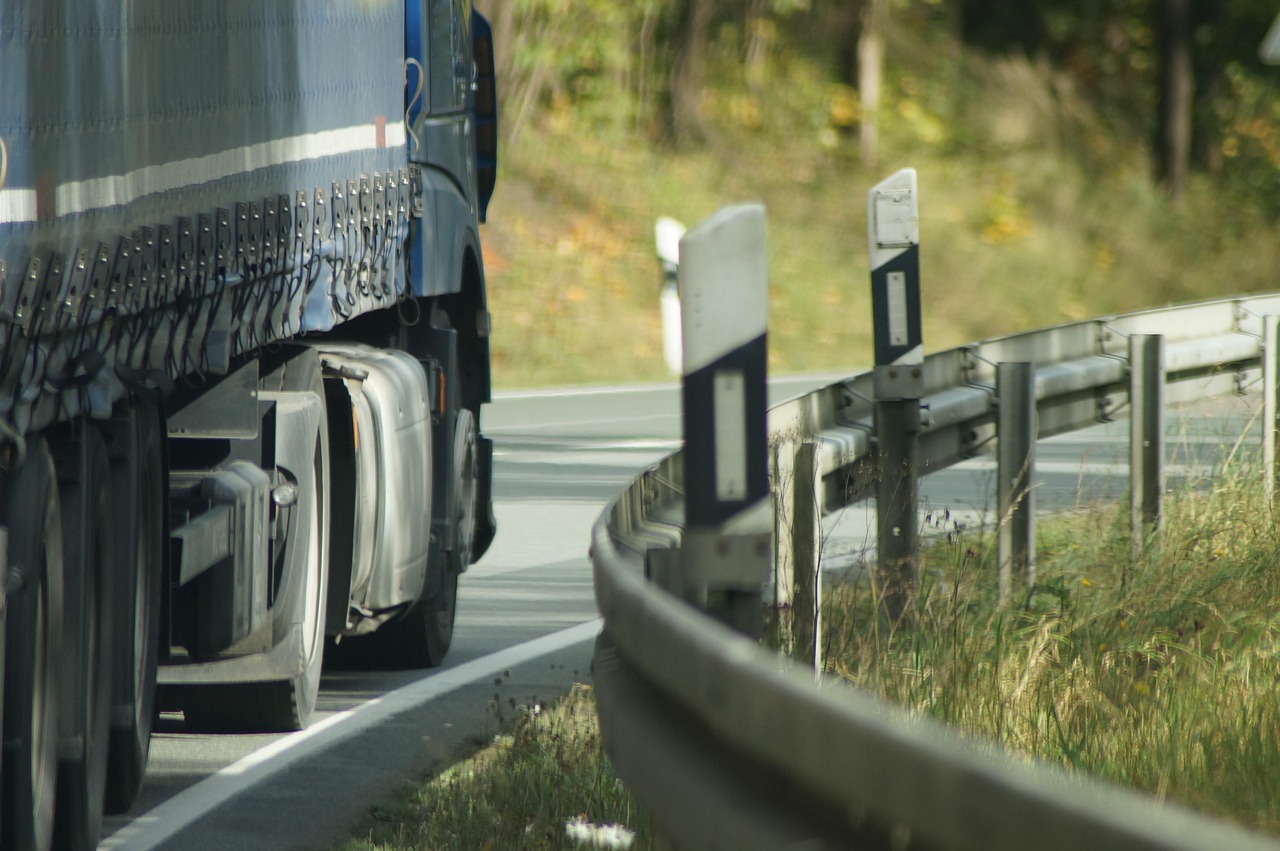
Who else is responsible besides the trucker? Others that are liable besides the driver can be the trucking company, vehicle owner, cargo loader, maintenance provider, defective parts manufacturer, third party contractors, and others. Who else but the truck driver can be liable? For commercial fleets, the carrier can be vicariously liable and subject to regulatory fines when company policies or driver schedules create unsafe conditions. Badly packed freight or bad chains can lead to blame falling on shippers or even brokers who establish unsafe loading standards. Defective brakes or tires can make makers or repair shops accountable when defects or poor service records exist. The remainder of this post details how investigators follow fault and what evidence usually counts in suits.
Key Takeaways
- Find everyone who could be liable besides the driver, including the carrier, manufacturers, cargo teams, maintenance vendors, and brokers. Identify each party’s distinct responsibilities under federal motor carrier regulations.
- Early, aggressive evidence preservation — driver logs, maintenance records, manifests, onboard electronics, crash forensics — is paramount in constructing robust claims against several potential defendants.
- Look into company practices for negligent hiring, training, supervision or safety lapses because vicarious liability and direct corporate negligence can really increase recoverable damages.
- Investigate mechanical and component failures for product liability or maintenance negligence claims. Examine recall history, repair records, and expert engineering analysis.
- Check cargo and hazmat loading for improper loading, unsecured freight or mislabeling, as cargo-related mistakes often cause rollovers, spills and multi-vehicle damage.
- Get ahead of comparative negligence and insurance complications by charting liability percentages, examining contracts for coverage holes, and expecting insurer tactics to protect victim payout.
The Chain of Responsibility
The chain of responsibility (CoR) outlines how liability extends throughout the transport lifecycle, particularly in trucking accident cases. It was introduced to address systemic safety failures in heavy vehicle operations and establishes safety as a collective, enforceable obligation. Here’s a list of vicarious liability and the practical responsibilities that can attach to different parties under CoR, illustrating how liability can extend beyond negligent truck drivers.
- Vicarious liability and direct duties: Employers and principals may be vicariously liable for employees’ acts and directly liable for negligent hiring, poor supervision, or unsafe policies. Example: A carrier that pressures drivers to exceed hours-of-service limits can be liable for crashes caused by fatigue.
- Extension to carriers, contractors, and handlers: Trucking companies, maintenance contractors, equipment manufacturers, cargo handlers, and logistics brokers can each bear responsibility when their acts or omissions create risks. For example, a maintenance vendor that misses a brake defect can be sued alongside the carrier.
- Multiple-entity causation in complex operations: Modern freight moves through many hands. Accidents are usually multiply-nodal. Investigations need to follow the Chain of Responsibility and assign blame where processes, training, or equipment fell down.
- Regulatory duties under federal motor carrier rules: Parties must meet specific obligations, including vehicle inspections, driver qualifications, maintenance records, and load securement. Failure to demonstrate compliance or that reasonable steps were taken to avoid a breach is liability evidence.
- Shared and individual accountability: CoR covers companies and individuals—loaders, schedulers, dispatchers, and drivers each must take all reasonably practical steps to prevent breaches. Example: A scheduler who assigns unrealistic pickup windows may bear responsibility for pressured driving.
1. The Company
Hold trucking companies accountable for driver negligence, including negligent hiring, poor training, and lax supervision. Consider enforcement of safety regulations and violations of federal regulations. Investigate maintenance programs and inspection records, as gaps there often indicate systemic risk. Assess whether company policies, such as pay incentives or hard deadlines, contributed to the trucking accident.
2. The Manufacturer
Hold liable for design defects or parts causing loss of control in trucking accidents. Pursue product liability for defective brakes, steering, or tires, especially in commercial truck accidents. Check recall histories and warnings, as failure to warn can be dispositive in determining liability for injury victims.
3. The Cargo Team
Examine loading manifests and weight distribution in trucking accident cases; if dangerous goods were abused, damages and punishments soar.
4. The Maintenance Crew
Investigate logs for skipped inspections, incorrect parts, or overlooked recalls to hold contractors accountable for missed inspections or shoddy repairs, especially in trucking accident cases where mechanical mishaps like tire blowouts may be linked to maintenance oversight.
5. The Logistics Broker
When considering broker selection and oversight in trucking accident cases, reckless choice of a carrier or gaps in contract safety obligations can create liability traps. Brokers must show they took reasonable actions to ensure safe trucking services.
Unpacking Company Negligence
Company negligence in truck accidents, particularly in trucking accident cases, encompasses both direct failures and indirect pressures that increase crash risks. Unpacking company negligence involves examining how policies, hiring, and oversight practices create liability beyond the driver, highlighting the importance of a careful review of records and safety regulations for any truck accident claims.
Employee Actions
Company employees can manufacture liability when their behavior reflects lax oversight or loose policy, particularly in trucking accident cases. Evidence of distracted or reckless driving exists alongside repeat incident reports, ignored complaints, and a pattern of prior violations in driver logs. Analyzing driver logs, incident reports, maintenance records, and prior traffic or safety violations helps establish whether the unsafe behavior was a fluke or endemic. Under the doctrine of vicarious liability, a plaintiff can sue and recover from the employer for an employee’s wrongdoing if the act occurred during the course of employment. It is absolutely critical to verify if drivers complied with Hours of Service regulations, as violations can indicate the company pressured drivers to drive longer, shifting blame to the employer.
Hiring Practices
Bad hiring builds foreseeable danger in the trucking industry. Not properly vetting, training, or qualifying truck drivers, including incomplete background checks or gaps in driver qualification files, is direct proof of driver negligence. Look for red flags: prior crashes, suspended licenses, or inadequate training records. A company that puts a negligent truck driver behind the wheel risks fatal trucking accidents, and tying those reckless hiring decisions to a particular collision can bolster truck accident claims. Contracts and employment relationships matter as well because subcontracting can muddy up liability but not erase it.
Safety Oversight
A company’s safety program and enforcement expose priorities in the context of trucking accidents. Lack of safety training, supervision lapses, and skipped maintenance can lead to driver negligence, ultimately resulting in serious accidents. Companies must maintain vehicles and adhere to safety protocols. Neglecting these responsibilities, such as ignoring brake work or tire checks, directly contributes to accidents. They should review compliance records, maintenance logs, and training modules to ensure safety. When companies prioritize speed or profit over safety, it can lead to punitive damages or higher compensation due to reckless disregard.
When The Truck Itself Fails
Mechanical failure can shift liability from the driver, especially in trucking accident cases, when they’ve demonstrated that their vehicle was unsafe. When commercial trucks fail, accountability involves tracing defects back to design, parts, or poor repair, linking those failures to harm or loss. Investigators must gather maintenance logs, recall notices, service invoices, and event data recorder output to establish a chain of causation back to manufacturers, suppliers, or maintenance providers.
Design Flaws
Design defects can cause a truck to become unstable or unsafe at typical speeds and loads, leading to serious truck crashes. If a trailer’s design—its geometry, center of gravity, or suspension—makes it less stable and prone to rollovers, the manufacturer might be liable under product liability laws. Brake system configuration or absence of redundant safeguards can exacerbate stopping characteristics, contributing to trucking accident cases. Crashworthiness, how the cab and chassis behave in an impact, comes under design review. Add engineering reports and accident reconstruction to prove it was a design choice, not driver negligence, that caused the loss of control. Take your previous complaints, regulatory filings, design change histories, whatever you have, as credibility.
Component Defects
Defective brakes, tires, steering racks, or lighting assemblies often start with component makers or suppliers and can lead to serious truck crashes. A tire blowout from a manufacturing defect or a rack-stuck-steering failure ties directly to the parts manufacturer. To build a strong case in trucking accident cases, look into supply chain records, lot numbers, recall history, and compare the failed part to service bulletins and known incidents. Describe how the failed component created the crash sequence, such as loss of steering or ineffective braking. When the truck itself fails, bad quality control or lack of safety features validates allegations against the liable party.
Repair Errors
Sloppy or outright hack repairs, whether by fleet shops or third-party garages, can present dangerous situations, contributing to trucking accidents. Check service records for missed inspections, half-done brake jobs, or bad parts installation, as careless repair might create brake failure or steering defects that lead to a trucking accident. If the third-party shop didn’t follow 49 CFR Part 393 standards for cargo securement, they can be held accountable under liability law. Maintenance records typically indicate if the trucking company or its contractor breached the standard of care, impacting truck accident claims.
The Hidden Dangers of Cargo
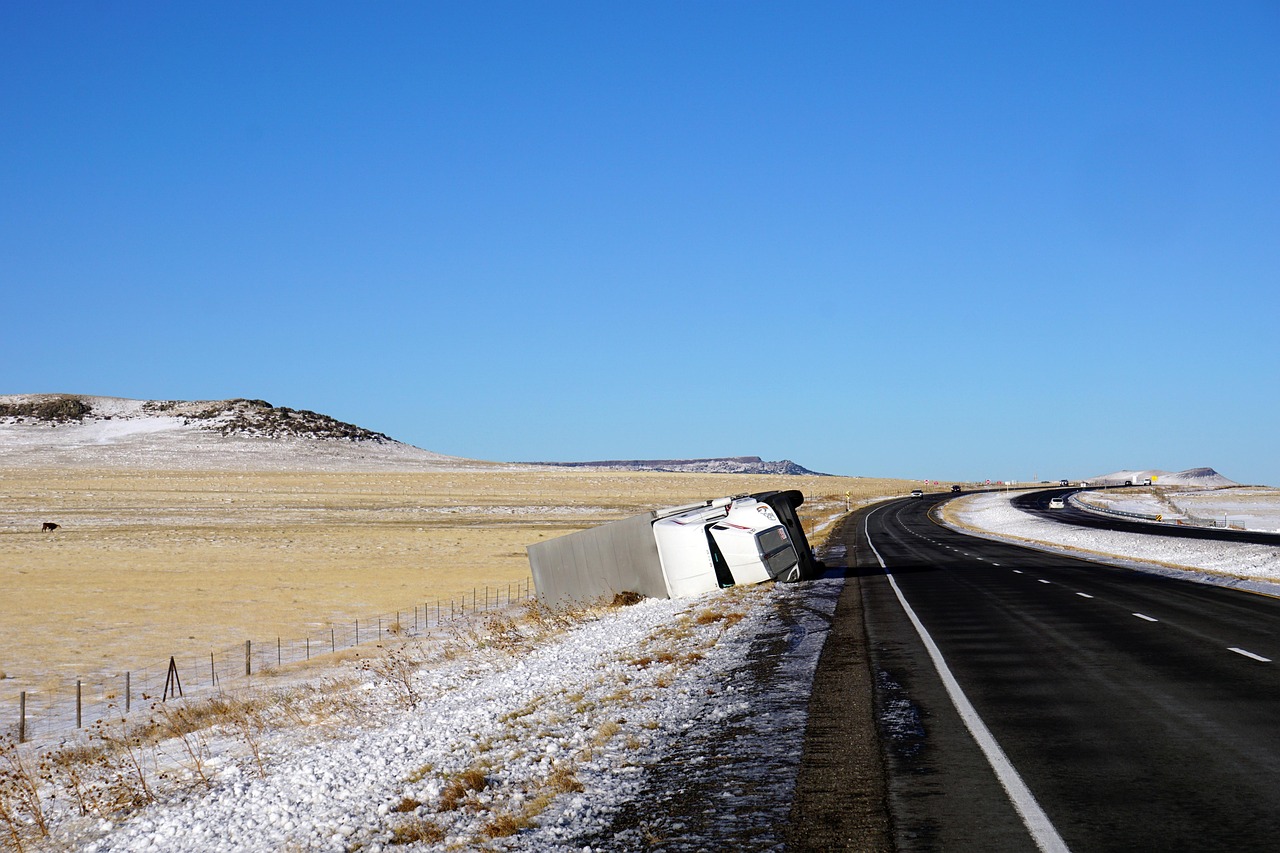
Cargo issues are the unseen spark behind devastating truck accidents. Problems such as bad loading, loose cargo, and bungled hazmat can shift the center of gravity, erode brake reserve, and transform commercial trucks into uncontrolled mass movers that don’t stay put in curves, ramps, or lane changes. When a load shifts to one side, the truck may tip or roll, leading to serious truck crashes. Even a small lateral shift can initiate a wobble that turns into a rollover once speed and road geometry conspire. After a trucking accident, a critical question is determining liability for properly securing the load.
Improper Loading
Cargo handlers, loading crews, and the trucking company can be held liable for driver negligence when loads are improperly positioned without regard for weight distribution or securement points. Overweight or uneven cargo increases the center of mass and decreases side-to-side stability, which can lead to serious truck crashes during turns, exit ramps, and swerving maneuvers. Legal teams investigate paperwork, load plans, and photos to determine if the shipper, third-party loader, or carrier adhered to FMCSR limits. Violations of state and federal securement rules, such as improper blocking or unbalanced weight distribution, often contribute to trucking accident cases and tip-overs. In practice, multiple defendants are common, including the shipper who packed the load and the carrier that hired the driver.
Unsecured Freight
Cargo shifting or falling is a frequent contributor to multi-vehicle crashes, particularly in trucking accident cases, as debris creates unexpected hazards, prompting motorists to swerve to avoid spilled shipments. Liability often falls on the party responsible for securing the freight, which can include trucking companies. Evidence such as torn straps, broken chains, and witness statements describing the truck’s wobble or jackknife can be crucial in truck accident claims. Crash scene photos and incident reports can reveal whether tie-downs, straps, and chains met safety regulations, and whether the driver conducted required inspections pre-departure and within the initial 80 kilometers. When cargo shifts, it can lead to serious truck crashes, causing significant harm to bystanders.
Hazardous Materials
Mishandled hazardous materials present elevated risks. Leaks can ignite, chemicals can burn or create toxic plumes, and labels or placards that are wrong or absent indicate potential truck accident claims due to shipper or carrier negligence. Compliance with FMCSR and hazmat rules is crucial, as noncompliance, such as poor packaging or lack of emergency response information, can aggravate factors in trucking accident cases. Following chain of custody and handling procedures is essential for determining liability.
The Ripple Effect of Liability
Liability in a commercial truck accident rarely ends with the driver. To determine liability, especially in trucking accident cases, involves tracing relationships between carriers, shippers, and insurers, and apportioning blame according to acts, omissions, and contracts.
Shared Fault
- Trucking company: Vicarious liability for driver conduct, negligent hiring or failure to supervise can increase its portion.
- Driver: Direct fault for negligent operation, fatigue from hours of service violations, or substance impairment.
- Shipper/broker: improper loading, overweight loads, or dispatching schedules that encourage long hours.
- Maintenance provider or manufacturer: defective brakes, tires, or poor repair work that directly causes or worsens a crash.
- Third parties include other motorists or roadway designers when poor signage or design contributes.
Assigning percentage fault to each actor is crucial in trucking accident cases. By utilizing comparative fault rules, recoverable compensation can be adjusted based on jurisdictional guidelines. For instance, if the trucking company is deemed 60% at fault while the victim holds 20%, damages will be reduced accordingly. Determining liability involves analyzing logs, maintenance records, GPS data, expert reconstructions, and contract verbiage.
Contractual Gaps
When examining contracts between shippers, brokers, carriers, and maintenance suppliers, it’s crucial to identify liability holes that could arise from trucking service negligence. Contracts may ill-specify safety responsibilities or mandate hold-harmless arrangements that shift risk, particularly in trucking accident cases. It’s essential to check for insurance requirements, as brokers often set minimum limits that are inadequate for catastrophic losses. Vague language in these agreements can restrict damages or lead to disputes over who must act first. By using contract analysis, you can demonstrate that a clause is unenforceable or reveal where a party neglected safety requirements, such as screening for qualified truck drivers.
Insurance Disputes
- Primary insurer denial for claimed exclusions.
- Disputes over which insurer is primary versus excess.
- Delay tactics while evidence degrades.
- Low-ball settlement offers citing comparative fault.
Clarify primary versus secondary policy responsibilities and press insurers with factual records: maintenance logs, driver history, and ELD (electronic logging device) data. In trucking accident cases, attack denials by connecting policy language to the conduct in question and by demonstrating statutory obligations such as driver negligence or negligent hiring. Prepare for coverage litigation when insurers dispute who pays first or invoke policy limits.
Proving Your Case
Proving Your Case Trucker accident liability requires a careful, stepwise approach that ties facts to legal theories. The truck driver may be the initial and most obvious point of investigation, but to be effective, litigation needs to examine carrier practices, maintenance, cargo handling, and third-party parts suppliers. Early, comprehensive efforts by a seasoned truck accident lawyer save time-sensitive proof and shape claims against industrial defendants.
The Investigation
Start an independent investigation of the scene, including the cars involved in the trucking accident and the corporate records right away. Photograph and map the scene, making note of skid marks, debris, and road conditions. Gather driver logs, maintenance records, cargo manifests, and electronic data from the vehicle’s onboard systems. Interview witnesses, first responders, and company personnel to capture quotes before memories start fading. Leverage accident reconstructionists to model speeds, impact points, and vehicle dynamics. Their expertise can demonstrate if speed, following distance, lane changes, or driver fatigue caused loss of control. Time-stamped GPS and ELD (electronic logging device) records can prove hours of service violations that correspond to witness observations of drowsiness. Preservation letters and quick subpoenas for surveillance or dashcam footage are crucial, as carriers may overwrite data.
The Evidence
Gathering physical evidence is crucial in trucking accident cases, including damaged parts, axle or brake components, cargo remnants, and tire marks. Protecting digital evidence like dashcam footage, telematics, and onboard camera files that prove distracted driving or inattentiveness is essential. Additionally, obtaining police reports, photos, and diagrams can help corroborate scene facts and initial fault findings. Evidence of missed inspections and inferior parts may tie a trucking company to a crash, impacting their liability. Collect every piece of paper, chain-of-custody slip, and lab result into one numbered file for reference during settlement negotiations or in court, as the statute of limitations varies by jurisdiction.
The Experts
To prove your case in trucking accident cases, hire reconstruction experts, mechanical engineers, and industry specialists to examine complicated technical matters and simply describe them to judges and juries. Employ medical professionals to record devastating injuries, continuous care, and loss of income related to truck accident claims. Compelling expert testimony can fill in technical blanks and bring corporate responsibility to life, especially in cases involving negligent truck drivers, where determining liability is crucial.
Conclusion
Liability doesn’t just stop at the driver. Fleet owners and hiring companies can face claims for bad maintenance, weak safety rules, and poor hiring. Parts makers and repair shops can answer for faulty brakes, tires, or wrong fixes. Shippers and loaders can be blamed for bad packing, incorrect weight, or loose cargo. Brokers and dispatchers can share blame if they pressured hazardous schedules or concealed critical details. Regulators and inspectors can matter when records and checks fall short.
Use obvious proof. Exhibit repair logs, load plans, hire files, and phone records. Utilize photos, witness statements, and expert examinations. Every link in the chain can strengthen your case. Find a lawyer who respects the truth and moves quickly. Reach out to a professional to go over your paperwork and actions.
Frequently Asked Questions
1. Who else can be held responsible besides the truck driver?
In trucking accident cases, employers, fleet managers, cargo loaders, and vehicle owners can all be held liable depending on their role in the sequence of events leading to the crash.
2. How can a trucking company be liable for a crash?
A company can be liable for recruiting unsafe drivers, including negligent truck drivers, ignoring HOS rules, neglecting truck maintenance, or employing unsafe loading practices that increase the risk of trucking accidents.
3. Can the cargo owner be responsible for an accident?
Yes. If the cargo was improperly loaded, secured, or declared, the cargo owner or shipper may be liable in trucking accident cases.
4. What about vehicle maintenance providers—are they accountable?
Maintenance shops and mechanics can be held liable for driver negligence if faulty repairs, missed inspections, or poor parts lead to a trucking accident.
5. When could a manufacturer be held liable?
There can be manufacturer liability for defective vehicle parts, such as brakes or tires, that pose an unreasonable risk of a crash or contribute to trucking accidents.
6. How does liability spread to insurers and third parties?
Insurers pay claims but can subrogate against responsible parties in trucking accident cases, such as loaders or packers.
7. What evidence is needed to prove someone else is responsible?
Accident reports, maintenance records, cargo manifests, and expert analysis connect driver negligence and unsafe driving practices to the trucking accident.
Injured in a Truck Accident? Get a Lawyer Ready to Fight Back
A collision with a commercial truck can change your life in an instant. Because of their size and weight, semi-trucks, tractor-trailers, delivery trucks, and other commercial vehicles can cause catastrophic injuries, extensive property damage, and overwhelming medical expenses. If someone else’s negligence caused the crash, you may have the right to pursue compensation for what you’ve lost.
At Phoenix Injury Attorneys, we help truck accident victims take on trucking companies, drivers, insurers, and other responsible parties. Led by Khalil Chuck Saigh, our Arizona-based firm investigates the crash, gathers critical evidence, reviews driver and trucking company records, identifies every potentially liable party, and builds a strong claim focused on maximizing your recovery.
Truck accident cases can be far more complicated than ordinary car accident claims. Insurance companies may move quickly to protect themselves, dispute liability, minimize your injuries, or pressure you into accepting less than your case is worth. Phoenix Injury Attorneys are ready to protect your interests from the start.
If you or someone you love was hurt in a commercial truck crash, contact Phoenix Injury Attorneys today for a free and confidential case review. We’ll explain your legal options and fight for compensation for medical bills, lost income, pain and suffering, property damage, and other losses caused by the accident.
Disclaimer:
The information provided in this article is for educational and informational purposes only and is not intended as medical, legal, or professional advice. Always consult a qualified healthcare provider, toxicologist, or legal professional regarding any health concerns, chemical exposures, or potential claims. The author and publisher are not responsible for any actions taken based on the information in this article. Use and handle all household chemicals according to product instructions and safety guidelines.