


After a car accident, many people turn to social media to update friends and family about what happened. Posting a quick photo, sharing an update about your recovery, or checking in at a restaurant may seem harmless. However, if you have filed an insurance claim or are pursuing a personal injury lawsuit, your social media activity could become evidence that affects your case.
Insurance companies and defense attorneys increasingly monitor social media platforms as part of their investigations. Public posts, photographs, videos, comments, and even content shared by friends or family members may be reviewed to determine whether they are consistent with the injuries and damages claimed in a lawsuit. While one post rarely determines the outcome of a case, a series of posts or images taken out of context can create questions about your credibility and potentially reduce the value of your claim.
This doesn’t mean you have to disappear from social media after an accident. It does mean you should understand how your online activity may be interpreted by insurance adjusters, investigators, or opposing attorneys. Something as simple as smiling in a family photo or posting about a weekend outing may not accurately reflect the pain you continue to experience, yet those images can sometimes be used to argue that your injuries are less serious than reported.
Knowing how social media can affect a car accident case is an important part of protecting your legal rights. By understanding the risks and taking a thoughtful approach to your online presence, you can avoid unnecessary complications and focus on your recovery while pursuing the compensation you deserve.
Key Takeaways
- Insurance companies often review social media accounts during car accident investigations.
- Even innocent posts or photographs may be taken out of context and used to challenge an injury claim.
- Deleted posts can sometimes still be recovered and may create additional legal issues.
- Privacy settings provide some protection but do not guarantee your posts will remain private.
- Following your attorney’s advice and limiting social media activity can help protect your case.
Why Social Media Matters in a Car Accident Lawsuit
Social media has become a regular part of everyday life. People share milestones, vacations, family events, workouts, and daily experiences without giving much thought to who might be viewing their content. After a car accident, however, your social media accounts may attract attention from insurance companies looking for information about your injuries and daily activities.
When someone files a personal injury claim, the insurance company has a financial interest in evaluating the claim as thoroughly as possible. Adjusters and defense attorneys often search publicly available information to determine whether a claimant’s online activity matches the statements made in medical records, insurance forms, or legal filings.
For example, suppose an individual claims they are unable to participate in physical activities because of severe back pain. If they later post photos of themselves hiking or participating in recreational sports, the insurance company may argue that the injuries are not as serious as claimed. Even if the activity lasted only a few minutes or caused significant pain afterward, the image alone may raise questions that complicate settlement negotiations.
Social media posts can also influence how a jury views a claimant if a lawsuit proceeds to trial. Jurors often evaluate credibility when deciding whether to believe testimony about pain, suffering, and limitations. Posts that appear inconsistent with those claims may become an important part of the defense’s strategy.
Because online content can remain accessible long after it is posted, it’s important to think carefully before sharing updates while your case is pending.

How Insurance Companies Use Social Media
Insurance companies no longer rely solely on medical records and accident reports when evaluating personal injury claims. Many insurers routinely review social media profiles as part of their investigation, particularly when a claim involves serious injuries or significant financial damages.
The goal is not necessarily to prove fraud. Instead, insurers look for information that may help them assess the severity of injuries, evaluate credibility, and determine whether the evidence supports the amount of compensation being requested.
Adjusters may review photographs, videos, comments, status updates, location check-ins, and publicly available information across multiple social media platforms. They may also examine interactions with friends and family members, paying attention to photos in which the claimant has been tagged or comments that discuss recent activities.
Even posts unrelated to the accident can become relevant. For instance, a picture of someone attending a concert or celebrating at a family gathering may be used to suggest they are physically healthier than their medical records indicate. While those conclusions may be inaccurate, insurance companies sometimes use such evidence to negotiate lower settlements or challenge claims in court.
It’s important to remember that investigators often evaluate patterns rather than isolated posts. A single photograph may have little impact, but repeated posts showing physically demanding activities or statements that contradict medical documentation can create additional challenges during the claims process.
Types of Social Media Content That Can Affect Your Claim
Not every social media post will harm your case, but certain types of content are more likely to attract attention during an insurance investigation.
Photos and Videos
Images and videos are among the most commonly reviewed forms of social media evidence because they provide a visual record of a person’s activities. Pictures showing vacations, sporting events, home improvement projects, exercise, or outdoor recreation may be interpreted as evidence that an individual is more physically capable than they claim.
However, photographs rarely tell the complete story. A single image cannot reveal whether someone experienced pain before or after the activity, whether accommodations were made, or how long the event actually lasted. Despite these limitations, visual content often carries significant weight during settlement negotiations.
Status Updates and Comments
Written posts can also become evidence in a personal injury lawsuit. Casual comments about feeling “great,” returning to normal life, or recovering quickly may be interpreted differently than intended. Even jokes or exaggerated statements made online can be misunderstood when presented in a legal setting.
Likewise, discussing the accident itself on social media may create inconsistencies if the details differ from statements made to law enforcement, insurance adjusters, or healthcare providers.
Location Check-Ins
Many social media platforms allow users to share their location automatically when visiting restaurants, gyms, amusement parks, airports, or other public places. While checking in at a location may seem harmless, insurance companies may argue that frequent travel or recreational outings are inconsistent with claims involving serious physical limitations.
Simply visiting a location does not prove someone is healthy or free from pain, but location history may still become part of a broader investigation.
Posts Shared by Friends and Family
One of the most overlooked sources of evidence is content posted by other people. Friends and relatives may upload group photographs, tag you in posts, or mention activities you attended without realizing your injury claim is pending.
Although you may choose not to post anything yourself, content shared by others can still become relevant if it appears inconsistent with your reported injuries. Letting close friends and family know that you would prefer not to be tagged in photos or discussed online until your case is resolved can help reduce unnecessary complications.
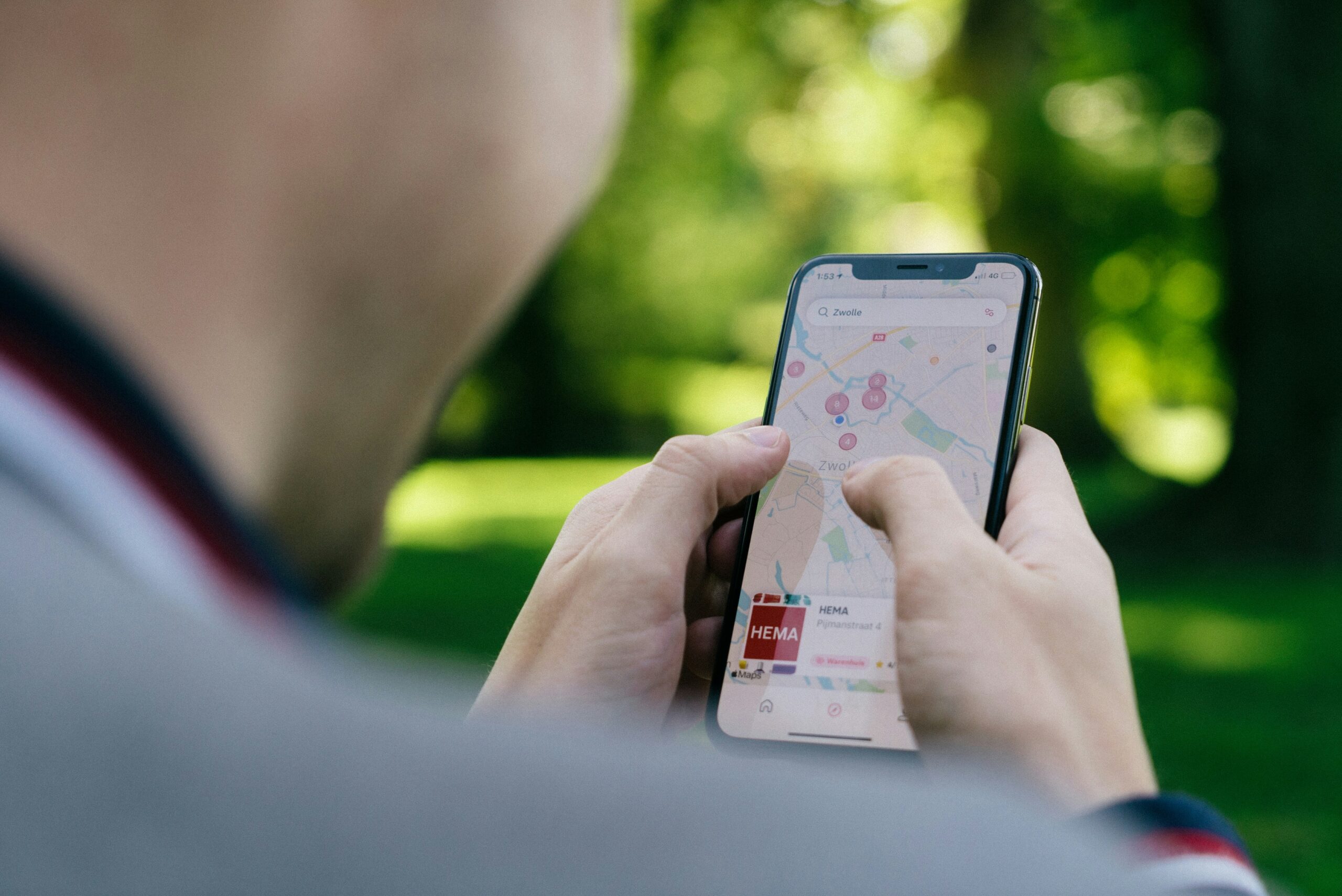
Are Private Social Media Accounts Really Private?
Many people believe that changing their privacy settings prevents insurance companies from viewing their social media activity. While stronger privacy settings are certainly a good idea, they should not be viewed as complete protection.
Information that is publicly available can generally be reviewed during an investigation. In some situations, content from private accounts may become discoverable during litigation if a court determines that it is relevant to the issues being disputed. The specific rules vary depending on the jurisdiction and the circumstances of the case, but privacy settings alone do not guarantee that online content will remain inaccessible.
Additionally, information shared with friends can quickly become public through screenshots, reposts, or comments made by others. Once something is posted online, it may be difficult—or impossible—to fully remove it.
For these reasons, many personal injury attorneys advise clients to assume that anything shared on social media could eventually be reviewed by the insurance company or presented in court. Exercising caution from the beginning is often the safest approach while your car accident claim remains active.
Can Deleted Posts Still Be Used as Evidence?
Many accident victims assume that deleting a photo, comment, or status update will eliminate any potential problems. Unfortunately, that’s not always the case. Once something is shared online, there is no guarantee that it has disappeared completely. Other users may have taken screenshots, shared the content, or downloaded photographs before they were removed. In some situations, social media platforms may also retain information for a period of time, and courts may allow certain online content to be obtained during the discovery process if it is relevant to the lawsuit.
Deleting posts after filing a personal injury claim can sometimes create additional concerns. If an insurance company or opposing attorney believes evidence was intentionally removed to hide information, they may argue that the claimant attempted to conceal relevant evidence. While every situation is different, intentionally deleting content after litigation has begun can complicate a case and potentially affect credibility.
Rather than removing existing posts without legal guidance, it’s generally best to speak with your attorney. An experienced lawyer can advise you on how to manage your social media accounts while complying with legal obligations and protecting your interests throughout the claims process.

Common Social Media Mistakes After a Car Accident
Many people unintentionally damage their own cases by continuing to use social media as they normally would. They may not realize that ordinary posts can be interpreted differently once a lawsuit is pending.
One of the most common mistakes is posting photographs that show physical activity. A picture of carrying groceries, attending a sporting event, dancing at a wedding, or spending time at the beach may appear harmless to the person posting it. However, an insurance company may argue that these activities are inconsistent with claims of pain, limited mobility, or disability.
Another frequent mistake is discussing the accident online. Posting opinions about who caused the crash, describing injuries, or expressing frustration with the insurance company can create inconsistencies if those statements differ from medical records or testimony given later in the case. Even seemingly innocent comments may be used during settlement negotiations or cross-examination.
Some claimants also underestimate the impact of being tagged in other people’s posts. Friends and family members often upload photos from birthdays, vacations, or community events without realizing the images could become part of a legal dispute. While these photos rarely tell the complete story, they may still be presented as evidence if they appear inconsistent with the injuries being claimed.
Finally, accepting new friend requests from unfamiliar people during an active lawsuit may create unnecessary risks. Insurance investigators generally cannot misrepresent themselves to gain access to private accounts, but exercising caution when interacting with unknown users is still a sensible practice.
What Should You Post While Your Case Is Pending?
The safest approach is to be selective about what you share online until your claim has been resolved. This doesn’t necessarily mean you must stop using social media altogether, but it does require greater awareness of how your posts could be interpreted by others.
Avoid discussing the accident, your injuries, ongoing medical treatment, settlement negotiations, or the lawsuit itself. Even positive updates about feeling better can be misunderstood if your recovery is still ongoing. Likewise, photographs showing physical activities, vacations, or celebrations may create questions that require additional explanation later.
Many attorneys encourage clients to use social media primarily for private communication rather than public posting while litigation is pending. Taking a temporary break from sharing personal updates can help minimize unnecessary distractions and reduce the likelihood that online content will become an issue during your case.
If you have questions about a specific post, photograph, or comment, consult your attorney before publishing it. A brief conversation now may help prevent avoidable complications later.
How an Attorney Can Help Protect Your Case
An experienced car accident attorney understands how insurance companies investigate personal injury claims and knows how social media evidence is commonly used during settlement negotiations and litigation. Early legal guidance can help you avoid mistakes that might otherwise weaken your claim.
Your attorney can explain what types of online activity may create unnecessary risks and answer questions about managing your social media accounts while your case is pending. If the insurance company presents photographs, videos, or social media posts as evidence, your lawyer can review the material carefully and determine whether it accurately reflects your medical condition.
In many cases, social media evidence lacks important context. A photograph may capture only a single moment without showing the pain experienced afterward or the physical limitations that continue to affect daily life. Medical records, physician testimony, rehabilitation notes, and statements from family members may provide a much more complete picture of your recovery than a single image posted online.
Attorneys can also challenge evidence that has been mischaracterized or presented misleadingly. By carefully reviewing the facts and working with medical experts when appropriate, they can help ensure that your case is evaluated fairly rather than based on isolated social media posts.
Practical Tips for Protecting Your Car Accident Claim
While every case is unique, a few simple habits can significantly reduce the chances that social media will negatively affect your claim.
- Think carefully before posting anything online while your case is active.
- Avoid discussing the accident, your injuries, or settlement negotiations on social media.
- Review your privacy settings, but remember they do not guarantee complete privacy.
- Ask friends and family not to tag you in photos or posts without your permission.
- Continue following your doctor’s treatment recommendations and attend all scheduled medical appointments.
- Contact your attorney if you have concerns about existing social media content or if you learn that the insurance company is using online posts as evidence.
These precautions will not eliminate every risk, but they can help strengthen your credibility and keep the focus where it belongs—on the evidence supporting your injury claim.
Final Thoughts
Social media has transformed the way people communicate, but it has also changed how car accident claims are investigated. A single photo, comment, or video can quickly become part of an insurance company’s evaluation of your case, even if it doesn’t accurately reflect the full extent of your injuries. While insurers often review social media to identify inconsistencies, online content rarely tells the complete story. It cannot show the pain you experience after an activity, the medical treatment you continue to receive, or the physical limitations that affect your daily life.
The best way to protect your claim to remain honest, consistent, and cautious throughout the legal process. Continue following your healthcare provider’s treatment plan, attend all medical appointments, and avoid posting content that could be misunderstood or taken out of context. Even well-intentioned updates about spending time with family or participating in everyday activities may be viewed differently by an insurance adjuster or defense attorney.
If your claim involves serious injuries, disputed liability, or significant financial losses, consulting an experienced car accident attorney as early as possible can make a meaningful difference. A lawyer can explain your legal rights, guide you through the claims process, and respond effectively if social media evidence becomes an issue. They can also ensure that the insurance company evaluates your claim based on the complete facts—not isolated online posts or misleading assumptions.
Recovering after a car accident is challenging enough without worrying about how every online interaction might affect your case. By understanding the role social media can play in a personal injury lawsuit and taking thoughtful precautions, you can focus on healing while protecting your right to pursue fair compensation.
Frequently Asked Questions
Can insurance companies look at my Facebook or Instagram account?
Yes. Insurance companies frequently review publicly available social media content when investigating personal injury claims. Depending on the circumstances and applicable law, certain additional information may also become relevant during the litigation process.
Should I delete my social media after a car accident?
Deleting your entire account or removing posts without first speaking to your attorney is generally not recommended. In some situations, deleting content after litigation has begun may create additional legal issues. Your attorney can advise you on the best course of action based on your case.
Can a single photo ruin my personal injury claim?
Usually not. One photograph rarely tells the full story of an injury. However, if a photo appears inconsistent with your medical condition or other evidence, the insurance company may attempt to use it during settlement negotiations or at trial. Context is extremely important.
Can friends’ social media posts affect my lawsuit?
Yes. Photos, videos, or comments posted by friends and family members may become relevant if they appear to contradict your claimed injuries. It’s often a good idea to ask those close to you not to tag you or post about your activities while your case is pending.
Is it okay to use social media if my injuries are minor?
Even if your injuries seem relatively minor, it’s still wise to use caution. Any personal injury claim may be reviewed by the insurance company, and online posts can sometimes be misunderstood or taken out of context. Limiting what you share until your claim is resolved is often the safest approach.