


Childhood injuries can have lasting physical, cognitive, and emotional effects that extend well into adulthood. Physical consequences may include chronic pain, joint stiffness, growth disturbances in developing bones, and reduced mobility or function. Traumatic brain injuries sustained during childhood can affect attention, memory, learning abilities, and academic performance, potentially influencing future educational and career opportunities. Emotional and psychological impacts, such as anxiety, depression, and post-traumatic stress, may also affect social development, relationships, and coping skills. Prompt medical care, rehabilitation, and ongoing monitoring can help minimize long-term complications and improve overall outcomes. This article explores common types of childhood injuries, their potential long-term effects, assessment methods, and treatment strategies that support recovery and long-term well-being.
Key Takeaways
- What are the long-term effects of childhood injuries? Record treatments, symptoms, and growth changes to aid in future planning and any legal claims.
- Chronic pain, mobility limits, and impaired growth can reduce participation in daily activities and independence. Start early with specialist assessments, rehabilitative therapy, and accessibility evaluations.
- Emotional, cognitive, and behavioral effects often outlast physical healing, so schedule psychological assistance, follow changes over time, and gather school and therapy records for care coordination and case evidence.
- Financial consequences don’t stop at the ER or hospital bill. They accumulate through lifelong medical expenses, lost future earnings, and lost family income. Therefore, log every expense in detail, prepare projected costs, and engage financial or legal advisers as necessary.
- Early intervention and coordinated support systems make a giant difference. Seek immediate medical and mental health care, engage school and community services, and develop a caregiving community to distribute the load.
- Outspoken parents and caregivers actively advocate for themselves and their children’s TBI recovery and compensation, even years post-injury. They record all consequences, follow effective adaptive strategies, and seek the right legal or benefit avenues to ensure their child’s future.
The Lasting Physical Scars
Childhood injuries don’t just leave marks on the skin; they can also lead to significant emotional responses that affect health needs and life course. Permanent scars or disfigurement occur, especially from adverse childhood experiences such as abuse or catastrophic accidents, which can harm underlying tissues like tendons and nerves. What appears to be a scar can overshadow deeper, permanent functional loss. These injuries can vary from burns that limit joint function to disfiguring facial injuries that may require reconstructive surgery, highlighting the importance of addressing early trauma experiences.
1. Chronic Pain
Chronic pain can persist for years following an injury, potentially stemming from early trauma experiences and leading to either episodic or continuous discomfort. This pain restricts play, athletic activities, and day-to-day life for children. A teenager with lingering knee pain may quit team sports, missing out on the associated social camaraderie. If left untreated, pain can lead to insomnia, depression, and deactivation, increasing the risk for metabolic and cardiovascular problems. Keeping a straightforward diary to characterize pain patterns, triggers, and treatments is essential for medical treatment and can serve as critical proof in court or claims.
2. Impaired Growth
Damage to growth plates or bones can stunt or shift development, generating shorter limbs or angular deformities. Such early trauma experiences necessitate corrective osteotomy or limb-lengthening surgeries, often staged over years. These growth impairments compromise posture and gait, which in turn stress other joints and can lead to premature arthritis. Routine growth charts, X-rays, and clinician notes assist in capturing progression for treatment planning and reimbursement applications.
3. Mobility Issues
Joint, muscle, or nerve injuries may lead to permanent restrictions in range of motion, strength, or coordination, significantly impacting children who experience early trauma. A few kids adjust with walkers, while others require ongoing physical therapy to stave off decline. Limited mobility can prevent school attendance and self-care, making it essential to evaluate and adapt both the home and school environment to support traumatized children. Accessibility planning needs to be revisited as the child ages.
4. Neurological Damage
Head trauma, such as shaken baby syndrome, which has a roughly 25% fatality rate, frequently yields permanent cognitive or motor impairments. Victims, often traumatized children, can experience emotional responses like seizures, sensory loss, and learning disorders that surface later on. Monitoring for delayed symptoms related to early trauma exposure throughout development is crucial.
5. Secondary Conditions
They pose long-term risks such as childhood trauma-related conditions like arthritis, scoliosis, chronic headaches, and gastrointestinal complaints, along with complications from scar tissue that limits mobility. Routine follow-up minimizes unexpected issues and builds a holistic list of co-diagnoses when filing for benefits, emphasizing the economic and health burdens associated with adverse childhood experiences.
Beyond The Physical Injury
Childhood injuries run deeper than flesh wounds, as early trauma can lead to emotional, cognitive, and behavioral consequences that outlast the cuts and healing bones. Trauma is not just the physical injury; adverse childhood experiences can have lasting effects. Recovery that focuses solely on the body neglects its broader requirements. Holistic care that combines medical, psychological, educational, and social services leads to better results, especially for traumatized children. Non-physical harms influence legal judgments, as courts and insurers increasingly consider long-term mental health when determining damages.
Emotional Impact
Anxiety, depression, and PTSD can set in after an injury, even if the physical wound is small. Beyond the physical injury, children can shy away from cues, suffer from nightmares, or exhibit terror around scenarios associated with the incident. Those suffering may be afraid to say something for fear of exacerbating it, so symptoms go unreported and fester.
Emotional distress can shift family roles. Parents can be overprotective or aloof, siblings could resent new demands, and habits can shatter from strain. ACEs have a dose-response relationship with health outcomes. Those who have four or more ACEs are significantly more likely to develop serious mental illness and chronic health issues later on. Early therapy counts.
Counseling and therapy reduce symptoms and teach coping skills. Cognitive behavioral therapy, family therapy, and trauma-focused approaches are evidence-based options. Documenting emotional changes, including dates, triggers, severity, and clinical notes, helps clinicians and can be crucial for legal evaluation.
Cognitive Delays
Traumatic brain injury and other insults to the developing brain can decelerate learning, attention, processing speed, and memory. School tests and classroom behaviors can slip, sometimes imperceptibly, and teachers may confuse the problem with laziness or behavioral problems.
These cognitive delays often lead to worse academic performance, the need for placement in special education, and different career paths, all without specialized intervention. Other deficits don’t become evident until later developmental stages when tasks demand higher-level skills, necessitating monitoring for years.
Develop a cognitive timeline, marking when skills fell behind peers, neuropsychological testing results, and any interventions attempted. This timeline helps clinicians, schools, and legal teams understand the long-term impact.
Behavioral Shifts
Injury can provoke aggression, sobbing, or sudden mood changes in response to pain, fear, or changes in brain function. These transitions can sabotage friendships and social status and heighten isolation and vulnerability to additional issues.
Beyond the bloody knees. Document trends on how often, when, and severity, and record input from parents and educators. Uniform records bolster medical diagnosis and legal claims and inform customized behavioral treatments.
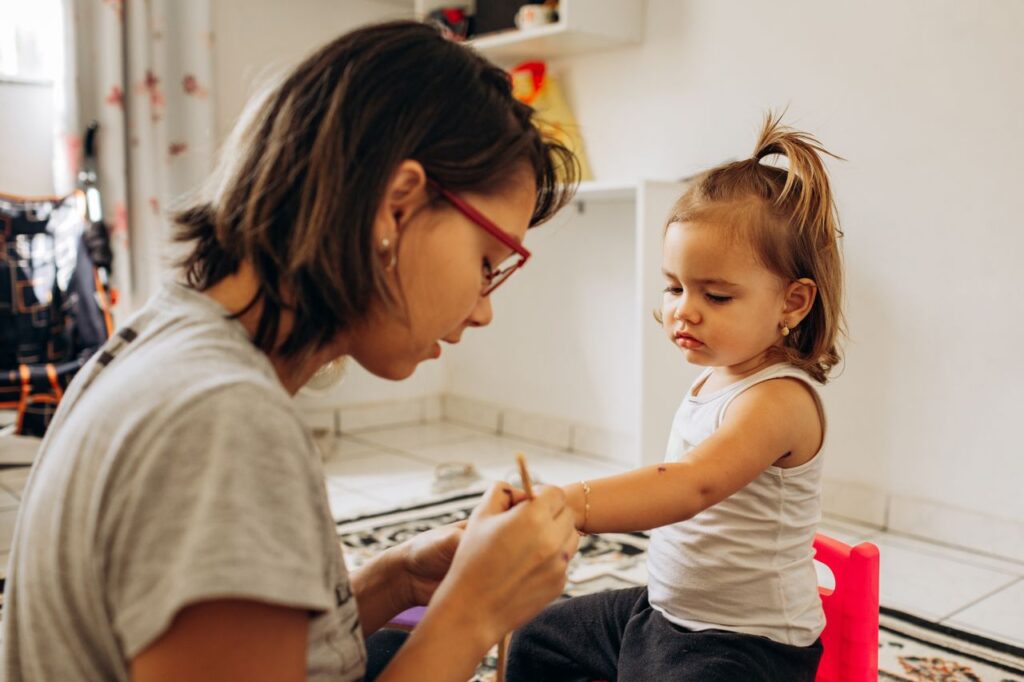
How Injuries Reshape A Child’s World
Injuries transform a child’s experience of the world, modify their daily rhythms, and reconfigure their connections to family, friends, and educators. Childhood trauma can sever a child’s temporal thread, leading to dissociation that diminishes attention and engagement in the classroom, on the playground, and among peers. Early trauma experiences, particularly in family relationships, influence the child’s ability to form healthy bonds later in life. If a caregiver is stressed or resources are scarce, healing from adverse childhood experiences becomes more difficult. The economic and long-term health costs are large, as childhood trauma links to chronic mental and physical conditions, lost productivity, and an estimated average lifetime cost per victim of USD 210,012, while aggregate yearly costs can reach USD 124 billion.
Social Development
Injuries, whether they lead to physical scars, mobility restrictions, or emotional trauma, significantly affect how peers interact with the child and how the child develops trust. The absence of regular opportunities, such as team sports or playdates, limits social skill development and feelings of belonging, while visible injuries heighten the risk of teasing or bullying, which can further exacerbate childhood trauma exposure and anxiety.
- Missed peer interaction leads to fewer chances to learn conflict resolution, negotiation, and cooperative play. This reduces social competence over time.
- Loss of ritualized activities: absence from clubs or sports limits exposure to mentors and peer networks that often lead to lifetime opportunities.
- Reduced group skill practice: teamwork and leadership roles are less accessible and harm future resumes and self-efficacy.
- Stigma and avoidance: Bullying or pity from peers creates patterns of social avoidance that persist into adolescence.
Academic Performance
Missed time, pain, lost sleep, or concussion-impaired cognitive function can lead to adverse childhood experiences that reduce grades and impede skill development. A few traumatized children require special education plans, classroom accommodations, or occupational therapy to reconstruct learning pathways. Academic gaps can cascade, eroding high school or college entry and lifetime earnings. It’s important when you’re looking to get paid or serviced to have detailed school records, attendance records, IEP information, and teacher reports.
Self-Identity
Injury can significantly alter a child’s self-image and confidence, especially when it involves childhood trauma or disfiguring scars. A child who no longer plays sports may feel isolated, as external distinctions frequently change their perception of belonging and reformulate their worldview toward danger or fragility. The identity battles that begin in childhood can persist into adulthood, affecting relationships and work. Early intervention, such as counseling and peer groups, is crucial in mitigating long-term effects of adverse childhood experiences and curbing chronic health impacts.
The Hidden Financial Toll
The costs of childhood injuries extend well beyond the hospital bill, as early trauma can trigger a cascade of future and indirect expenses that accumulate over decades. Families, insurers, employers, and communities bear the burden of costs for care, lost work, and special services due to the emotional responses and ongoing traumas faced by traumatized children.
Lifelong Medical Costs
- Reconstructive and corrective surgeries over years or decades.
- Physical therapy, occupational therapy, and ongoing rehabilitation sessions.
- Mental health care includes counseling, psychiatric visits, and long-term psychotherapy.
- Prescription medications, some taken indefinitely.
- Durable medical equipment: orthotics, prostheses, wheelchairs, home medical devices.
- Assistive technology: communication aids, adaptive software, home automation.
- Routine specialist follow-ups, diagnostic imaging, and lab work.
- Home modifications: ramps, bathroom adaptations, and safety builds.
- Travel and lodging for distant specialist care.
Other treatments for children with childhood trauma might be necessary for a lifetime, establishing a consistent base cost. Insurance might pick up pieces of care for adverse childhood experiences, but exclusions, caps, co-pays, and prior-authorization denials leave cracks. For legal claims, it assists in constructing a projected cost table that illustrates year-by-year medical, therapy, device, and emotional support needs and present-value calculations to underpin compensation.
Diminished Earning Potential
Early injury limits job potential. Physical or cognitive ceilings restrict career opportunities and can exclude positions with greater earnings or promotions. Missed school days and interrupted training drive down skills and credentials, which in turn directly cuts lifetime earnings. Injuries change ambitions — a child who envisioned engineering may move toward less well-paid occupations due to incapacity.
Family Economic Strain
Parents often cut work hours or even quit jobs to provide care, which can lead to childhood trauma due to financial strain. This situation can create adverse childhood experiences for siblings, who may lose focus, assets, or schooling as family budgets are realigned. Documenting these needs not only fortifies claims but also assists social services in focusing aid on traumatized children. Community-level costs can manifest as increased healthcare expenditures and special education spending, reflecting the psychological impacts of childhood trauma exposure.
The Path To Healing And Resilience
We all fall and scrape our knees on the playground of childhood. However, for some children, early trauma can lead to ongoing traumas that affect their emotional responses. There is recovery to be found with the right support, early and continual intervention, and adaptive strategies that foster resilience. Awareness and acknowledgment of childhood trauma is the starting point.
Early Intervention
Early access to treatment means better long-term outcomes by minimizing tissue damage, preventing pain chronification, and reducing the risk of post-injury psychological disorders, including childhood trauma. Start physical and psychological therapies as soon as medically safe: physiotherapy to restore strength and mobility, occupational therapy to relearn daily tasks, and trauma-focused cognitive behavioral therapy to process early trauma experiences and teach emotional regulation. Timely treatment can avoid downstream consequences like chronic pain, arthritis, or withdrawal to isolation and depression, especially in traumatized children.
- Acute medical care within hours to days includes wound care, imaging, and surgical repair where needed.
- First 2 to 6 weeks: begin graded physical therapy and basic psychological screening.
- 1–3 months: Structured rehabilitation programs, school reintegration plans, family education.
- 3 to 12 months: specialized therapies for persistent deficits, trauma-focused psychotherapy, and lifestyle risk reduction to prevent chronic disease.
- Ongoing: Periodic review for emotional and physical late effects, cardiovascular and metabolic risk monitoring.
Support Systems
Family, friends, and community resources offer practical support and emotional footing, which is crucial for children who have experienced adverse childhood experiences. Social support alleviates isolation, a common coping mechanism for many survivors, and enhances compliance with treatment plans. Support groups provide peer validation and disseminate coping mechanisms such as positive self-talk and affirmation exercises that bolster self-esteem. Schools and healthcare providers play a key role in tracking recovery, accommodating traumatized children, and coordinating care. Create a village to divide caregiving duties, tap resources, and do regular follow-up to monitor recovery and identify chronic disease risk.
Adaptive Strategies
- Use assistive devices and technology: adaptive seating, orthoses, prosthetics, communication aids, and apps for scheduling and mood tracking help regain independence and reduce caregiver load.
- Modify environments: home and school changes, such as ramps, ergonomic workstations, and sensory-friendly classrooms, reduce barriers and prevent re-injury.
- Teach skills: Stepwise training in self-care, emotion regulation, and social skills reduces anxiety and improves function.
- Monitor and iterate: Track which tools help the child most by using simple metrics such as activity levels, mood charts, and school attendance to refine approaches.
Your Role In Their Recovery
Parents, caregivers, and immediate family play a crucial role in a child’s transition from injury to recovery. Begin by understanding the medical, psychological, and social sequelae to childhood injury, including the effects of adverse childhood experiences. Request layman’s summaries from clinicians, seek specialist referrals when symptoms linger, and maintain copies of medical records, therapy notes, and school reports. This documentation not only aids in monitoring their recovery but also illustrates trends and supports any potential benefit of services or reimbursements.
Be your child’s advocate every step of the way. Attend doctor’s appointments, school meetings, and therapy sessions. Advocate for accommodations at school when cognitive or behavioral changes arise. If a child is anxious, has sleep issues, or struggles with concentration, demand evaluation instead of accepting that ‘they’ll grow out of it’. Your role in their recovery is vital; a supportive relationship at home accelerates recovery. Stable, secure family bonds allow children to develop healthy connections outside the home and better cope emotionally with childhood trauma exposure.
Conclusion
Childhood injuries have long-term effects. Scars can alter the way a body moves and how a child plays. Pain can return years later. Mental health can take a hit. Schoolwork can fall. Families expend time and money to keep pace with care. With strong backing, consistent treatment and obvious goals reduce damage and accelerate healing. Early checkups, tailored rehab and steady mental health care provide the best chances for a full life. Provide clean notes for physicians. Maintain routines that suit the child’s needs. Be alert to mood changes and learning deficits. Provide consistent presence and genuine assistance. If you want a straightforward roadmap for next steps or local resources, ask, and I’ll outline actions you can take today.
Frequently Asked Questions
1. What Long-Term Physical Problems Can Result From Childhood Injuries?
Long-term effects of childhood injuries, especially those resulting from adverse childhood experiences, include chronic pain, reduced mobility, and arthritis. Early intervention and continual rehabilitation minimize long-term disability.
2. Can Childhood Injuries Affect Mental Health Later In Life?
Yes. Adverse childhood experiences can cause anxiety, depression, post-traumatic stress, and diminished self-esteem. Early psychological care makes a difference in emotional outcomes.
3. How Do Injuries Change A Child’s Social And School Life Long Term?
Childhood trauma can restrict activity, lead to absence from school, and impact friendships. Social skills training and school accommodations help traumatized children get back on track with normal development and academics.
4. What Are The Long-Term Financial Impacts Of Childhood Injuries?
Families burdened with medical bills, therapy costs, and income loss due to childhood trauma can benefit from timely intervention and access to social services to mitigate lifelong financial impacts.
5. How Can Families And Caregivers Support Recovery And Resilience?
Provide constant medical follow-up, mental health care, and physical therapy to support traumatized children, ensuring a stable routine that facilitates emotional healing.
6. When Should I Seek Specialist Care For A Childhood Injury?
If pain, mobility limits, learning delays, behavioral changes, or growth concerns linger after initial treatment, seek out specialists, including pediatricians who understand early trauma and the psychological impacts of traumatic experiences.
7. Can Early Intervention Change Long-Term Outcomes?
Yes. Early medical care, rehabilitation, and mental health support are all key to improving function, particularly for children with adverse childhood experiences, reducing complications, and boosting quality of life into adulthood.
Injuries Involving Children? Get Clear Legal Guidance
At Phoenix Injury Attorneys, we understand how devastating it can be when a child is injured because of someone else’s negligence. As a parent or guardian, you’re focused on your child’s recovery while trying to make sense of medical bills, insurance issues, and questions about what comes next. You may be hearing different opinions about who is responsible, what compensation may be available, or whether you even have a case. That uncertainty can make an already stressful situation even more difficult.
Led by Khalil Chuck Saigh, our Arizona-based firm is committed to helping families navigate the legal challenges surrounding injuries involving children. We thoroughly investigate every case, whether it involves playground accidents, school-related injuries, car crashes, dog bites, defective products, or unsafe premises. We examine how the injury occurred, identify the parties responsible, and work to hold them accountable. Our team handles the legal process so your family can focus on what matters most—your child’s health and well-being.
If your child has been injured and you believe negligence played a role, don’t wait to learn about your legal options. Contact Phoenix Injury Attorneys today for a free and confidential case review. We’ll explain your rights, answer your questions, and fight to secure the compensation your family deserves.