

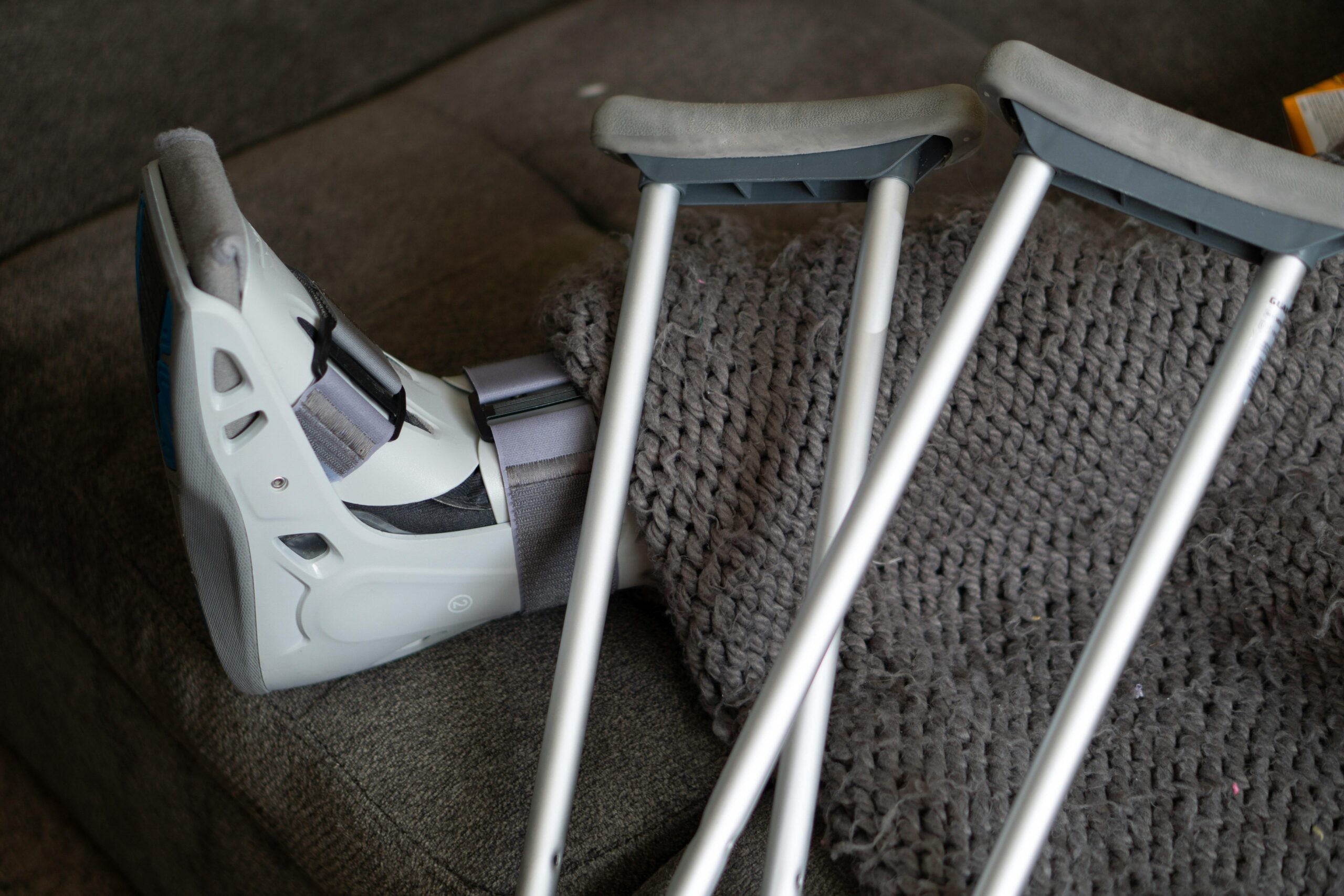
Many injury victims assume they have plenty of time before pursuing legal action. In the days and weeks following a collision or other traumatic event, the focus is often on physical recovery—managing pain, attending medical appointments, and gradually returning to everyday life. The situation can also feel overwhelming, making legal matters seem less urgent. Some individuals are uncertain about the extent of their injuries, while others hope their condition will improve without the need for further action. As a result, contacting a lawyer is frequently delayed, with the expectation that it can be addressed later when things have settled down.
However, this delay is where serious problems often begin. Personal injury claims are highly time-sensitive, and even a short period of inaction can affect the strength of a case. Evidence can be lost, medical records may not fully reflect the progression of injuries, and important details about the accident can become unclear. What feels like harmless waiting can quickly turn into a waiting hire injury lawyer mistake that undermines the entire claim from the very start.
The reality is that time plays a critical role in personal injury cases. The longer a victim waits, the more opportunities there are for evidence to disappear, witness memories to fade, and insurance companies to build arguments that reduce or deny compensation. Understanding these risks early helps injury victims make more informed decisions and avoid mistakes that can have long-term financial consequences.
Key Takeaways
- Delaying legal action can weaken a personal injury claim significantly
- Medical documentation becomes harder to build when treatment is postponed
- Evidence and witness accounts can be lost or become unreliable over time
- Insurance companies may use delays to minimize settlement offers
- Legal deadlines (statutes of limitations) can permanently bar claims
- Early legal guidance can improve case outcomes and compensation potential
Understanding Why Waiting After An Injury Hurts Your Claim

Waiting after an accident may seem reasonable, especially when the immediate priority is managing pain, attending medical appointments, or simply trying to understand the extent of the injuries. In many cases, victims assume they can deal with legal matters later, once their condition stabilizes. However, personal injury claims are highly time-sensitive, and delays can gradually weaken the strength of a case in ways that are not always immediately visible.
One of the most important factors in any injury claim is early and consistent documentation. When medical treatment is delayed, it becomes harder to clearly connect the injuries to the accident. Insurance companies often use these gaps to argue that the injuries are unrelated, exaggerated, or caused by a separate event. Even when the pain is genuine, a lack of prompt medical records can significantly reduce the credibility of the claim.
At the same time, evidence connected to the accident begins to disappear quickly. Physical scenes change, vehicles are repaired, and surveillance footage may be overwritten within days or weeks. Witnesses may also forget important details, making their statements less reliable over time. As these elements fade, it becomes more difficult to reconstruct a clear and persuasive account of what happened.
Key risks of delaying action include:
- Loss of medical connection: Gaps in treatment can weaken proof that injuries were caused by the accident
- Fading physical evidence: Accident scenes, vehicle damage, and environmental details may no longer be available
- Unreliable witness memory: Over time, recollections become less precise or inconsistent
- Weakened claim narrative: Missing timelines create opportunities for insurers to dispute credibility
- Lower settlement value: Reduced evidence strength often leads to reduced compensation offers
- Missed legal deadlines: Statutes of limitation can permanently bar a claim if not filed in time
Beyond evidence concerns, delays also affect how the overall claim is structured. Personal injury cases rely on a clear, consistent timeline that links the accident, medical treatment, recovery process, and financial losses. When that timeline is incomplete, insurance adjusters are more likely to challenge the severity of the injuries or delay settlement discussions.
Taking early action helps preserve critical evidence and ensures the claim is built on a solid foundation. At Phoenix Injury Attorneys, early case evaluation is often the difference between a fully supported claim and one weakened by missing information.
Medical Documentation Delays And Their Impact

One of the most damaging consequences of waiting is the gap it creates in medical treatment and documentation. Insurance companies often closely examine the timeline between the accident and the first medical visit, looking for any delay they can use to question the legitimacy or severity of injuries.
Prompt medical attention helps establish a direct connection between the accident and the injuries sustained. Without this early documentation, victims may face challenges in proving that ongoing pain, medical treatment, or long-term complications are directly related to the incident.
Why Immediate Medical Care Matters
- Creates an official record linking injuries to the accident
- Helps identify injuries that may not be immediately visible
- Strengthens medical credibility in a legal claim
- Reduces opportunities for insurers to dispute causation
Without this foundation, even legitimate injuries can be harder to prove and may be undervalued in a claim.
Insurance Company Tactics That Benefit From Delay
Insurance companies are primarily focused on minimizing payouts, and delays in medical treatment or legal action often give them more room to challenge a claim. When victims wait, insurers may argue that the delay itself creates uncertainty about what caused the injuries or how severe they actually are.
Common Tactics Used When There Is A Delay
- Arguing that injuries were not caused by the accident
- Claiming symptoms developed later from unrelated events
- Suggesting the injury is minor due to delayed treatment
- Offering lower settlements based on “lack of immediate documentation.”
These strategies are especially effective when there is a noticeable gap in medical care or reporting. This is why waiting to hire an injury lawyer in mistake situations often leads to reduced compensation or unnecessary disputes that could have been avoided with earlier action.
Evidence Disappears Over Time
Strong personal injury claims depend on evidence that accurately captures what happened at the time of the accident. Unfortunately, this type of evidence is often temporary and can disappear quickly if not preserved.
Types Of Evidence That Can Be Lost
- Photos and videos of the accident scene
- Surveillance footage from nearby businesses or traffic cameras
- Official police or incident reports
- Witness statements and contact information
Why Time Matters
- Skid marks and physical evidence fade quickly
- Video footage is often overwritten or deleted
- Witnesses may forget details or become unreachable
- Scene conditions change, making reconstruction harder
Acting quickly helps ensure that this evidence is preserved before it disappears, strengthening the accuracy and reliability of the claim.
Many injury victims delay taking legal action because they are already dealing with significant financial strain in the aftermath of an accident. Medical treatment costs can accumulate quickly, especially when emergency care, follow-up consultations, diagnostic tests, physical therapy, and prescription medications are involved. At the same time, injuries often force individuals to take time off work, either temporarily or for an extended period. This combination of rising expenses and reduced income creates immediate pressure that can make legal concerns feel secondary or overwhelming.
However, postponing legal action can significantly complicate financial recovery. When claims are not pursued promptly, critical evidence of income loss and accident-related expenses may be incomplete, inconsistent, or harder to verify. Employers may have difficulty providing accurate wage documentation after time has passed, and medical records may become fragmented across different providers. Over time, this lack of clear documentation can weaken the overall claim and make it more difficult to demonstrate the full financial impact of the injury.
Types of Financial Losses That May Be Affected
Injury-related financial damages are often broader than many people initially realize. They may include:
- Lost wages during recovery periods when the victim is unable to work
- Reduced earning capacity if the injury leads to long-term limitations or disability
- Out-of-pocket medical expenses such as hospital bills, medications, rehabilitation, and assistive devices
- Transportation costs for medical appointments and ongoing treatment
- Potential future income losses if the injury affects career progression or job opportunities
Why Early Action Helps
Taking timely legal action plays a crucial role in protecting financial recovery. Early involvement ensures that income loss is properly documented while records are still readily available. It also helps establish a clear connection between the accident and the resulting financial damages, reducing disputes about causation. Additionally, it allows for a more accurate evaluation of future losses, preventing undervaluation in settlement negotiations.
Ultimately, early legal action helps create a comprehensive financial picture of the injury’s impact, which is essential to pursuing a fair and complete claim.
The Legal Deadline Problem (Statutes Of Limitations)
Every personal injury case is governed by strict legal deadlines known as statutes of limitations. These deadlines determine how long a victim has to formally file a claim after an accident occurs.
If this deadline passes, the right to pursue compensation may be permanently lost—even if the case is strong and well-documented.
Key Risks Of Missing The Deadline
- The case may be dismissed entirely by the court
- No legal right to recover damages
- Insurance companies have no obligation to negotiate
- Evidence may no longer be usable in a claim
This makes delay especially dangerous, as victims may unknowingly lose their legal rights simply by waiting too long to act.
Why Early Legal Help Strengthens Your Case

Taking early legal action significantly improves the likelihood of a strong and well-supported claim. When an injury occurs, crucial details can begin to fade almost immediately—memories become less precise, physical evidence may be cleaned up or repaired, and witnesses can become harder to locate. Engaging legal support at the earliest stage helps preserve these critical elements and ensures that the case is built on a solid factual foundation rather than incomplete or weakened information.
An experienced legal team can immediately step in to protect evidence, organize documentation, and guide the case from the earliest stages. This early involvement is not just about preparing for a claim—it is about actively preventing avoidable mistakes that could reduce the value or credibility of the case later on.
At Phoenix Injury Attorneys, early involvement ensures that critical steps are taken before important information is lost or deadlines are missed. The firm acts quickly to secure evidence, organize case details, and put the necessary legal protections in place from the outset. This proactive approach helps prevent avoidable gaps in documentation that could weaken a claim later on.
By stepping in early, Phoenix Injury Attorneys also takes over communication with insurance companies right away. This direct handling helps prevent clients from making accidental misstatements or agreeing to premature settlements that may undervalue their claim. It also reduces the risk of procedural delays caused by incomplete or improperly managed correspondence. Through this immediate and strategic engagement, the firm helps protect the integrity of the case and strengthens the client’s position from day one.
How Early Legal Help Strengthens A Claim
Evidence preservation: Secures photos, footage, and witness information before it disappears
Early legal intervention ensures that accident scenes are properly documented, surveillance footage is requested before it is overwritten, and witness statements are collected while memories are still fresh. This can be essential in reconstructing what actually happened and establishing liability.
Medical documentation support: Helps ensure injuries are properly recorded and connected to the accident
Timely legal guidance encourages consistent medical treatment and proper documentation. This helps create a clear link between the accident and the injuries sustained, reducing the risk of insurers arguing that the condition was pre-existing or unrelated.
Insurance communication: Prevents statements or delays that could weaken the claim
Insurance companies often attempt to gather early statements that may be incomplete or misinterpreted. Having legal representation helps ensure that all communication is handled carefully, accurately, and in a way that protects the claimant’s interests.
Deadline protection: Ensures all filing requirements are met on time
Personal injury claims are governed by strict statutes of limitations and procedural deadlines. Early legal assistance ensures that no critical filing dates are missed, preserving the right to pursue compensation.
Early guidance helps build a more organized, credible, and persuasive case, improving the chances of achieving fair compensation.
Conclusion
Waiting after an injury is one of the most costly mistakes a victim can make. While it may seem reasonable to delay legal action while focusing on rest, recovery, or uncertainty about the severity of injuries, that delay often comes with serious consequences. As time passes, critical evidence can disappear, medical documentation may become incomplete or harder to connect directly to the accident, and the overall strength of a claim can steadily decline without the victim even realizing it.
In more serious cases, delaying action can significantly reduce the value of a settlement or even prevent a claim from being successfully filed. What starts as “waiting to see how things go” can quickly turn into lost opportunities to protect legal rights and recover fair compensation. Insurance companies are often prepared to take advantage of these gaps in time, using them to challenge injuries or limit payouts.
Taking early action helps protect both health and legal rights. Seeking prompt medical care ensures injuries are properly diagnosed and documented from the start, while early legal guidance helps preserve evidence, meet critical deadlines, and build a stronger overall case. By acting quickly, injury victims place themselves in a far better position to pursue the full and fair compensation they may be entitled to.
Frequently Asked Questions
1. Why Is Waiting After An Injury A Mistake?
Waiting after an injury can significantly weaken a personal injury claim. Important evidence may be lost, medical records may not clearly document the connection between the accident and the injuries, and insurance companies may use delays to argue that the injuries are less serious or unrelated. These factors can reduce the strength and value of a claim.
2. How Soon Should I Contact An Injury Lawyer After An Accident?
It is best to contact an injury lawyer as soon as possible after an accident. Early legal involvement helps preserve evidence, ensure proper documentation of injuries, and protect your rights from the beginning of the claims process. Delaying contact can limit the ability to build a strong case.
3. Does Waiting Affect My Medical Claim?
Yes, waiting can negatively affect a medical claim. Delayed treatment may create gaps in medical records, making it harder to prove that injuries were caused by the accident. Insurance companies often use these gaps to question the severity or origin of injuries.
4. Can I Still File A Claim If I Waited Too Long?
You may still be able to file a claim, but it depends on the statute of limitations in your jurisdiction. If the legal deadline has passed, you may lose your right to pursue compensation entirely, regardless of the strength of your case. This is why timing is critical.
5. What Happens If Evidence Is Lost Due To Delay?
If evidence is lost due to delay, it can significantly weaken your case. Missing photos, surveillance footage, or witness statements make it more difficult to establish liability and prove damages, which can ultimately reduce the compensation you may recover.