


Key Takeaways
- Soft tissue injuries are among the most common injuries suffered after car accidents, slip and falls, workplace incidents, and other traumatic events.
- Standard X-rays are designed primarily to detect bone fractures and joint abnormalities, not damage to muscles, tendons, ligaments, or other soft tissues.
- Many accident victims receive normal X-ray results despite experiencing significant pain and mobility limitations.
- Hidden injuries such as whiplash, sprains, strains, herniated discs, and torn ligaments may require advanced imaging such as MRI or CT scans for diagnosis.
- Symptoms of soft tissue injuries often appear hours or days after an accident.
- Prompt medical evaluation and proper documentation are important for both recovery and potential injury claims.
- A negative X-ray does not necessarily mean you were not injured.
After an accident, one of the first diagnostic tools doctors often use is an X-ray. If the X-ray does not reveal a fracture or dislocation, many people assume they escaped serious injury.
However, that assumption can be misleading. Many accident victims continue experiencing pain, stiffness, swelling, headaches, reduced mobility, and other symptoms despite receiving normal X-ray results. In these situations, the underlying problem is often a soft tissue injury.
Soft tissue injuries affect structures such as muscles, ligaments, tendons, cartilage, nerves, and connective tissues. Because traditional X-rays are not designed to visualize these structures clearly, significant injuries can go undetected during an initial examination. Understanding why soft tissue injuries do not typically appear on X-rays can help accident victims recognize the importance of continued medical care when symptoms persist.
What Are Soft Tissue Injuries?

Soft tissue injuries refer to damage affecting the body’s non-bony structures, which are essential for everyday movement, strength, and stability. While bones provide the framework of the body, soft tissues are what allow that framework to move, bend, absorb impact, and function smoothly. When these tissues are injured, even simple activities like walking, lifting, or turning can become painful and difficult.
Soft tissues are made up of several important components, including:
Muscles – responsible for movement and force production
Tendons – strong cords that connect muscles to bones
Ligaments – tough bands that connect bones to other bones and stabilize joints
Cartilage – smooth tissue that cushions joints and reduces friction
Fascia – connective tissue that surrounds and supports muscles and organs
Other connective tissues – provide structure and support throughout the body
Nerves – transmit signals such as pain, pressure, and movement instructions
Blood vessels – supply oxygen and nutrients while removing waste
When any of these structures are stretched beyond their normal range, compressed, torn, or inflamed, the result is a soft tissue injury. These injuries can occur suddenly, such as during a fall, car accident, or sports impact, or they can develop gradually from overuse and repetitive strain.
Common symptoms include pain, swelling, stiffness, bruising, reduced range of motion, and muscle weakness. However, one of the most challenging aspects of soft tissue injuries is that they often do not produce visible external signs. Unlike fractures, which can sometimes be seen on the surface or confirmed with an X-ray, soft tissue damage may remain hidden while still causing significant discomfort and functional limitations. Because of this, soft tissue injuries are sometimes underestimated, even though they can take days, weeks, or even months to fully heal, depending on severity.
How X-Rays Work
To really understand why soft tissue injuries are so often missed, it helps to start with what an X-ray is actually built to do—and just as importantly, what it is not designed for.
An X-ray is one of the oldest and most commonly used imaging tools in medicine. It works by sending a small, controlled amount of electromagnetic radiation through the body. As those rays pass through, different tissues absorb them at different rates depending on how dense they are. A detector on the other side captures what gets through, and that information is turned into an image.
The key idea here is density. X-rays are especially good at showing differences between hard, dense structures and softer, less dense ones.
Dense materials—like bone—absorb a large portion of the radiation. Because they block more of the X-rays from passing through, they show up clearly on the image as bright white areas. That contrast is what makes fractures, dislocations, and bone deformities relatively easy for doctors to spot.
Some of the structures that appear clearly on X-rays include:
- Bones and skeletal structure
- Teeth and jawbone
- Major joint alignments
- Certain calcified or hardened tissues
These are all solid, mineral-rich structures that stand out strongly against the background of the image. On the other hand, softer tissues in the body behave very differently. Muscles, ligaments, tendons, cartilage, and nerves are much less dense and contain more water and flexible fibers rather than calcium or hard minerals. Because of this, they don’t block X-rays in a consistent or visually distinct way.
Instead, they allow most of the radiation to pass through, which causes them to appear faint, blended, or sometimes almost invisible on the final image. The problem is not that these structures are absent on the scan—it’s that they don’t create enough contrast to be clearly separated from surrounding tissues.
Even more challenging, many soft tissues share similar densities with one another. A ligament tear, for example, may not look dramatically different from surrounding healthy tissue on an X-ray. There’s simply not enough variation in how they absorb radiation to create a clear visual difference.
This is why structures like muscles, ligaments, and tendons often don’t stand out on X-rays at all. The image is excellent for showing the body’s “framework,” but it struggles when it comes to the body’s moving parts.
In short, X-rays are built to reveal bones, not the soft tissues that support and connect them. That limitation is the main reason so many painful injuries can exist even when an X-ray looks completely normal.
The Key Reason Soft Tissue Injuries Don’t Show on X-Rays

The main reason is simple: X-rays are designed to detect differences in density, and soft tissues have very similar densities.
When X-rays pass through muscles, ligaments, and tendons, they all absorb radiation in nearly the same way. This creates a lack of contrast, meaning the resulting image does not clearly distinguish one soft tissue from another.
So even if a ligament is torn or a muscle is severely strained, the X-ray may still look completely normal.
Think of it like this:
Imagine taking a black-and-white photo of several objects that are all the same shade of gray. Even if one object is damaged, cracked, or torn, it will still look almost identical in the image because there is no contrast to highlight the damage.
That is exactly what happens with soft tissues on X-rays.
Why Bones Appear Clearly, but Soft Tissues Do Not
Bone contains calcium, which is highly effective at absorbing X-ray radiation. This is why fractures are so easy to detect. A break creates an obvious interruption in the bone’s structure, which shows up as a visible line or displacement.
Soft tissues, however, are made mostly of:
- Water
- Collagen
- Elastic fibers
These components do not absorb X-rays strongly enough to create detailed images. As a result:
- Muscles blend into the surrounding tissue
- Ligaments are nearly invisible
- Tendons appear faint and indistinct
- Cartilage is barely detectable
Even when swelling or inflammation is present, the changes are often too subtle for X-rays to capture.
What X-Rays Can Show About Soft Tissue Injuries

Although X-rays cannot directly show most soft tissue injuries, they can sometimes provide indirect clues that something is wrong. For example, X-rays may reveal:
1. Swelling in Surrounding Areas
Severe swelling may slightly alter the appearance of soft tissue shadows, but this is not always reliable.
2. Fluid Accumulation
In some cases, joint effusion (fluid buildup) may be visible, especially around the knee or elbow.
3. Indirect Signs of Injury
X-rays might show:
- Abnormal joint spacing
- Misalignment suggesting ligament damage
- Small avulsion fractures (where a ligament pulls a piece of bone off)
4. Rule Out Bone Damage
This is one of the most important uses of X-rays. Even when soft tissue injury is suspected, doctors use X-rays to ensure there are no hidden fractures. So while X-rays may not show the injury itself, they help rule out more serious bone-related conditions.
What To Do If You’re Still Hurting After a Normal X-Ray
A normal X-ray can be reassuring, but it does not always explain ongoing pain. Many soft tissue injuries—such as ligament sprains, muscle strains, disc injuries, or nerve irritation—will not appear on standard imaging. So if you are still hurting days or even weeks after being told your X-ray is “clear,” your symptoms still deserve serious attention.
Pain is a signal from your body that something may still be wrong, even if it is not visible on initial scans. Instead of ignoring persistent discomfort, it is important to take the right next steps to ensure an accurate diagnosis and proper treatment.
Schedule Follow-Up Evaluations
If your symptoms continue, the first and most important step is to return to your healthcare provider for a follow-up assessment. Injuries can evolve, and what seems minor at first may become more noticeable as inflammation increases or the body’s initial shock wears off. Follow-up care ensures that your recovery is being monitored properly and not left to guesswork.
During a follow-up visit, your doctor may:
- Re-examine the affected area for swelling, tenderness, or instability
- Check your range of motion and strength
- Compare your current symptoms with your initial evaluation
- Determine whether your condition is improving, stable, or worsening
Request Advanced Imaging, like MRI
If pain persists despite a normal X-ray, your doctor may recommend more detailed imaging. X-rays are excellent for detecting fractures, but they cannot show most soft tissue injuries.
In many cases, an MRI (Magnetic Resonance Imaging) scan is the next step because it can reveal:
- Ligament tears
- Muscle injuries
- Tendon damage
- Herniated or bulging discs
- Nerve compression
- Internal inflammation
Depending on your symptoms, other imaging options like ultrasound or CT scans may also be useful. Asking your doctor whether advanced imaging is appropriate can help uncover hidden injuries that X-rays cannot detect.
Follow All Medical Recommendations
Even if your X-ray results are normal, following your treatment plan is critical for recovery. Many soft tissue injuries require time, rest, and structured rehabilitation to heal properly. Skipping treatment or returning to full activity too quickly can worsen the injury or delay healing. Consistency with medical care plays a major role in long-term recovery.
Your doctor may recommend:
- Physical therapy exercises
- Pain or anti-inflammatory medication
- Activity modification or rest
- Heat or ice therapy
- Gradual return to normal movement
Track Symptoms Consistently
Keeping a record of your symptoms can help both you and your healthcare provider understand how your condition is progressing. Pain and mobility issues can change daily, especially in soft tissue injuries.
Try documenting:
- Pain levels (mild, moderate, severe)
- When symptoms worsen or improve
- Activities that trigger discomfort
- Sleep disruptions due to pain
- Any new symptoms, such as numbness or weakness
This information can help identify patterns and provide valuable insight during medical appointments.
Avoid Self-Diagnosis
It is common to search online for answers when pain continues without a clear diagnosis, but self-diagnosis can be misleading. Many conditions share similar symptoms, and without proper medical evaluation, it is easy to misinterpret what is happening.
Avoid:
- Assuming the injury is “just a strain”
- Ignoring worsening symptoms
- Delaying follow-up care
- Relying only on internet searches for diagnosis
Only a qualified healthcare professional can accurately assess your condition using physical examination and appropriate imaging.
Persistent Pain Should Always Be Reassessed
Most importantly, never ignore ongoing pain after a normal X-ray. Imaging is just one tool in the diagnostic process—it does not replace clinical evaluation or patient symptoms.
If discomfort continues, worsens, or begins to interfere with daily life, it should always be reassessed by a healthcare professional. Early follow-up and proper investigation can prevent complications, speed up recovery, and ensure that hidden injuries are not overlooked. Your body is giving you important signals—listening to them is the first step toward proper healing.
Why Doctors Still Use X-Rays First
Even though X-rays have clear limitations when it comes to soft tissue injuries, they remain one of the most important and widely used diagnostic tools in modern medicine. In emergency rooms, urgent care centers, and even sports medicine clinics, X-rays are often the very first imaging test ordered after an injury.
That may seem counterintuitive—especially when we know that muscles, ligaments, and tendons don’t show up well on X-rays. But the reason doctors rely on them first has less to do with what X-rays can miss and more to do with what they can quickly and reliably rule out. In medicine, speed, safety, and prioritization matter just as much as detail.
Fast, Readily Available, and Ideal for Emergencies
One of the biggest reasons X-rays are used first is simple: they are fast and widely available almost everywhere medical care is provided.
In many hospitals and clinics, an X-ray machine is either in the emergency department or just a short distance away. This means imaging can often be completed within minutes of a patient’s arrival. The actual scan itself usually takes only a few seconds, and results can be interpreted almost immediately by a physician or radiologist.
This speed is critical in situations such as:
- Car accidents
- Sports injuries
- Falls, especially in older adults
- Workplace injuries
- Suspected fractures after trauma
In emergency medicine, time matters. Doctors need to quickly determine whether a patient has a life-threatening or limb-threatening injury. X-rays provide a rapid first look that helps guide the next steps in care.
Even in smaller clinics or rural healthcare settings, X-ray machines are far more common than advanced imaging tools like MRI scanners, which require specialized facilities and longer scheduling times.
Cost-Effective Compared to Advanced Imaging
Another major reason X-rays are the first line of imaging is cost efficiency. Compared to MRI and CT scans, X-rays are significantly less expensive to perform. This makes them more accessible not only for healthcare systems but also for patients, especially in cases where multiple imaging tests might otherwise be needed.
To understand the difference:
- X-rays are relatively low-cost and quick to produce
- CT scans are more expensive and involve higher radiation exposure
- MRI scans are the most expensive and require longer appointment times
Because healthcare providers must balance medical accuracy with affordability and resource availability, X-rays are often used as the first step to determine whether more advanced imaging is even necessary. This approach prevents unnecessary costs while still ensuring that serious conditions are not missed.
The Most Reliable Way to Rule Out Fractures
Perhaps the most important reason doctors rely on X-rays first is their ability to detect or rule out bone fractures with high accuracy.
When someone suffers an injury, especially from impact or twisting forces, there are two broad categories of possible damage:
- Bone injuries (fractures or dislocations)
- Soft tissue injuries (sprains, strains, tears)
Before focusing on soft tissue damage, doctors must first ensure there is no broken bone. This is because fractures often require immediate and specific treatment, such as:
- Casting or splinting
- Realignment of displaced bones
- Surgery in severe cases
- Immobilization to prevent further damage
Missing a fracture can lead to serious complications, including improper healing, chronic pain, or long-term disability. X-rays are highly effective at revealing:
- Hairline fractures
- Obvious breaks or bone displacement
- Joint misalignment
- Avulsion fractures (where a tendon or ligament pulls off a piece of bone)
Once a fracture is ruled out, doctors can safely shift focus toward soft tissue evaluation, knowing that immediate bone-related emergencies are not present. In this way, X-rays act as a critical safety filter in the diagnostic process.
Low Radiation Exposure and Safety Considerations
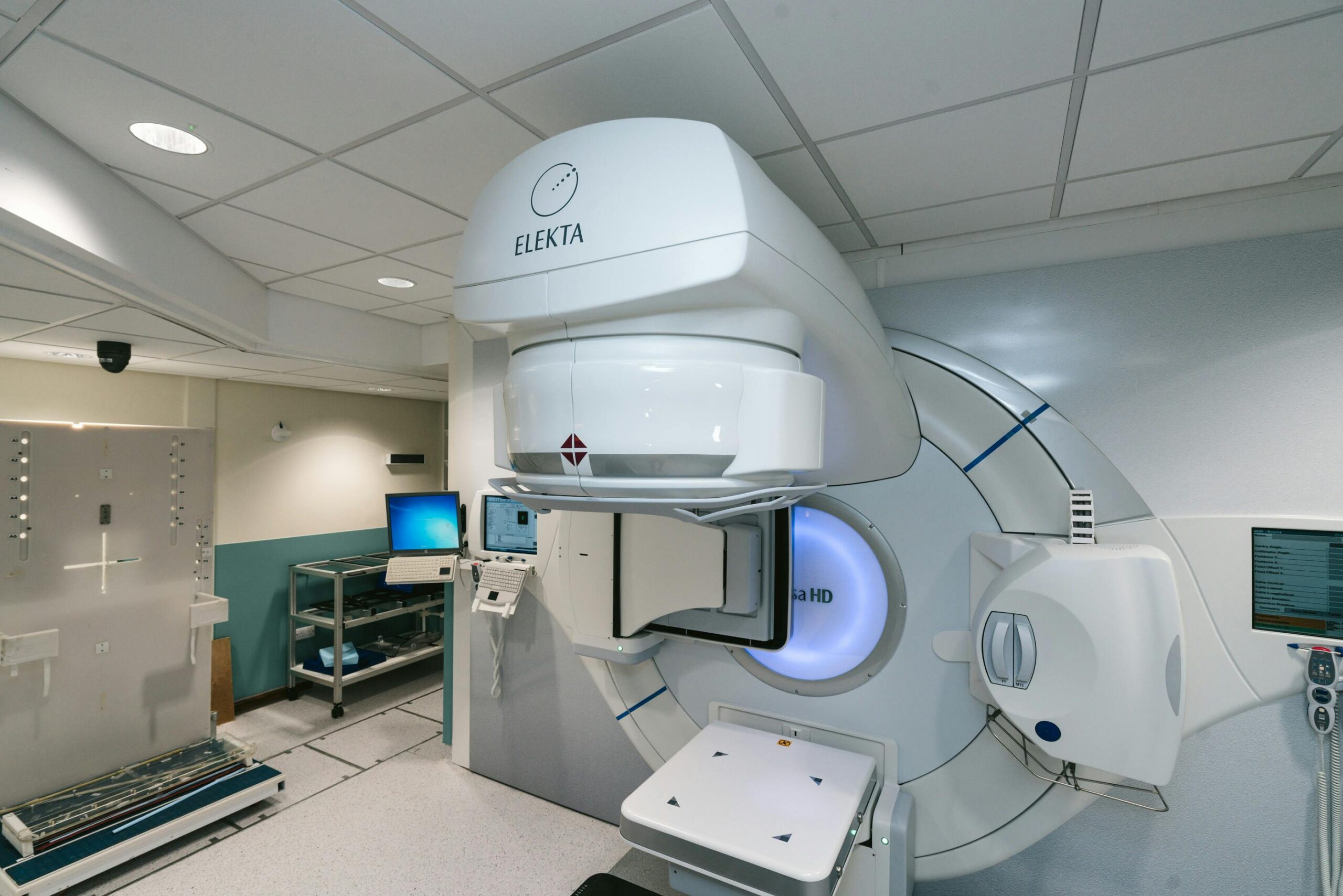
Another important factor is that X-rays are considered safe when used appropriately, especially compared to other imaging techniques that involve higher radiation doses. While it is true that X-rays use ionizing radiation, the amount used in most diagnostic procedures is relatively small. In fact, a standard X-ray often exposes a patient to a radiation dose similar to what they would naturally receive from the environment over a few days to a few weeks.
Doctors are trained to follow strict guidelines to ensure radiation exposure is kept:
- As low as reasonably achievable (a principle known as ALARA)
- Limited to only when medically necessary
- Carefully targeted to the area of concern
This makes X-rays a low-risk option for initial evaluation, especially in acute injury settings where the benefits far outweigh the minimal exposure risk. Compared to CT scans—which involve significantly higher radiation doses—X-rays are a much safer first step in the diagnostic pathway.
Why X-Rays Come First—But Not Alone
Taken together, these advantages explain why X-rays are still the go-to starting point in injury assessment:
- They are fast enough for emergencies
- They are widely available in most healthcare settings
- They are affordable compared to advanced imaging
- They are highly effective at identifying fractures
- They involve relatively low radiation exposure
However, it is equally important to understand what this means in practice: an X-ray is often the beginning of diagnosis, not the full picture.
When X-rays come back normal, but symptoms persist—such as pain, swelling, stiffness, or instability—doctors often move on to more detailed imaging like MRI or ultrasound. These tools are better suited for detecting soft tissue injuries that X-rays cannot show.
The Bigger Picture in Medical Diagnosis
In modern medicine, imaging is rarely used in isolation. Instead, it works alongside:
- Physical examinations
- Patient history and symptom descriptions
- Functional movement tests
- Follow-up evaluations over time
X-rays play a crucial role in quickly narrowing down possibilities. They help answer an essential first question: “Is there a fracture or major bone injury that needs immediate treatment?” If the answer is no, doctors can safely explore other causes of pain or dysfunction.
Conclusion
Soft tissue injuries often do not show on X-rays because X-rays are designed primarily to visualize dense structures like bones, not muscles, ligaments, tendons, cartilage, or nerves. As a result, many painful and serious injuries may remain invisible on standard imaging even when symptoms are significant.
Whiplash, sprains, muscle strains, herniated discs, tendon tears, and cartilage injuries can all produce severe pain and disability despite normal X-ray findings. This is why doctors frequently rely on additional imaging methods such as MRI, ultrasound, and CT scans when soft tissue damage is suspected.
Most importantly, a normal X-ray does not mean a person is uninjured. Persistent pain, swelling, stiffness, weakness, numbness, or limited mobility should never be ignored simply because initial imaging appears normal.
Understanding the limitations of X-rays can help patients seek appropriate treatment, avoid delayed diagnosis, and protect their long-term health. Early medical evaluation, accurate diagnosis, and proper treatment remain essential for recovery after any accident or injury involving soft tissue damage.
Frequently Asked Questions
1. Can soft tissue injuries still be serious if an X-ray is normal?
Yes. Even when X-rays show no abnormalities, injuries to muscles, ligaments, tendons, or spinal discs can still be severe and may lead to ongoing pain and long-term complications.
2. Why do I still feel pain if my X-ray results are normal?
X-rays mainly detect bone issues. Soft tissue damage—such as injuries to muscles, ligaments, tendons, and nerves—does not typically appear on standard X-ray imaging.
3. What imaging test is best for soft tissue injuries?
MRI scans are usually the most effective diagnostic tool for identifying soft tissue injuries because they provide detailed images of muscles, ligaments, tendons, and discs.
4. Can whiplash be seen on an X-ray?
No, whiplash generally does not show up on X-rays since it primarily involves soft tissue damage rather than bone fractures.
5. When do symptoms of soft tissue injuries usually appear?
Symptoms can appear immediately after an accident, but they may also develop gradually over hours, days, or even longer as inflammation increases.
6. Can a herniated disc be detected on an X-ray?
No. Herniated discs are soft tissue-related conditions and are typically diagnosed using MRI or other advanced imaging techniques, not X-rays.
7. Do I need an MRI if my X-ray is normal but I still have pain?
In many cases, yes. If pain continues despite normal X-ray results, a healthcare provider may recommend an MRI to check for hidden soft tissue injuries.
8. What are common hidden injuries after an accident?
Common injuries include whiplash, muscle strains, ligament sprains, tendon damage, herniated discs, concussions, and nerve injuries.
9. Can soft tissue injury claims be challenged by insurance companies?
Yes. Because these injuries are not always visible on X-rays, insurance companies may dispute claims, making strong medical documentation very important.
10. What should I do if my pain worsens after a normal X-ray?
You should seek further medical evaluation promptly. Worsening symptoms may indicate an underlying injury that requires additional testing and treatment.