

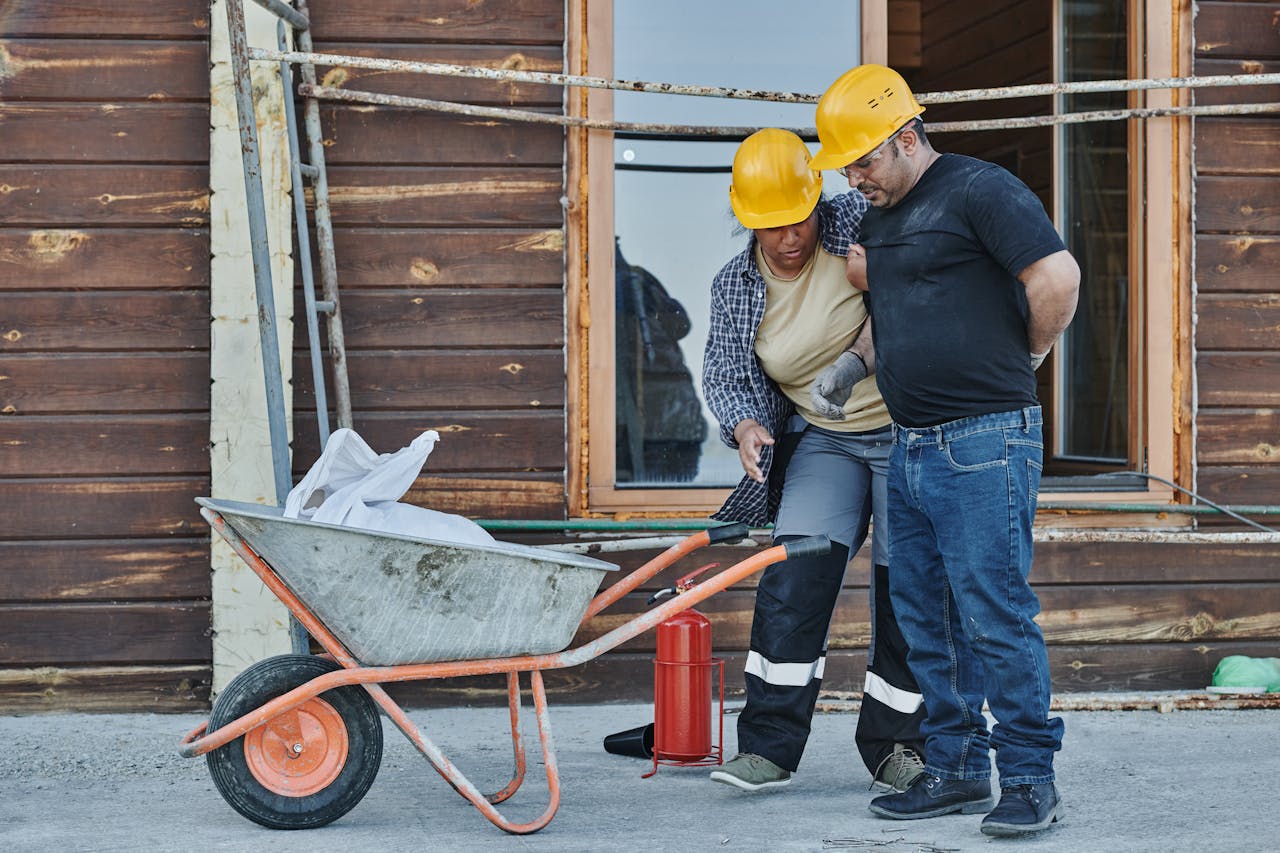
A construction injury consultation gives you a step-by-step review of your case with a legal expert who knows workplace injury law. You sit down with a lawyer or legal consultant who inquires about the accident, your occupation, and your injury. You provide specifics such as the location and circumstances of the accident, any witnesses, and treatment received. You can bring documents such as accident notes, work logs, or medical records. The lawyer listens and determines if your case qualifies for a claim or lawsuit. You receive straightforward guidance on your rights, actionable next steps, and what to expect next. This initial appointment educates you about your options and what avenues may suit you best.
Key Takeaways
- You need to notify your construction injury without delay, record the incident as best you can, and collect all relevant evidence, including medical records and witness statements, to support your claim.
- Take care of yourself first. Get immediate medical evaluation, follow through with treatment, and keep detailed records of all care and rehabilitation.
- Prepare for your consultation by organizing your account of the accident, assembling key documents, and formulating specific questions for your attorney to ensure an efficient and productive meeting.
- Expect your attorney to conduct a detailed fact-finding process, assess liability, and evaluate both economic and non-economic damages to outline the strongest legal strategy for your case.
- Think about the far-reaching consequences of your injury on your life, work, and family. Stay candid with your attorney and physicians about your current demands and anxieties.
- Be aware of your compensation options, such as workers’ compensation and third-party claims, and stay attentive to key deadlines to safeguard your rights throughout the legal process.
Your First Steps After Injury
After a construction accident, your first steps are safety and health. Quick action will assist you in preserving your rights and establishing a solid construction injury claim if you require one. Your first steps matter; they can define both your medical recovery and your construction accident lawsuit.
Seek immediate medical care, even if you believe your injury to be minor. Initial treatment prevents missing a latent injury and helps establish that your injuries were caused by the accident.
Report the accident to your foreman or site manager immediately. This satisfies legal requirements and initiates the paperwork for workplace injury claims.
Write it all down. Record the time, location, and specifics of the accident. Observe conditions at the site, what you were doing, and who witnessed the incident.
Gather names and contact information for any witnesses. Eyewitnesses can confirm your side of the story.
Find out what your rights are as an injured worker. Be aware of the timelines specific to your territory.
Know what types of claims can be made. You might be eligible to file for workers’ compensation, a third-party liability claim, or both. Workers’ comp claims do not require liability, but third-party claims do.
Medical Care
Get a thorough medical workup to identify all injuries, even the less obvious ones. Injuries can sometimes emerge later. Initial chiropractic documentation can help ensure you receive the proper treatment and can demonstrate the injury is accident-related.
Follow your doctor’s treatment plan and document all appointments, prescriptions, and expenses. If you skip visits or don’t follow medical advice, it can damage your case and impede your recovery.
Maintain records of all physical therapy or rehab appointments. These records are essential for your recovery and for a potential claim.
Be brutally honest with your healthcare providers. Explain any symptoms or other changes. This helps them treat you right and keeps your records full and accurate.
Incident Report
They have you fill out an incident report on what occurred. Be descriptive. Describe the time, location, what you were doing before the accident, and any injuries you observed.
Include witness statements and indicate if you saw any safety violations, like missing guardrails or broken machinery. These specifics can demonstrate if regulations were disregarded at the location.
Request a copy of the report. File it with your own paperwork. This record may be crucial if you seek a legal claim.
File your claim immediately. Delays can whittle down your case or your legal options.
Evidence Gathering
Take clear pictures of the injury, the accident location, and any dangers that were a factor.
Save emails, texts, or written notes about the incident.
Collect names and contacts for all witnesses.
Request copies of safety logs and incident reports.
Obtaining witness information is critical to demonstrating fault in a construction accident lawsuit. If you intend to pursue damages outside workers’ compensation, you will have to demonstrate liability claims. Hold on to safety records, which can point out historical issues at the construction site. Document any discussions you have with your employer or insurance companies, as these logs can come in handy if there is a later dispute about what was said or promised.
Preparing For Your Consultation
A construction injury consultation is your initial opportunity to determine if you have a construction accident lawsuit. This consultation allows you to discuss your situation with an experienced construction accident attorney and outline the steps you should take next. You’ll need to provide context about the incident, including the type of construction site injury, when and where it occurred, the treatments received, and a description of your injuries. While this is not an obligation, it serves as a chance to educate yourself about your rights and the construction accident lawsuit process. Timely notices are crucial, as many insurance companies require immediate communication. The attorney will use the information you share to assess whether your case meets the “serious injury threshold” under no-fault rules and to identify any applicable time limits.
Your Story
To pursue a construction accident lawsuit, provide an accurate and truthful explanation of how the injury occurred. Detail the sequence leading up to, during, and after the accident, such as slipping on wet scaffolding. Include specifics like when and where it happened, along with any witnesses present. Discuss what you were doing at the time, the weather conditions, and any hazards that may have contributed. If you have prior injuries or health problems, it’s essential to mention them, as they can affect the outcome of your construction injury claim.
Additionally, describe how the injury has impacted your lifestyle. Share details about pain, lost workdays, or any restrictions on your activities. Express any feelings of stress or anxiety regarding bills, as these emotions are crucial to your narrative. Being honest about any missteps in reporting, such as not informing your employer immediately, is vital, as it may influence your construction accident case.
Key Documents
Bring with you any paperwork that can support your story. This should include medical records and bills, as well as lists of treatments you’ve had. If you have an incident report from your site supervisor or employer, include that too. Photos of the scene, your injuries, or equipment are useful, as are witness statements from coworkers who witnessed the accident.
Work records do as well, particularly those that demonstrate your position and any lost pay. If you discuss this with your boss, HR, or insurance company, bring printouts of those emails or letters. Insurance regulations can be strict on notice and claims, and this paperwork is often critical.
Your Questions
Have a list of questions for your lawyer. Start with the big picture: What are the next steps in the construction injury claim process? Inquire about potential damages you can recoup, like medical expenses and income you missed out on due to being unable to work.
Verify your attorney’s experience with these cases. Ask how they approach claims like yours and how they typically approach court or settlement negotiations. Learn about timelines, what dates count, and how long each phase might take. These deadlines you need to know. Miss one, and your claim is over before it began.

What Happens During The Consultation?
A construction injury consultation is your first step toward understanding your legal rights and options after a construction accident. During this meeting, we gather information, define your objectives, and outline the construction accident lawsuit process. You’ll work closely with your experienced construction accident attorney to navigate the specifics, from fault to injury, and develop a strategy tailored to your unique situation.
1. The Initial Discussion
You begin by telling your story. Your lawyer hears about the circumstances surrounding what caused the injury, the accident, and the effect it had on you physically and psychologically. If you’re still hurting or having a hard time with activities, you need to describe how everyday life has been modified or whether you require continuing treatment. This is the time to discuss the emotional aspect—stress, anxiety, or trauma, as each will influence the way your claim is approached.
Mention any discussions you’ve had with insurance adjusters or your employer. This assists your lawyer in getting a feel for what’s already been said and in identifying any premature errors. You get to clarify what you want from the process — compensation, policy changes, etc.
2. The Fact-Finding
Your lawyer will inquire about the details of the accident, where, when, and how it occurred. These questions assist in constructing a worksite, tool, and personnel profile. You just need to bring along whatever records you may have, medical reports, photos, or witness contacts. Each is a building block for your case.
You’ll discuss any safety rules in place at the time and if you noticed any breaches, such as missing guardrails or faulty gear. This helps your attorney assess if laws were broken or if standards were ignored. After gathering these facts, your attorney evaluates how strong your account is and where any gaps might be.
3. The Liability Analysis
The construction accident attorney checks for liability in the case, which might involve your employer, a subcontractor, or even a manufacturer if defective machinery was used. During this process, you’ll discuss the actions of each party involved. Occasionally, multiple parties are at fault, and your lawyer will explain how joint liability could affect your settlement in a construction accident lawsuit. Knowing who is at fault is key, as it determines where payment might come from, such as workers’ compensation or third-party claims.
4. The Damages Evaluation
You go over all losses, from hospital bills to lost wages, when assessing a construction injury claim. Non-economic losses such as pain, emotional distress, or loss of enjoyment are factored in as well. If your injury will require ongoing care or prevent you from working long-term, these future costs are included in the construction accident lawsuit process. Your lawyer will want to hear about any prior injuries that could complicate the case, as insurers will argue that certain harm was not caused by the new accident.
5. The Strategic Plan
During the consultation, you and your construction accident attorney set objectives and determine if a settlement or judicial action is preferable. Together, you chart major milestones in your construction accident lawsuit process, such as paperwork deadlines or when to anticipate updates, ensuring you always know what is next.
The Human Element Of Your Case
What you’re up against after a construction site injury isn’t just black and white. The consultation isn’t all legal jargon or talking about medical charts. This is your time to focus on your healing, how this injury affects your future, and how this incident sends waves through your life at home. Each tale is unique, molded by your experiences, your profession, and your routine. The construction accident lawsuit process cares about these details because they demonstrate who you are and how your life has been transformed.
Your Well-Being
Your safety and health should always come first, especially immediately following a construction accident and as your recovery progresses. If you haven’t already, getting a complete medical examination is essential, even if your injury seems minor. Some construction site injuries may not present themselves immediately, so a clean bill of health is crucial for your construction injury claim and your peace of mind. Many individuals experience construction accident injuries that lead to pain, immobilization, or the need for ongoing care, including physical therapy. Each visit and report contributes to the overall picture of your current situation and future needs.
Discussing your health with your construction accident attorney is just as vital as consulting with your physician. If you experience anxiety, insomnia, or mood swings due to your injury, make sure to include those details. Trauma can affect both the body and mind, and psychological support, such as counseling, can assist you in managing anxiety, depression, or post-traumatic stress. Your attorney should be aware of these effects, as they are relevant to your construction accident lawsuit process. Open communication enables your legal team to effectively demonstrate the human element of your injury.
Sometimes cultural or language barriers make it difficult to receive proper care or communicate your needs. If this applies to you, inform your lawyer so they can provide you with materials that suit your profile. Support groups and social services can assist you and your family through this trying period as well.
Future Impact
Your injuries can alter your trajectory at work and in life, especially for injured construction workers who may struggle to return to their former positions or be forced to change professions. Consider what you do every day at work—lifting, walking, using tools. Following a debilitating construction site injury, simple actions might be difficult or unfeasible. This loss is not just about the money; it is about your meaning and autonomy.
Physical injury is not the only long-term effect of construction injuries. Continued medical attention, therapy, or assistive devices can be very expensive. Try to get records and bills to demonstrate these needs and costs. Your construction accident attorney considers whether you could require assistance in the future, not just in the present. This can include lost wages, new job training, or home modifications to get you moving. Every bit helps demonstrate how the construction accident altered your existence.
Others fear how a jury will perceive their narrative. Your credibility, pre-existing injuries, and how well you articulate your incident all count in the construction accident lawsuit process. Defense lawyers will highlight old injuries or inconsistencies in your narrative. It assists in providing candid, specific responses regarding your experiences and profession. Your background, the language you speak, your culture, or your immigrant status could enter the case.
Family Concerns
Your injury doesn’t just impact you; it upsets the equilibrium at home. Relatives, even those who become caregivers themselves, can have their relationships and routines strained. If you can’t work due to construction site injuries, your household income may fall, compounding stress about bills or rent. Medical bills, whether they are yours or for a loved one, can accumulate quickly, so discuss options for financial assistance with your construction accident attorney.
The kids, spouse, or parents might be scared, depressed, or angry, scrambling to adapt. Some families find it helpful to do support groups or counseling together. By involving family members in your meetings with your lawyer, you can ensure that everyone is on the same page about the construction accident lawsuit process and what to expect. This mutual awareness can alleviate anxiety and assist your family in future planning.
Even as the primary breadwinner, your injury could cause others in your household to pick up the slack or alter their plans. This ripple effect may persist for months or years, particularly if your recovery is slow or partial. The law understands these difficulties, and your experienced construction injury lawyer can assist you in demonstrating how your injury has altered your family’s day-to-day life and future aspirations.
Understanding Your Legal Options
A construction accident lawsuit consultation provides you with a clear picture of the legal avenues available to pursue compensation in the wake of a construction injury claim. You must consider which claims apply to you, understand how third parties can be liable, and do so within rigid timetables. Legal counsel guides you through these decisions and helps you steer clear of dangers. What you do now can determine your recovery and economic future.
Compensation Claims
Main Types of Compensation
- Medical expense repayment.
- Workers’ comp benefits.
- Lost wage replacement.
- Permanent disability payments.
- Vocational rehab.
- Third-party liability lawsuits.
- Pain and suffering (third-party claims only).
A construction injury claim begins with your employer’s insurance, which typically covers medical bills and lost wages to a certain extent. It’s crucial to make your injury report as soon as possible, get medical care, and provide detailed documentation. You might need to complete forms, attend medical reviews, and keep your employer’s insurer updated throughout the construction accident lawsuit process.
Workers’ comp is supposed to be no-fault. You don’t have to prove fault, but it doesn’t cover pain and suffering or full wage loss. In certain jurisdictions, if you were more than 50 percent responsible for your accident, you may be prevented from recovering any damages, which can complicate personal injury lawsuits.
If a third party, such as a subcontractor or equipment maker, was involved in your injury, you may have a claim against them as well. These construction accident cases can be submitted in addition to your workers’ compensation. If you win a third-party claim, you might have to reimburse your workers’ comp insurer for what they already paid.
Third-Party Actions
Other incidents are caused by the negligent acts of individuals other than your immediate employer. It might be a subcontractor who left a site unsafe or a manufacturer whose faulty equipment gave out. You can file a third-party claim if some other party was negligent. This path introduces damages that workers’ comp does not include, like pain and suffering.
Third-party lawsuits are more complicated than workers’ compensation. You need to demonstrate negligence, accumulate your own expert testimony, and contend with the defenses of multiple defendants. This can include site reports, eyewitness testimony, and expert opinions. It’s legal support that helps you craft a better argument and ensures you meet deadlines.
Timelines And Deadlines
Action | Typical Deadline (Days) | Notes |
Report injury to the employer | 1–3 | Immediate reporting advised |
File workers’ comp claim | 30–90 | Varies by jurisdiction |
Submit evidence | 14–30 | As soon as available |
File a third-party lawsuit | 365–1,095 | 1–3 years, depending on local law |
Late claim filings or late evidence submissions are common reasons benefits are denied in construction accident lawsuits. Almost all jurisdictions have hard limits, and missing these deadlines can jeopardize your right to pursue a construction injury claim. Several states, including New York, have narrow timeframes and complicated regulations, so staying on top of court dates is essential for injured workers.
Beyond The First Meeting
A construction injury consult is just the tip of the iceberg. Beyond this initial conversation, you now move into survival mode, where keeping busy and informed is crucial. Your construction accident attorney will then review your claim in more detail and advise you on the likelihood of success. They will provide you with easy legal tips that match your situation, not just the law. Get ready to answer more questions. Your attorney will want to know what occurred, how you felt, what you hope to achieve, and what evidence you can provide. You may have to obtain medical reports, work records, or accident photos related to your construction site injuries. Your concerns belong here, so bring them up.
They might request more paperwork as your construction injury claim expands. These could be treatment bills, evidence of lost work time, or correspondence from your employer. If you cannot work for more than 14 days, you may receive lost wage benefits from day one. This rule can save a lot of your money and sanity. Your attorney will describe what kinds of benefits you could receive. These can be short-term or long, full or part, depending on your injury. For instance, you might receive temporary total disability if you are unable to work for a short period of time, or permanent partial disability if you are able to work but not as before.
It doesn’t end with workers’ comp. Sometimes, you can pursue a claim against another party involved in your injury. For example, if defective equipment led to your fall, you may have a third-party claim. That might translate into additional phases and more proof, but it could lead to a larger settlement in your construction accident case. Your attorney will let you know if this is available. If you opt for this direction, you will be in for additional discussions and perhaps court.
Keep talking to your lawyer as your case progresses. Request updates and provide new information or documentation that arises. It’s intelligent to question explicitly what your rights are, what you should expect, and what your choices are. Your attorney may discuss with you whether you can continue working while you receive benefits. In some instances, you can do light work and still get paid for your lost time.
As your claim moves along, you can encounter negotiations with the opposite side and occasionally the court. Your attorney will instruct you regarding what to say and do. Keep your attention on what’s getting better, but don’t overlook the legal side. Mention when you need it and document your care and time off, especially if you are dealing with serious injuries from the construction site accident.
Conclusion
A construction injury can leave you stressed and full of questions. Your initial consultation with a construction injury attorney establishes the details, hears your narrative, and demonstrates transparent actions. You receive direct advice regarding your rights, what to anticipate, and the potential trajectory of your case. The lawyer verifies the information, inquires about your work, your pain, and your aspirations. You learn what evidence assists, what options you possess, and how the law applies to your situation. This is your opportunity to talk and inquire. You guide the process with assistance beside you. If you need answers or assistance, get in touch and schedule your initial consultation. What happens at a construction injury consultation?
Frequently Asked Questions
1. What Should You Bring To A Construction Injury Consultation?
Include with you any medical records, accident reports, photos, and witness information related to your construction accident case. These documents allow your construction injury lawyer to get up to speed on your case fast and provide you with accurate advice.
2. How Long Does A Construction Injury Consultation Usually Take?
The typical consultation lasts 30 to 60 minutes, allowing injured workers to discuss their construction injuries, ask questions, and gain insight into the construction accident lawsuit process.
3. Is The First Consultation Confidential?
Yes, everything you discuss and disclose during your consultation with a construction accident attorney is confidential. Your privacy is guaranteed by personal injury laws, even if you don’t sign up with the attorney.
4. Do You Have To Pay For The Initial Consultation?
Many construction accident attorneys offer a free construction injury consultation, so verify this when scheduling your appointment.
5. What Questions Should You Ask During The Consultation?
You should inquire about your legal rights, potential compensation for construction injuries, the lawyer’s experience in handling construction accident lawsuits, and what your next steps should be.
6. Can You Bring Someone With You To The Consultation?
You can bring a trusted friend or family member for support during your construction accident lawsuit process. They will help you recall details and feel more at ease.
7. What Happens After The First Consultation?
Following the construction injury consultation, your experienced construction accident attorney will outline your options. You’re able to choose whether or not to hire them and begin your construction accident lawsuit. You’re not required to move forward.
Construction & Worksite Injuries? Get Clear Legal Guidance
At Phoenix Injury Attorneys, we know how overwhelming it can feel after a construction or worksite injury. You’re dealing with pain, missed work, and uncertainty about what comes next, while insurance companies and contractors start protecting their own interests. You may hear conflicting answers about workers’ comp, third-party claims, or who’s actually responsible. That confusion isn’t random. It often works in their favor.
Led by Khalil Chuck Saigh, our Arizona-based firm helps cut through that noise. We investigate every angle of your case, from unsafe equipment and OSHA violations to subcontractor liability and site negligence. We look closely at how your injury happened, who had control of the worksite, and where responsibility is being pushed aside. Then we step in to protect you, handle the legal pressure, and build a claim that holds the right parties accountable.
If you’ve been injured on a construction site and something doesn’t feel right about how your case is being handled, trust that instinct. Contact Phoenix Injury Attorneys today for a free and confidential case review. We’ll walk you through your options and fight to get you the outcome you deserve.