
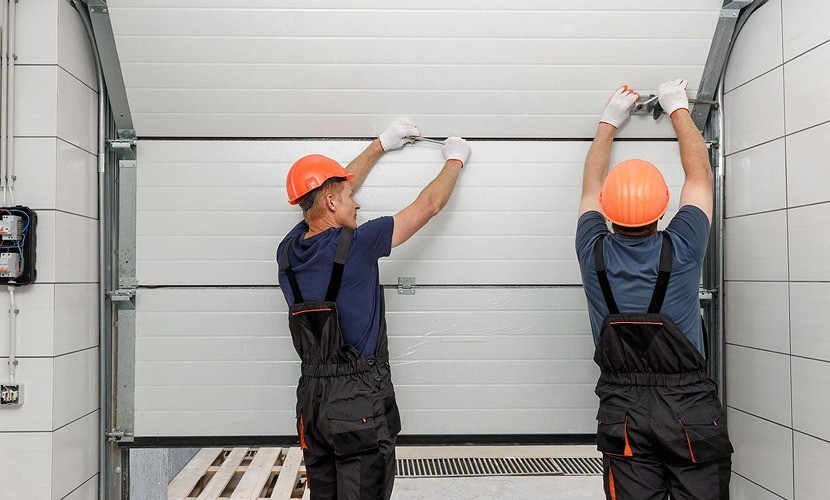
Unsafe equipment can lead to a construction injury lawsuit. You might notice defective devices, absent guards, or damaged safety features figure prominently in these lawsuits. When equipment is not inspected or repaired, your injury risk increases. In too many cases, shoddy upkeep or bad design causes real damage, and you might have a legal right to get help. If you work in construction or manage teams, knowing these facts helps you identify hazards quickly. For the following, we discuss what to do if you encounter unsafe equipment and how courts verify if defective gear caused your injury.
Key Takeaways
- You should know that unsafe equipment is a top cause of construction accidents, and employers and manufacturers can both be liable for injuries. When equipment goes wrong because of negligence, poor design, or lack of maintenance, you can file a personal injury lawsuit to get compensation.
- To show negligence, you must show that a duty of care was owed and was breached. For example, this can be demonstrated with accident reports, maintenance records, and witness statements. Robust documentation and timely reporting greatly bolster your case in court.
- Regulatory violations, like failing to comply with safety standards, can support your case by demonstrating a failure to meet established legal requirements. Make sure all safety regulations are met and keep detailed compliance records.
- A lack of training is a tragic component of many construction injuries. Make sure you are lobbying for thorough, continuous training programs to minimize the risk of operators using the equipment improperly. It’s the employers’ duty to arm you with the know-how to use machinery safely.
- Unsafe equipment, such as that due to a design defect, a manufacturing error, poor maintenance, or missing safety features, raises the risk of accidents. Routine safety inspections and a commitment to maintenance schedules are measures you can take.
- Construction accidents have ripple effects, such as medical costs, lost income, emotional trauma, and career damage. Consulting with an attorney and knowing your rights could be the difference in obtaining adequate compensation and fueling your recovery.
How Unsafe Equipment Sparks Lawsuits
Unsafe equipment at construction sites poses serious risks, not only to your health but also to your career and finances. When construction equipment malfunctions and leads to workplace injuries, the consequences can persist for weeks or even months. These incidents often result in personal injury lawsuits, involving various legal avenues such as workers’ compensation and third-party claims. It’s crucial to recognize that recovery may involve multiple parties, including manufacturers and suppliers, making the process more intricate yet potentially more rewarding.
1. Proving Negligence
Employers owe you care. That means they have to keep equipment safe and maintained. If they don’t check, fix, or replace broken tools, that’s a violation of this duty, which constitutes negligence. Imagine a circular saw with a dilapidated guard or a nail gun that jams and misfires because it wasn’t maintained. These are obvious examples of the employer failing you.
To prevail on an injury claim, you have to demonstrate that unsafe equipment triggered the accident and that your employer was aware or should have been aware of the danger. Proof is everything. Maintenance logs, photos of the bad equipment, and witness statements will all back up your claim. Absent these, it’s difficult to establish negligence in court.
2. Establishing Product Liability
Product liability enters the picture if faulty machinery is at fault. In other words, the manufacturer, vendor, or some other third party could be on the hook, not merely your employer. To establish this, you must demonstrate that the equipment was defective as it left the factory. For example, a grinder with a defective switch or an ill-designed safety guard.
If the design itself is unsafe, not simply a fluke mistake, then the manufacturer may be responsible for each item sold. Safety warnings matter too. Missing or unclear warnings can tip the scales in your favor.
3. Citing Regulatory Violations
There are strict rules regarding construction equipment safety, such as OSHA standards in the US and elsewhere. If your employer ignores these, it bolsters your case. Certain labor laws provide additional protections, encompassing everything from falls to unsafe conditions. If a company violates applicable industrial codes or safety regulations, that violation can directly underpin your claim.
Compliance records are key. Regulators, be it OSHA, local authorities, or specialized safety agencies, assist in implementing these regulations and hold premises responsible.
4. Demonstrating Inadequate Training
Not having the right training is a primary reason for equipment mishaps. They must train you to use the equipment safely and refresh your skills. If they don’t and you get injured, that’s yet another open road to a lawsuit.
There are many ways to train workers:
- Hands-on tool demonstrations
- Mandatory safety briefings each shift
- Regular skills assessments
- Peer-to-peer mentoring
- Multilingual training materials
When training fails, accidents soar. One real case: a worker using a power saw with no prior training lost fingers because he didn’t know about kickback risks. Continued training is necessary to keep everyone safe.
5. Arguing Breach Of Warranty
A warranty is a guarantee that products are safe and perform as stated. If it fails, if a scaffold comes down or a safety harness breaks, then you potentially have a breach of warranty claim. These cases tend to go after the manufacturer or seller.
Warranties can sometimes be written in the manual or implied by law. If a company won’t stand behind the warranty once the defect causes injury, then lawsuits are indeed possible. These are just a few of the many cases we see where workers won damages because the equipment broke soon after they bought it.
Who Bears Responsibility?
A construction injury may have more than one responsible party. When unsafe equipment is involved, everyone from employers to manufacturers to rental companies to property owners can be held liable. They each have a legal and ethical responsibility to maintain a safe workplace for employees and visitors.
If you’re in construction or manage sites, understanding where liability sits is crucial when handling injury lawsuits. In many cases, the law recognizes that fault isn’t necessarily limited to one employer or company. It can be distributed among several actors who were part of the project.
The Employer
As an employer, you owe workers a safe workplace, particularly in the construction industry. You must abide by safety standards, which include consistent training, correct equipment, and transparent safety procedures. Neglecting these steps can lead to construction accident injuries, resulting in lawsuits or fines. When an injury occurs, workers’ compensation usually covers basic medical expenses and lost wages. However, if your negligence—such as ignoring known dangers or hiring untrained workers—causes a construction accident, you may face a personal injury lawsuit, especially if third parties are involved. Safety is not just a policy; it protects your business from liability and, more importantly, safeguards your employees from potential injuries.
The Manufacturer
Producers must ensure that any equipment they market or distribute is safe, especially in the construction industry, where workplace injuries can occur. If a machine or tool malfunctions due to a design defect or poor quality control, the injured person could have a personal injury claim. Manufacturers can be held responsible when defects cause harm, regardless of whether the worker was the original purchaser. Famous examples include heavy equipment with faulty brakes or defective harnesses that fail during use. Adhering to established safety protocols in production is not optional; it is the minimum standard.
The Rental Company
Rental companies must ensure their equipment is in safe working condition before distribution, as failure to do so can lead to significant personal injury claims. If you rent out uninspected or faulty equipment and an accident occurs, you could be liable for injuries sustained by the worker. Rental contracts may specify who handles upkeep, but courts often hold the rental company accountable, particularly if basic safety inspections were neglected. For example, a crane with frayed cables or a lift with malfunctioning controls can result in serious injuries and construction accident lawsuits, highlighting the importance of thorough inspections and documentation.
The Property Owner
Property owners, whether individuals or firms, must ensure their site is safe for workers and visitors to prevent workplace injuries. If you are aware of a danger, such as an open trench or exposed wiring, and fail to repair it or provide a warning, you can face a personal injury lawsuit if someone is harmed. Regular inspections and prompt repairs are essential to avoid tragedies. Property owners may also face liability for hiring unqualified contractors or ignoring safety requirements, making it crucial to understand legal responsibilities under personal injury law.
What Defines Unsafe Equipment?
Unsafe equipment in construction, including tools and machinery, poses significant risks to users due to defects in design or lack of safety features. When operating equipment that has been modified or constructed with inferior materials, you may be endangering yourself and others. Many of these issues may not be immediately visible, especially if the equipment is still functioning. Routine safety inspections are crucial for identifying workplace hazards before they lead to a personal injury claim. If the equipment does not adhere to applicable safety codes, it can quickly escalate into a personal injury lawsuit if injuries occur.
Design Defects
Design flaws begin at the blueprint stage and can significantly impact a tool’s entire lifecycle, especially in the context of construction work injuries. If the general design neglects user safety, such as a saw without a blade guard or a ladder with a shaky frame, the chance of serious injury increases. These risks can exist even when equipment is used correctly, because the design itself failed to anticipate real-world hazards. In personal injury law, design defect claims often examine whether safer alternative designs were available and ignored. Cases worldwide have involved cranes that collapse due to defective supports or power tools without required guards, highlighting the importance of safety protocols.
Manufacturing Flaws
Many equipment failures in construction are the result of manufacturing defects. Production flaws, such as defective welds or weak bolts in hoisting equipment, may be invisible during use but can lead to serious injuries. These defects often occur when quality control is rushed or skipped, resulting in dangerous equipment failures. Bolts snapping under normal load or machinery malfunctioning unexpectedly can result in severe injury and potential legal claims. In some cases, construction workers are injured due to production-line errors that were not detected before distribution.
Maintenance Failures
Regular maintenance is essential for keeping equipment safe and reliable. Even well-designed tools can become unsafe if inspections are skipped or worn parts are ignored. Signs such as frayed wiring, missing screws, or rust may indicate deeper safety issues. Poor maintenance records can complicate personal injury claims by making it difficult to prove proper care was taken. Maintenance logs play an important role in demonstrating whether reasonable upkeep was performed to prevent equipment failures.
Missing Safeguards
All construction equipment must be fundamentally safe. Essential safeguards include emergency stop switches, guardrails, lock-out systems, and clear warning labels. When these features are missing, the risk of workplace injury increases significantly. Operating equipment without required safety features can demonstrate negligence or even gross negligence, potentially leading to a personal injury lawsuit.
Proving Your Claim
To establish a construction injury claim involving defective equipment, you must build a clear connection between the injury, the incident, and the responsible parties.
- Identify the accident and resulting injury
- Gather incident reports, maintenance records, photographs, and safety violations
- Obtain medical documentation
- Collect witness statements
- Consult experts to analyze equipment and conditions
- Document all communications and updates
- Review findings with legal counsel
Strong evidence is essential. Without documentation, it becomes difficult to prove what occurred or who is responsible.
Incident Reports
Accurate incident reports are critical in construction injury claims. They should be filed immediately after an accident and include details such as who was involved, what happened, when and where it occurred, and what equipment failed.
Maintenance Logs
Maintenance logs provide key evidence of whether equipment was properly maintained. These records can reveal missed inspections, delayed repairs, or recurring issues that contributed to the accident.
Typical entries include:
- Date and time of inspection
- Name of inspector
- Description of findings
- Repairs performed
- Verification of completion
Witness Testimony
Witness accounts provide important context that written records may not capture. Collect statements as soon as possible while memories are fresh, focusing on clear, factual descriptions of what occurred.
Expert Analysis
Experts such as engineers or safety professionals can evaluate equipment failures and determine whether proper safety standards were followed. Their analysis helps clarify whether defects, misuse, or negligence caused the incident.
The Hidden Costs Of Failure
Construction accidents extend beyond physical injuries to encompass significant financial, emotional, and career ramifications. When unsafe construction work equipment is involved, these costs can multiply and linger for years, impacting not only individual workers but families and entire communities. Oversights such as weak materials or poor planning can trigger a cascade of failure, each resulting in losses that surpass repair bills or medical expenses. Flawed equipment and modified safety functions don’t just endanger you; they expose you to potential personal injury lawsuits, complicated claims, and regulatory fines. These wider effects underscore why diligence in tooling safety is more than a regulatory responsibility; it’s a pragmatic reality.
Beyond Physical Injury
The suffering from a construction accident doesn’t necessarily end with fractured limbs or tears. Most of you will incur some emotional and mental health baggage in the aftermath of a construction accident, particularly if your injuries leave you unable to work or support your family. This can manifest as perpetual fear, rage, or hopelessness, especially when dealing with workplace injuries.
Physical wounds are not separate from your psyche. A bad accident can induce psychological trauma, like nightmares, flashbacks, or insomnia. Even after wounds heal, stress and anxiety can stick around, making day-to-day life more challenging, especially for injured construction workers.
Psychological assistance is essential. Without it, you’d struggle to keep up with friendships or work responsibilities. Speaking to a counselor, joining peer support groups, or locating online resources can assist you in dealing with the aftermath of your personal injury claim.
Check resources such as national helplines, local therapists, or injured workers’ non-profits. Some employers have assistance programs as well.
The Psychological Toll
Scars on your psyche. Some employees are afraid to go back to the location or run the same machine. Depression can ensue if you lose income or battle chronic pain.
You may notice the signs: more stress, less interest in things you liked, or feeling down most days. These complications can delay your recuperation or prevent you from going back to work.
Taking care of these needs is non-negotiable. It’s a crucial component to recovery. Early intervention from mental health professionals can be a significant change.
Watch out for mood shifts, isolation,n or behavioral shifts. If you notice these signs in yourself or a colleague, get help immediately.
The Career Impact
Physical injuries can restrict the types of work you are capable of performing, particularly in occupations requiring weight lifting, climbing, or the use of heavy machinery. Even mild injuries can hold you back from achieving your potential.
Career transitions or unemployment are legitimate dangers. Sometimes, you have chronic pain or disability and can’t return to your old job. This spiral can put you under financial strain and compel you to re-evaluate your career.
Vocational rehab matters for a lot of workers. Whether it’s job training, education, or assistance with job placement, these programs provide you with the skills to launch new work or pivot.
A few strategies for managing career changes after an injury:
- Assess your skills and interests.
- Explore new career options that align with your abilities.
- Network with professionals in your desired field.
- Seek guidance from career counselors or mentors.
- Consider further education or training if necessary.
- Seek career counseling or job placement services.
- Explore training programs for new roles.
- Focus on building skills that fit your current abilities.
- Stay connected with peers and professional networks.
- Missed work days, reduced hours, or lost job opportunities
- Hard to push further in your field because of physical constraints.
- Forced early retirement or a change in career direction
- Loss of income and benefits makes financial recovery harder
Securing Your Compensation
If you have been injured by unsafe construction work equipment on a construction site, you might need to consider multiple methods to ensure you receive just compensation. There are two main paths: workers’ compensation and personal injury claims (third-party) claims. Workers’ compensation covers basics like medical bills and some lost wages, but it doesn’t cover pain and suffering or punitive damages. A third-party claim, typically against a manufacturer or property owner, can help you recoup even more, particularly for losses not covered by workers’ compensation. Knowing what you can be compensated for and every stage of the claims process is essential to ensuring you receive your due.
Medical Expenses
Treatment expenses pile up quickly following a construction accident, especially for injured construction workers. Hospital visits, surgery, physical therapy, medication, and even transportation to clinics all add to your expenses. Almost all personal injury claims include medical expenses, which can range from emergency care to follow-up appointments, specialists, and rehabilitation. If you require any assistive devices or home modifications because of your injury, those can be included as well. Precise records demonstrate the injury’s effect and validate your case. Your medicine can be covered by workers’ comp, but it’s those third-party lawsuits that tend to fill in the gaps, particularly if your costs exceed what the bare-bones policy allows.
Lost Wages
A construction injury can keep you out of work for weeks, months, or even longer. If you can’t return to your job or must work fewer hours, your lost income can snowball into significant economic damage. In your personal injury claim, you are entitled to both your lost wages and, when long-term effects are present, future lost wages as well. To successfully pursue this compensation claim, you need evidence of your usual salary, the dates you took off, and any physician orders for rest. Employer statements and pay slips come in handy. If your injury results from unsafe construction work equipment and leads to a permanent disability, you can pursue future lost earnings, often requiring assistance from employment or financial experts.
Pain And Suffering
Pain and suffering aren’t as easy to quantify as medical bills, especially in cases involving personal injury lawsuits. They’re a real part of life after a construction accident, encompassing both the tangible pain of your injury and the emotional trauma, including fear, anxiety, insomnia, and a shift in your lifestyle. Maintaining a daily journal about how you feel, changes to your routine, or activities you are no longer able to perform can assist in illustrating the real impact. How much you’re awarded will vary based on the severity of your injury, recovery time, and impact on your daily life. Sometimes, expert testimony about your mental and emotional state is required to bolster your personal injury claim.
Punitive Damages
Punitive damages are intended to punish those who behave in an egregiously careless or reckless manner, particularly in cases involving construction accident injuries. Such damages are rare in personal injury lawsuits related to construction work, though they could arise if an equipment maker ignored known safety defects or a site foreman forced employees to use faulty equipment despite warnings. Courts evaluate whether the defendant’s actions were more than negligent. If you can show a history of neglecting safety protocols or prior accidents with the same machinery, your case for punitive damages becomes stronger. For instance, a construction worker injured by a defective scaffold that the manufacturer failed to recall after injury reports may qualify for such additional damages. Third-party claims are typically where punitive damages are awarded, rather than through workers’ comp.
Conclusion
Unsafe tools or equipment on a site can transform your workday quickly. Unsecured equipment, frayed cables, or absent safety locks endanger you. You know the true price is more than a little laceration or a day off. It can damage your salary, your well-being, and your future. If you see old or broken equipment, say something. HOW TO WIN A CONSTRUCTION INJURY CLAIM OR LAWSUIT AGAINST UNSAFE EQUIPMENT! Courts want to find out the specifics. How did the gear fail? Who skipped an important protocol? What warning signal got lost? You deserve to work safely and to get paid fairly if they do not. Tell us your story or ask your questions in the comments below. Your opinion counts.
Frequently Asked Questions
1. Can You Sue If Unsafe Equipment Caused Your Injury On A Construction Site?
Yes. About: If unsafe construction work equipment caused your injury, you might have a personal injury lawsuit. You have to demonstrate that the equipment was dangerous and caused your injury.
2. Who Can Be Held Responsible For Injuries From Unsafe Equipment?
Unsafe equipment can certainly lead to a construction injury lawsuit, particularly if it results in workplace injuries for construction workers.
3. What Qualifies As Unsafe Equipment In Construction?
Unsafe equipment includes tools or machinery that are defective, poorly maintained, or lack safety features, increasing the likelihood of workplace injuries for construction workers.
4. How Do You Prove Equipment Was Unsafe In Your Claim?
You need evidence – maintenance records, expert testimony, photos of the construction work equipment, witness statements, etc. These assist in demonstrating the condition of the equipment and its involvement in your personal injury claim.
5. What Damages Can You Recover In A Construction Injury Lawsuit?
You can recoup medical expenses, lost earnings, pain and suffering, and even punitive damages at times through a personal injury claim. The amount you can receive really depends on your case and the severity of your injuries.
6. Does Using Unsafe Equipment Always Lead To Compensation?
No. You must demonstrate that the unsafe construction equipment caused your injury; without tangible proof, your personal injury claim will likely not prevail.
7. How Soon Should You Take Action After An Injury From Unsafe Equipment?
Respond swiftly. Statutes of limitation exist. Early action preserves evidence and protects your legal rights to compensation.
Construction & Worksite Injuries? Get Clear Legal Guidance
At Phoenix Injury Attorneys, we know how overwhelming it can feel after a construction or worksite injury. You’re dealing with pain, missed work, and uncertainty about what comes next, while insurance companies and contractors start protecting their own interests. You may hear conflicting answers about workers’ comp, third-party claims, or who’s actually responsible. That confusion isn’t random. It often works in their favor.
Led by Khalil Chuck Saigh, our Arizona-based firm helps cut through that noise. We investigate every angle of your case, from unsafe equipment and OSHA violations to subcontractor liability and site negligence. We look closely at how your injury happened, who had control of the worksite, and where responsibility is being pushed aside. Then we step in to protect you, handle the legal pressure, and build a claim that holds the right parties accountable.
If you’ve been injured on a construction site and something doesn’t feel right about how your case is being handled, trust that instinct. Contact Phoenix Injury Attorneys today for a free and confidential case review. We’ll walk you through your options and fight to get you the outcome you deserve.