

Key Takeaways
- To win a dangerous road accident lawsuit in Arizona, you need specific proof of hazardous conditions, government or contractor fault, and a proximate cause between the road hazard and your accident.
- You’ll want to compile thorough records, including photos, maintenance histories, previous complaints, and expert witness testimony to prove cause and damages.
- Knowing Arizona’s legal requisites, such as timely notice of claim and the applicable statute of limitations, is essential to protect your ability to seek damages.
- Whether liability lies with a government entity, a private contractor, or even an adjacent landowner, figuring out all the responsible parties helps bolster your case and increase your odds of recovery.
- Analyzing latent hazards such as insufficient lighting, obscured signs, and insufficient warnings can identify overlooked causes of an accident and strengthen your argument.
- Talk to lawyers who can evaluate which types of damages, including economic, non-economic, and even punitive, may be available depending on your accident and level of recklessness.
A dangerous road accident lawsuit in Arizona is a type of claim filed when someone is injured or dies in a car crash due to unsafe driving or hazards on the road in Arizona. We typically get involved in these cases following car, truck, or motorcycle accidents on highways or urban streets. Arizona law allows victims to seek compensation for their injuries, lost wages, and vehicle damage. Some lawsuits demonstrate how road design or maintenance contributed to a crash. Lawyers and insurance companies frequently come in on these cases to settle claims or battle over liability. Understanding the procedure and law for lawsuits in Arizona assists them in determining their course of action following a serious accident. The body will explain the process and rights.
Proving a Dangerous Road Lawsuit
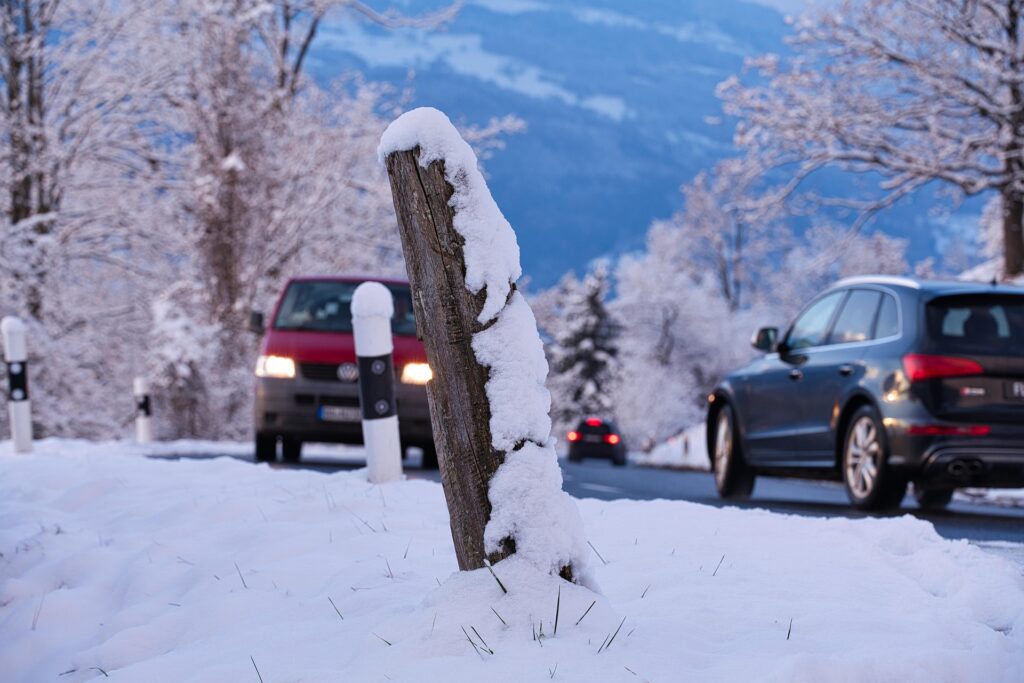
Proving a dangerous road accident lawsuit in Arizona requires demonstrating that risky road conditions, such as potholes or debris,s contributed to an accident. More than one entity, like government agencies, construction firms, or private contractors, could be liable for these conditions. Plaintiffs have to connect the dangerous road with the wreck, demonstrate government fault, and present proof of injuries to pursue just compensation under Arizona law.
1. Unsafe Conditions
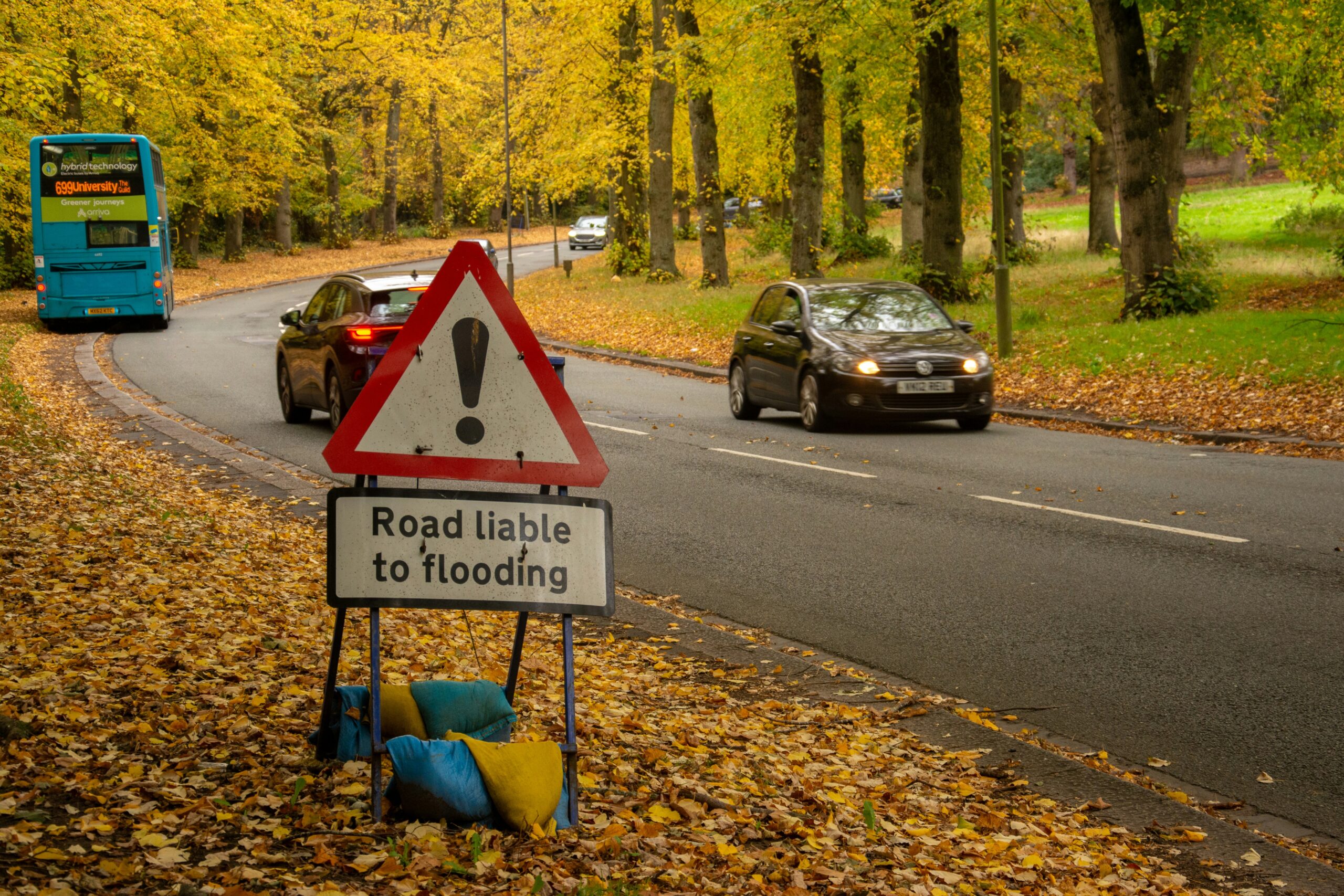
Road hazards must be properly demonstrated and recorded. Hazards may involve potholes, loose gravel, standing water, ice, or debris, all of which can make accidents more likely. Taking detailed photos and videos of the site, as well as maintenance logs, can help prove unsafe conditions.
Accident data helps, too. If crashes occur repeatedly on the same stretch of road, that pattern aids in demonstrating that the road is dangerous. Arizona’s remote roads and budget-tight maintenance crews may not fix hazards quickly, so it is important to track how frequently they crop up.
Racking up complaints from residents or previous drivers bolsters your argument. These reports demonstrate that the issue was known before the crash. Weather, such as heavy rain or ice, can make bad roads even more dangerous and should be recorded in your log.
2. Government Negligence
To prove negligence, examine whether local or state agencies maintained the road as they should. This can include maintenance logs, repair schedules, and any reports of hazards. If a recent project left behind construction debris or if funding shortfalls delayed repairs, this helps demonstrate where the government failed. In Arizona, governments are in charge of safe roads, but tight budgets and vast distances can leave some areas overlooked. Proof that maintenance was missed or that repairs were put off even though there was a danger,r matters in proving negligence.
3. Direct Causation
Connecting the dangerous road to the accident is what counts. An accident reconstructionist can recreate the crash and prove how the hazard caused it. Witness statements provide additional context, verifying the road’s influence on driver conduct. Traffic camera video, pre- and post-crash, can demonstrate how long the peril existed. Timelines connecting the hazard’s presence to the accident complete the cause-and-effect circle.
4. Sustained Damages
Begin with a meticulous accounting of all those medical expenses, including hospitalization, physicians, and therapies. Add in lost wages and perhaps future earnings lost from disability due to injury. Include property damage, such as vehicle repair bills and lost possessions. Do not forget pain, suffering, and less apparent losses like loss of enjoyment of life or permanent disability, which Arizona law permits in a lawsuit.
Who Is Held Responsible?
Liability can often be a question of who maintains the stretch of road: the governments, private contractors, or even nearby landowners. Arizona’s pure comparative negligence system means that injury victims can pursue damages even if they are partially at fault unless they are entirely responsible for the incident.
State and City
It is up to state and city governments to maintain public roads safely for everyone. These include routine inspections, quick repair of potholes, damaged signage, and the removal of debris. Many town municipalities have very limited funding and miles of rural roads, which can sometimes lead to slow hazard removal. Previous lawsuits from Arizona agencies have been over accidents stemming from delayed maintenance or ignored hazards. Courts seek evidence of negligence, such as ignored complaints or missed routine inspections. Negligence in Arizona is the failure of an authority to act reasonably based on the situation. Local laws may impose tougher standards on road maintenance, such as mandating that specific dangers be cleared within a defined period.
Private Contractors
These private contractors could be doing road construction, repair, or maintenance on behalf of their government contract. These contracts specify safety measures and work completion timelines. If an accident does happen, courts examine whether the contractor fulfilled all terms and used the required safety procedures. Negligence claims often stem from contractors who leave equipment, debris, or unsafe surfaces without warning signs. Contractor insurance policies cover damages from their work, but these claims can be fought if blame is uncertain. For instance, if a contractor neglected to repair an identified danger and an accident ensued, courts might find them responsible for any ensuing harm.
Adjacent Landowners
Landowners abutting public roads may be held responsible if their property creates danger for passing vehicles. This could be blown-down trees, rocks, or water runoff from above that spills onto the road. Arizona law holds landowners accountable to prevent preventable hazards from escaping onto highways. If a landowner neglects to remove debris that obstructs safe access or visibility, their liability may be invoked. Historically, the focus is usually on whether the danger was apparent and whether the property owner had a reasonable time or notice to repair it. Repeated incidents can make liability more likely.
Arizona’s Specific Legal Rules
Understanding Arizona’s legal framework is essential for anyone seeking compensation after a road accident. The state’s laws dictate how and when you can file a claim, who is liable, and what evidence is required. Knowing these rules early can prevent costly mistakes and maximize your chances of receiving fair damages.
Arizona’s rules for a lawsuit after a traumatic road accident. Navigating these rules is relevant for any person pursuing damages. Key points to know:
- Don’t forget that notice of claim rules are strict for cases against government bodies.
- The statute of limitations is typically two years for injury or property damage.
- Comparative fault impacts the amount you can recover.
- You have to prove fault. Arizona’s Specific Legal Rules: Arizona is an at-fault state.
- Liability insurance minimums are $25,000 to $50,000 per person for injuries and $15,000 for property.
- Children under 16 must wear seatbelts at all times.
- Statutory rules are found in ARS Section 12-542.
Notice of Claim
Filing a notice of claim is a critical first step when pursuing legal action against a government entity in Arizona. This step ensures your case is officially recognized and preserves your right to sue. Missing details or deadlines can result in dismissal, so thorough preparation is essential for success.
Checklist for preparing a notice of claim:
- Gather records: crash reports, photos, witness statements, and medical bills.
- Give a detailed description of the event, including when it occurred, where it took place, and the circumstances surrounding it.
- What crackpot law got you!
- List every loss: injuries, repairs, lost income, and other costs.
- State the amount you seek in damages. File your notice with the appropriate government agency within 180 days. Arizona law is tough. If you miss this deadline, your claim is denied. The assertion must be both true and exhaustive. Failing to include facts means the government can drop your case. Miss the deadline or sue without sufficient detail, and your right to sue is over.
Statute of Limitations
You have two years from the date of the accident to file a lawsuit. This includes both personal injury and property damage. For claims against a government entity, notice of claim comes first, then a lawsuit within one year of denial. There are a few exceptions, like for minors or if injuries show up later, but those are pretty rare. Going too late almost always means you’ve lost the right to recover any damages!
Comparative Fault
Arizona applies comparative negligence in determining who pays and how much. If you’re less than 50% at fault, you can recover damages, but your share diminishes by your fault. For example, if you have 30% fault, you lose 30% of the payout. If you’re above 50% at fault, you can receive nothing. Gather evidence such as pictures, expert reports, and witness statements to support your case. Arizona’s at-fault system puts powerful evidence at the center of both demonstrating the other side’s culpability and preserving your claim value.
Beyond the Pavement: Unseen Dangers
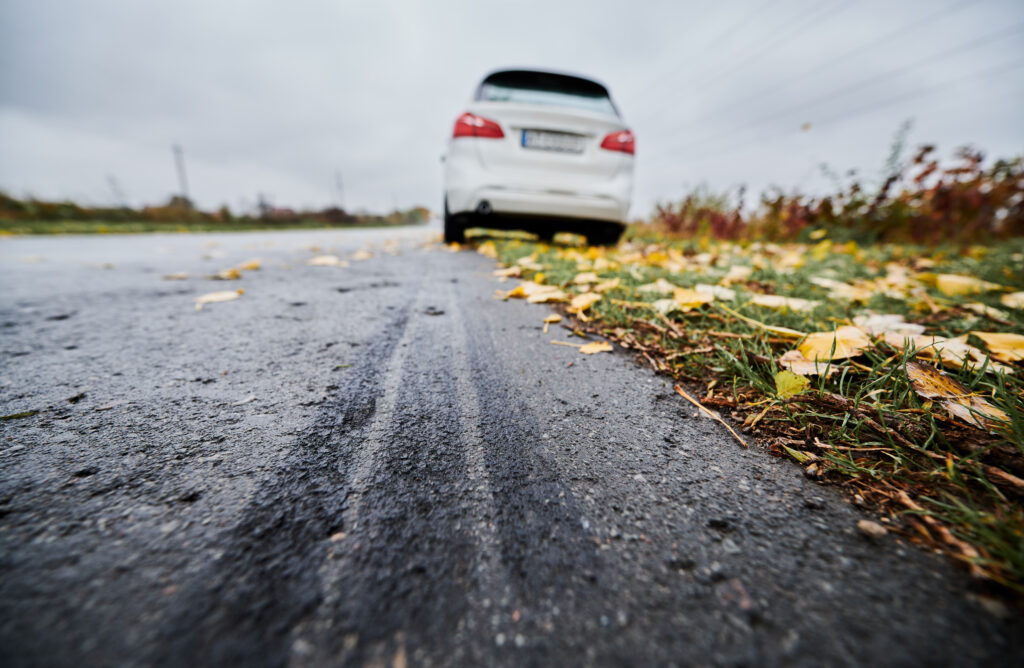
Most road incidents in AZ stem from more than the tyre tracks. Design and surface matter, of course, but even more so are the unseen dangers that can make travel riskier, particularly in regions of severe weather. It is important not just to focus on the glaring, but to uncover those other incident-causing, claim-provoking factors.
Poor Lighting
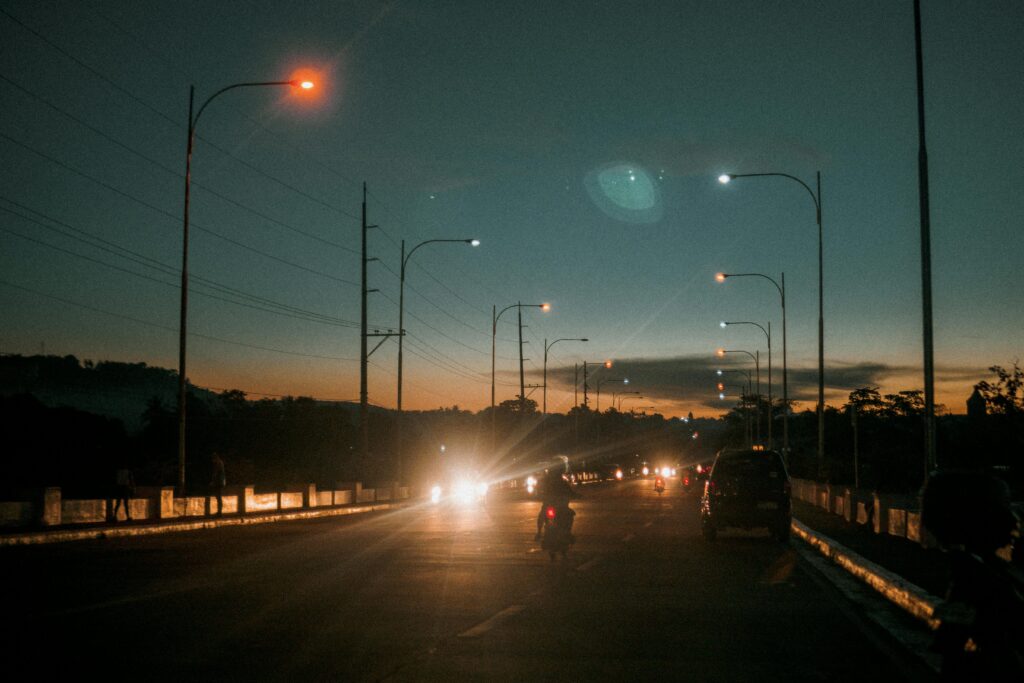
Poor lighting is a key factor in many accidents, especially at night or during storms common in desert areas. In some parts of Arizona, street lights are few and far between. This lack of light can make it hard for drivers to spot hazards, such as sudden turns or stalled vehicles. When dust storms, called haboobs, sweep through, visibility drops even more, and without proper lighting, drivers can lose all sense of the road. Accident records often show a pattern. Crashes happen more in spots where lighting is missing or broken. Some cases involve drivers who did not see obstacles until it was too late. Good lighting is not just about comfort; it provides vital cues that help drivers react fast. Legal claims can be stronger when plaintiffs show that better lighting might have stopped the accident.
Obscured Signage
Obscured road signs can mislead motorists, resulting in accidents. Signs hidden beneath overgrown plants or dust or pushed sideways by storms are the norm on Arizona’s rural roadsides. That’s why your witness reports and photos are crucial for demonstrating how large this problem is. When they’re not, drivers overlook warnings of sharp bends or sudden stops, increasing the chance of a wreck. Proof that a sign was obscured is another way that defendants, the city, county or state road maintenance folks, can be negligent. In lawsuits, these details help demonstrate that the absence of clear signage was a significant contributing factor in causing the accident.
Inadequate Warnings
Warning signs of danger, such as slick roads during monsoon rains or flash flooding, are occasionally insufficient. After extended dry periods, even a little rain can render roads slippery, but motorists won’t receive obvious warnings. Specialists tend to blame hidden dangers beyond the pavement. With little or ambiguous warnings, it’s a lot easier to demonstrate that drivers weren’t afforded a reasonable opportunity to stay safe. This can help establish that the absence of warning signs makes someone else responsible for the accident.
Building a Strong Claim
At Phoenix Injury Attorneys, we guide clients in Arizona through the intricate process of building a strong claim after a dangerous road accident. Our experienced team understands that a successful case hinges on thorough preparation, meticulous documentation, and strategic presentation. In Arizona’s fault-based system, we help you navigate comparative negligence, ensuring your damages reflect your true share of responsibility while adhering to the two-year statute of limitations.
We assist in gathering and organizing all necessary documents—medical records, police reports, repair estimates, and bills—so that every detail of your injuries and losses is clearly supported. We also help establish a detailed chronology of the accident, explaining each event step by step to demonstrate cause and effect, leaving no room for ambiguity.
Evidence collection is another cornerstone of our approach. From photographing the scene to documenting road and weather conditions, traffic signals, and relevant citations, our attorneys ensure your case is fortified with concrete proof. We also connect clients with top experts—accident reconstructionists, engineers, and medical specialists—whose testimony can clarify complex issues and strengthen your claim, especially in cases involving road design or maintenance errors.
With Phoenix Injury Attorneys, every step of building your claim is handled with expertise, precision, and a focus on maximizing your potential recovery.
Documenting the Scene
Photos and videos of the scene, including road markings and any debris or hazards, offer visual evidence. Police reports display the formal description. If possible, obtain eyewitness statements to the crash. Save all correspondence with the insurance companies, emails, and call records. Systematic storage, such as computer files and labeled folders, ensures that each is simple to locate and distribute.
Expert Testimony
Import accident reconstructionists to describe how the crash occurred. Engineers can identify road design defects or absent signs that could have contributed. Medical experts explain injuries, treatments, and long-term care. Their testimony connects the crash, road hazards, and your injuries, clarifying the narrative for a judge or jury.
Official Records
Request road maintenance logs from local agencies to demonstrate that the road was maintained. Check traffic accident data to determine if other people have been injured there. See if you can locate highway safety complaints. Those records will demonstrate a history of issues. If you can demonstrate that the same problem caused damage previously, it underscores recklessness.
What Compensation Is Possible?
What compensation is available? These are of three types: economic, non-economic, and punitive damages. Each corresponds to different losses or injuries from the accident. Below is a simple table that shows these groups and what they may include:
Type of Damages | Examples |
Economic | Medical bills (past/future), lost wages, property repairs |
Non-Economic | Pain and suffering, emotional distress, loss of enjoyment |
Punitive | Damages for gross negligence or reckless disregard |
Economic damages are the most straightforward. They face real expenses — hospital or medical care bills, now and in the future. If a person can no longer work because of their injuries, lost wages are included as well. Repairing or replacing a car or bike fits in here. For example, a man who can’t work for 3 months because of a leg injury can claim not only the lost wages but also continuing therapy expenses. If the crash led to a permanent disability, future care and support costs can amount to a significantly higher sum. In Arizona, small injury or property damage settlements run between $10,000 and $15,000. Worst cases, particularly those that are life-long in nature, can hit a few hundred thousand or even north of a million.
Non-economic damages are less easy to tally, but no less real. These include pain, suffering, stress, or loss of enjoyment of life. Arizona courts employ the ‘multiple method’ to determine these figures. This takes the economic damages and multiplies them by a factor, typically one to three, to represent the pain and emotional toll. A person with lifelong chronic pain after a crash or an insurance client who can’t leave the house due to fear or anxiety will receive a higher multiplier, pushing their total compensation much higher.
Punitive damages are uncommon, but they count when the driver to blame was grossly negligent or intentional. These aren’t about making the victim whole, but about sending a strong warning to others. If a driver was drunk or racing, for instance, the court might add a big fine onto the sum.
Settlement amounts vary widely, depending on the severity of the injury and the impact of the accident on regular day-to-day living. Since each case is different, it’s wise to consult an attorney familiar with these cases. A lawyer can look at the full scope of possible claims and assist you in seeking the appropriate amount.
Conclusion
To win a dangerous road accident lawsuit in Arizona, you need to know the rules, show evidence, and identify the true culprit. Courts consider facts, not speculation. You want to prove who didn’t make the road safe. Maybe it’s a city, a builder, or a private concern. Arizona law outlines very definite steps you need to take. Miss a stride, and you blow your opportunity. Those involved in these collisions may seek compensation to cover medical expenses, lost wages, and suffering. Every case is different, so receive tailored guidance. Whether you want to fight or simply find out your rights, speak with an attorney who understands Arizona roads and Arizona law.
Frequently Asked Questions
What evidence is needed to prove a dangerous road accident lawsuit in Arizona?
You’ve got to prove that the road was dangerous, that this caused your accident, and that you were injured. Photos, formal reports, and witness statements assist in backing up your case.
Who can be held responsible for dangerous road conditions in Arizona?
Government agencies, contractors, or private companies that designed, maintained, or constructed the road may be held liable if their actions made the road unsafe.
What are Arizona’s specific legal rules for these lawsuits?
Arizona has a two-year statute of limitations. Special notice rules apply if you sue a government entity, typically within 180 days after the accident.
Can poor signs or lighting be considered an “unseen danger”?
Yes. Missing or unclear signs and poor lighting are hidden hazards that cause accidents and can strengthen a claim.
What compensation can victims of dangerous road accidents receive?
Victims can seek reimbursement for medical expenses, lost income, property damage, and pain and suffering. That amount depends on the specifics of the case.
How can I build a strong claim for a dangerous road lawsuit?
Gather proof, including photographs, witness accounts, and reports. Talk to an Arizona road law attorney who can guide your case.
Is the government always liable for dangerous road accidents?
No. The government is responsible only if some negligence in road design or maintenance caused the accident. Every case is very fact-specific.