


Rideshare & delivery accidents lawyer assists individuals in managing claims resulting from rideshare and delivery-related accidents. These attorneys understand the laws that protect drivers, passengers, and businesses in these scenarios. They navigate insurance, discover liability, and assist in securing fair compensation for injuries or lost wages. Rules often change, so a lawyer who understands this world can provide updates and candid answers. Many folks don’t know if they can make a claim or who should pay, so clear guidance goes a long way. To demonstrate what these lawyers do and how they assist, the following explains what to expect and crucial steps in these cases.
Key Takeaways
- Understanding insurance coverage for rideshare and delivery accidents is complicated because coverage can change based on whether the driver is online or offline in the app and at what phase of the ride they are in, leading to gaps in protection that can affect your claim.
- Recording as much information as possible about the incident, app status, driver and vehicle details, injuries, and the scene is key to backing up your claim and facilitating a hassle-free claim process with multiple insurers.
- Rideshare & Delivery Accidents Lawyer, the legal terrain for rideshare and delivery drivers is further complicated by emerging employment classifications and company policies, so it’s important to know how your rights and claims for compensation may differ if you are considered an employee or an independent contractor.
- Promptly obtaining medical care, keeping detailed records of all medical treatments and associated costs, and properly documenting lost income are important to helping you secure complete compensation for your injuries and losses.
- Rideshare accident claims can involve complicated interplay between insurance companies, legal standards, and corporate policies. Professional legal assistance is invaluable to fight for your interests and negotiate conflicts.
- Knowing what compensation to seek, including medical expenses, lost wages, pain and suffering, and property damage, and how to document these losses can increase your likelihood of a fair settlement after a rideshare or delivery accident.
The Insurance Maze In Rideshare Accidents
Rideshare accidents present a very different insurance conundrum than the average car crash, especially when considering the role of ridesharing services. These frequently involve the driver’s own policy, the rideshare company’s commercial policy, and sometimes other parties. It all depends on the driver’s status at the time. Since almost all personal auto policies exclude ‘business use,’ understanding rideshare accident claims is becoming more important than ever to avoid an unexpected coverage gap.
- Gaps arise if personal policies exclude commercial activity
- Limited coverage exists when the app is active but there is no ride occurring.
- Uncertainty in delivery service distinctions
- Challenges if the at-fault driver has no insurance
- Difficulties meeting strict claim deadlines in some regions
- Ambiguity in liability assignment due to multi-party involvement
1. Driver Offline
When a rideshare driver is offline, typically only their personal auto insurance applies, which can complicate rideshare accident claims. There is no support from the rideshare company because the app isn’t on. Many personal policies exclude business use, leading to rejected claims if the accident ties to past or future rideshare driving. If you’re driving for personal reasons and have an accident, coverage is clear. It becomes risky if your insurer suspects you were driving for commercial purposes, even if the app was off, making it essential to consult Phoenix Injury Attorneys for guidance.
2. App On, No Ride
If a driver is logged in but hasn’t taken a ride, the rideshare firm extends some liability coverage, which typically insures third-party injury or damage. This stage introduces a grey area, as the driver’s personal insurer might refuse claims due to the ‘business use’ exclusion. Many drivers don’t realize they should document their app status at the time of an accident, especially if they need to file a rideshare accident claim. Failure to demonstrate the app was engaged can result in losing the rideshare coverage altogether.
3. Ride In Progress
Once a ride is accepted or a passenger is in the vehicle, the rideshare company’s commercial policy, typically as high as $1 million, kicks in. Both rider and driver are protected for liability and personal injuries. In multi-vehicle accidents, liability is divided among all parties involved, complicating the settlement process. It is crucial to consult Phoenix Injury Attorneys to file claims quickly, as the time limits depend on your location. This can be intimidating, especially when rideshare companies use confusing claims processes to protect themselves from costly settlements.
4. Delivery Services
Delivery drivers encounter a blend of personal and commercial insurance concerns since not all rideshare firms provide equivalent coverage for food or parcel delivery. Unlike passenger trips, some companies merely offer limited or contingent coverage. If there’s an accident during a delivery, it’s crucial to consult experienced rideshare accident attorneys to verify whether their app’s insurance applies. Proof that you were on a delivery is key to not being denied. Delivery drivers need clear records and an awareness of any exclusions that may affect their rideshare accident claim.
5. Uninsured Driver
UM coverage defends rideshare users if an uninsured driver causes an accident. Nearly all rideshare policies contain UM coverage, and the driver and passenger must submit claims in a timely manner and demonstrate that the liable parties were uninsured. This is why it’s crucial to check the limits of your UM coverage when you drive or ride, as a motorist with low UM limits can leave victims undercompensated. Having experienced rideshare Phoenix Injury Attorneys can help victims navigate the claims process effectively. Maintaining copies of all correspondence and accident details helps ensure that rideshare accident claims move forward.
Why These Claims Are Different
Rideshare and delivery accident claims present unique challenges that differ significantly from a standard car accident. These cases typically involve rideshare drivers and a third-party company, adding complexity with various insurance coverage layers and shifting liability based on the driver’s status. Understanding these nuances is crucial if you are considering a rideshare accident claim or assessing potential liability, especially given the state regulations and multiple insurers involved in ridesharing services.
Corporate Policies
The rideshare companies’ own corporate policies significantly impact liability and compensation in rideshare accident claims. For instance, the level of responsibility a company like Uber or Lyft assumes may differ depending on whether the driver is logged in and waiting for a ride or actively transporting a passenger. These companies often implement restrictive internal policies that limit payouts or allow them to shift blame, which complicates the process for victims seeking compensation. Therefore, it is crucial to understand these policies before filing a claim, as each company outlines specific provisions regarding damages and liability that can affect the outcome of your case.
Company
Waiting for Ride
En Route to Pickup
With Passenger
Uber
Limited (contingent) liability
Up to $1 million
Up to $1 million
Lyft
Limited (contingent) liability
Up to $1 million
Up to $1 million
Multiple Insurers
For example, when a rideshare accident occurs, several insurers can potentially be involved, including the rideshare company’s policy and the driver’s own insurer. This can ignite battles over liability for medical treatment or property damage, especially if the driver’s status during the rideshare trip is ambiguous. Navigating these overlapping policies often requires the expertise of experienced rideshare accident attorneys, as insurers may attempt to deflect blame based on technicalities. Without this legal representation, accident victims risk leaving rightful compensation on the table.
Driver Status
The driver’s status during a rideshare trip, such as offline, waiting, or transporting, directly impacts liability and coverage in rideshare accident claims. If the driver isn’t logged into the app, their personal auto insurance applies. While waiting for a ride, limited contingent liability exists, often without PIP in some states. Carrying a passenger activates complete commercial protection, which can reach up to $1 million in certain cases. Additionally, the driver classification, contractor or employee, also influences liability in rideshare accident cases.
Evidence Gathering
Evidence collection after a rideshare accident is key. Photos of the scene, app screenshots, and detailed notes about the driver’s behavior can all assist. Witness statements, if recorded neatly with contact details and precise memories, bolster a rideshare accident claim. Accident reports and medical records make the case even stronger. App data, including ride logs and geolocation, can be crucial, particularly when there is a question of liability or whether a rideshare driver is on duty.
Critical Steps After A Crash
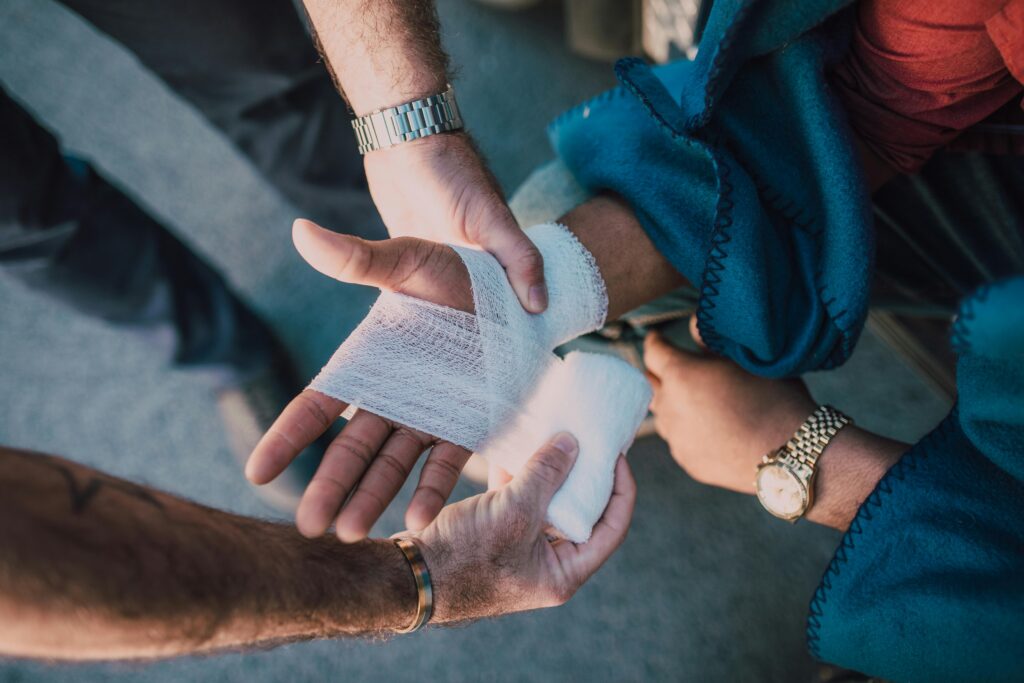
A rideshare accident can be incredibly stressful. Following calm, key steps can protect your rights and assist any rideshare accident claim. The following checklist covers what to do after a crash.
- Get everyone safe. Get to a safe place if you can.
- Phone for medical assistance if any injuries occur, even if no pain is apparent immediately. Adrenaline can mask symptoms.
- Take photos of everything: vehicles, road conditions, injuries, and screenshots from the ride-hailing app.
- Record details: driver information, car make and number, contact information for witnesses, and any in-app messages.
- Report the crash to local authorities and the rideshare company.
- Gather and preserve police reports, surveillance footage, and ride information.
- Determine the at-fault driver, whether it is the rideshare driver, another road user, or a third party.
- Go to the doctor immediately and record every visit and treatment.
- Don’t talk about fault. Don’t provide recorded statements without legal counsel.
- Know any time limits on filing a claim. For instance, a lot of jurisdictions have a two-year statute of limitations.
Prioritize Safety
Check yourself and others for injuries right away. If anyone is hurt, call emergency services without delay. Move vehicles out of traffic if it is safe. Use hazard lights or safety triangles to warn other drivers. Staying alert helps prevent further risks at the scene.
Document Everything
Collect as much evidence as you can after a rideshare accident. Snap clear pictures of the crash scene, damage close-up, and road configuration. Preserve screenshots of the ride’s trip history and chats with the driver. Make sure to take down all names, license numbers, and insurance information. Maintaining a daily journal of medical treatment and costs is crucial for your rideshare accident claim. Good documentation makes claims and legal action more compelling.
Report Officially
Report to the rideshare/delivery platform via app/support. Follow up with all details such as time, location, injuries, and parties involved. Skipping an official report can stall or sabotage your claim.
Seek Medical Care
See a doctor after a rideshare accident regardless of whether you feel okay. Latent injuries are typical in such cases. Medical records serve as crucial evidence for your rideshare accident claim and legal representation. Untreated injuries can lead to issues down the road, so adhere to all prescribed care.
Restrict Statements
Don’t accept blame or make detailed remarks at the site after a rideshare accident. Follow these 4 critical steps: Don’t give recorded statements to the insurance company before consulting with an experienced rideshare accident attorney. Legal advice is essential to prevent mistakes that could undermine your personal injury claim.
The Gig Economy’s Legal Gray Areas
Rideshare and delivery work spotlight some of the gig economy’s toughest legal conundrums. When accidents occur, it’s not always clear who compensates for injuries in rideshare accident claims. Laws vary by jurisdiction, and the classification of these workers differs across regions, complicating how experienced rideshare accident attorneys navigate liability and damages.
Employee Vs. Contractor
Rideshare app drivers are typically classified as independent contractors rather than employees, which impacts their legal representation in the event of an accident. This distinction allows firms not to provide the same work protections or insurance as they would for traditional employees. If a driver has an accident, their status determines who is liable for damages. For instance, if a driver is considered an employee, the company would have to insure injuries. Otherwise, the driver could be forced to rely on personal auto insurance policies or pursue a rideshare accident claim against other drivers. Most drivers don’t know their rights and often fail to consult experienced rideshare accident attorneys to seek compensation after an accident.
Misclassification is a fundamental issue in the rideshare industry. Some drivers are employees in all but name, labeled as contractors, which often translates into diminished rights and reduced access to remuneration. Misclassification can leave workers without workers’ compensation, particularly in certain jurisdictions where only employees can seek claims, leaving gig workers without coverage.
App Data Disputes
App data, such as ride logs and GPS, frequently becomes a critical factor in resolving rideshare accident claims. This trip data includes start and end times, routes taken, and driver behavior. Accessing this information is key for establishing what occurred and who’s liable. Other times, app data contradicts what drivers or passengers remember, leading to disputes that can stall claims. Experienced rideshare accident attorneys know how to obtain and leverage app data to assist their clients. Without professional assistance, it’s easy to overlook important evidence or get mired in technicalities.
Evolving Laws
Rideshare law is evolving rapidly, and with it, the role of experienced rideshare accident attorneys is becoming increasingly important. New regulations may change drivers’ rights and companies’ obligations in an instant, impacting how rideshare accident claims function and potentially providing stronger protections for drivers and riders. In certain jurisdictions, increased insurance requirements and safety initiatives are emerging. Legal assistance is critical for anyone involved in a rideshare accident, as these attorneys can navigate the complexities of emerging legislation and help steer claims. There is a drive to enhance gig workers’ laws to close loopholes that leave many without aid after an injury.
Claiming Compensation
Getting what you deserve after a rideshare or delivery accident is a complicated legal and insurance minefield. Compensation is different depending on local law, the type of accident, and the parties involved. Pinning down the right avenue for compensation, be it the rideshare company, a third-party driver, or your own insurance, is key. Some states, like Florida, operate under a comparative negligence standard where you can pursue damages even if you’re partially at fault. Protecting your paycheck
You need to save every scrap of evidence, not give tape-recorded statements without consulting a lawyer, and be cognizant of aggressive time limits for filing claims.
Type of Compensation | Description |
Medical Costs | Hospital bills, treatment, follow-up, ongoing care |
Lost Income | Wages lost due to absence, future loss if unable to work |
Pain and Suffering | Physical pain, mental anguish, emotional trauma |
Property Damage | Repairs or replacement of vehicle and personal belongings |
Medical Costs
- Hospital records and discharge summaries
- Doctor and specialist reports
- Imaging studies (X-rays, MRIs, CT scans)
- Prescription receipts
- Physiotherapy or rehabilitation invoices
Comprehensive coverage of treatment is required to justify your compensation, especially in rideshare accident cases. Continuous care is typical for catastrophic injuries and might involve additional surgeries or therapy. Rideshare accident attorneys note that insurance is often inconsistent, rideshare companies typically have higher coverage with a passenger but less or none when offline. Costs vary and can be out of pocket based on the policy and local health systems.
Lost Income
- Keep a record of the days you missed work, including dates and hours.
- Collect pay stubs, bank statements, and tax records to demonstrate what you earn.
- Get a letter from your boss confirming your absence and lost wages.
- If you’re self-employed, include records of lost freelance or gig work.
A missed-work timeline can significantly impact your rideshare accident claim by locking in actual loss. If injuries from a rideshare accident compromise your long-term earning capacity, future lost earnings can be substantial, requiring the expertise of experienced rideshare accident attorneys.
Pain And Suffering
Pain and suffering are less concrete but equally authentic. Courts and insurers consider injury seriousness, recovery time, any lingering symptoms, how it affects your life, and emotional trauma. Personal testimony about daily struggles is key. Engaging an experienced rideshare accident attorney can significantly boost your award, as they understand what courts need to see in rideshare accident claims.
Property Damage
Claims for rideshare accident cases begin with photos of vehicle damage, repair estimates, and receipts for repair or replacement. Add in smashed phones, laptops, or other personal belongings. Police reports and accident reconstructions back you up. Your insurance coverage can vary, and your rideshare insurance policy might cover some, but not all, of your losses.
When You Need A Rideshare Accident Lawyer
If you get into a rideshare accident, it’s not always obvious when you need a lawyer. If you need care for injuries or if the crash left you with permanent health effects, legal assistance from experienced rideshare accident attorneys can help you seek just recompense. If you notice the insurance companies playing the blame game or lowballing, a lawyer will know how to respond to these maneuvers. When the accident involves multiple cars, the fault question can get murky. Drivers, fellow road users, and even the rideshare company can be to blame. In certain states, like Massachusetts, you can actually still recover damages even if you’re partially at fault, so long as you’re less than 51% at fault.
What an experienced rideshare accident attorney really does for you is invaluable. These attorneys know rideshare companies and understand their insurance policies, which frequently vary based on the driver’s status at the moment of the collision. A lawyer can parse the fine print and tell you what coverage applies if the driver was waiting for a request or had a passenger. This skill is essential when injuries are severe or permanent, like spinal or brain trauma, as the price of care can be significant, and insurers often endeavor to settle for less.
A lawyer understands how to navigate the maze of insurance claims and regulations. They can talk to the multiple parties, examine crash reports, and gather evidence to demonstrate who is liable. Sometimes, the car is the problem. If the brakes or airbags fail, a claim against the maker may be in order. Knowing the statute of limitations is important. Here in Massachusetts, you have three years.
Legal support is crucial if you want a just result. With assistance from Phoenix Injury Attorneys, you can pursue compensation for medical expenses, lost income, and suffering.
Conclusion
Rideshare and delivery work can usher in rapid transformation and new dangers. Every accident, every case presents a different set of challenges. Insurance regulations change quickly, and large corporations attempt to reduce their expenses. A good lawyer knows the fine print and the loopholes. To receive just compensation, you need an individual who examines the details, who advocates immediately on your behalf, and who maintains transparency. If you want to hold your ground in this labyrinth, connect with an attorney with actual victories in rideshare and delivery collision cases. Need assistance or have questions? Schedule a chat with a lawyer who understands how these claims work and can guide you straight.
Frequently Asked Questions
1. What Should I Do Right After A Rideshare Or Delivery Accident?
Be careful, seek medical attention if necessary, and file a police report. Gather driver and witness details, photograph, and preserve all paperwork. Inform the rideshare accident attorneys or delivery service immediately.
2. Are Rideshare Accident Claims Different From Regular Car Accidents?
Yes. Rideshare accidents involve complex insurance policies and companies, making them more complicated due to varying laws for drivers, passengers, and third parties, highlighting the need for experienced rideshare accident attorneys.
3. Can I Get Compensation If I Was A Passenger In A Rideshare Vehicle?
Yes. Passengers are generally insured under the rideshare company’s insurance. An experienced rideshare accident attorney can assist you in filing a rideshare accident claim and ensuring you’re compensated fairly.
4. How Long Do I Have To File A Claim After A Rideshare Or Delivery Accident?
Statutes of limitations vary by country and state, so you need to act fast. An experienced rideshare accident attorney can ensure you meet all legal deadlines and don’t lose your right to file a rideshare accident claim.
5. What Are Common Challenges In Rideshare And Delivery Accident Cases?
Typical problems with rideshare accident claims involve ambiguous insurance coverage, fault disputes, and payment delays. An experienced rideshare accident attorney can assist you in navigating these obstacles and safeguarding your interests.
Rideshare & Delivery Accidents Demand Experienced Legal Guidance
At Phoenix Injury Attorneys, we understand how confusing rideshare and delivery accident claims can be. When companies like rideshare platforms or delivery services are involved, multiple insurance policies, corporate rules, and questions about driver status can quickly complicate a case. What may seem like a simple crash can turn into a dispute over whether the driver was logged into the app, who is responsible for coverage, and which insurance policy actually applies.
Led by Khalil Chuck Saigh, our Arizona-based firm has experience handling accidents involving rideshare drivers, delivery drivers, and other gig-economy services. We carefully examine the timeline of the incident and determine the driver’s status at the time of the crash and identify all available insurance coverage. Our team gathers key evidence, analyzes liability from every angle, and builds a case designed to make sure injured victims are not pushed aside by complicated corporate insurance structures.
When a rideshare or delivery accident raises questions about liability, coverage, or responsibility, having the right legal team makes a difference. Contact Phoenix Injury Attorneys today for a free and confidential case review. We’ll review the facts of your situation, explain your legal options, and work toward the outcome you deserve.