

Key Takeaways
- Act quickly after your parents’ injury. Get them medically stable, collect details about the incident and inform family, and make the home safe to avoid additional injury.
- Organize care by enlisting family members and medical providers. Use shared calendars and clear communication to coordinate appointments and therapies.
- Baby-proof your parents’ home. Eliminate tripping hazards, mount safety bars, and rearrange furniture to encourage safe mobility.
- Support your parents’ emotional well-being. An injury can be traumatic for seniors, so take time to acknowledge their feelings, encourage social interactions, and watch for signs of depression. Support your own mental health as a caregiver.
- Learn about your parents’ insurance, legal rights, and community assistance so that they can get the financial and practical help they need during recovery.
- Instill secure independence by establishing reasonable recovery milestones, enabling your parents’ decisions in daily care, and preparing them for possible setbacks during the recuperation process.
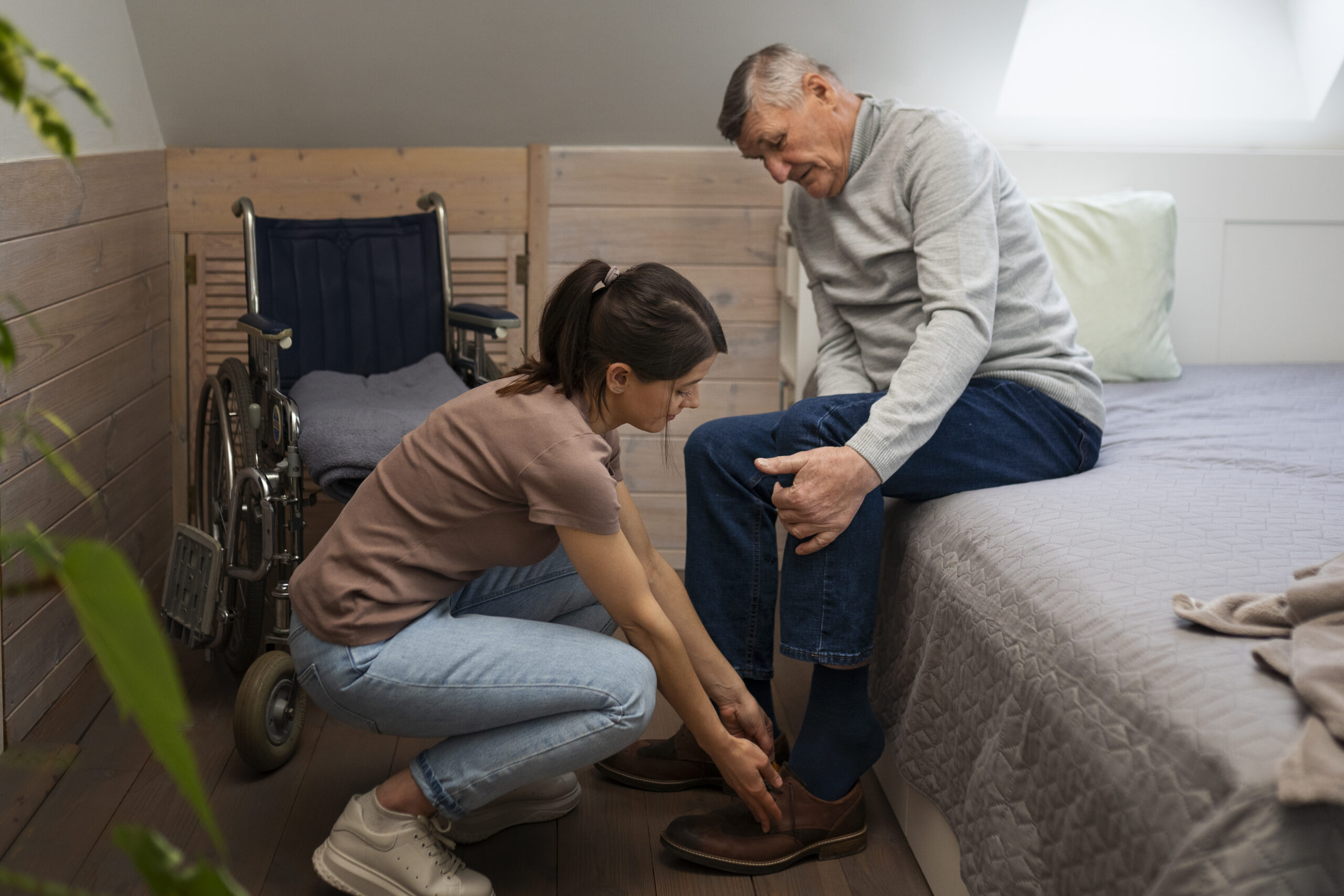
Assisting an elderly parent post-injury involves providing support and care, such as helping with daily living activities, aiding mobility, and adapting their home environment to reduce fall risk. Easy modifications such as installing grab bars, eliminating hazards in walkways, and keeping items within easy reach can help your parent remain safe. How can you assist an aging parent post-injury? Some will work with care workers or take advantage of local services that assist with chores or transportation. Understanding what your parent needs and the assistance they desire is crucial. Read on for straightforward tips and steps you can immediately implement to support your parents’ recovery.

What Are Your First Steps?
You need fast thinking and calm action to support an elderly parent after an injury. Your initial moves should be all about safety, communication, and planning, keeping risks as low as possible and constructing a blueprint for recovery.
1. Ensure Medical Stability
Call emergency services or a doctor immediately if your parent displays pain, confusion, or an inability to move after a fall. Provide them with a comfortable sitting or lying position, if safe, and explore their body for cuts, bruises, or broken bones. Observe for variations in breathing, consciousness, or activity while awaiting assistance. Post treatment, arrange for a follow-up consisting of a full exam and care plan with their physician. Take down all doctor and nurse advice so you have a written record to reference at future appointments and care decisions.
2. Gather Information
Record the time, location, and circumstances of the injury. Observe if anybody witnessed the fall and query them as to what occurred. It can help identify trends or hazards. Maintain a list of your parents’ medical issues and medications for the medical staff. Snap some pictures of the location to highlight dangers such as unprotected cords or inadequate illumination. These steps assist physicians and therapists in determining the cause of the injury and preventing another.
3. Notify Family
Break the injury news to your family as quickly as you can. Provide details on your parents’ health and what is being done. Seek assistance with visits, errands, or emotional support if you require them. Establish a group chat or email chain to keep everyone posted and make decisions collectively, particularly if care shifts fluctuate from day to day.
4. Secure The Scene
What are your first steps? De-clutter and remove loose rugs, add brighter lights, and install grab bars near steps or in bathrooms. If the accident occurred outdoors or in common areas, notify hazardous locations to property owners or managers of hazardous locations so that repairs can be made. A professional safety check can help you catch issues that you missed.
5. Start A Journal
Record your parents’ healing in a journal, including changes in mood, sleep, pain, and movement. Record doctor’s visits, therapy sessions, and new medications. Record both small victories and defeats. Use the journal to keep track of doctor questions and to share detailed updates with family or care teams, bringing care into clearer focus.
How to Coordinate Care
You must encompass all angles: medical, home, and everyday necessities, so your parent recuperates properly and remains secure. Here are some practical strategies to get you started:
- Write down every healthcare provider seeing your parent and have their contact information readily accessible.
- Leverage technology by using a shared online calendar to keep notes of appointments, treatments, and times of medications.
- Plan check-ins with doctors, nurses, and therapists to go over progress.
- Engage siblings or family members in care planning and updates.
- Maintain a well-organized history of prescriptions, therapy notes, and reports.
- Delegate responsibilities to family members so things do not get mixed up or skipped.
- Be aggressive in asking questions and pursuing advice.
- Utilize home care aides for supplementary assistance with activities of daily living.
- Design a strategy for the immediate and distant future.
Medical Team
First, identify who is involved in your parents’ rehabilitation. This typically includes doctors, nurses, physiotherapists, and occupational therapists. Knowing everybody on the team allows you to be a better communicator and not miss any updates.
Coordinate care. Discuss treatment, medicines, and rehab expectations with the medical team. Don’t forget to talk about goals for recovery and inquire about your concerns. Keeping track of all records and therapists’ notes in a folder or digital file will help ensure nothing gets lost. You can share this information with new providers if needed.
Be proactive in meetings. Ask questions, verify if you require more clarity, and advocate for your parents’ needs. This assists in establishing clear expectations and underpins the optimal results for your parent.
Home Environment
Scan the home for safety hazards immediately post injury. Take away loose rugs, clear walkways of clutter, and install grab bars in the bathrooms. Other times, your parent might need a ramp or improved lighting.
Home care aides can assist with bathing, meals, and medication. Keep looking around and updating the space as your parent recovers or if they get new equipment like walkers or wheelchairs. If your parent experiences a fall, monitor them for a couple of days and attempt to determine the cause.
Daily Routine
A fixed daily schedule provides structure, which is crucial for healing. Find time for physical therapy, rest, and visits. Light activities such as reading, puzzles, or brief walks can improve moods and keep your parent occupied.
Be mindful of when your child is getting tired and modify the plan accordingly. Ensure activities fit your parent’s prevailing strength and ability, and adjust as they recover.

Adapt The Living Space
Adapting your parents’ living space after an injury keeps them independent, safe, and able to do stuff on a daily basis. Just a few small, smart adjustments can make the home more navigable and less dangerous. It could take up to three months for your parent to adjust to these changes, so patience is crucial.
Assess Hazards
All right, adapt the living space. You want to watch out for things that could trip your parent, such as loose wires, rugs, and shoes in the hallway. Uneven flooring or steps between rooms, which are easy to overlook, are frequent culprits. Clutter impedes motion and introduces danger.
Make sure everywhere has adequate lighting, especially hallways, stairs, and bathrooms. Bright, strategically placed lights assist your parent in identifying hazards before they fall. Exchange dim bulbs for brighter ones and strategically put in night lights.
Bathrooms and kitchens are where the majority of slips occur. Wet floors from cooking or bathing are hazards, so use non-slip mats in areas where water spills are common. A balance tracker can alert you if your parent is at greater risk of falling, allowing you to identify issues sooner.
Install Aids
Grab bars in the bathroom, by toilets, and by the shower or tub provide your parent with something stable to hold onto. Shower chairs and raised toilet seats reduce wear and eliminate the risk.
Walkers or canes, when they’re fitted correctly, promote balance and prevent your parent from toppling over. Make sure these aids are the proper size and aren’t worn down.
Lever taps are easier to turn in the kitchen, and a perching stool allows your parent to sit as they cook or wash up. Wide-handled utensils assist if grip strength is weak. Get creative. Modify the living space. You can consult an occupational therapist for suggestions on what to install for your parents’ needs.
Reorganize Rooms
Rearrange your furniture so your parent can walk straight through each room without having to duck. Maintain wide and clear walkways.
Stock medications, snacks, and other daily essentials where they’re easy to grab. There should be no stooping or stretching to high shelves. Design a weekly chore chart and hang it in a place your parent notices frequently. This establishes a consistent rhythm.
Choose a resting location that is quiet and comfortable, removed from household chaos. Hang emergency numbers up where your parent can see them. Look through the fridge and cupboards for outdated food and throw in safety extras like flood detectors. Don’t fold electric blankets, or they can overheat.
Support Emotional Wellbeing
Injuries — especially falls — can impact more than just the body. Seniors can experience a profound sense of loss or anger post-accident. If ignored, these feelings can stall healing and cause prolonged emotional suffering. As important as treating physical wounds is tending to emotional well-being. It wards off depression, diminishes fear of subsequent falls, and bolsters healing.
Acknowledge Grief
Accept that your parent might mourn their lost independence or altered lifestyle. Allow them room to discuss these feelings freely. Support their emotional well-being. Listen without judgment and demonstrate that their feelings are valid. Others may have a hard time with being a “burden” or being excluded from activities they once enjoyed.
You can post tales of other people who have been knocked down and managed to piece their lives back together. Something as simple as talking about positive action toward their recovery or reading about others who have demonstrated resiliency can foster hope. Recommend a support group, in person or online. Connecting with others dealing with similar issues provides emotional solace and community.
Encourage Connection
Loneliness is prevalent following an injury, particularly when movement is restricted. Consistent visits, calls, or video chats from friends and family can really do wonders. If you can, establish a regular schedule of social contact to provide your parent with weekly anticipation.
Explore local community programs that provide senior companionship or group activities. Even mild group activities such as book clubs, craft classes, or music classes keep seniors stimulated and connected. Train your parents to use a video call app like this so they can connect with loved ones far away.
Monitor For Depression
Falls often inflict emotional scars that persist. Be on the lookout for symptoms such as loss of interest in beloved hobbies, appetite changes, or social isolation. If you observe these symptoms, gently urge your parent to discuss what they’re experiencing, even when it’s difficult.
Sometimes, you need professional support. Contact therapists if symptoms linger. Activities such as walking, painting, or listening to music can lift mood and assist your parent in feeling like themselves again. Quality sleep and consistent light exercise support emotional well-being.
Support Yourself
Make a checklist for your own self-care: eat balanced meals, get enough sleep, and set aside time for things you enjoy. Caregiving is hard. If you burn out, you can’t help your parent effectively.
Read more about caregiving. This information can help you feel less isolated and more equipped. Consider a caregiver support group, locally or online, so you can share experiences and find advice. Don’t forget the ‘oxygen mask rule’ to put yourself first.
Guiding Your Parent Through a Complex System
When an elderly parent is injured, you have to navigate healthcare, insurance, legal rights, and community support on their behalf. Small things that will assist you in making the right decisions, save money, and preserve your parents’ independence.
Insurance
Flip through your parents’ health, life, and home insurance. Go through every policy to check what’s included for injury, rehabilitation, and at-home support. List what is and is not covered and the out-of-pocket costs. It helps to maintain a password list so you can access accounts and pay bills online. Call the insurance company to inquire about claims, what papers you require, and what deadlines exist. Obtain a name and record the date for each call. Keep every bill, letter, and form. That’s key to getting claims paid on time. Check other policies for additional needs, such as auto or home, to make sure everything is current.
Insurance Type | What It Covers | What To Check |
Health | Hospital, rehab, home care | Deadlines, copays, exclusions |
Life | Payouts, funeral costs | Beneficiaries, policy terms |
Homeowners | Injury at home, property | Coverage limits, rider needs |
Legal Rights
Understand your parents’ rights to determine their care, treatment, and living arrangements. If your injury occurred in a public place or was someone else’s fault, explore personal injury claims. A lawyer can tell you if you have a case or need to proceed. Of course, keep a folder with all written notes, emails, or letters about legal issues. Honest talks with your parents count—set aside a peaceful time for sincere conversations about schemes or concerns. It is wise to begin these conversations while you’re around 40 or your parent is around 70.
Community Aid
Several organizations assist the elderly with transportation, food, or funds. Look for local and online courses. Participate in activities or seminars that keep seniors engaged and social. Consult with social workers or community groups for guidance. Certain initiatives provide cash assistance or assist with in-home care expenses.
Program Type | Example Benefit | How To Find |
Transport | Free or low-cost rides | Local senior centers |
Meal Delivery | Daily healthy meals | Nonprofits, health agencies |
Social Programs | Group events, workshops | Community boards, libraries |
Financial Aid | Grants, subsidies | Government offices, websites |
Track every call or meeting with agencies. Use an easy care plan to communicate with family. Please note that recovery is time-consuming, averaging two to six weeks, but occasionally more. Thinking in advance allows you to pivot if your parents’ care requirements evolve.
Foster Safe Independence
Helping your aging parent recover from an injury is all about fostering safe independence. You want them to rebuild confidence in their abilities, remain as active as possible, and maintain a sense of control over their life. Fostering safe independence is about making modifications at home, collaborating with healthcare providers, and maintaining open communication. It’s about encouraging your parent to do as much as they safely can while intervening when necessary.
Set Realistic Goals
Collaborate with your parents’ medical team, such as physicians or an occupational therapist, to establish goals that align with their health and requirements. Milestones could be as basic as walking to the kitchen or managing minimal grooming independently. Concentrate on little advances, perhaps standing a few more minutes or taking a walker safely across the room. These steps help develop their motivation. Encourage secure autonomy. Cheer on small victories, whether it is remembering to take medicine or brewing tea. If your parents’ condition changes, revisit the goals. Hear their input and consult the care team. It is normal to tweak the plan as recovery emerges.
Empower Choices
Let your parents have input into daily decisions. Inquire how they desire their room organized or which rehab exercises suit them best. Allow them to decide what meals to prepare or which errands to do first. If your parent struggles with big activities, like handling the bills or doing the laundry, divide them into mini-steps and allow them to choose which ones to tackle. Simple tools, such as a pill box or phone alarm, can assist them in keeping track of medications and appointments. Allowing them to make decisions, even in small things, increases their self-esteem and keeps them interested.
Plan For Setbacks
There will be setbacks, so discuss with your parent in advance what to do if recovery plateaus or new issues arise. Explore coping alternatives, such as calling a time-out, turning to family, or implementing a medical alert system for emergencies. Maintain open daily talks—ask about their day, hear fears, and discuss frustrations. Reassure your parent that it is typical to experience highs and lows and that it is perfectly acceptable to request assistance. Create a support plan for hard days, either who to call or what is available, be that extra nurse visits or assistive devices for everyday tasks.
Conclusion
Provide true assistance. Make the home safe and easy to navigate. Introduce care that matches your parent’s needs. Be on the lookout for dementia-related signs like anxiousness or mood swings. Local health groups or online help save time and stress. Allow your parent to make decisions where they feel appropriate. Simple shifts lead to major victories, such as incorporating a steady chair or relocating items to be within reach. Everyone demonstrates love and empowers your parents. You just have to begin with one change today. For more tips or assistance to plan, contact a health guide or support group near you.
Frequently Asked Questions
What should you do first when your elderly parent is injured?
Keep cool and evaluate their status. Get medical assistance if required. Keep your parent safe and comfortable until help arrives.
How can you arrange proper care for your parent after an injury?
Talk with professionals about care needs. Consider alternatives such as home care, rehabilitation, or family assistance.
What changes can you make at home to prevent future injuries?
De-clutter and remove tripping hazards. Install additional lighting or grab bars in bathrooms. Be sure to position furniture for clear pathways and utilize mobility aids.
How can you support your parents’ emotional well-being during recovery?
Hear them out, provide comfort, and stimulate socialization. Help them participate in hobbies and daily activities.
What resources can help you navigate healthcare and insurance systems?
Reach out to social workers, hospital discharge planners, or local elder care organizations. They can assist you with navigating paperwork and linking you to support services.
How do you encourage independence while keeping your parent safe?
Encourage him or her to care for himself or herself, with assistance when necessary. Provide assistive devices and promote safe ambulation around the house.
When should you consider professional help for your parent?
If your parent has lingering medical issues or difficulty with activities of daily living, consult a physician. Professional caregivers can assist with their recovery.