

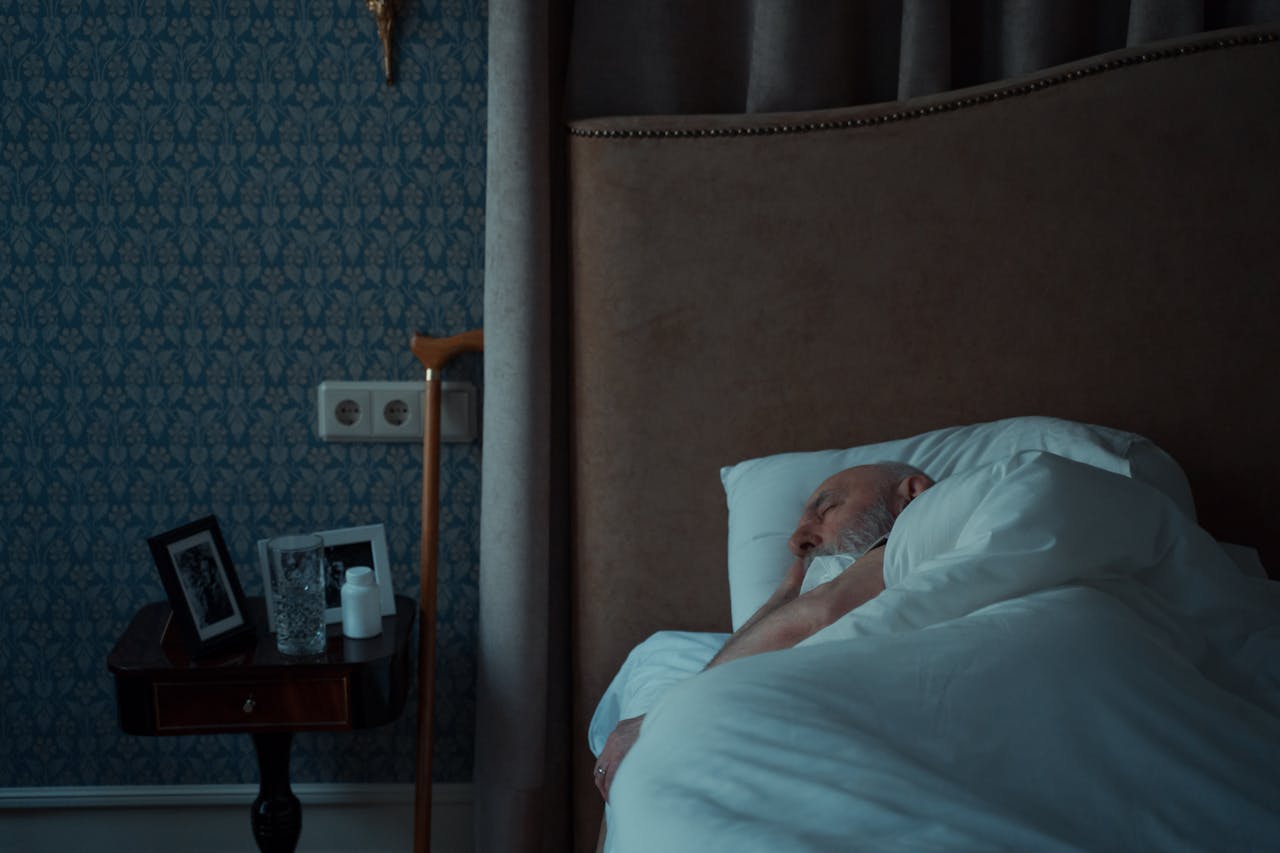
Can you sue a nursing home for dehydration or malnutrition? Families and advocates frequently view these medical issues as obvious evidence the nursing home breached its fundamental obligation to care for residents. Courts generally require evidence that the nursing home did not provide adequate nutrition, hydration, or medical intervention, which resulted in injury. Laws vary by jurisdiction, but nearly all need robust documentation and professional support to support a claim. Understanding your rights and the legally established standards for care can guide you in determining next steps. The following parts will describe what qualifies as neglect and how legal cases function in detail.
Key Takeaways
- Individuals have the right to pursue legal action against nursing homes if dehydration or malnutrition results from neglect. It is essential to understand the legal grounds and rights involved in such cases.
- To win a suit, you need a real case with charts and records, evidence of systemic failure, medical documentation, and witnesses that show the person was harmed repeatedly through neglect.
- Proving negligence is about connecting your loved one’s medical issues directly to the facility’s deficient care with the help of detailed notes, photos, and witness statements.
- Knowing the obligations of nursing home owners, staff, and management and your state’s laws and statutes of limitations is essential to your claim.
- By being aware of early warning signs of neglect, reporting concerns quickly, and tracking care practices, you can help safeguard a resident and strengthen a claim.
- Hiring attorneys, seeking settlements, and even advocacy can bring accountability and larger changes across the nursing home industry.
Yes, You Can Sue
Everyone who resides in a nursing home is entitled to receive safe, appropriate care. Dehydration and malnutrition are not merely medical issues; they are indicators of neglect. The law says nursing homes should provide every resident adequate hydration and nutrition. If they don’t and a resident gets sick or worse, families can sue. This right to sue is not just in one country. Virtually everywhere has legislation protecting care home residents and allowing family members to take legal action if those rights are violated.
Nursing home lawsuit basis begins with evidence of neglect or abuse. If a facility doesn’t provide adequate water or food, this is not simply bad service. This is a breach of duty. When this neglect causes injury, the nursing home is liable. A resident may become seriously ill from dehydration, or malnutrition may exacerbate their health. Families can seek damages in court. Yes, you CAN sue. In some cases, families have won huge settlements when neglect was obvious and damage was severe. When dehydration or malnutrition kills, families can pursue wrongful death. Every lawsuit requires substantial evidence, such as medical documentation, witness testimonies, and professional analysis.
Key is recognizing neglect. Basic stuff like chapped lips, rapid weight loss or disorientation can be red flags. If a resident is refused assistance to eat or drink, perhaps they are not able to feed themselves but staff refuse to provide assistance, this may be neglect. Sometimes, overworked staff overlook issues or the facility attempts to save money by under-hiring caregivers. These decisions can endanger residents. Periodic checks and inspections may assist, though issues still sneak through. This is why families need to stay vigilant and take action if care lags.
If you or a loved one has been dehydrated or malnourished in a nursing home, consult with an attorney experienced in these cases. A great lawyer can educate you on your rights, collect evidence, and take you through the nightmare process of suing. They can demonstrate what types of damages you may recover, such as medical expenses or pain and suffering, and assist you in making the facility liable.
Proving Your Lawsuit
Nursing home lawsuits for dehydration or malnutrition require proof. Courts examine how the nursing home maintained standards of fundamental care, staffed, and if there was evidence of systemic, persistent neglect. If the home neglected to provide adequate nutrition or hydration or didn’t detect warning signs, that’s a breach of duty. It’s crucial to demonstrate the home’s conduct or failure to act inflicted actual damage.
1. Establishing Negligence
Health records are key. They demonstrate medical complications such as weight loss, renal failure, hypotension, or decubitus ulcers that occurred due to dehydration or malnutrition. Gather records from physicians or hospitals, treatment notes, and medication lists. Emotional pain counts as well. Quotes from relatives or friends about distress, confusion, or mood swings help carry the day. Your lawsuit has to prove the home’s staff didn’t behave as trained professionals would. If staff bypassed fundamental checks, overlooked signs of sickness, or refused to comply with care plans, that’s proof they fell short of the standard.
2. Proving Harm
Pictures of filthy rooms, bad food, empty water bottles, or neglected residents are easy but powerful evidence. Take a daily record of missed meals or no assistance with drinking. Other residents or staff that will talk strengthen your case. Have them write down if they observed missed feedings or minimal staff assistance. Medical records, lab tests, diagnoses, and treatment bills demonstrate the connection between neglect and injury. All these establish a clear picture for the court.
3. Documenting Evidence
Nursing home owners, managers, and direct caregivers can all be liable. States have different laws, but they all anticipate dwellings housing safe, correct attention. Owners need to hire sufficient staff and train them well. Discover who makes the big decisions in the house. Some states are strict, so research local laws with a lawyer’s assistance. Insurance might pay for the damages, but only if you demonstrate clear evidence of negligence.
4. Understanding Liability
Law limits how long you have to sue, sometimes just a year or two. Document when issues began and the response. Quick, specific documentation prevents facts from dissolving. Delays can damage your case, so anticipate sluggish replies from the home or courts.
5. Navigating Timelines
Early indications of dehydration are dry mouth, sunken eyes, rapid weight loss or lethargy. Observe meal times. Are residents eating and drinking sufficiently? Are staff assisting individuals who can’t feed themselves? Bad care should be reported to health officials or ombudsmen immediately. Immediate action preserves evidence and helps prove your case.
Recognizing the Subtle Signs
Awareness of dehydration or malnutrition in nursing home residents requires vigilance to physical symptoms as well as medical signs. They’re warning signs, just don’t miss them. For dehydration, two classic warning signs are dark urine and an obvious decrease in urine output. Skin turgor, or how skin snaps back after being pinched, can indicate dehydration. Skin that stays pinched or returns slowly is an advanced yet vital sign. Weight loss is an important indicator. When a resident drops 4.5 kilos (10 lbs) in two months or over 5% of body weight, it can be an indicator of neglect or abuse.
Lab work can assist in confirming these hunches. Above normal BUN, out of range hematocrit or creatinine are indicative of dehydration. For malnutrition, pre-albumin less than 15 mg/dL and albumin less than 3.5 g/dL are key. These results support physical findings and if necessary can be key to constructing a legal case. Floor clock residents who appear lethargic or who can’t complete their AM routine might be affected by both dehydration and malnutrition. These symptoms frequently overlap, so it’s important to take a step back and examine the overall picture.
Dysphagia, or difficulty swallowing, occurs in as many as 60% of nursing home residents. This can make it difficult for them to consume sufficient nutrition and hydration. Cognitive impairment is common, with 60–70% of residents unable to feed themselves. Both of these conditions put patients at higher risk for neglect and give nursing homes a defense: they may claim they did everything possible and blame the patient’s health or family for the outcome.
Nursing homes will say that they’re not at fault because residents refused care or families under disclosed risk. Others cite personnel or budget constraints, saying they cannot offer 24-hour care. Every one of these defenses has vulnerabilities. For instance, understaffing or underfunding does not absolve the legal obligation to deliver fundamental care. To combat these allegations, families can keep meticulous records of weight, lab results, care plans, and communications with staff.
Common Nursing Home Defenses
Nursing homes have a laundry list of common defenses when confronted with dehydration or malnutrition claims. These are meant to pin fault outside of the facility. Knowing these defenses allows families and advocates to know what to expect during a lawsuit and to strategize their case with clear eyes.
First, a lot of facilities blame pre-existing conditions. If a resident has a chronic illness or health issue that can contribute to malnutrition or dehydration, the nursing home can claim that the decline was inevitable regardless of care. For instance, late stage Alzheimer’s patients or patients with particular GI diseases may have difficulty ingesting food or fluids, and therefore it is easier for facilities to argue the issue was beyond their control.
Many homes try to say that a resident’s decline was just the natural aging process or the degenerative nature of a disease. It uses medical records to demonstrate that weight loss or dehydration was probable, even with good care, due to the resident’s age or medical background.
Another frequent defense is resident denial. They might say the individual was refusing meals or fluids repeatedly, which made it difficult for the facility to appease. This frequently shifts blame to the resident, particularly if they were mentally competent enough to make decisions regarding their care.
Facilities might argue that they did provide adequate care and were stymied by inadequate support or information from the resident’s family. If a plan was not followed at home or family members withheld key medical information, the facility can claim the result was not their responsibility.
Occasionally the facility will allege a mishap or other unforeseen circumstance caused the resident’s demise. For example, an unexpected flu or emergency staffing shortage may be used to justify why care was lacking and not consistent neglect.
Finally, nursing homes will say that they adhered to all industry standards, had sufficient staffing and took all reasonable measures to hydrate and nourish. Even then, they assert that unavoidable medical events or rare complications rendered malnutrition or dehydration impossible to prevent.
The Financial Reality of a Lawsuit
It’s not just about the lawsuit you might pursue against a nursing home for dehydration or malnutrition. It introduces a combination of financial, practical, and ethical considerations that families and individuals must balance. What most people don’t realize is the financial reality of a lawsuit. Malpractice recoveries are often capped, sometimes under $250,000, which might not come close to the personal toll on families. Not everyone pursues money, but redress can assist with expenses of care or send a message of responsibility. The expenditure begins soon. It’s not always cheap to get medical records. They might have to spend a few hundred dollars just to gather the paperwork for a case. Usually a doctor in the field will have to review the records and say whether the nursing home took the proper care steps. This expert review increases expenses and can extend the timeline.
Other roads are available. Mediation provides a path to settle claims without the full brunt of a trial. It caps costs on both ends. It allows families and nursing homes to negotiate issues through a neutral party, looking for an equitable outcome. It’s not mediation for every case, but for a certain segment of them, it can provide closure more quickly and with less stress.
Groups of advocates have a heavy influence on nursing home care. They advocate for systemic change, educate families, and provide resources to report or contest poor treatment. Their labor aims to better set the rules and amplify the collective voice of those who think they’re alone in their battle. For instance, a few organizations provide resources to assist families in recognizing their rights when indicators of neglect or abuse appear.
Lawsuits and attention will motivate nursing home policy changes. When cases hit the news or courts, other households may be spurred to upgrade their own policies and training. This ripple effect occasionally results in superior checks and increased staff training industry-wide. For instance, post-lawsuit, a home might launch fresh hydration initiatives or monitor meals.
Community organizing can drive better standards. By raising awareness at a local level or on social media, you open up the conversation and contribute to others’ being able to recognize, report, and respond to neglect. This collaborative effort reduces the chances of cases slipping through the cracks.
Beyond the Lawsuit
Nursing home accountability is not just a cause for legal claims, it is a cause for human decency to a population who is least capable of defending itself. Nursing home patients rely entirely on staff for basic needs, such as adequate nutrition and hydration. The stats are grim—up to half of residents are at risk of malnutrition or dehydration, frequently due to understaffing or undertraining. Understaffed homes can’t always assist every resident eat or drink safely, which exposes people to health issues that extend well beyond mere hunger or dehydration. When proper care falls short, consequences can be severe: wounds don’t heal, bones weaken, muscles waste away, and the risk of death rises.
Justice for neglect or abuse is not only a personal step for victims or families but a means to advocate for improved care for all. Residents frequently have a difficult time standing up for themselves. That puts families front and center as the primary voice to hold nursing homes accountable when standards falter. Even something as simple as dehydration, which can occasionally be remedied by slowly drinking 500 to 750 mL of water, can spiral quickly. If not addressed, it can result in delirium, renal failure, or admission to the hospital and a recuperation spanning days to weeks. Just as perilous is malnutrition, which paves the way for seizures, quick weight loss, and other transformative consequences. It’s not always negligence; aging and medicine can be factors, but when staff overlook these hazards, it’s a palpable violation of confidence.
The battle to improve nursing home care transcends the scope of a single lawsuit. It demands continued activism, further lobbying, and shifts in the management of these institutions. When families speak out, it shines a spotlight on issues such as understaffing and inadequate training. That can create change, not only in one facility, but across the whole industry. Picking your legal help matters too. Nursing home cases are not easy, as they have very specific rules and require medical proof to demonstrate neglect or abuse. Attorneys who know this space can guide families through the process, assist in collecting evidence, and advocate for victims’ rights.
Conclusion
To sue a nursing home for dehydration or malnutrition, begin with evidence. Search for genuine signs such as weight reduction or delirium. Take good notes, save records, and seek the assistance of an attorney who understands this field. Every case requires strong evidence and a strategy. The courts look for evidence of actual harm and missed care. Nursing homes may push back, but the truth supports yours. Costs and stress can skyrocket, but change is possible. Some families want cash, some want better care. Every step strains the system. If you notice red flags, don’t wait. Tell your story, get support, and inspire others to demand just care.
Frequently Asked Questions
Can you sue a nursing home for dehydration or malnutrition?
Yes, you can sue a nursing home for dehydration or malnutrition if you can demonstrate that their negligence or abuse caused it. Lawsuits safeguard residents’ rights and health.
What evidence is needed to support a lawsuit?
You require medical records, expert testimony, photographs and witness testimony. These help demonstrate that neglect or substandard care inflicted injury upon the resident.
What signs of dehydration or malnutrition should families watch for?
Watch for rapid weight loss, dry mouth, confusion, weakness, or skin changes. Early identification can mitigate health concerns.
How do nursing homes defend against these lawsuits?
Nursing homes might assert the resident’s health issues were a result of pre-existing conditions and not neglect. They could claim that all reasonable care was given.
What compensation can victims receive from a lawsuit?
Victims can obtain compensation for medical bills, pain and suffering, and occasionally punitive damages. It depends on the harm suffered; every instance is different.
How long do you have to file a lawsuit?
There are time limits, called statutes of limitations, which depend on where you live. Acting fast is key to preserving your rights.
Are there alternatives to filing a lawsuit?
Yes, families may report concerns to health authorities, seek mediation, or work with advocacy groups to resolve issues out of court.
Medical-Related Injuries and Abuse? Get the Legal Support You Need
At Phoenix Injury Attorneys, our team understands how devastating medical-related injuries and abuse can be. These cases can involve traumatic brain injuries, medication errors, neglect in care facilities, or signs of elder abuse that were ignored. You might be managing painful symptoms, new medical complications, financial stress, and uncertainty about what comes next. You deserve clarity, justice, and a legal team that stands firmly on your side.
Led by Khalil Chuck Saigh, our Arizona-based firm investigates what happened, reviews medical records, works closely with specialists, and builds a case that identifies every party responsible. We pursue compensation for medical bills, ongoing treatment, long-term care needs, lost income, emotional suffering, and the overall impact on your safety and quality of life.
If something feels wrong about the care you or your loved one received, listen to that feeling. Reach out today for a free and confidential case review. Let us protect your rights, confront negligence, and help you move forward with strength and support.