
How Brain Injuries Affect Daily Life and Your Settlement Value

Brain injuries can alter everyday life with memory loss, mood swings, and difficulty with tasks that were once easy. These impacts frequently manifest in minute, everyday instances such as blanking on a name, losing a sense of time, or becoming fatigued simply by exposure to bright lights or loud noises. For brain injury settlement-seekers, this […]
Why Toxic Tort Cases Often Require Expert Testimony
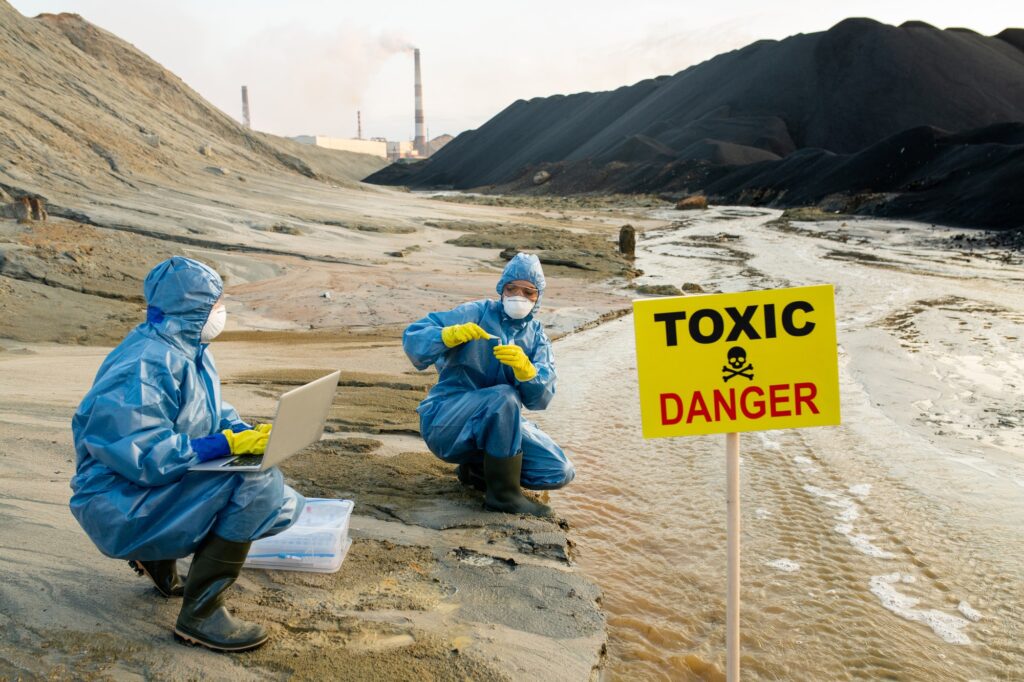
Why do toxic tort cases need experts? These claims deal with scientific, medical, or technical facts that most of us don’t know. Demonstrating injury from chemicals, toxins, or hazardous substances relies on concrete connections between exposure and health impacts. Courts want experts to explain these connections in clear language, with research, data, and their own […]
The Long-Term Cost of Toxic Injuries on Your Health and Finances

The long-term cost of toxic injuries on your health and finances includes multiple doctor visits, medicine, and lower work income over time. You could experience additional hospitalizations, increased insurance premiums, and assistance with activities of daily living. Chronic pain or slow healing can cause you to skip work or quit early. For others, bills pile […]
Emotional Abuse in Care Facilities: What Counts as a Legal Claim?

Emotional abuse in care facilities is a legal claim when staff or other resident behavior injures someone’s mental health or well-being and violates local or national laws. Laws usually encompass threats, insults, isolation, or humiliation that cause obvious distress or damage. For a legal claim, evidence such as reports, witness statements, or medical records is […]
How Toxic Exposure Cases Are Investigated in Arizona
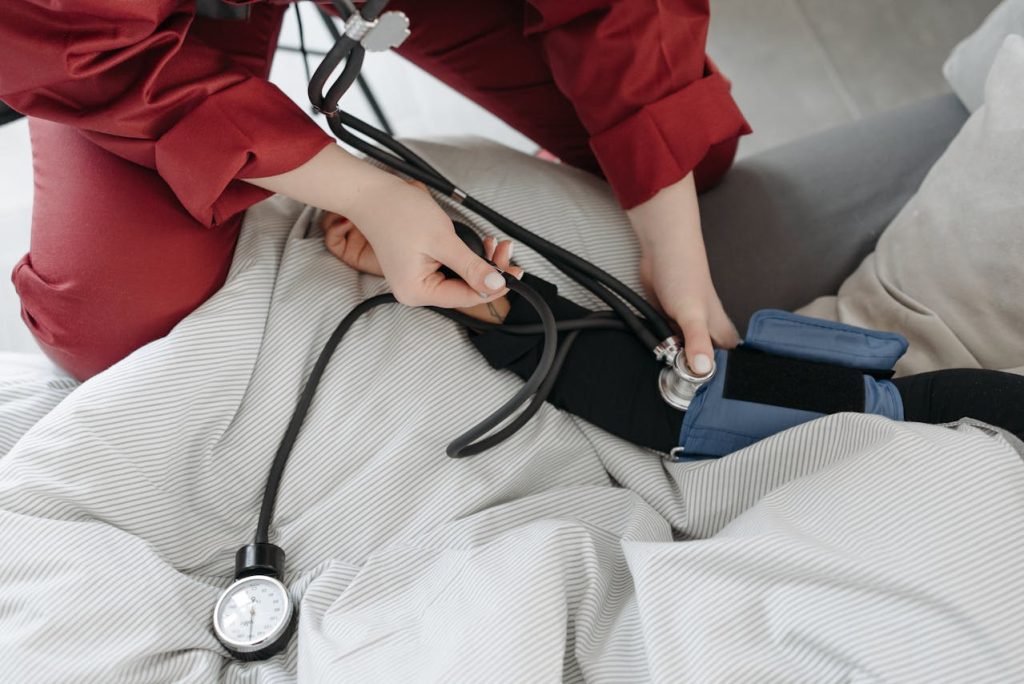
How toxic exposure cases are investigated in Arizona is a transparent four-step process led by state and local agencies. You get thorough site inspections, air and water testing, and a close examination of the medical records of victims. Health officials cooperate with legal teams in fact-gathering from workplaces, homes, or public environments. Arizona law dictates […]
Behavioral Changes After a TBI: What Families Need to Know

Behavioral changes after a TBI manifest themselves in everyday life and can alter someone’s behavior, emotions, or reactions to stress. Families need to know that mood swings, anger, or apathy might come to the fore – even if the person was previously placid. Even basic habits like sleep, eating, or how they communicate with others […]
TBI in Car Accidents: Why These Cases Are More Complex

TBI in car accidents refers to traumatic brain injury caused by the crash’s sudden force. These cases are more complex because of how the brain responds to impact and how doctors need to look for less obvious symptoms. TBI frequently presents with symptoms that might not be immediate, which complicates both initial treatment and evidence. […]
What Tests or Evidence Help Prove Toxic Exposure?

The primary tests or evidence that assist in establishing toxic exposure are blood panels, urine checks, hair samples, air and soil analysis, and workplace records. You frequently see doctors utilize blood and urine tests to identify chemicals or heavy metals in the body. Hair samples occasionally track long-term exposure, while air and soil reports indicate […]
How to Document Evidence of Elder Abuse for a Strong Claim

To demonstrate evidence of elder abuse for a compelling case, collect specific documentation and details that indicate what occurred, where, and when. Strong evidence consists of photos of wounds or hazardous environments, notes with timelines, and copies of medical documents or testimonies. Simple logs of strange behavior, mood shifts, or missed medication assist in demonstrating […]
Can You Sue a Nursing Home for Dehydration or Malnutrition?

Can you sue a nursing home for dehydration or malnutrition? Families and advocates frequently view these medical issues as obvious evidence the nursing home breached its fundamental obligation to care for residents. Courts generally require evidence that the nursing home did not provide adequate nutrition, hydration, or medical intervention, which resulted in injury. Laws vary […]